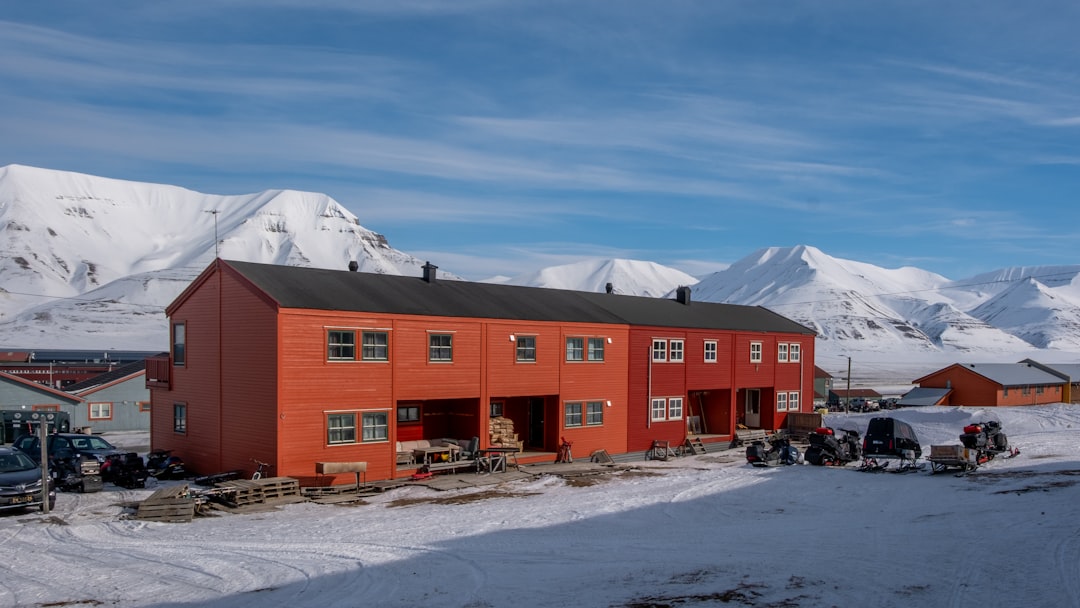
The unforgiving white expanse of the Arctic has a storied history of drawing ambitious explorers, lured by the promise of discovery, fame, and the completion of what many considered the last great geographical frontier: the Northwest Passage. Among the many expeditions that ventured into this icy realm, few ended with the profound tragedy and enduring mystery that befell the Franklin Expedition. This ill-fated Victorian endeavor, launched with immense fanfare and confidence, dissolved into a chilling testament to the overwhelming power of nature and the limitations of human endeavor against its brutal might.
The mid-19th century marked a peak in British maritime exploration. The Royal Navy, with its vast resources and esteemed reputation, was at the forefront of these grand expeditions, driven by a potent blend of scientific curiosity, national pride, and a desire to secure trade routes. The Northwest Passage, a legendary sea route connecting the Atlantic and Pacific Oceans through the Canadian Arctic Archipelago, had eluded navigators for centuries. Its discovery promised to revolutionize global trade and cement Britain’s dominion over the seas.
Sir John Franklin: A Commander of Experience
Leading this monumental undertaking was Sir John Franklin, a seasoned explorer with a distinguished naval career. Franklin had already participated in several Arctic expeditions, including those led by Sir John Ross and Sir George Back. His previous voyages, while not without hardship, had established his reputation as a determined and capable leader. He was a man of deep faith and unwavering resolve, characteristics that would be sorely tested in the years to come. At the age of 59, Franklin was seen as a figure of authority and respect, a natural choice to command an expedition of such national importance. His appointment, however, would later be scrutinized, with some questioning if his age and previous experiences had prepared him for the extreme challenges of this particular mission.
The HMS Erebus and HMS Terror: State-of-the-Art Vessels
The expedition was equipped with two of the Royal Navy’s most advanced vessels: HMS Erebus and HMS Terror. These were not ordinary ships; they were bomb vessels, specifically designed with reinforced hulls and robust construction to withstand the immense pressures of ice. Crucially, they had been fitted with steam engines, a relatively new and experimental technology for Arctic exploration. This innovation was intended to provide an unprecedented advantage, allowing the ships to navigate through ice floes with greater speed and control, rather than being entirely at the mercy of winds and currents. The ships were also stocked with an astonishing amount of provisions, including canned goods – a supposedly revolutionary preservation method that would, ironically, contribute to the expedition’s demise. The belief was that with these modern marvels and ample supplies, the Northwest Passage would be conquered with relative ease.
The Objectives: More Than Just a Passage
The primary objective of the expedition, as publicly stated, was to find and chart the Northwest Passage. However, the mission also encompassed a broader scientific agenda. Researchers were tasked with collecting meteorological data, observing magnetic phenomena, and studying the local flora and fauna. The expedition was also intended to exert British influence in the region and to establish a British presence, further solidifying imperial ambitions. The detailed instructions from the Admiralty emphasized the importance of mapping and surveying, ensuring that any discovered passage would be thoroughly documented for future maritime use.
The Victorian Arctic exploration disaster, marked by the ill-fated Franklin Expedition, serves as a poignant reminder of the challenges faced by explorers in the harshest environments. This historical event not only highlights the perils of Arctic exploration but also draws parallels to contemporary issues such as environmental degradation. For an insightful discussion on how we can combat environmental challenges and preserve our land, you can read the article on desertification at Combatting Desertification: Preserving Our Land.
The Hopeful Departure: A Nation’s Best Wishes
On May 19, 1845, HMS Erebus and HMS Terror sailed from Greenhithe, England, under a cloudless sky, their sails billowing with the hopes of a nation. The departure was a grand affair, witnessed by crowds of well-wishers and dignitaries. Brass bands played, flags flew, and a palpable sense of optimism permeated the air. The two ships, gleaming in their naval splendor, represented the pinnacle of Victorian maritime engineering and the unyielding spirit of British exploration. A contingent of 129 officers and men, carefully selected for their experience and skill, comprised the expedition’s complement. Among them were renowned scientists, seasoned sailors, and ambitious young officers eager to make their mark.
The Last Sighting: A Fleeting Glimpse of Confidence
The last confirmed sighting of the expedition occurred in late July 1845, when the ships were spotted by whalers in Melville Bay, Greenland. The crew appeared in good spirits, and the ships were in excellent condition, sailing northward towards the unknown. This brief encounter offered a final, reassuring image of the expedition’s progress and the crew’s apparent well-being. The whalers reported that the officers seemed confident and that the ships were making good headway, fueling the nation’s belief that Franklin was on the cusp of a monumental achievement. This optimism, however, would soon begin to wane as weeks turned into months, and no word arrived from the distant Arctic.
The Initial Concerns: The Slow Creep of Doubt
As the summer of 1845 gave way to autumn and then to winter without any sign of the expedition’s return, the initial optimism began to erode, replaced by a gnawing unease. The Admiralty, accustomed to regular reports from its vessels, became increasingly concerned. While Arctic expeditions were known for their lengthy durations, the complete silence from such a well-provisioned and well-equipped mission was unprecedented. Whispers of worry turned into open discussions, and the nation’s initial pride began to be tinged with apprehension.
The Unseen Struggle: Trapped in the Ice
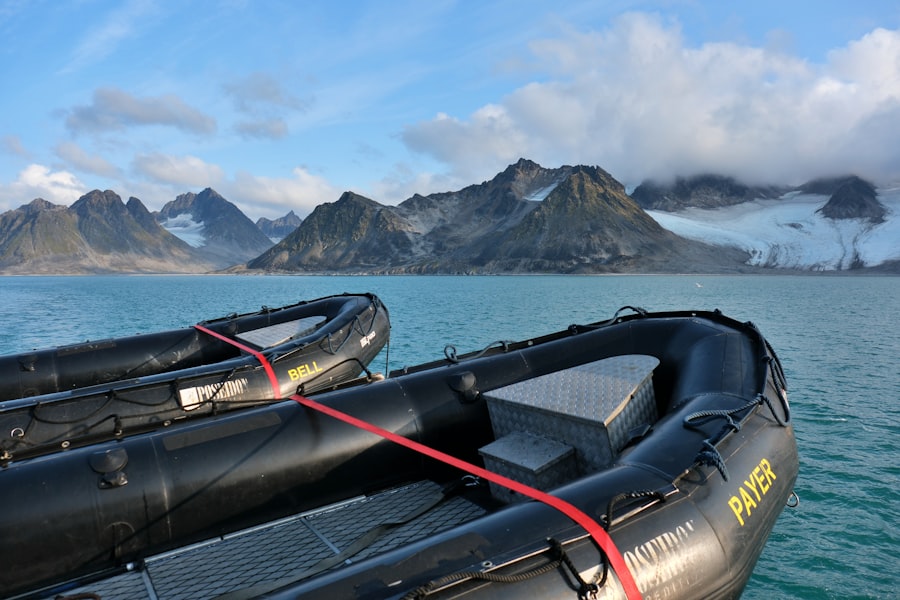
The Arctic, in its immense and indifferent grandeur, proved to be a far more formidable adversary than anticipated. The initial confidence soon dissolved into a desperate struggle for survival against an enemy that offered no quarter. The ice, a seemingly solid and immutable force, became the expedition’s inescapable prison.
The Icy Embrace: The Northwest Passage Blocked
The winter of 1846 saw HMS Erebus and HMS Terror become irrevocably trapped in the ice pack off the coast of King William Island. The advanced steam engines, designed to break through ice, were no match for the sheer, crushing force of the Arctic winter. The ships, once symbols of progress and ingenuity, were reduced to stationary hulks, their crews prisoners of the frozen sea. This was not an unusual occurrence in Arctic exploration, but the duration and severity of their entrapment would prove catastrophic. The ice, thick and relentless, sealed their fate, severing any possibility of immediate escape.
The Perilous Provisions: The Threat of Lead Poisoning
A critical element in the expedition’s downfall was the state of its provisions, particularly the canned goods. While heralded as a marvel of preservation, the cans were sealed using a process that involved lead solder. Over the long period of the expedition, this lead leached into the food, leading to chronic lead poisoning. The symptoms of lead poisoning are insidious: confusion, disorientation, debilitating pain, and eventual organ failure. This toxic contamination would have severely weakened the crew, impairing their judgment, physical strength, and their ability to make rational decisions in an already dire situation. The very food that was meant to sustain them was, in fact, a slow and agonizing poison.
The Growing Desperation: Facing Starvation and Scurvy
As months turned into years, the expedition’s initial supplies began to dwindle. The frozen landscape offered little opportunity for resupply, and any hope of hunting for game was severely hampered by the extreme conditions and the crew’s deteriorating health. The dreaded disease of scurvy, caused by a lack of Vitamin C, began to ravage the men. Its symptoms – bleeding gums, lethargy, and severe pain – would have compounded the effects of lead poisoning, leaving the crew profoundly weakened and demoralized. The once-proud sailors were now facing the grim specter of starvation and disease in one of the most inhospitable environments on Earth.
The Tragic Exodus: A Desperate Gamble for Survival
With their ships rendered immobile and their supplies exhausted, the surviving members of the expedition were forced to make a desperate gamble. Abandoning the vessels that had once been their pride, they embarked on a perilous overland journey, a final, agonizing attempt to escape their icy tomb.
The Footprints in the Snow: A Trail of Despair
In the spring of 1847, and again in 1848, small parties of survivors began to abandon the Erebus and Terror. They carried what little they could, marching southward across the frozen landscape of King William Island and the surrounding mainland. Their tracks, imprinted in the snow and ice, would later become the chilling evidence of their final, desperate struggle. These footprints, viewed by later search parties, painted a poignant and heartbreaking picture of their agonizing progress. They were a testament to the immense physical and mental fortitude required to simply take another step in such overwhelming adversity.
The Inuit Testimony: Whispers of a Grim Fate
Crucially, the indigenous Inuit people of the region, who possessed an intimate knowledge of the Arctic and its harsh realities, encountered the survivors. Their oral histories, collected by subsequent search parties, provided invaluable, albeit grim, insights into the expedition’s fate. They spoke of starving white men, of illness, and of death. They described encounters where the explorers were desperate, gaunt, and suffering from unknown ailments. These accounts, though initially met with skepticism by some, have since been largely corroborated by archaeological evidence, offering a somber confirmation of the expedition’s tragic end. The Inuit, whose survival depended on their understanding of the land, were the silent witnesses to this unfolding disaster.
The Cannibalism Controversy: A Dark Chapter
The Inuit accounts also alluded to the horrific practice of cannibalism among the dying crew. Evidence found at the archaeological sites, including cut marks on human bones consistent with butchery, strongly suggests that the starving survivors resorted to this desperate measure to prolong their lives. This grim revelation added another layer of tragedy to the already heartbreaking story, painting a picture of humanity pushed to its absolute limits by the relentless pressures of starvation and despair. The discovery of these signs would forever cast a dark shadow over the expedition’s legacy.
The tragic tale of the Victorian Arctic exploration disaster continues to resonate in discussions about the challenges of navigating uncharted territories. As explorers faced the harsh realities of the Arctic, modern parallels can be drawn to the complexities of space exploration today. For instance, the need for effective management in cislunar space traffic is becoming increasingly critical as we venture beyond our planet. You can read more about this pressing issue in the article on navigating the future of space traffic management here.
The Lingering Mystery: Unraveling the Truth
| Expedition | Outcome | Survivors | Casualties |
|---|---|---|---|
| Franklin’s Lost Expedition | Disaster | 0 | 129 |
| Rescue Missions | Unsuccessful | 0 | 0 |
Despite extensive search efforts and the passage of over a century, the Franklin Expedition continues to hold a powerful grip on the public imagination. While much has been pieced together, fundamental questions about the exact sequence of events and the ultimate fate of every individual remain.
The Search and Rescue Efforts: A Nation’s Persistent Grief
The news of the expedition’s disappearance sparked widespread concern and a series of increasingly desperate search and rescue missions. Lady Jane Franklin, Sir John’s devoted wife, was a tireless advocate, dedicating her fortune and considerable influence to funding numerous expeditions in search of her husband. The Royal Navy also mounted several official and unofficial search parties. These efforts, spanning decades and costing significant resources, meticulously scoured the Arctic, piecing together fragments of evidence and interviewing Inuit communities. Yet, the vastness of the Arctic and the brutal conditions consistently thwarted definitive discovery.
The Archaeological Revelations: Unearthing the Evidence
In the 21st century, modern technology has begun to shed further light on the expedition’s final chapters. Underwater archaeological expeditions, utilizing advanced sonar and remotely operated vehicles, have located the wrecks of both HMS Erebus and HMS Terror. These discoveries have provided an invaluable trove of artifacts, offering direct evidence of the ships’ conditions and the daily lives of the crew in their final days. The preservation of the shipwrecks in the cold Arctic waters has allowed for the recovery of objects that have helped historians and archaeologists reconstruct the timeline of the disaster and the struggles faced by the men.
The Enduring Legacy: A Cautionary Tale
The tragic fate of the Franklin Expedition serves as a stark and enduring reminder of the immense power of nature and the often-unforeseen consequences of human ambition. It highlights the importance of thorough planning, adaptability, and respect for the environment in any endeavor, particularly those venturing into the unknown. The story of Franklin and his crew continues to resonate, not only as a historical footnote but as a profound human drama, a testament to courage in the face of unimaginable adversity, and a somber warning about the unforgiving nature of the Arctic. The mystery, while perhaps never fully solved, ensures that the Franklin Expedition will forever remain etched in the annals of exploration, a poignant symbol of both human aspiration and its ultimate vulnerability.

129 Men Vanished in the Arctic. Then We Found Their Ships.
FAQs
What was the Victorian Arctic exploration disaster?
The Victorian Arctic exploration disaster refers to the failed attempt by the Franklin Expedition to navigate the Northwest Passage in the Arctic in the mid-19th century. The expedition, led by Sir John Franklin, ended in tragedy with the loss of all crew members and ships.
When did the Victorian Arctic exploration disaster occur?
The Victorian Arctic exploration disaster occurred in 1845 when the Franklin Expedition set sail from England in search of the Northwest Passage. The expedition’s two ships, the HMS Erebus and HMS Terror, disappeared without a trace, leading to one of the greatest mysteries in Arctic exploration.
What were the causes of the Victorian Arctic exploration disaster?
The exact causes of the Victorian Arctic exploration disaster are still not fully known, but it is believed that a combination of factors, including harsh Arctic conditions, lead poisoning from poorly preserved food, and a lack of experience in navigating the treacherous Arctic waters, contributed to the failure of the expedition.
What were the consequences of the Victorian Arctic exploration disaster?
The Victorian Arctic exploration disaster led to a massive search and rescue mission, as well as numerous expeditions to uncover the fate of the Franklin Expedition. The tragedy also sparked a renewed interest in Arctic exploration and the search for the Northwest Passage.
What is the legacy of the Victorian Arctic exploration disaster?
The Victorian Arctic exploration disaster has left a lasting legacy in the history of Arctic exploration. It has inspired numerous books, documentaries, and research expeditions aimed at uncovering the fate of the Franklin Expedition and understanding the challenges of navigating the Arctic. The tragic story of the expedition continues to capture the imagination of people around the world.