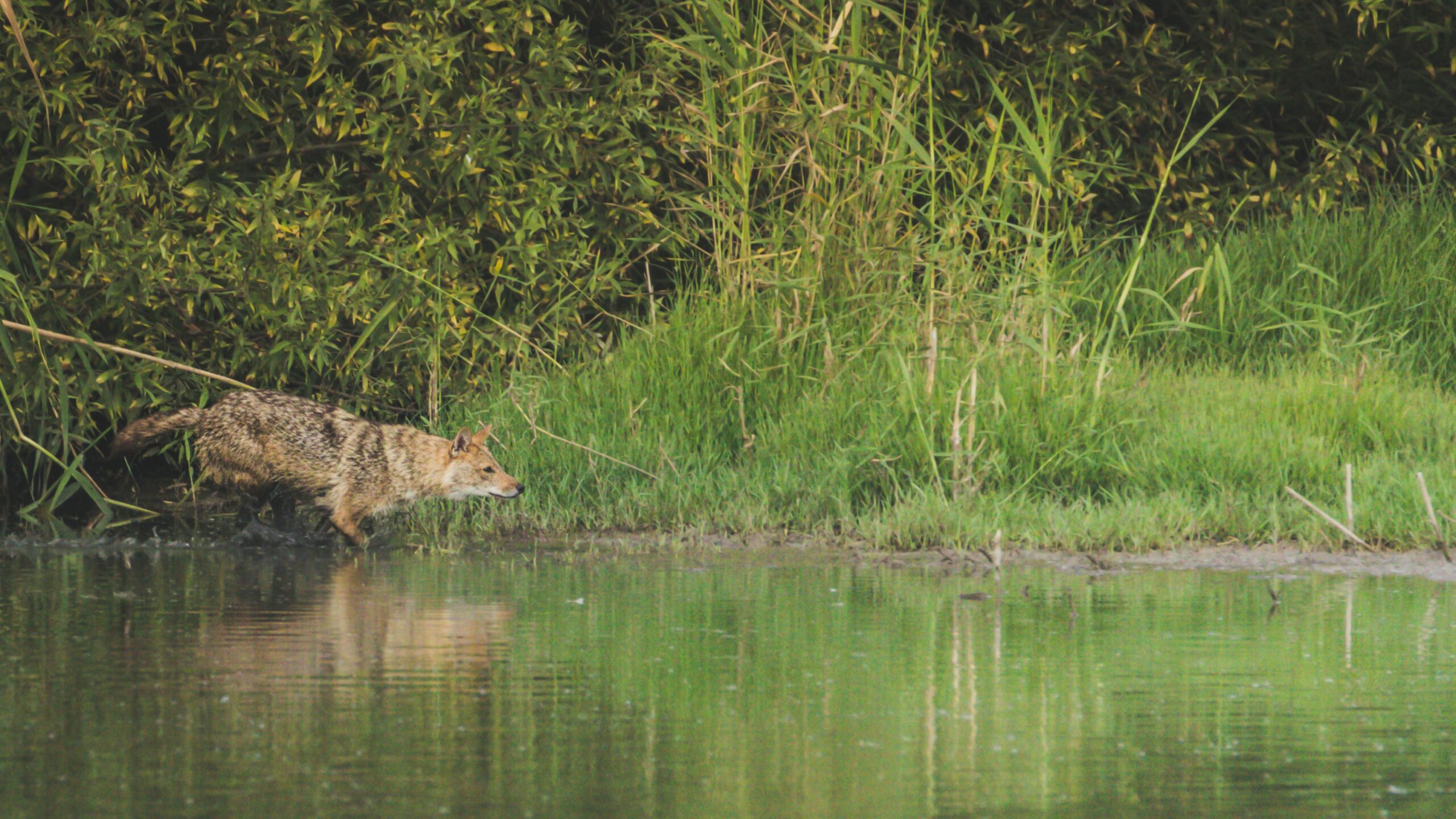
The incessant drumming of rain against the corrugated iron roof had been the soundtrack to Sarah’s escalating dread for hours. Now, that drumming was a muffled echo, lost beneath the angry gurgle of rising water. It had started as a persistent drizzle, a nuisance that made her small, riverside cabin feel damp and melancholic. But the sky, an unforgiving canvas of bruised grey, had unleashed its fury, transforming the gentle flow of the river into a ravenous beast. Sarah, a seasoned outdoorswoman who had sought solace in the wild, now found herself a prisoner in her own sanctuary. The water, an unnatural brown churn, had breached the banks and was steadily claiming her humble abode. The floorboards, once solid beneath her feet, now squelched with every panicked step.
The Creeping Deluge
The initial hours of the downpour had been dismissed with a resigned sigh. Sarah had checked her emergency supplies – extra blankets, non-perishable food, a first-aid kit, and a hand-crank radio – and felt a familiar sense of preparedness. She had lived in this remote corner of the wilderness for years, accustomed to the whims of nature. But this was different. The river, usually a predictable companion, had begun to swell with an alarming speed. By late afternoon, the water had lapped at her doorstep. The electricity flickered and died, plunging the cabin into an eerie twilight, amplifying the sound of the water’s relentless advance. Sarah’s heart hammered a frantic rhythm against her ribs as she watched the murky tide creep higher, swallowing the porch furniture and then the very foundation of her home.
The Loss of Solid Ground
The cabin, built on stilts to accommodate occasional high water, had always felt safe. Now, the stilts were submerged, and the cabin itself seemed to be adrift, bobbing precariously with each surge of the current. Sarah’s initial attempts to remain calm fractured as the water reached waist height. The air grew heavy, thick with the scent of damp earth and decay. Belongings, once familiar and comforting, now became obstacles, floating and bumping against her legs. A wooden chair, a treasured find from a local antique shop, spun past, a ghostly reminder of a life that was rapidly being consumed. The feeling of being disconnected from the solid earth was profound and terrifying. Every surface was slick, unstable, and offering no real purchase.
The Growing Menace of the Water
The water was not merely rising; it was moving with a dangerous, disorienting force. Debris, branches, and even larger logs, ripped from the riverbank, were being carried along, battering against the cabin walls with a deafening roar. Sarah knew the structural integrity of her small home was being tested with every impact. The constant noise, the shuddering of the walls, and the pervasive chill that seeped through her soaked clothes began to erode her resolve. She found herself scanning the water’s surface, not just for escape routes, but for any sign of what else might be lurking beneath its opaque surface. The thought of the river’s usual inhabitants, the fish and the occasional otter, now felt like a naive underestimation of the chaos unleashed.
In the context of wildlife facing perilous situations, the article “The Challenges of U.S.-Mexico Overland Shipping” highlights the complexities of transportation and logistics in regions prone to natural disasters. Just as animals can find themselves trapped between floodwaters and predators, the shipping industry grapples with navigating treacherous conditions that can disrupt supply chains and threaten livelihoods. For more insights into these challenges, you can read the full article here: The Challenges of U.S.-Mexico Overland Shipping.
Whispers in the Murk

As the water continued its inexorable climb, reaching her chest, Sarah’s focus shifted from the immediate threat of drowning to a more primal fear. The darkness outside, coupled with the discolored water, concealed unseen dangers. The sounds of the storm, once overwhelming, began to be punctuated by subtler, more sinister noises. A peculiar splashing, different from the general churn, caught her attention. It was a rhythmic, almost deliberate sound, and it was drawing closer. Her mind, already frayed by the constant stress, conjured images of the creatures that called this wild territory home, creatures that would now be displaced and potentially desperate.
The Unseen Currents of the Night
The night brought with it an intensified sense of vulnerability. The limited visibility meant Sarah could only react to what she could hear and feel. The water had now reached the ceiling, forcing her to cling to the rafters, her muscles burning with the effort. It was then that the sounds became more distinct. A low guttural growl, carried on the wind and the water, sent a shiver down her spine that had nothing to do with the cold. It was a sound that spoke of hunger and a wild, untamed instinct. She strained her ears, trying to pinpoint its source, but the storm’s fury made it impossible to discern precise directions. The darkness was a shroud, making every shadow a potential threat.
A Stirring in the Depths
The splashing Sarah had heard earlier intensified. It was no longer a vague disturbance but a distinct movement, circling her submerged cabin. She could feel vibrations through the water, a heavy presence that seemed to be testing the limits of her fragile refuge. Her thoughts, racing with adrenaline, immediately went to the apex predators of the region. Bears, normally more cautious, could be driven from their dens by such extreme conditions. Or, more chillingly, the large alligators known to inhabit the wider waterways, now pushed into unfamiliar territory. The idea of being trapped between the rising floodwaters and a hungry predator was a nightmare made terrifyingly real. She held her breath, listening, trying to distinguish the sound of the storm from the sound of her potential doom.
Desperate Measures, Fragile Hopes

Trapped and increasingly desperate, Sarah knew that passive waiting was no longer an option. The cabin, her only shelter, was becoming a deathtrap. She had to find a way to escape, to reach higher ground, before the cabin succumbed to the relentless water or before the unseen predator made its move. Her survival instincts, honed by years of wilderness living, kicked into overdrive, overriding the paralyzing fear. She began to assess her surroundings with a new, urgent focus, searching for anything that could aid her escape.
The Improvised Raft
Her gaze fell upon a large, overturned wooden table, a sturdy piece of furniture that had miraculously remained somewhat intact. It was heavy, but with the buoyancy of the water, it might just be manageable. Using a broken broom handle as a makeshift lever, and with every ounce of her remaining strength, Sarah began to push and maneuver the table towards a window that was still partially above the water level. The wood groaned in protest, the water resisted her efforts, but the thought of escape spurred her on. It was a desperate gamble, a makeshift raft born of necessity, but it represented her only hope. Each push was a prayer, each inch gained a victory against the overwhelming odds.
Navigating the Submerged Landscape
With the table now partially wedged against the window frame, Sarah braced herself. The water was at its highest point, threatening to engulf her completely. She had to move quickly. Pushing out the remaining glass with the broom handle, she squeezed herself through the opening, her clothes snagging on the jagged edges. The moment she was outside, the current threatened to pull her away. She scrambled onto the table, her hands gripping the wet, splintered wood. The water churned around her, a vast, dark expanse. She could no longer see the cabin, only the swirling vortex of brown. She used the broom handle to paddle, trying to steer herself towards the faint, darker shapes on the horizon – the higher ground she prayed existed.
The Predator’s Shadow
The brief surge of triumph from escaping the cabin was quickly overshadowed by a renewed sense of dread. The water was still high, the debris relentless, and now, the presence of the predator felt more palpable than ever. The splashing sounds had not ceased; if anything, they had become more insistent, shadowing her desperate attempts to paddle to safety. Sarah’s senses were on high alert, her every nerve ending screaming with the awareness of the unseen danger that stalked her.
A Glimpse in the Gloom
As Sarah navigated her precarious raft, a flash of movement caught her eye, just a few yards away. It was too large to be a fish, too dark and fluid to be a log. The murky water distorted its shape, but the sheer size was undeniable. A ripple, larger than any she had caused herself, spread across the surface. Her breath hitched in her throat. It was then she saw it – a reptilian snout, dark and powerful, breaking the surface for a fleeting moment before submerging again. Her blood ran cold. The alligator, larger than she had ever imagined, was pacing her, a silent, terrifying hunter. The distance between them was terrifyingly small.
The Dance of Survival
The alligator seemed to be herding her, its movements calculated and unnerving. Whenever Sarah tried to steer towards a particular patch of higher ground, the unseen jaws would appear, forcing her to change direction. It was a macabre dance, a game of life and death played out on the turbulent waters. She paddled with renewed ferocity, her arms aching, her lungs burning, but her mind focused solely on escape. The alligator was a constant, terrifying presence, its silent pursuit more unnerving than any roar. The water was its domain, and she was a trespasser, a potential meal.
In the midst of a natural disaster, the struggle for survival can be daunting, especially when one finds themselves trapped between floodwater and predators. This precarious situation highlights the importance of understanding both environmental challenges and the historical context of human resilience. For those interested in exploring how ancient civilizations navigated their own crises, a fascinating article delves into the mysteries of the Library of Alexandria and its lost maps, shedding light on the knowledge that once guided humanity through perilous times. You can read more about this intriguing topic in the article here.
The Dawn of Resilience
| Metric | Description | Example Data |
|---|---|---|
| Floodwater Depth (meters) | Height of floodwater trapping the subject | 1.5 |
| Predator Distance (meters) | Distance between trapped subject and predator | 3.0 |
| Time Trapped (hours) | Duration the subject remains trapped | 2 |
| Water Current Speed (m/s) | Speed of floodwater current around the subject | 0.8 |
| Predator Type | Species of predator involved | Alligator |
| Escape Probability (%) | Estimated chance of escaping the situation | 25 |
As the hours crawled by, Sarah’s strength began to wane. The cold seeped deeper into her bones, and the constant effort of paddling threatened to overwhelm her. The predator, however, seemed inexhaustible, its dark shadow a constant reminder of the stakes. Yet, as the first hint of dawn began to paint the eastern sky with faint shades of grey and pink, a new flicker of hope ignited within her. The storm, though still present, seemed to be losing some of its ferocity. And with the breaking day came a subtle change in the predator’s behavior.
The Fading Threat
As the light increased, Sarah noticed the alligator’s movements becoming less focused. The large reptile seemed to be seeking deeper waters, its hunting instincts perhaps dulled by the changing conditions or the mere passage of time. It would still occasionally surface, a dark sentinel on the water, but its persistent shadowing began to wane. Sarah dared to believe that the immediate, life-threatening pursuit might be drawing to a close. The predator, a creature of instinct, might be returning to its more familiar hunting grounds as the floodwaters began to recede slightly in certain areas.
The Promise of Higher Ground
With renewed vigor, Sarah steered her makeshift raft towards a dark, solid mass she had glimpsed earlier, a clump of trees that seemed to be on slightly elevated ground. The journey was still perilous, fraught with submerged debris and treacherous currents, but the predator’s relentless presence was no longer the immediate, overwhelming terror. As she finally nudged the table against the muddy bank, her legs almost buckling with exhaustion, she felt an overwhelming sense of relief. She had survived. The cabin was gone, a casualty of the storm, but she, Sarah, was alive. The ordeal had stripped her bare, leaving her vulnerable and battered, but it had also forged a new layer of resilience within her. The harsh reality of being trapped between the encroaching floodwaters and the primal fear of a predator had tested her limits, but ultimately, it had revealed a strength she never knew she possessed. The promise of a new day, a chance to rebuild, and a profound appreciation for the solid ground beneath her feet, had never felt so precious.