The Silent Witnesses of Time
Trees, often perceived as static and unmoving elements of the landscape, are in reality dynamic chronicles of their environments. With each passing year, they meticulously record the conditions they experience, storing this information within the very wood that forms their trunks. This natural archive, known as tree rings, offers an invaluable window into the past, allowing scientists to not only understand the life cycle of individual trees but also to unlock the secrets of ancient human settlements, climatic shifts, and geological events. The science that deciphers these rings is called dendrochronology, a field that has revolutionized our understanding of history, archaeology, and environmental science.
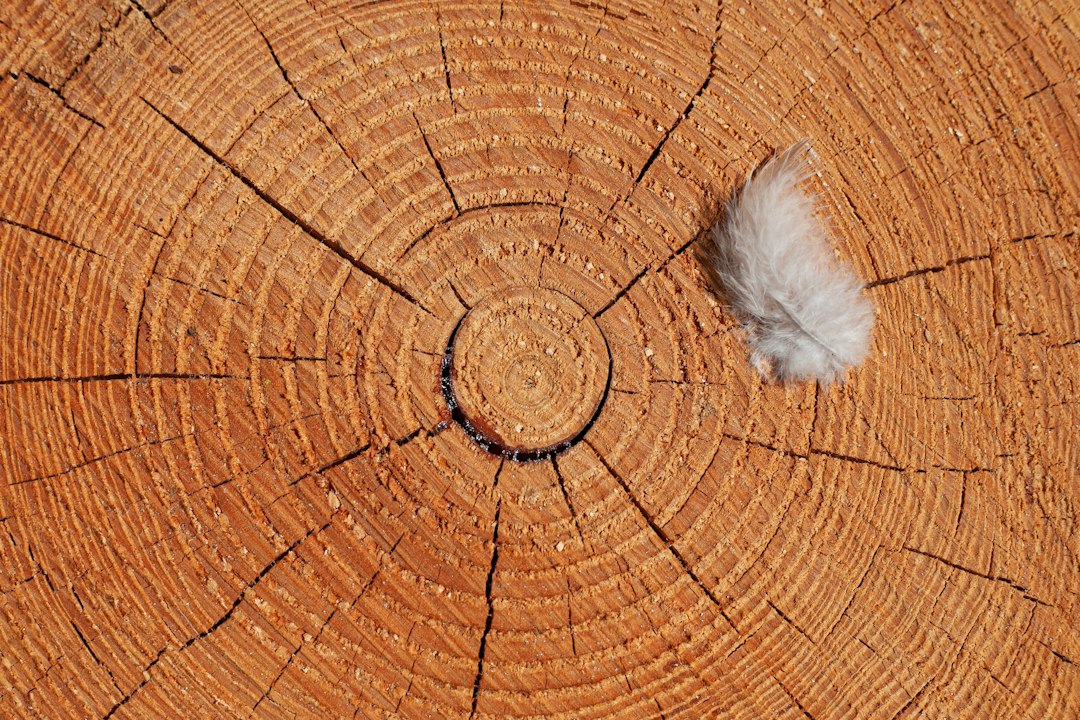
The fundamental principle behind tree ring dating, or dendrochronology, lies in the seasonal growth patterns of trees. In temperate climates, trees typically exhibit two distinct types of wood formation within a single growing season. During the spring and early summer, when water is abundant and conditions are favorable for growth, the tree produces large, thin-walled cells. This creates a lighter-colored, wider band of wood, known as earlywood. As the growing season progresses into late summer and autumn, growth slows, and the tree produces smaller, thicker-walled cells. This results in a darker-colored, narrower band of wood, called latewood. The combination of an earlywood band and a latewood band constitutes a single annual growth ring.
The width of these annual rings is not uniform; it varies significantly depending on the environmental conditions during that specific year. Years with abundant rainfall, favorable temperatures, and sufficient sunlight will lead to wider rings, indicating a good growing season. Conversely, years of drought, extreme temperatures, insect infestations, or other stresses will result in narrower rings, reflecting a less productive year. This variation in ring width creates a unique pattern for each tree, a sort of barcode that encodes the environmental history of its life.
Tree ring dating, also known as dendrochronology, plays a crucial role in understanding the timelines of ancient sites and the environmental conditions that influenced human societies. For a deeper exploration of how archaeological methods, including tree ring analysis, contribute to our understanding of social collapse, you can read the article titled “Unearthing the Archaeology of Social Collapse” available at this link. This article delves into the interplay between climate change and societal decline, highlighting the importance of precise dating techniques in reconstructing historical narratives.
Building Chronologies from Wood’s Whisper
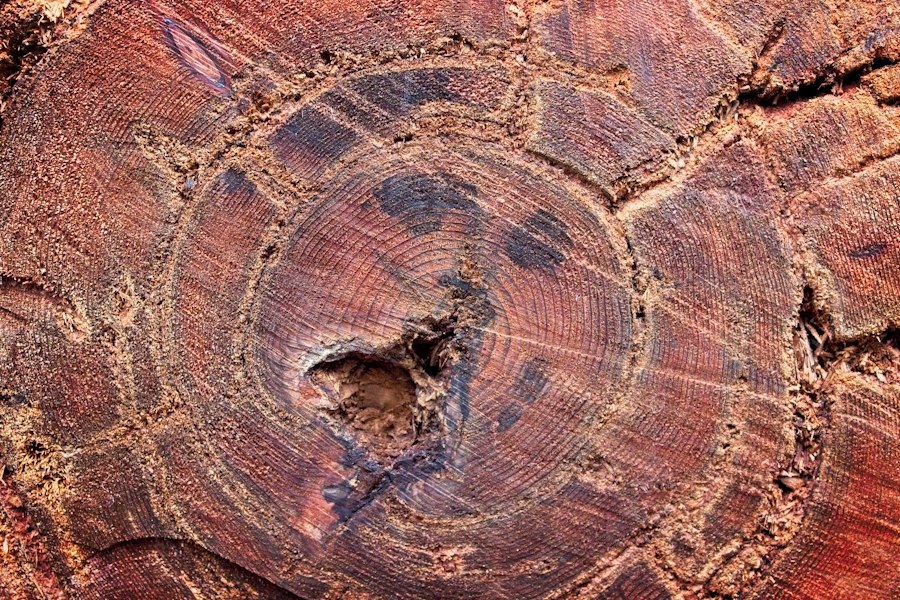
The power of dendrochronology extends far beyond the study of individual trees. By collecting tree ring samples from living trees, dead trees, and even preserved wooden artifacts from ancient sites, scientists can cross-date these patterns. This process involves comparing the ring sequences from different samples to find matching patterns of wide and narrow rings. A wider ring in one sample should correspond to a wider ring in another sample from the same region, assuming both trees experienced similar climatic conditions. This cross-dating allows for the construction of long, continuous tree ring chronologies, which can span thousands of years.
The Art of Cross-Dating: A Detective’s Work
Cross-dating is a meticulous and often challenging process. It requires a deep understanding of tree physiology, regional climate variations, and the potential for missing or false rings. A missing ring occurs when a tree fails to produce a discernible ring in a particular year, often due to severe drought or disease. A false ring can be formed within a single year, typically during periods of unusual weather fluctuations, such as a mid-summer drought followed by a period of renewed growth. Dendrochronologists employ sophisticated statistical methods and visual comparisons to identify these anomalies and ensure the accuracy of their chronologies.
The process begins with the careful collection of core samples from trees. These cores, thin cylinders of wood extending from the bark to the pith (the center of the tree), preserve the entire sequence of annual rings. For archaeological wood, intact timbers or fragments can be analyzed. Once the samples are prepared, they are meticulously measured, and the width of each ring is recorded. This data is then plotted on a graph.
Establishing Master Chronologies: The Foundation of Dating
The key to accurate dating lies in establishing a “master chronology” for a specific region. This master chronology is a composite of the ring patterns from numerous trees, both living and dead, that have been meticulously cross-dated. By extending this master chronology backward in time, scientists can create a reliable timeline of annual growth variations. Once a master chronology is established, a tree ring sample from an archaeological site can be compared to it. If a sufficiently long and distinctive sequence of rings from the archaeological wood matches a section of the master chronology, the age of the wooden artifact can be determined with remarkable precision. Often, the dating can be narrowed down to the specific year the tree was felled, particularly if the outermost ring (the bark or sapwood) is preserved.
Archaeology’s Precise Yardstick: Dating Ancient Structures and Artifacts

The application of tree ring dating to archaeology has been transformative. Before dendrochronology, dating ancient structures and artifacts often relied on less precise methods, such as radiocarbon dating, which has a margin of error, or stylistic analysis, which can be subjective. Tree ring dating provides a level of accuracy that was previously unimaginable, allowing archaeologists to establish firm timelines for human activity, understand the construction phases of buildings, and even trace the origins of traded timber.
Unveiling Construction Timelines: Beyond Radiocarbon’s Reach
One of the most significant contributions of dendrochronology to archaeology is its ability to provide absolute dates for wooden structures. For instance, in the study of ancient dwellings, timber beams, roof supports, and even wooden tools can be sampled. By cross-dating the rings of these timbers with a regional master chronology, archaeologists can determine the precise year or season in which the wood was harvested, and by extension, when the structure was built or modified. This has allowed for the precise dating of everything from Viking longhouses to Roman fortifications and the wooden components of ancient Egyptian tombs.
In cases where radiocarbon dating might have a larger margin of error, or where the organic material is scarce, dendrochronology offers a much finer resolution. It can differentiate between timbers felled in consecutive years, providing a detailed understanding of construction sequences. This is crucial for understanding how ancient societies built their settlements, the speed at which they worked, and whether there were interruptions or phases in construction.
Tracing Timber Origins: The Wooden Trade Routes
Beyond dating construction, dendrochronology can also reveal the origins of the timber used in ancient sites. By analyzing the unique ring patterns of wood found at a site and comparing them to master chronologies from different regions, scientists can determine if the wood was sourced locally or if it was imported from distant forests. This information sheds light on ancient trade networks, resource management practices, and the economic connections between different communities. For example, finding oak timbers in a Roman settlement in Britain that match a master chronology from continental Europe would provide concrete evidence of long-distance timber trade.
Reconstructing Past Climates: Nature’s Meteorological Records
The variations in tree ring widths are not solely a product of human activity; they are profoundly influenced by climatic factors. Rainfall, temperature, and sunlight all play a critical role in a tree’s growth. By analyzing long-term tree ring data, dendrochronologists can reconstruct past climatic conditions with remarkable detail, creating invaluable proxy records of ancient weather patterns.
The Climate Signal in Ring Widths: A Tale of Wet and Dry Years
A wider ring generally indicates favorable growing conditions, often associated with ample rainfall and moderate temperatures. Conversely, a narrower ring can signal periods of drought, extreme heat or cold, or other environmental stresses that limit tree growth. By assembling a master chronology from numerous trees within a region, scientists can identify patterns of exceptionally wide or narrow rings that persist across multiple trees. These patterns can then be correlated with known climatic events in historical records or with instrumental climate data from more recent periods to establish a “climate signal.”
For example, a sequence of consistently narrow rings over several decades might strongly suggest a prolonged period of drought. Conversely, a series of unusually wide rings could indicate a period of abundant precipitation and favorable growing seasons. These reconstructions allow scientists to understand the frequency and severity of past climatic events like droughts, floods, and periods of unusual warmth or cold.
Beyond Annual Averages: Seasonal and Event-Specific Reconstructions
While annual ring width provides a general overview of climatic conditions, more advanced dendrochronological techniques can extract even finer-grained information. By analyzing the density of the latewood or the isotopic composition of the wood, scientists can gain insights into specific aspects of past climates, such as summer temperatures or precipitation amounts. Furthermore, the presence of fire scars within tree rings can provide direct evidence of past wildfires, allowing for the reconstruction of fire regimes and their impact on ecosystems and human populations. These detailed reconstructions are invaluable for understanding long-term climate variability, predicting future climate trends, and assessing the impact of climate change on both natural and human systems.
Tree ring dating, also known as dendrochronology, is a fascinating method used by researchers to date ancient sites and understand historical climate conditions. By analyzing the growth rings of trees, scientists can gain insights into past environmental changes and human activities. For those interested in the broader implications of historical data and its relevance to modern financial strategies, a related article discusses how to safeguard investments during economic uncertainties. You can read more about this topic in the article on protecting your 401k in an economic collapse here.
Beyond Wood: Expanding the Reach of Tree Ring Science
| Metric | Description | Typical Range | Relevance to Tree Ring Dating |
|---|---|---|---|
| Ring Width (mm) | Measurement of the annual growth ring thickness | 0.1 – 5 mm | Indicates environmental conditions and helps match patterns across samples |
| Sample Age (years) | Number of growth rings counted from bark to pith | 50 – 10,000+ | Determines the calendar age of the wood sample |
| Crossdating Accuracy (%) | Percentage confidence in matching ring patterns between samples | 90 – 99% | Ensures precise dating of archaeological wood samples |
| Calibration Period (years) | Time span covered by the master chronology used for comparison | 500 – 12,000 years | Provides reference timeline for dating ancient wood |
| Carbon-14 Dating Correlation | Agreement between tree ring dates and radiocarbon dates | ±10 – 50 years | Validates tree ring dating results with radiocarbon methods |
| Species Used | Common tree species analyzed for dating | Oak, Pine, Cedar, Bristlecone Pine | Species with distinct annual rings improve dating accuracy |
While wood is the most commonly studied material in dendrochronology, the principles of analyzing annual growth patterns can be extended to other biological materials that exhibit seasonal growth. This has opened up new avenues for research, allowing scientists to apply the power of tree ring dating to a wider range of scientific disciplines.
Coral Reefs: The Ocean’s Annual Archives
Corals, like trees, build their skeletons in layers that reflect annual growth cycles. In tropical and subtropical waters, corals deposit calcium carbonate, and the density and chemical composition of these deposits vary with water temperature, salinity, and nutrient availability. By extracting core samples from coral colonies, scientists can create chronologies that record past oceanographic conditions. These coral chronologies can extend back for centuries or even millennia, providing invaluable data on past sea surface temperatures, El Niño-Southern Oscillation (ENSO) events, and changes in ocean circulation. This oceanic “tree ring” data complements terrestrial climate reconstructions, offering a more comprehensive picture of Earth’s climate system.
Ice Cores: Frozen Histories of Atmospheric Conditions
While not strictly “rings,” the annual layering of ice in glaciers and ice sheets also provides a proxy for past environmental conditions. As snow accumulates year after year, it traps air bubbles, dust particles, and chemical compounds from the atmosphere. The density of the ice and the isotopic composition of the water molecules in the ice can vary with temperature. By drilling deep into ice sheets, scientists can extract ice cores that contain a layered record of atmospheric composition and temperature spanning hundreds of thousands of years. These ice cores act as frozen archives, revealing information about past greenhouse gas concentrations, volcanic eruptions, and global climate shifts. While the analysis differs from that of tree rings, the fundamental principle of deciphering annual layers to reconstruct past conditions is shared.
Tree ring dating, also known as dendrochronology, has become an invaluable tool for archaeologists studying ancient sites, as it allows them to accurately date wooden structures and artifacts. This method not only provides insights into the age of these materials but also helps researchers understand historical climate conditions and their impact on human activity. For a deeper exploration of how economic factors can influence archaeological findings, you might find this article on inflation and its potential effects on asset seizure interesting. You can read more about it here.
The Future of Dendrochronology: Interdisciplinary Insights and Technological Advancements
The field of dendrochronology continues to evolve, driven by interdisciplinary collaborations and advancements in technology. As scientists delve deeper into the complexities of tree growth and environmental interactions, new applications and insights are constantly emerging.
Integrating Data for Holistic Understanding: Climate, Ecology, and Human History
The true power of dendrochronology is increasingly realized when its data is integrated with other scientific disciplines. By combining tree ring data with historical climate records, ecological studies, and archaeological findings, researchers can build a more holistic understanding of past environments and human-environment interactions. For example, understanding past drought patterns from tree rings can help archaeologists interpret periods of societal stress or migration at ancient sites. Similarly, ecological studies of forest dynamics can be informed by dendrochronological evidence of past disturbances like fires or insect outbreaks. This interdisciplinary approach allows for more robust conclusions and a deeper appreciation of the interconnectedness of natural and human systems throughout history.
Technological Frontiers: High-Resolution Imaging and AI
Technological advancements are continually enhancing the capabilities of dendrochronology. High-resolution imaging techniques, such as dendro-tomography and X-ray fluorescence, allow for more detailed analysis of wood structure and elemental composition, revealing subtle growth variations and environmental signals previously undetectable. Furthermore, the application of artificial intelligence and machine learning algorithms is revolutionizing the process of cross-dating. These computational tools can rapidly analyze vast datasets of ring patterns, identify matches, and flag potential anomalies, significantly speeding up the chronology building process and improving its accuracy. The ongoing development of these technologies promises to unlock even more secrets from the silent witnesses of time, further enriching our understanding of Earth’s past.
Your 401(k) Withdrawal Can Make More of Your Social Security Taxable
FAQs
What is tree ring dating?
Tree ring dating, also known as dendrochronology, is a method of dating archaeological sites by analyzing the growth rings in trees. Each year, a tree adds a new layer of growth, creating a unique pattern of rings that can be used to determine the age of the tree and the environmental conditions during each year of its life.
How is tree ring dating used to date ancient sites?
By taking core samples from wooden beams, structures, or artifacts found at archaeological sites, researchers can analyze the tree rings to determine the age of the wood. By comparing the pattern of rings in the samples to a master chronology of tree ring patterns, archaeologists can establish the date when the trees were cut down and used in the construction of the site.
What are some advantages of using tree ring dating to date ancient sites?
Tree ring dating provides a precise method of dating archaeological sites, often allowing researchers to determine the exact year when a tree was cut down. This method can also provide information about past climate conditions, such as periods of drought or excessive rainfall, which can help archaeologists understand the environmental context of the site.
Are there any limitations to tree ring dating ancient sites?
One limitation of tree ring dating is that it requires the presence of well-preserved wooden samples at the archaeological site. If no suitable samples are available, tree ring dating cannot be used. Additionally, the method is most effective for dating sites within the last few thousand years, as older wood samples may not have enough surviving rings for accurate dating.
Can tree ring dating be used in combination with other dating methods?
Tree ring dating is often used in conjunction with other dating methods, such as radiocarbon dating, to provide a more comprehensive understanding of the age of an archaeological site. By cross-referencing the results of different dating techniques, researchers can create a more accurate timeline of the site’s history.