The pursuit of tribal enrollment often carries profound personal and cultural significance, offering a connection to heritage, community, and ancestral lands. For many, this journey involves navigating a complex landscape of requirements, and increasingly, genetic testing has emerged as a prominent, though sometimes controversial, element within these processes. Understanding the role and intricacies of tribal enrollment DNA test requirements is crucial for individuals seeking to establish or reaffirm their tribal affiliation. This article delves into the essential aspects of these requirements, providing a comprehensive overview of what prospective enrollees need to know.
Understanding the Landscape of Tribal Enrollment
Tribal enrollment is not a monolithic concept. Each federally recognized Native American tribe is a sovereign nation with the inherent right to determine its own membership criteria. This sovereignty means that the requirements for enrollment can vary significantly from one tribe to another. While some tribes historically relied on direct lineal descent from enrolled members, others have incorporated or adapted criteria to reflect evolving understandings of identity and community. The inclusion of DNA testing, while a modern scientific tool, often fits within these pre-existing frameworks.
The Concept of Tribal Sovereignty and Membership
At the heart of tribal enrollment lies the principle of tribal sovereignty. This means that tribes, as distinct political entities, have the authority to govern themselves, including the power to decide who belongs to their nation. This authority predates the United States and is recognized by federal law. Consequently, a tribe’s constitution or bylaws will outline the specific criteria for membership. These criteria are not dictated by external bodies, including the federal government, although federal recognition is often a prerequisite for a tribe to confer certain rights or benefits.
Historical Approaches to Enrollment
Historically, tribal enrollment was often based on proven lineage through existing tribal rolls or community recognition. This involved demonstrating a direct ancestral connection to individuals who were listed as members of a particular tribe at a specific historical point. These methods, while deeply rooted in tradition, could be challenging for individuals whose family histories were fragmented due to historical events like forced removals, assimilation policies, or incomplete record-keeping.
The Evolving Role of Genetic Testing
In recent decades, genetic testing has become a more common tool in various contexts, including genealogy and, increasingly, tribal enrollment. The advent of direct-to-consumer DNA testing services has made genetic analysis more accessible. However, the application of these services to tribal enrollment is far from straightforward and often requires a nuanced understanding of how genetic data interacts with established tribal criteria. It’s essential to recognize that genetic predisposition alone is rarely the sole determinant for enrollment; it typically serves as a piece of evidence within a broader set of requirements.
In recent discussions surrounding tribal enrollment and the requirements for DNA testing, it is essential to consider the broader implications of identity and heritage. An insightful article that delves into the complexities of identity and the historical context of elite corruption can be found at this link. This piece explores how historical narratives and power dynamics influence contemporary issues, including the criteria for tribal membership and the role of genetic testing in establishing lineage.
Navigating DNA Test Requirements for Tribal Enrollment
The integration of DNA testing into tribal enrollment processes is a multifaceted issue, often influenced by the specific tribe’s governance and historical context. While some tribes may not require DNA testing at all, others may find it a valuable tool to corroborate genealogical claims, particularly when traditional documentation is scarce or ambiguous. It is paramount for any individual considering tribal enrollment to understand the specific requirements of the tribe they wish to join.
When is DNA Testing Typically Required?
DNA testing is not a universal requirement for tribal enrollment. Many tribes still rely solely on traditional genealogical methods, such as proving lineal descent through birth certificates, marriage records, census data, and existing tribal rolls. However, DNA testing may be requested or become a crucial component in several scenarios:
- Absence of Traditional Documentation: When historical records are incomplete, lost, or destroyed, DNA testing can provide scientific evidence of a biological connection to a particular ancestral group. This is especially relevant for individuals whose ancestors may have been displaced or whose family histories have been disrupted.
- Corroborating Genealogical Claims: Even with some documentation, DNA testing can serve as a powerful tool to strengthen and validate genealogical research. It can help confirm suspected familial relationships and provide objective evidence of shared ancestry.
- Specific Tribal Initiatives: Some tribes may initiate or adapt their enrollment policies to include genetic testing as a means of verifying ancestry, particularly if they have established specific genetic markers they associate with their population.
- Resolving Disputed Lineage: In cases where there are doubts or disputes about an individual’s claim to ancestry within a tribe, DNA testing might be employed as a neutral arbiter of biological connection.
Types of DNA Tests Relevant to Tribal Enrollment
Several types of DNA tests exist, each with different applications. For tribal enrollment purposes, the most commonly relevant tests focus on identifying ancestral origins and familial relationships.
- Autosomal DNA Tests (atDNA): These are the most common type of DNA tests offered by direct-to-consumer genetic genealogy companies. Autosomal DNA is inherited from both parents, and it covers the entire genome, providing information about ethnicity estimates and identifying relatives across many generations. For tribal enrollment, atDNA tests can be useful for establishing broad ethnic origins and connecting with distant relatives who might also be enrolled or have known lineage within the tribe.
- Mitochondrial DNA Tests (mtDNA): mtDNA is inherited exclusively from the mother. It traces a direct maternal lineage. While useful for tracing specific maternal lines, mtDNA tests are less useful for overall tribal affiliation as they only represent one branch of ancestry and do not provide information about paternal or broader ancestral connections.
- Y-Chromosome DNA Tests (Y-DNA): Y-DNA is inherited exclusively from the father and is only present in males. It traces a direct paternal lineage. Similar to mtDNA, Y-DNA is limited in scope and primarily useful for tracing a specific paternal line. It is not suitable for establishing overall tribal membership on its own.
The most beneficial tests for tribal enrollment purposes are generally autosomal DNA tests, as they provide the broadest picture of ancestry and the greatest chance of identifying relevant familial connections that align with a tribe’s enrollment criteria.
Understanding Ethnicity Estimates vs. Genetic Ancestry
It is crucial to differentiate between “ethnicity estimates” provided by direct-to-consumer DNA testing companies and actual genetic ancestry relevant to tribal enrollment. Ethnicity estimates typically break down your genetic makeup into broad geographical regions or broad ethnic groups (e.g., “European,” “African,” “Indigenous American”). These estimates are based on reference populations compiled by the testing companies and can be influenced by migration patterns and the limitations of their reference databases.
For tribal enrollment, the focus is rarely on these broad ethnic estimates. Instead, tribes are interested in demonstrating a direct genealogical link to a specific, recognized tribal community. This means proving a biological connection to individuals who are, or were, members of that particular tribe. Genetic testing might identify Indigenous American ancestry, but it does not, by itself, identify a specific tribe. The crucial step is to connect that Indigenous American genetic signature to verifiable ancestral ties within the specific tribe’s membership rolls or historical records.
The Mechanics of Submitting DNA Evidence
Once an individual understands that DNA testing might be a component of their tribal enrollment process, the next logical step is to understand how this evidence is collected, submitted, and utilized. This involves selecting the right testing service, understanding the data formats, and knowing how to present the results effectively to the tribe.
Choosing a Reputable DNA Testing Service
The accuracy and reliability of DNA testing are paramount when submitting evidence for tribal enrollment. It is vital to choose a testing service that uses scientifically sound methodologies and has a good reputation. Key factors to consider include:
- Laboratory Accreditation: Look for laboratories that are accredited by relevant scientific bodies.
- Privacy Policies: Thoroughly review the company’s privacy policy to understand how your genetic data will be stored, used, and protected. Genetic privacy is a significant concern, especially when dealing with sensitive tribal affiliation data.
- Customer Support and Resources: Choose a company that offers comprehensive customer support and educational resources about their testing process and results.
- Focus on Genealogy: For tribal enrollment, services that specialize in genealogical DNA testing and provide tools for connecting with relatives are often more suitable than those focused purely on medical or broad ethnicity insights.
The Process of Sample Collection and Submission
The process typically begins with ordering a DNA testing kit from the chosen service. The kit will contain instructions for collecting a DNA sample, usually through a saliva swab. It is imperative to follow these instructions precisely to ensure the sample’s integrity. Once collected, the sample is mailed back to the testing laboratory for analysis.
After the analysis is complete, the results are typically made available through an online portal. This portal usually includes an ancestry breakdown, a list of DNA matches (relatives who share a certain percentage of DNA with you), and tools for exploring these connections. For tribal enrollment, the raw data generated by the test is often more valuable than the ethnicity estimates. Many tribes will require you to download your raw DNA data and upload it to specific genealogical platforms or submit it directly.
Understanding and Presenting Your Genetic Data
Interpreting genetic data for tribal enrollment can be complex. While companies provide user-friendly interfaces for ethnicity estimates, the raw data contains detailed information about your genetic markers. Tribes may have specific requirements for how this data should be presented:
- Raw Data Files: You will likely need to download your raw DNA data in a standard format (e.g.,
.txtor.csv) from the testing company’s website. - GEDmatch or Similar Platforms: Many tribes require users to upload their raw DNA to platforms like GEDmatch, which allows for more detailed analysis and comparison with other individuals’ DNA data. This is crucial because the tribe might use these platforms to compare your DNA with the DNA of existing enrolled members or historical records.
- Family Tree Integration: The genetic data is most powerful when it can be integrated with a well-researched family tree. You will need to demonstrate a clear genealogical link from yourself to known ancestors of the tribe. Genetic matches can help bridge gaps in your family tree or confirm relationships that are difficult to document through paper records alone.
It is vital to consult the specific enrollment guidelines of the tribe you are applying to, as they will detail the exact procedures for DNA submission and analysis.
Challenges and Considerations in DNA-Based Enrollment
The integration of DNA testing into tribal enrollment is not without its challenges and controversies. Understanding these complexities is essential for individuals navigating this process and for tribal nations seeking to apply these tools equitably and effectively.
Ethical and Cultural Implications
The use of genetic testing raises significant ethical and cultural questions for many Indigenous communities. Concerns include:
- Commodification of Ancestry: Some worry that DNA testing can reduce complex cultural identities to genetic markers, potentially devaluing traditional knowledge and community-based definitions of belonging.
- Historical Trauma and Trust: Many Native American communities have a history of being subjected to scientific research without their consent or benefit. This can create a deep-seated mistrust of genetic testing and its potential misuse.
- Privacy and Data Security: The sensitive nature of genetic information, especially concerning tribal affiliation, raises concerns about privacy breaches and the potential for this data to be used in ways that could be harmful to individuals or the tribe.
- Defining “Tribal” Genetics: The concept of a distinct “tribal” genetic profile is often oversimplified. Human populations are dynamic, and genetic markers can be shared across different groups due to historical migrations and intermarriage. Relying solely on genetic markers without robust genealogical evidence can be misleading.
Limitations of Genetic Testing for Proving Lineage
While DNA testing offers powerful insights, it is not a perfect science, particularly when it comes to proving direct lineal descent for enrollment purposes.
- Ethnicity Estimates are Broad: As mentioned, ethnicity estimates are broad and do not pinpoint specific tribes. They indicate ancestral origins but not necessarily membership in a particular sovereign nation.
- Shared Ancestry is Common: Many individuals may share genetic markers with a particular tribal population due to ancient migrations or historical intermingling. This does not automatically confer membership rights.
- The “1/64th” Rule and Beyond: Many tribes have specific blood quantum requirements or lineal descent rules (e.g., needing to be descended from a person listed on a specific historical roll). DNA testing can indicate biological relation but cannot, by itself, prove a specific fractional blood quantum as defined by tribal law. Genealogical research remains paramount to establish the documented lineage that meets these criteria.
- “Missing” Ancestry: Due to the limitations of current reference populations and the nature of DNA inheritance, genetic testing may not always detect all ancestral connections, especially for very distant or specific ancestral lines.
The Importance of Genealogical Research
For almost all tribal enrollment processes, even those that utilize DNA testing, rigorous genealogical research remains the cornerstone of a successful application. DNA testing is most effective when it serves to supplement and support documented genealogical findings, not replace them.
- Validating Genetic Matches: Genetic matches can help identify potential relatives, but you still need to build a family tree and find documentary evidence (birth certificates, marriage licenses, death certificates, census records) that proves the genealogical connection between you and these matches, and ultimately, to the enrolled ancestors of the tribe.
- Meeting Specific Tribal Criteria: Tribal enrollment often requires proving descent from a person listed on a particular historical roll (e.g., the Dawes Rolls for many Plains tribes). DNA can suggest a connection to the broader Indigenous population, but only genealogical research can prove that specific documented link.
- Understanding Historical Context: Genealogical research provides the historical context that DNA alone cannot. It helps understand the migration patterns, family structures, and historical events that shaped your ancestry and the tribe’s history.
Tribal enrollment often involves complex requirements, including DNA testing to establish lineage and eligibility. For a deeper understanding of how such processes can impact communities, you might find it insightful to read a related article that discusses the broader implications of environmental migration on community dynamics. This article highlights how changes in the environment can affect tribal identities and enrollment practices. You can explore this topic further in the article available here.
Preparing a Comprehensive Enrollment Application
| Tribe | DNA Test Requirement | Additional Enrollment Criteria | Notes |
|---|---|---|---|
| Navajo Nation | Not required | Proof of lineal descent from an enrolled member | Enrollment based on documented genealogy, DNA tests are not accepted |
| Cherokee Nation | Not required | Must prove descent from an ancestor on the Dawes Roll | Enrollment relies on historical records, DNA tests are not considered |
| Oglala Sioux Tribe | Not required | Lineal descent from an enrolled member or documented ancestor | Enrollment based on tribal rolls and genealogy, DNA tests not accepted |
| Oneida Nation | Sometimes requested | Proof of descent and community involvement | DNA tests may be used as supplemental evidence but not sole criteria |
| Choctaw Nation | Not required | Proof of descent from an enrolled member | Enrollment based on documented lineage, DNA tests not accepted |
| Seminole Tribe of Florida | Not required | Proof of descent from an enrolled member | Enrollment based on tribal rolls and genealogy, DNA tests not accepted |
| General Trend | Rarely required | Lineal descent and documented genealogy | Most tribes do not accept DNA tests as proof of enrollment eligibility |
A successful tribal enrollment application is a carefully assembled package of evidence that meticulously demonstrates an individual meets the tribe’s specific membership criteria. When DNA testing is part of this process, it must be integrated seamlessly with other required documentation.
Gathering Essential Genealogical Documentation
The foundation of any tribal enrollment application is robust genealogical documentation. This includes:
- Birth Certificates: For yourself and as many direct ancestors as possible.
- Marriage Certificates: For parents, grandparents, and other relevant ancestors.
- Death Certificates: These can often provide valuable information about parents and spouses.
- Census Records: Federal, state, and local census records can trace family movements and identify family members at specific times. Historical Native American census rolls are particularly important for many tribes.
- Tribal Rolls: If available, copies of historical tribal rolls on which your ancestors are listed are crucial.
- Wills and Probate Records: These can sometimes shed light on family relationships and property inheritance.
- Family Bible Records and Other Personal Documents: While less official, these can offer clues and support for genealogical claims.
Integrating DNA Results with Genealogical Evidence
The most effective way to present DNA evidence is by showing how it corroborates your documented genealogical research.
- Demonstrating Biological Relationships: If your DNA test matches a known enrolled member or an ancestor on your documented family tree, highlight this connection. For instance, if you match a distant cousin who is an enrolled member, and your documented genealogy shows a shared ancestor with that cousin, this strengthens your claim.
- Bridging Documentation Gaps: If you have a documented ancestor but lack birth or marriage records for a subsequent generation, a DNA match to a known descendant of that generation can help support your claim of connection, provided the tribe accepts this as supplementary evidence.
- Understanding Tribal Preferences: Some tribes may ask you to perform DNA tests with specific relatives or upload your data to a shared platform so they can conduct their own analysis and compare it to their existing membership data. Always adhere to their specific instructions.
Understanding the Tribe’s Specific Requirements
This cannot be overstated: each tribe has its unique enrollment criteria. Before embarking on the application process, thoroughly research and understand the specific requirements of the tribe you wish to join. This includes:
- Membership Constitution/Bylaws: Obtain and carefully read the tribe’s governing documents that outline enrollment requirements.
- Blood Quantum Requirements (if applicable): Some tribes have minimum blood quantum requirements, often defined as fractional descent from an enrolled member listed on a specific historical roll.
- Lineal Descent Requirements: Most tribes require proof of direct lineal descent from an enrolled member. The specific ancestor(s) and the documentation needed will vary.
- Residency or Community Participation: Some tribes may also have criteria related to residency on tribal lands or active participation in tribal community life.
- Application Forms and Deadlines: Be aware of the official application forms, submission deadlines, and any associated fees.
By diligently gathering genealogical evidence, understanding how to effectively integrate DNA test results, and meticulously adhering to the specific requirements of the tribe, individuals can significantly enhance their chances of a successful tribal enrollment application. The journey is often one of deep personal discovery and requires patience, perseverance, and a thorough understanding of both ancestral heritage and contemporary tribal governance.
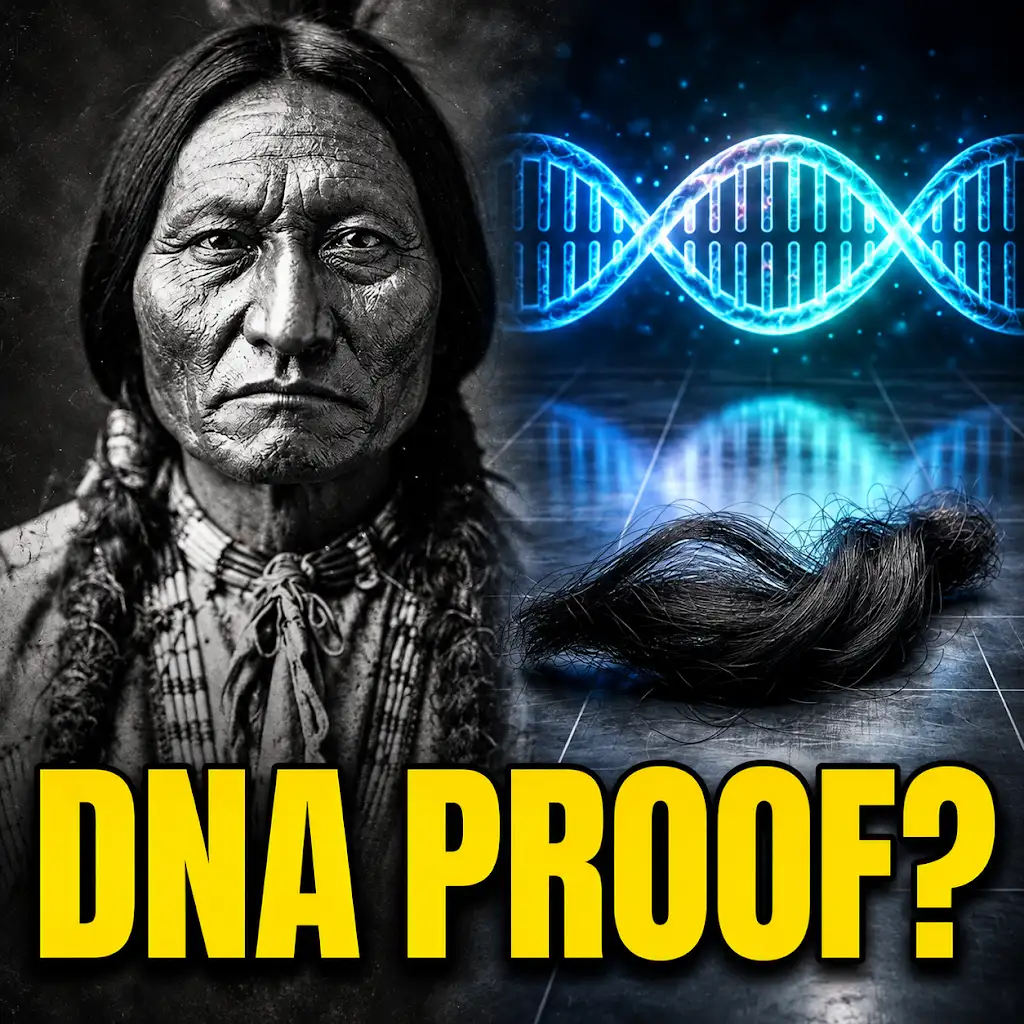
The Sitting Bull DNA Test: What Did It Actually Prove?
FAQs
What is tribal enrollment?
Tribal enrollment is the process by which individuals become officially recognized members of a Native American tribe. This recognition allows them to access tribal benefits, services, and resources.
Why do some tribes require DNA tests for enrollment?
Some tribes require DNA tests as part of their enrollment process to verify a person’s biological relationship to a tribal member. This helps ensure that only individuals with legitimate tribal ancestry are granted membership.
How accurate are DNA tests in determining tribal ancestry?
DNA tests can provide some insight into a person’s genetic ancestry, including potential Native American heritage. However, the results are not always definitive and may vary depending on the testing company and the specific markers analyzed.
Can someone be denied tribal enrollment based on DNA test results?
Yes, individuals can be denied tribal enrollment if their DNA test results do not show a sufficient genetic connection to the tribe. Each tribe has its own specific requirements and criteria for enrollment, which may include a minimum percentage of Native American ancestry.
Are there alternative ways to prove tribal ancestry for enrollment?
Yes, in addition to DNA tests, tribes may accept other forms of documentation to prove tribal ancestry, such as birth certificates, family records, historical documents, or testimonies from other tribal members. It is important to check with the specific tribe for their enrollment requirements.