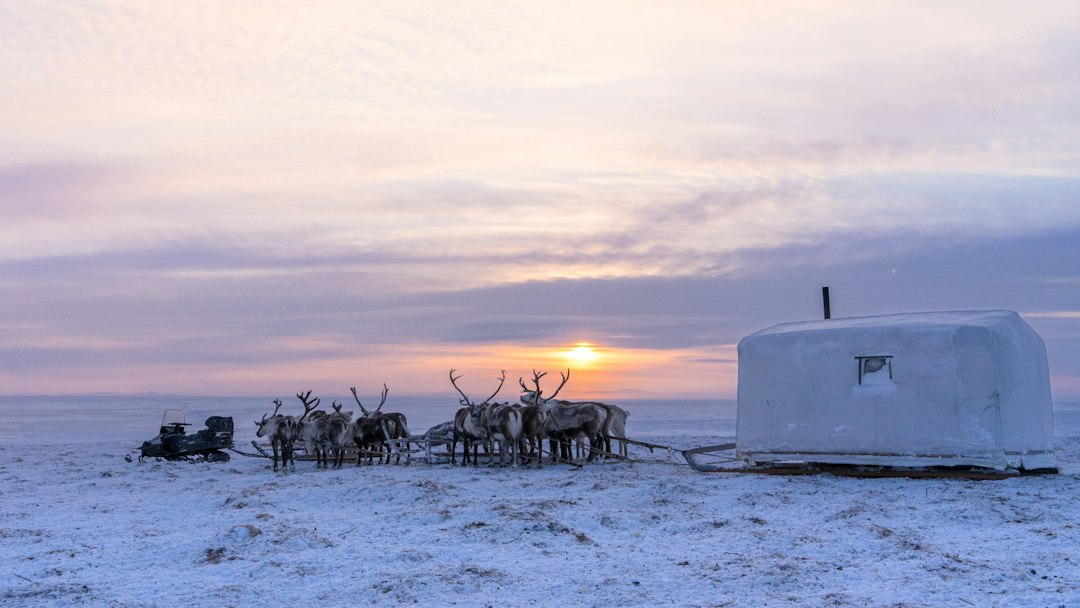
The vast, unforgiving expanse of the Arctic tundra is a realm sculpted by ice and wind, a landscape that has witnessed unimaginable climatic shifts over millennia. For the nomadic reindeer herds, traversing these immense distances is not merely a seasonal routine; it is a biological imperative, a dance with survival dictated by the rhythm of the planet. Recent groundbreaking research has begun to illuminate the intricate and surprisingly stable migration patterns of these iconic Arctic ungulates, tracing their journeys back to the very dawn of the post-Ice Age era. This unveiling of ancient migratory routes, pieced together through a combination of genetic analysis, fossil evidence, and advanced computational modeling, offers a profound glimpse into the resilience and adaptive strategies of a species intimately connected to its frozen homeland.
Echoes of the Past: Unraveling Ancient Tundra Journeys
The story of reindeer migration is inextricably linked to the dramatic geological and climatic transformations that have shaped the Arctic. As the colossal ice sheets retreated following the last glacial maximum, a nascent tundra emerged, initially a stark and challenging environment. It is within this nascent landscape that the foundational patterns of reindeer movement were laid down, patterns that, remarkably, persist in many ways to this day. Scientists have long been fascinated by the sheer scale and predictability of these migrations, recognizing them as a vital ecological process that shapes plant communities, influences predator-prey dynamics, and underpins the very existence of Arctic ecosystems. The challenge, however, has been to peer back through the mists of time and reconstruct these ancient pathways with any degree of certainty.
The Ice Age Legacy: A Foundation for Movement
The period immediately following the Last Glacial Maximum, roughly 11,700 years ago, was a critical juncture. As the ice receded, vast tracts of land became exposed, offering new foraging grounds and corridors for dispersal. Reindeer, with their remarkable adaptability to cold climates and their ability to extract nutrients from lichen and other hardy vegetation, were among the first large herbivores to colonize these newly available territories. Their migratory behaviors, honed by the harsh realities of glacial and periglacial environments, likely involved following predictable seasonal shifts in food availability and seeking out areas free from deep snow cover, which could impede access to forage. These initial movements were not just about finding food; they were also about finding mates, avoiding predation, and ensuring the continuation of the species in a constantly changing world. The earliest migratory routes, therefore, represent the bedrock upon which subsequent patterns were built.
The Persistence of Pathways: Genetics as a Time Capsule
One of the most powerful tools in unraveling ancient migration patterns has been the analysis of reindeer DNA. By comparing the genetic makeup of modern reindeer populations across the Arctic, scientists can infer ancestral relationships and, crucially, trace gene flow. Gene flow occurs when individuals from different populations interbreed, carrying genetic material with them. Long-distance, consistent migration between populations over millennia will lead to a more homogeneous genetic landscape. Conversely, isolated populations will diverge genetically. Studies have revealed surprisingly high levels of genetic connectivity across vast distances, suggesting that certain migratory corridors have remained open and utilized by reindeer for thousands of years. These genetic “signatures” act as a living archive, whispering tales of ancient journeys and the interconnectedness of Arctic landscapes. The relative lack of genetic divergence in many long-distance migratory populations points to a remarkable continuity in their movements.
Fossil Clues and Landscape Reconstruction
Complementing genetic insights, paleontological discoveries and meticulous landscape reconstructions provide crucial corroborating evidence. The identification of reindeer bones in ancient middens and archeological sites, often found in specific geographical locations, can pinpoint areas of seasonal congregation and movement. Furthermore, understanding the paleogeography of the post-Ice Age Arctic—how coastlines shifted, river systems evolved, and vegetation zones migrated—is essential for interpreting where reindeer could have traveled. For instance, the discovery of reindeer remains in areas that were once connected land bridges or traversable river valleys offers tangible proof of ancient migratory pathways. These physical remains, buried in the permafrost or unearthed by geological processes, are silent witnesses to the migratory endeavors of their ancestors.
The migration patterns of tundra reindeer during the Ice Age provide fascinating insights into how climate change has historically influenced animal behavior and ecosystems. Understanding these patterns can also shed light on contemporary issues, such as how modern environmental changes affect wildlife. For a broader perspective on how shifts in global dynamics can impact various sectors, you might find the article on the impact of nearshoring on global trade frameworks interesting. You can read it here: The Impact of Nearshoring on Global Trade Frameworks.
Navigating the North: Core Principles of Reindeer Movement

The enduring nature of reindeer migration patterns is not a matter of blind instinct alone; it is a complex interplay of environmental cues, physiological adaptations, and learned behaviors, refined over countless generations. These core principles, established in the post-Ice Age era, continue to guide the herds across the immense Arctic canvas, ensuring their survival against the backdrop of seasonal extremes. The remarkable consistency in their routes speaks volumes about the predictable, albeit harsh, nature of the Arctic environment and the finely tuned survival strategies that reindeer have developed.
The Imperative of Forage: Following the Green Wave
At the heart of reindeer migration lies the relentless pursuit of sustenance. The Arctic tundra is characterized by extreme seasonality, with a short, intense growing season and long periods of deep snow cover. Reindeer must move to find fresh pastures, particularly the nutrient-rich lichens and grasses that emerge with the spring thaw. Their migrations are often described as following the “green wave,” a metaphor for the advancing bloom of vegetation from south to north in the spring and its subsequent retreat in the autumn. This nomadic lifestyle allows them to exploit ephemeral food sources, moving on before a particular area is overgrazed or its resources depleted. The precise timing and direction of these movements are dictated by the subtle shifts in temperature, snowmelt, and daylight hours that signal the availability of food.
Escape from the Elements: Seeking Refuge and Breeding Grounds
Beyond the search for food, migration also serves as a critical strategy for escaping the harshest elements. During the brutal Arctic winters, deep snow can make foraging extremely difficult and increase the risk of predation. Reindeer often migrate to areas with thinner snow cover, such as windswept ridges or coastal plains, where they can access food. Conversely, the calving grounds, typically established in the spring, are often chosen for their relative safety from predators and the abundance of fresh, nutritious forage needed by mothers and their vulnerable young. These calving grounds, often located in specific, predictable locations, are vital ancestral sites that have been used for millennia, ensuring a higher chance of survival for the next generation.
The Power of Social Learning and Tradition
While genetics lays the groundwork, the transmission of knowledge from one generation to the next plays a crucial role in maintaining and refining migration routes. Young reindeer learn the intricate pathways and seasonal destinations by following their mothers and the wider herd. This social learning embeds tradition within the migratory cycle. Experienced individuals, with their accumulated knowledge of the landscape, the location of safe passage, and the timing of food availability, are invaluable guides. This cultural transmission, passed down through observation and imitation, ensures that the wisdom of past migrations is not lost, contributing to the remarkable stability of these ancient routes over vast stretches of time. It is this blend of innate drive and learned behavior that allows the herds to navigate with such precision.
Corridors of Connectivity: Enduring Pathways Through Time
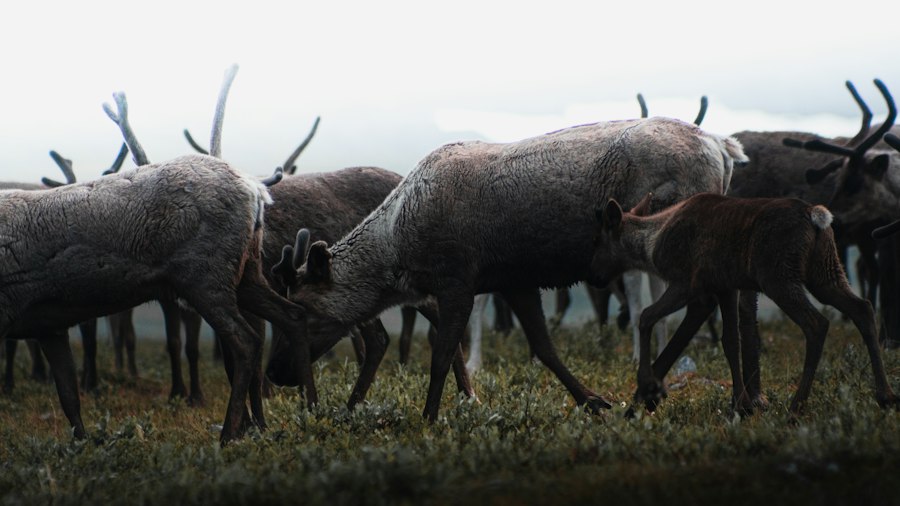
The research has illuminated not just the existence of reindeer migrations but also the remarkable persistence of specific migratory corridors. These ancient pathways, carved by the movements of countless generations, have remained surprisingly consistent, acting as vital arteries that connect disparate regions of the Arctic. The resilience of these corridors speaks to the deep-seated ecological and geographical factors that have guided reindeer behavior since the end of the Ice Age.
Bridging the Tundra Divide: Key Geographical Linkages
Certain geographical features have demonstrably served as pivotal bottlenecks and conduits for reindeer migration for millennia. These can include broad river valleys, mountain passes, and coastal plains. For example, ancient river systems that were navigable in warmer periods, or are still traversable today as ice bridges, would have provided efficient routes for herds to move between foraging grounds. Similarly, the presence of mountain ranges may have channeled migration along predictable routes, avoiding difficult terrain. The identification of consistent patterns of reindeer bone deposition in certain valleys or at the foot of specific mountain ranges provides strong archeological support for these enduring corridors of connectivity.
The Role of Refugia: Safe Havens in a Changing World
During periods of climatic upheaval or increased environmental stress, certain areas have likely served as vital refugia for reindeer populations. These are areas that, despite broader regional changes, have maintained conditions suitable for survival and reproduction. The migratory routes often connect these refugia, allowing populations to move between them as conditions fluctuate. The consistent use of these refugia over thousands of years has, in turn, reinforced the migratory pathways that link them. Genetic studies can often identify pockets of genetic distinctiveness that may correspond to historical refugia, further validating the importance of these areas in maintaining migratory continuity.
Evidence from the Tundra Floor: Subfossil Remains and Trackways
The direct physical evidence of ancient migration is often found embedded within the tundra itself. The study of subfossil reindeer remains, particularly those found in stratified layers of sediment, can reveal chronological patterns of movement. If similar types of reindeer, suggesting a consistent population, are found repeatedly in the same geographical locations across different time periods, it strongly indicates the use of recurring migratory routes. While direct trackways from thousands of years ago are exceedingly rare, the patterns of skeletal distribution, combined with archeological evidence of human hunting sites strategically located along potential migration routes, can offer compelling indirect proof of their ancient pathways.
Modern Echoes: Continuity and Change in Tundra Migrations
While the overarching framework of reindeer migration has demonstrated remarkable continuity since the Ice Age, the modern era has introduced new dynamics. Understanding these contemporary influences is crucial for appreciating how these ancient patterns are adapting and potentially being reshaped by a rapidly changing Arctic. The deep historical context provides a vital baseline against which to assess the impacts of human activity and climate change.
The Impact of Climate Change: Shifting Seasons and Foraging Challenges
The accelerated warming of the Arctic is having a profound impact on reindeer migration. Changes in snowmelt patterns, the timing of plant growth, and the frequency of extreme weather events are all influencing foraging conditions and the predictability of migratory cues. For instance, earlier thaws might lead to a mismatch between the arrival of reindeer and the peak nutritional value of certain plants. Increased rain-on-snow events can create impenetrable ice layers, blocking access to essential winter forage and forcing herds to deviate from traditional routes or face starvation. These climatic shifts are a significant challenge to the finely tuned migratory behaviors that have been established over millennia.
Human Influence: Infrastructure and Land Use Pressures
Human activities, including the development of infrastructure such as roads, pipelines, and industrial sites, can create significant barriers and disturbances to traditional reindeer migration routes. These linear features can fragment habitats, impede movement, and increase the risk of accidents. Increased human presence and associated noise and activity can also disrupt the natural behaviors of the herds, potentially leading to avoidance of crucial areas. The cumulative impact of these human-induced pressures adds another layer of complexity to understanding the future of reindeer migration. Balancing the needs of conservation with development in the Arctic is a critical challenge.
Conservation Efforts and the Future of Migration
Recognizing the importance of these ancient migratory patterns for the health of Arctic ecosystems, conservation efforts are increasingly focused on maintaining the integrity of migratory corridors and protecting critical habitats. This includes strategies such as minimizing infrastructure impacts, managing land use to avoid fragmentation, and working with indigenous communities, who have long coexisted with and understood the rhythms of reindeer migration. The long-term viability of these iconic journeys hinges on our ability to understand and respect the deep historical connections that have shaped them, ensuring that these echoes of the past can continue to resonate in the future.
The fascinating migration patterns of tundra reindeer during the Ice Age provide valuable insights into how these animals adapted to their harsh environment. Researchers have uncovered evidence that suggests these migrations were not only crucial for survival but also played a significant role in shaping the ecosystems of the time. For those interested in exploring how ancient civilizations interacted with their environment, a related article can be found here, which delves into the wonders of the ancient world and their connection to natural landscapes. Understanding these relationships can deepen our appreciation for both historical and ecological narratives.
The Evolutionary Tapestry: Reindeer Resilience and Adaptation
| Metric | Value | Unit | Description |
|---|---|---|---|
| Migration Distance | 500-1000 | km | Typical annual migration range of tundra reindeer |
| Migration Period | Spring & Autumn | Seasons | Times of year when tundra reindeer migrate |
| Ice Age Timeline | 2.58 million – 11,700 | Years ago | Duration of the last Ice Age (Pleistocene epoch) |
| Reindeer Population During Ice Age | High | Qualitative | Population levels supported by tundra expansion during Ice Age |
| Primary Migration Drivers | Food availability, Seasonal climate | Factors | Main reasons for tundra reindeer migration patterns |
| Ice Coverage Extent | ~30% | Earth’s surface | Approximate global ice coverage during the Last Glacial Maximum |
| Reindeer Adaptations | Thick fur, Hoof structure | Traits | Physical adaptations aiding survival and migration in Ice Age tundra |
The story of reindeer migration patterns since the Ice Age is not just a narrative of geography and seasons; it is a testament to the extraordinary evolutionary resilience and adaptive capacity of a species deeply entwined with the Arctic environment. The stability of their migratory routes, stretching back thousands of years, underscores a biological blueprint finely tuned to the challenges and opportunities of their frozen domain. This enduring legacy offers valuable insights into the processes of adaptation and the intricate relationships between species and their habitats.
A Symphony of Adaptation: Physiological and Behavioral Innovations
Over millennia, reindeer have evolved a remarkable suite of adaptations that facilitate their nomadic lifestyle. Their dense, insulating fur, broad hooves that provide traction on snow and soft ground, and a specialized digestive system capable of extracting nutrients from lichen are all critical for survival in the Arctic. Behaviorally, their capacity for long-distance travel, their ability to navigate vast, featureless landscapes, and their social structures that support coordinated movement are equally vital. The consistency of their migratory patterns suggests that these adaptive traits have been honed and refined through natural selection, favoring individuals and populations best equipped to undertake these arduous journeys.
The Interconnectedness of Arctic Ecosystems
The enduring migratory patterns of reindeer are not isolated phenomena; they are central to the functioning of the entire Arctic ecosystem. As they traverse the landscape, reindeer influence plant communities through grazing and seed dispersal. Their movements also shape predator-prey dynamics, providing a food source for wolves, bears, and other carnivores. Furthermore, their activity in the soil can play a role in nutrient cycling. The stability of their ancient migration routes, therefore, contributes to the overall stability and resilience of these fragile Arctic environments. Any disruption to these patterns has cascading effects throughout the food web.
Lessons for a Warming World: Learning from Ancient Adaptations
The study of reindeer migration patterns offers profound lessons for understanding adaptation in a rapidly changing world. The long-term stability of their routes, despite significant climatic shifts throughout the Holocene, highlights the power of gradual adaptation and the importance of understanding the deep historical context of ecological processes. As scientists strive to predict and mitigate the impacts of climate change on biodiversity, the case of the Arctic reindeer provides a compelling example of a species that has historically demonstrated remarkable flexibility and persistence in the face of environmental flux. Their ancient journeys serve as a reminder of the deep ecological wisdom embedded in long-established life cycles.