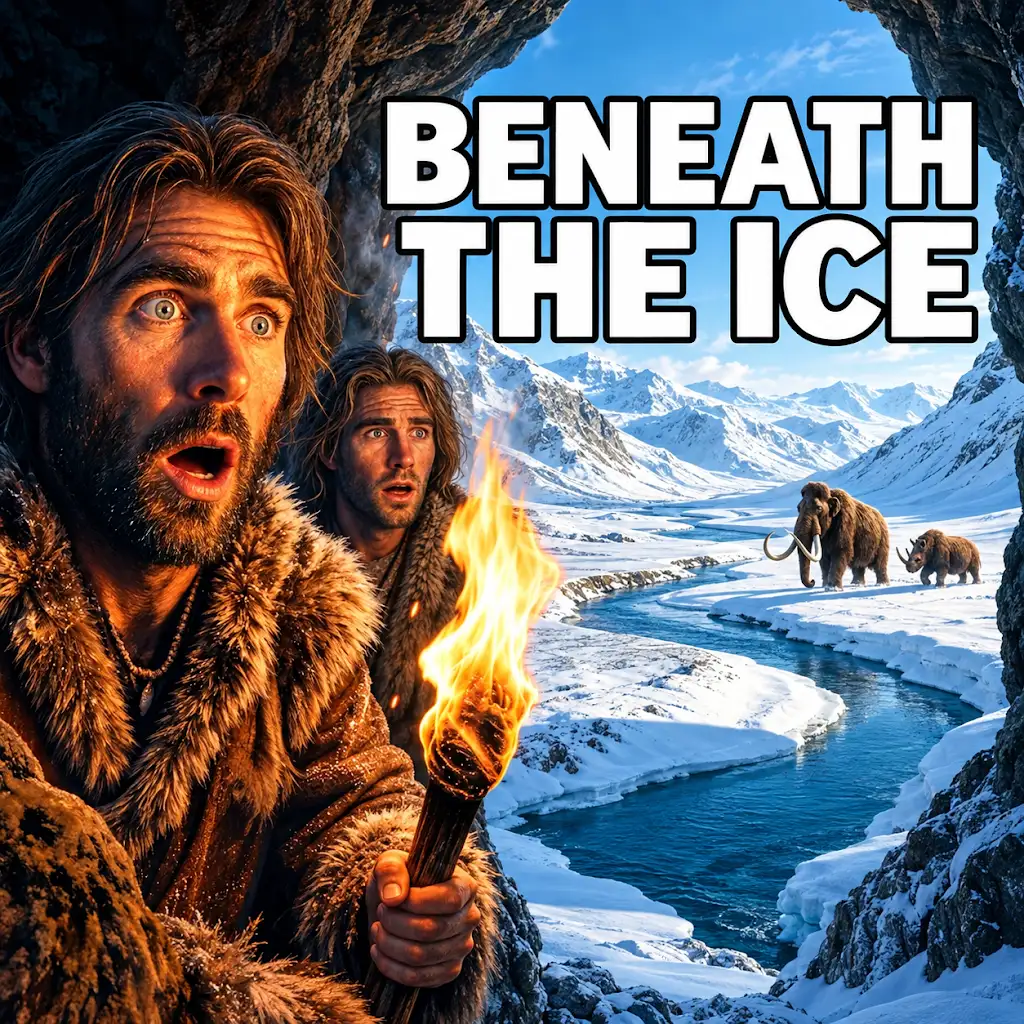
The chilling winds of prehistory sweep across the screen, not in a mere historical recreation, but in a visceral, unvarnished glimpse into the raw struggle for existence. The documentary, “Ultimate Ice Age Fight to Survive: Epic Documentary Reveal,” promises an unflinching look at the planet’s most formidable period, a time when survival was not a given, but a desperate, relentless battle against a world frozen solid. This groundbreaking production eschews dry academic narration for a dynamic, immersive experience, bringing to life the immense challenges faced by early hominins and the megafauna that shared their unforgiving landscape. It’s a story of ingenuity, resilience, and the sheer tenacity of life in the face of overwhelming adversity.
The documentary delves deep into the scientific understanding of the Pleistocene epoch, a period defined by repeated glaciations that reshaped continents and tested the limits of every living organism. Through cutting-edge CGI, meticulously researched reconstructions, and expert interviews with leading paleoclimatologists, paleoanthropologists, and zoologists, “Ultimate Ice Age Fight to Survive” paints a vivid picture of a world dramatically different from our own. It explores the cycles of ice ages, the profound impact of falling temperatures, and the constant, gnawing threat of starvation and predation. The narrative masterfully weaves together the evolutionary journey of our ancestors with the ecological dramas unfolding around them, revealing how their very survival was inextricably linked to the dynamic and often brutal environment they inhabited.
The Frozen Crucible: Life Under the Glacial Grip
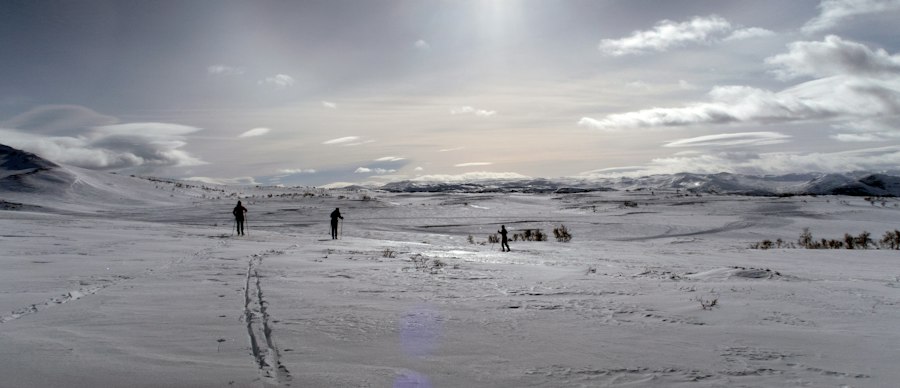
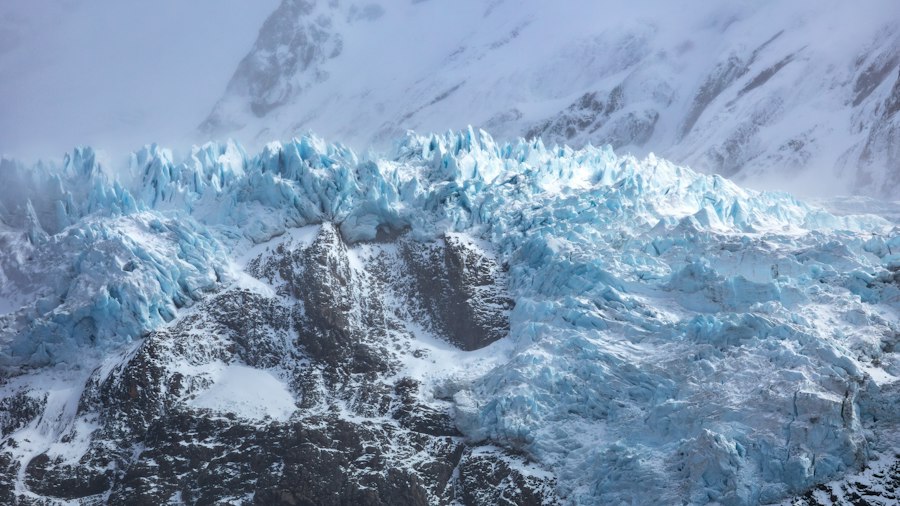
The opening acts of “Ultimate Ice Age Fight to Survive” immediately plunge the viewer into the heart of the glacial period, establishing the sheer scale of environmental challenge. The documentary meticulously details the impact of massive ice sheets, their slow, inexorable advance and retreat, and the drastic climatic shifts that accompanied them. It is not simply about cold; it is about a world transformed, where familiar landscapes were buried under kilometers of ice, rivers froze solid, and seasons became extreme, with long, brutal winters and short, fleeting summers.
The Unrelenting Cold and its Consequences
The film dedicates significant attention to the physiological and behavioral adaptations required to endure such extreme cold. It illustrates how early hominins, lacking the sophisticated clothing and shelter we take for granted, had to rely on their innate biological capabilities and learned behaviors. Viewers are shown detailed reconstructions of how they would have sought and utilized natural shelters, such as caves and overhangs, and the constant effort involved in maintaining body heat through fire. The documentary emphasizes the precariousness of these efforts, where a moment of carelessness or a failure to secure fuel could have dire consequences. The narrative highlights the development of early forms of insulation, such as animal hides and furs, and the meticulous, time-consuming process of their preparation. The stark reality of hypothermia is presented not as a distant scientific concept, but as an immediate, life-threatening danger that was a constant companion for these early humans.
Shifting Landscapes and Scarce Resources
Beyond the immediate threat of cold, the documentary emphasizes the dramatic alterations to the landscape and the subsequent scarcity of resources. As glaciers advanced, vast swathes of land were rendered uninhabitable, forcing migration and competition for the remaining fertile areas. The film showcases the impact on flora and fauna, detailing how entire ecosystems were pushed to their limits or collapsed altogether. The documentary explores the reduced availability of plant-based food sources during prolonged cold periods and the increased reliance on animal protein. This forced a shift in hunting strategies and an increased risk of encountering dangerous prey. The constant search for water, often frozen or inaccessible, is also depicted as a daily struggle. The film underscores that the Ice Age was not a static environment but a constantly shifting battlefield, where success depended on an intimate understanding of the land and its fleeting bounty.
In the context of the ultimate ice age fight for survival, the documentary sheds light on the resilience and adaptability of ancient civilizations. For a deeper exploration of how ancient knowledge has shaped our understanding of survival techniques, you can read the related article titled “Guardians of Ancient Knowledge: Who Holds the Keys?” which delves into the wisdom passed down through generations. This article can be found at Guardians of Ancient Knowledge: Who Holds the Keys?.
Masters of the Hunt: Prehistoric Predators and Prey
The “Ultimate Ice Age Fight to Survive” exhibition is as much about the magnificent and terrifying creatures that roamed the frozen plains as it is about the humans who navigated this world. The documentary brings to life the megafauna, animals of colossal size and power that were both a crucial source of sustenance and a formidable threat.
The Giants of the Pleistocene
Audiences are treated to breathtaking CGI renderings of iconic Ice Age animals. Woolly mammoths, with their shaggy coats and immense tusks, are depicted in their natural habitat, illustrating their social structures and migratory patterns. Saber-toothed cats, with their signature elongated canines, are shown in their predatory prowess, hunting swift-footed prey like ancient horses and bison. The documentary also features other impressive creatures such as woolly rhinos, cave bears, and giant ground sloths, providing viewers with a rare and awe-inspiring glimpse into a lost world of giants. The scale and power of these animals are emphasized, highlighting the immense courage and skill required for early humans to hunt them.
The Human Edge: Strategy and Collaboration
The documentary meticulously analyzes the hunting strategies employed by early hominins. It moves beyond the simplistic image of a lone hunter with a spear, revealing the complex planning, coordination, and knowledge required for successful hunts. Viewers witness detailed reconstructions of communal hunts, where large groups of individuals worked together to track, corner, and bring down massive prey. The film explores the development of specialized tools, such as sharpened stone points and hafted spears, which increased their hunting efficacy. Furthermore, “Ultimate Ice Age Fight to Survive” highlights the importance of intelligence and adaptability. It discusses how early humans used their understanding of animal behavior, terrain, and weather to their advantage, exploiting weaknesses and anticipating movements. The documentary presents these hunting expeditions not just as acts of survival, but as sophisticated exercises in applied science and social organization.
The Constant Threat: A Predator’s World
However, the documentary does not shy away from the fact that early humans were not always the apex predators. They were also prey. The film showcases the ever-present danger posed by the large carnivores of the Ice Age. Saber-toothed cats, cave lions, and dire wolves are depicted as constant threats, actively hunting humans when opportunities arose. The documentary explores the defensive strategies employed by early humans, such as group vigilance, the use of fire as a deterrent, and the fortification of their living spaces. It emphasizes that survival was a two-way street, a perpetual cat-and-mouse game played out on a grand, prehistoric scale. The constant threat of predation undoubtedly played a significant role in shaping human behavior, fostering social bonds and promoting cooperation for mutual defense.
Innovations in the Ice: The Dawn of Human Ingenuity
The “Ultimate Ice Age Fight to Survive” documentary brilliantly showcases the remarkable ingenuity that allowed our ancestors to not only survive but to thrive in the harsh conditions of the Ice Age. It is a testament to the power of human innovation, demonstrating how the challenges of the era spurred the development of crucial technologies and cultural practices.
Tools of Survival: From Stone to Bone
The film dedicates significant segments to the evolution of toolmaking. Viewers witness the painstaking process of knapping stone to create sharp edges for cutting, scraping, and piercing. The documentary traces the development from simple hand axes to more sophisticated Mousterian and Upper Paleolithic tools, including projectile points, scrapers for processing hides, and burins for carving bone and antler. Beyond stone, the documentary highlights the utilization of bone, ivory, and antler to craft tools and weapons, showcasing the versatility of available materials. The development of hafting, the process of attaching stone points to wooden shafts, is presented as a revolutionary advancement, significantly increasing the range and power of thrown weapons. The meticulous detail in these reconstructions allows viewers to appreciate the skill and knowledge embedded in each carefully crafted artifact.
Mastering Fire: Warmth, Light, and Defense
The control of fire is presented as perhaps the most pivotal innovation of the Ice Age. “Ultimate Ice Age Fight to Survive” illustrates how fire provided essential warmth in sub-zero temperatures, enabling humans to survive in otherwise uninhabitable regions. It also served as a vital source of light, extending the usable hours of the day and offering protection against nocturnal predators. The documentary explores the complex process of fire starting and maintenance, highlighting the constant effort required to keep a fire alive, especially during harsh weather conditions. The film also discusses how fire was used for cooking, making food more digestible and safer, and for shaping tools and weapons. The ability to control and utilize fire fundamentally transformed the human experience, providing a crucial advantage in the struggle for survival.
The Birth of Art and Symbolism
Perhaps one of the most surprising revelations within “Ultimate Ice Age Fight to Survive” is the emergence of early art and symbolic expression. The documentary showcases stunning recreations of cave paintings, such as those found in Chauvet and Lascaux, depicting the animals that were central to their lives and the symbolic representations that hint at their developing cognitive abilities. The intricate carvings on bone and ivory, the ornamentation of tools, and the burial practices of early humans are all presented as evidence of a burgeoning capacity for abstract thought, ritual, and a desire to communicate beyond the immediate needs of survival. This artistic and symbolic output suggests a growing complexity in human consciousness, a shift from mere existence to a more nuanced understanding of their world and their place within it.
Environmental Shifts and Extinction Events: The Great Turnover
The narrative of “Ultimate Ice Age Fight to Survive” extends beyond human adaptation to encompass the dramatic environmental changes that shaped the planet and led to the extinction of many of its magnificent inhabitants. The documentary emphasizes that the Ice Age was a period of immense ecological upheaval, a crucible that forged new life forms while extinguishing others.
The Cycles of Glaciation and Deglaciation
The film provides a clear and accessible explanation of the glacial and interglacial cycles that characterized the Pleistocene. Viewers learn about the Milankovitch cycles, the long-term variations in Earth’s orbit and axial tilt, which are the primary drivers of these climatic shifts. The documentary illustrates how the advance of massive ice sheets dramatically lowered global sea levels, exposed new land bridges, and altered ocean currents. Conversely, the retreat of glaciers during interglacial periods led to rising sea levels, the formation of new coastlines, and a warming climate that allowed for the expansion of forests and other ecosystems. The dramatic and often rapid nature of these shifts is emphasized, highlighting the constant pressure on species to adapt or perish.
The Mystery of Megafaunal Extinction
A significant portion of the documentary is dedicated to exploring the complex phenomenon of the Pleistocene megafaunal extinction. The film presents the leading scientific theories, including the impact of climate change and the role of human hunting. It discusses how rapid warming at the end of the last glacial period may have stressed animal populations, altering their food sources and habitats. Simultaneously, the documentary examines the “overkill hypothesis,” the idea that human hunters, with their increasingly sophisticated tools and cooperative strategies, may have contributed to the decline and eventual extinction of many large mammal species. The film avoids presenting a single definitive answer, instead highlighting the ongoing scientific debate and the likelihood that a combination of factors played a role in this monumental loss of biodiversity. The scale of this extinction is emphasized, illustrating the profound impact it had on the planet’s ecosystems and its long-term consequences for life on Earth.
The Resilience of Life: Survivors and New Beginnings
Despite the widespread extinctions, “Ultimate Ice Age Fight to Survive” also celebrates the remarkable resilience of life. The documentary highlights species that managed to endure these challenging times, adapting to the changing environments and continuing their evolutionary journeys. It points to the ancestors of modern animals and plants that survived the harsh conditions, demonstrating the inherent ability of life to persist and regenerate. Furthermore, the film touches upon how the ecological vacuum created by the extinctions paved the way for the rise of new species and the diversification of life in the post-Ice Age world. The enduring legacy of the Ice Age, therefore, is not solely one of loss, but also one of adaptation, survival, and the ongoing, dynamic process of evolution.
In the gripping documentary “Ultimate Ice Age: Fight to Survive,” viewers are taken on a journey through the harsh realities faced by ancient creatures as they navigate a world dominated by ice and extreme conditions. This exploration of survival is particularly relevant in light of current environmental challenges, such as those discussed in a related article about how Antarctica’s melting ice caps are threatening sea level rise. For more insights on this pressing issue, you can read the article here. The connection between past and present highlights the ongoing struggle for survival in a rapidly changing climate.
Lessons from the Frozen Frontier: Echoes in the Modern World
| Metric | Value | Description |
|---|---|---|
| Title | Ultimate Ice Age: Fight to Survive | Name of the documentary |
| Duration | 60 minutes | Total runtime of the documentary |
| Release Year | 2023 | Year the documentary was released |
| Genre | Nature, History, Survival | Categories describing the documentary |
| IMDB Rating | 7.8/10 | User rating on IMDB |
| Number of Species Featured | 15 | Count of different animal species shown |
| Filming Locations | Arctic, Siberia, North America | Primary locations where footage was captured |
| Production Company | NatureDocs Studios | Company responsible for producing the documentary |
| Viewer Age Rating | PG | Recommended viewer age group |
The “Ultimate Ice Age Fight to Survive: Epic Documentary Reveal” is more than just a historical spectacle; it offers profound insights and crucial lessons that resonate with our contemporary world. The documentary masterfully draws parallels between the struggles of our Ice Age ancestors and the challenges humanity faces today, urging viewers to consider the enduring principles of adaptation, resilience, and responsible stewardship.
The Human Capacity for Adaptation and Innovation
The documentary provides compelling evidence of humanity’s extraordinary capacity for adaptation and innovation in the face of overwhelming environmental pressures. It showcases how early humans, through ingenuity and collaboration, not only survived but fundamentally shaped their world. This narrative serves as a powerful reminder that when faced with significant challenges, human creativity and problem-solving abilities can lead to remarkable breakthroughs. The film encourages viewers to reflect on their own capacity to adapt to changing environmental conditions, technological shifts, and societal transformations, emphasizing the importance of continuous learning and inventive thinking. The lessons learned from mastering fire, developing sophisticated tools, and understanding ecological patterns are directly applicable to tackling modern issues such as climate change, resource management, and sustainable development.
The Interconnectedness of Life and Environment
“Ultimate Ice Age Fight to Survive” powerfully illustrates the profound interconnectedness of all living things and their environment. The documentary demonstrates how the survival of early humans was inextricably linked to the health and stability of their ecosystems, and how environmental shifts directly impacted their lives. This serves as a critical reminder of our own dependence on the natural world. As humanity grapples with the consequences of climate change, biodiversity loss, and pollution, the film’s depiction of past ecological collapses and extinctions offers a stark warning. It underscores the urgent need for greater ecological awareness, conservation efforts, and a commitment to living in harmony with the planet, recognizing that our own future is contingent upon the health of the global environment.
The Enduring Spirit of Survival and Cooperation
Finally, the documentary celebrates the indomitable spirit of survival and the crucial role of cooperation that characterized Ice Age humanity. The film emphasizes that individual survival was often dependent on the strength of social bonds, mutual support, and collective action. This message of collaboration is particularly relevant in an increasingly interconnected yet often fragmented world. “Ultimate Ice Age Fight to Survive” suggests that by fostering stronger communities, embracing diversity, and working together towards common goals, humanity can overcome even the most daunting obstacles. The documentary leaves the audience with a sense of awe for the resilience of our ancestors and a renewed appreciation for the enduring strength that can be found in unity and shared purpose, inspiring a collective effort to navigate the challenges of our own time.