Archaeologists have recently unearthed a monumental discovery at the Atbai Enclosure, a sprawling ancient settlement in a remote corner of the region. The excavation has revealed a staggering number of human remains, with preliminary estimates pointing to at least 280 ancient burials. This significant find promises to shed unprecedented light on the lives, deaths, and societal structures of the people who inhabited this once-vibrant location centuries ago. The sheer scale of the burial ground suggests a community of considerable size and longevity, raising a multitude of questions about their culture, beliefs, and interactions with their environment.
The Atbai Enclosure, a site that has long intrigued archaeologists with its enigmatic stone structures and vast expanse, has now become the focal point of intense research following this groundbreaking discovery. For years, the purpose and inhabitants of the enclosure remained largely speculative. Theories ranged from defensive fortifications to ceremonial centers, or even a combination of both. The sheer size of the enclosure, encompassing several hectares, hinted at a significant settlement, but the lack of extensive residential structures had always presented a puzzle. The discovery of such a substantial burial ground, however, provides a crucial piece of the puzzle, strongly indicating a settled, thriving community that called the Atbai Enclosure home.
Unearthing the Scale of the Discovery
The excavation team, led by Dr. Anya Sharma, a renowned archaeologist specializing in regional prehistory, encountered the first signs of the burial site during routine exploratory trenching. What began as isolated skeletal fragments quickly escalated as the excavation widened. The sheer density of burials, often found in close proximity to one another, became apparent. The team has meticulously documented each burial, noting their position, orientation, and any accompanying grave goods. The process is painstaking, demanding a high level of precision and care to preserve the fragile remains and associated artifacts. The scale of the undertaking has necessitated a significant increase in personnel and resources, with international teams collaborating to ensure the comprehensive analysis of this immense find.
Initial Assessment of Burial Patterns
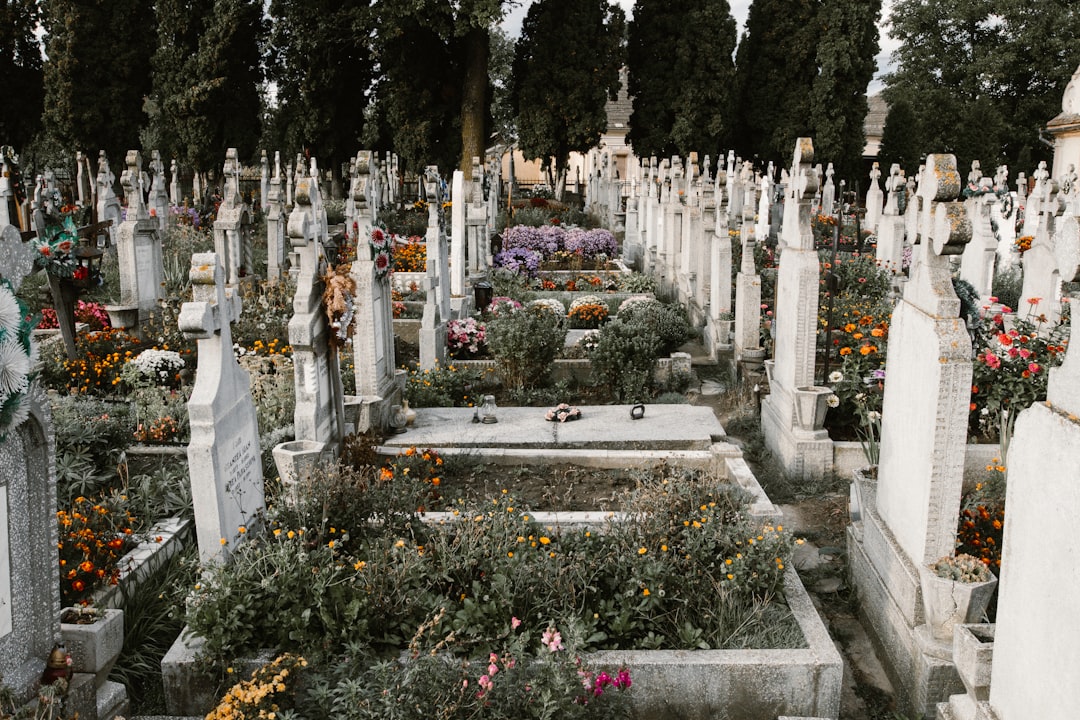
Early observations of the burial patterns suggest a degree of organization and perhaps even social stratification. The deceased appear to be interred in a variety of ways, from simple pit graves to more elaborate stone-lined cists. The orientation of the bodies also seems to follow certain conventions, although further analysis is required to determine any consistent patterns or symbolic significance. The distribution of burials across the site may also offer clues about the settlement’s layout and the possible evolution of its cemetery practices over time.
The Enclosure’s Significance Before the Burials
Prior to this momentous discovery, the Atbai Enclosure was recognized for its unique architectural features. The most prominent elements are the concentric rings of dry-stone walls, some reaching impressive heights. These walls, constructed with remarkable skill and engineering prowess, suggest a society capable of organizing labor and undertaking large-scale construction projects. The purpose of these enclosures has been a subject of much debate. Some scholars proposed they were defensive structures, designed to protect a community or its livestock from external threats. Others have argued for their ceremonial or religious functions, suggesting they served as gathering places for rituals or important societal events. The presence of potential domestic or communal structures within the enclosure, though less prominent than the walls, has also been noted.
Previous Excavations and Their Findings
Previous, more limited excavations at the Atbai Enclosure had yielded scattered pottery shards, stone tools, and evidence of rudimentary agriculture. These findings, while valuable, did not paint a complete picture of the community’s lifestyle or social complexity. The limited scope of these earlier digs meant that much of the site remained unexplored, leaving many questions unanswered. The current excavation, with its focused approach on the newly identified burial grounds, is poised to transform our understanding of the Atbai Enclosure from a collection of enigmatic structures into a vibrant human landscape.
The 280 Atbai Enclosure Burials provide fascinating insights into the burial practices and social structures of ancient cultures. For those interested in understanding how wealth and status were reflected in burial customs, a related article titled “Elite Assets in a Crash: What the Wealthy Own” explores the modern implications of wealth and ownership. You can read more about this intriguing topic by following this link: Elite Assets in a Crash: What the Wealthy Own.
The Burial Ground: A Tapestry of Lives and Deaths
The revelation of nearly 300 burials at the Atbai Enclosure is not merely a quantitative leap; it represents a qualitative shift in our understanding of this ancient population. Each individual interred within this vast cemetery holds a story, and piecing together these narratives promises to offer profound insights into their daily existence, their beliefs surrounding death and the afterlife, and the social fabric that bound them together. The sheer volume of the burials suggests a community that not only endured but thrived for a considerable period.
Unraveling the Demographics of the Deceased
The meticulous excavation and subsequent analysis of the skeletal remains will provide crucial demographic data. Researchers will be able to determine the age at death, sex, and potentially even health status of the individuals. This information is invaluable for understanding the life expectancies, common ailments, and overall health of the population. It can shed light on factors such as infant mortality rates, the challenges faced by different age groups, and the impact of environmental conditions on human health.
Age and Sex Distribution
The preliminary observations suggest a broad range of ages represented in the burials, from infants and children to the elderly. This indicates that the Atbai Enclosure was a place where people lived their entire lives, not just a temporary settlement or a ceremonial site for a specific age group. The distribution of males and females, while still under detailed analysis, will provide insights into family structures and community composition. Any significant imbalances could suggest particular social practices or historical events that influenced the population.
Burial Practices and Rituals: A Window into Belief Systems
The manner in which the Atbai people buried their dead offers a direct glimpse into their spiritual beliefs and their understanding of the afterlife. The careful placement of bodies, the orientation towards specific cardinal directions, and the inclusion of grave goods all carry symbolic weight. These practices are often deeply rooted in a society’s worldview, reflecting their hopes, fears, and their connection to the cosmos.
Grave Goods: Possessions for the Next World
The discovery of artifacts within the burials is particularly exciting. These grave goods, ranging from pottery and tools to personal ornaments and even food offerings, were likely intended to accompany the deceased into the afterlife. The types and quality of these items can reveal a great deal about the individual’s social status, their occupation, and their personal possessions in life. They can also indicate the resources available to the community and their artistic traditions.
Types of Artifacts Unearthed
Pottery fragments, often decorated with intricate designs, are a common find. These vessels may have held food or drink for the journey to the afterlife, or they might have served a purely symbolic purpose. Stone tools, such as knives, scrapers, and projectile points, suggest that these individuals were likely involved in hunting, crafting, or other practical activities. Ornaments, such as beads made from bone, shell, or semi-precious stones, point to a desire for personal adornment and a sense of aesthetics. In some instances, more unusual items may be discovered, offering unique insights into their beliefs or practices.
Body Orientation and Position
The consistent or variable orientation of the buried bodies is a key area of research. In many ancient cultures, bodies were buried facing a particular direction, often east (towards the rising sun, symbolizing rebirth) or west (towards the setting sun, symbolizing the end of life). The position of the body – whether flexed, extended, or supine – can also have cultural significance. These details, meticulously recorded by the archaeologists, will be subjected to statistical analysis to identify any prevailing patterns.
The study of ancient burial practices, such as those found at the 280 Atbai Enclosure Burials, offers valuable insights into the cultural and social dynamics of past civilizations. For a broader understanding of how modern practices can influence our perception of historical sites, you might find it interesting to explore the article on the risks of commercializing orbital space. This discussion highlights the complexities of preserving heritage while navigating contemporary challenges, much like the delicate balance required in archaeological conservation. You can read more about it in this article.
Evidence of Social Structure and Hierarchy
The burial ground may also reveal evidence of social stratification within the Atbai community. Differences in the size and construction of the graves, the richness and quantity of grave goods, and the location of burials within the cemetery could all indicate varying levels of status or wealth. Societies often reflect their earthly hierarchies in their mortuary practices.
Differential Treatment in Burial
The presence of elaborate tombs with extensive grave goods for some individuals, contrasted with simpler interments for others, would strongly suggest a hierarchical society. This could be based on wealth, lineage, or other social distinctions. Understanding these differences is crucial for reconstructing the power dynamics and social organization of the Atbai people.
The Elites and the Commoners
Identifying the burials of presumed elites will be a significant undertaking. Their graves might be located in a more prominent part of the cemetery, be larger and more elaborately constructed, and contain a greater number and variety of valuable grave goods. Conversely, the burials of individuals of lower social standing might be simpler, with fewer or no grave goods.
Scientific Analysis: Unlocking the Secrets of the Past
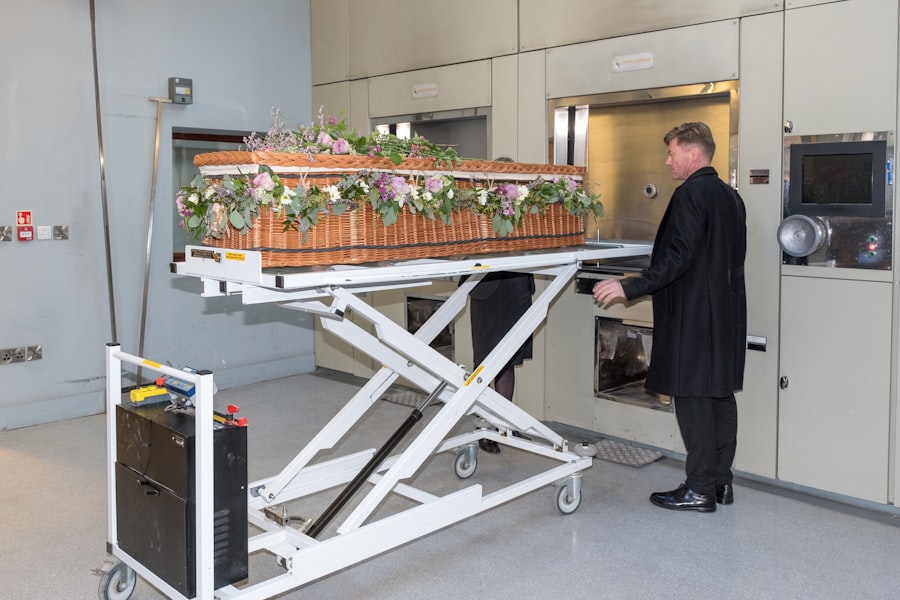
The raw data from the excavation – the skeletal remains and the artifacts – are only the beginning. Advanced scientific techniques are now being employed to extract deeper information, moving beyond simple observation to a more profound understanding of the Atbai people’s lives, their diet, their health, and their origins. This interdisciplinary approach is what truly brings the past to life.
Osteological Analysis: The Bones Tell Their Own Story
The study of the skeletal remains, known as osteology, is central to understanding the physical lives of the Atbai population. Experts will meticulously examine each bone and tooth for signs of disease, trauma, nutritional deficiencies, and evidence of physical labor. This can reveal much about their daily routines, their diet, and the challenges they faced.
Diet and Health Through Bone Chemistry
By analyzing the isotopic composition of the bones, scientists can reconstruct the diet of the Atbai people. The ratios of certain isotopes can indicate whether their diet was primarily based on plant-based foods, animal protein, or a mix of both. This can reveal information about their agricultural practices, hunting strategies, and their environment.
Isotopic Analysis of Carbon and Nitrogen
The analysis of carbon and nitrogen isotopes in bone collagen can reveal the proportions of plant and animal matter consumed. Higher ratios of certain carbon isotopes might indicate a diet rich in maize or other grains, while specific nitrogen isotopes can point to the consumption of marine or terrestrial animal proteins.
Paleopathology: Understanding Diseases and Injuries
Paleopathologists will examine the bones for evidence of diseases and injuries. Signs of arthritis, skeletal deformities, healed fractures, and infectious diseases can offer a stark picture of the health challenges faced by the Atbai population. This information can help us understand their living conditions and the prevalence of certain ailments in their environment.
Radiocarbon Dating: Establishing a Timeline
Precise dating of the burials is essential for placing the Atbai Enclosure within its historical context. Radiocarbon dating of organic materials, such as bone collagen or associated artifacts, will provide a chronological framework for the cemetery and, by extension, the settlement itself. This will allow researchers to understand how the community evolved over time and its relationship to other known ancient cultures in the region.
Chronological Framework and Cultural Evolution
Establishing a clear timeline for the burials will be crucial for understanding the duration of the Atbai settlement and any changes in burial practices or societal organization over generations. This will enable comparisons with other contemporary sites and help to map the spread of cultural influences.
Archaeobotanical and Zooarchaeological Studies: Reconstructing the Environment
The study of ancient plant remains (archaeobotany) and animal remains (zooarchaeology) from the burial context and the wider enclosure will provide invaluable information about the environment in which the Atbai people lived. This includes their agricultural practices, the types of food they consumed, and the fauna they interacted with.
Plant Remains: Agriculture and Subsistence
Analysis of seeds, pollen, and phytoliths found in the burials or associated features can reveal what crops were cultivated, what wild plants were gathered, and the types of vegetation present in the surrounding landscape. This information is fundamental to understanding their subsistence strategies.
Evidence of Cultivated Crops
The identification of domesticated plant species like grains or legumes would confirm their reliance on agriculture. The presence of wild seeds would indicate foraging activities and a deeper knowledge of the local flora.
Animal Remains: Diet and Animal Husbandry
The study of animal bones, whether from food waste or from deliberate inclusion as grave goods (e.g., animal sacrifices), will reveal their dietary preferences and their relationship with the animal kingdom. Evidence of domesticated animals would indicate animal husbandry practices.
Domesticated vs. Wild Animals
Distinguishing between bones of domesticated animals (like sheep, goats, or cattle) and wild animals (like deer or small game) will be vital for understanding their farming and hunting practices, respectively.
Broader Implications: Rewriting Regional History
The discovery at the Atbai Enclosure is not an isolated event. It has the potential to significantly rewrite our understanding of the history and development of the wider region. The insights gained from this extensive burial ground could challenge existing theories, fill in significant gaps in our knowledge, and foster new avenues of research.
Connections to Other Sites and Cultures
By comparing the findings at Atbai with those from other known archaeological sites in the region, researchers can establish connections, identify trade networks, and trace cultural influences. This could reveal previously unknown relationships between different ancient communities.
Shared Material Culture and Beliefs
The presence of similar pottery styles, tool types, or burial rituals at Atbai and other sites would suggest cultural exchange or shared origins. This could help to map out the diffusion of ideas and technologies across the ancient landscape.
Influence and Exchange Networks
The discovery of exotic materials or artifacts not native to the immediate region would indicate participation in wider trade networks, revealing the extent of their connections and their place within a larger ancient world.
Reassessing Theories of Settlement and Society
The sheer scale and complexity of the Atbai burial ground may necessitate a re-evaluation of existing theories about settlement patterns, population density, and social organization in the region during the period of its occupation. It could suggest a more sophisticated and densely populated society than previously imagined.
Population Dynamics and Urbanization
The number of burials hints at a substantial and long-lived population. This could challenge the notion of small, dispersed settlements and suggest the existence of larger, more organized communities, perhaps even precursors to more complex societal structures.
The Atbai Enclosure as a Center of Influence
The size of the burial ground and the potential evidence of social hierarchy could suggest that the Atbai Enclosure was not just a passive settlement but a significant regional center of influence, attracting people from surrounding areas for burial or perhaps even for residence.
The Future of Atbai Research: Ongoing and Future Discoveries
The excavation of the Atbai Enclosure and its burial ground is an ongoing project, with much work yet to be done. The initial findings are just the tip of the iceberg, and future research promises to unlock even more secrets. The long-term preservation and study of the site are paramount to ensuring that the lessons learned from these ancient lives are passed on to future generations.
Long-Term Preservation and Interpretation
Ensuring the long-term preservation of the skeletal remains and the site itself is a critical concern. This involves careful conservation techniques, ongoing monitoring, and responsible management of the archaeological resources. The ultimate goal is to make these discoveries accessible for educational and scientific purposes while safeguarding their integrity.
Public Engagement and Education
Sharing the story of the Atbai people with the public is an essential part of archaeological work. Through exhibitions, publications, and digital platforms, the discoveries can inspire curiosity, foster a sense of connection to the past, and highlight the importance of archaeological research in understanding our shared human heritage. The 280 ancient burials at the Atbai Enclosure are not just scientific data; they are individual lives, once lived, now offering us a profound and enduring legacy.
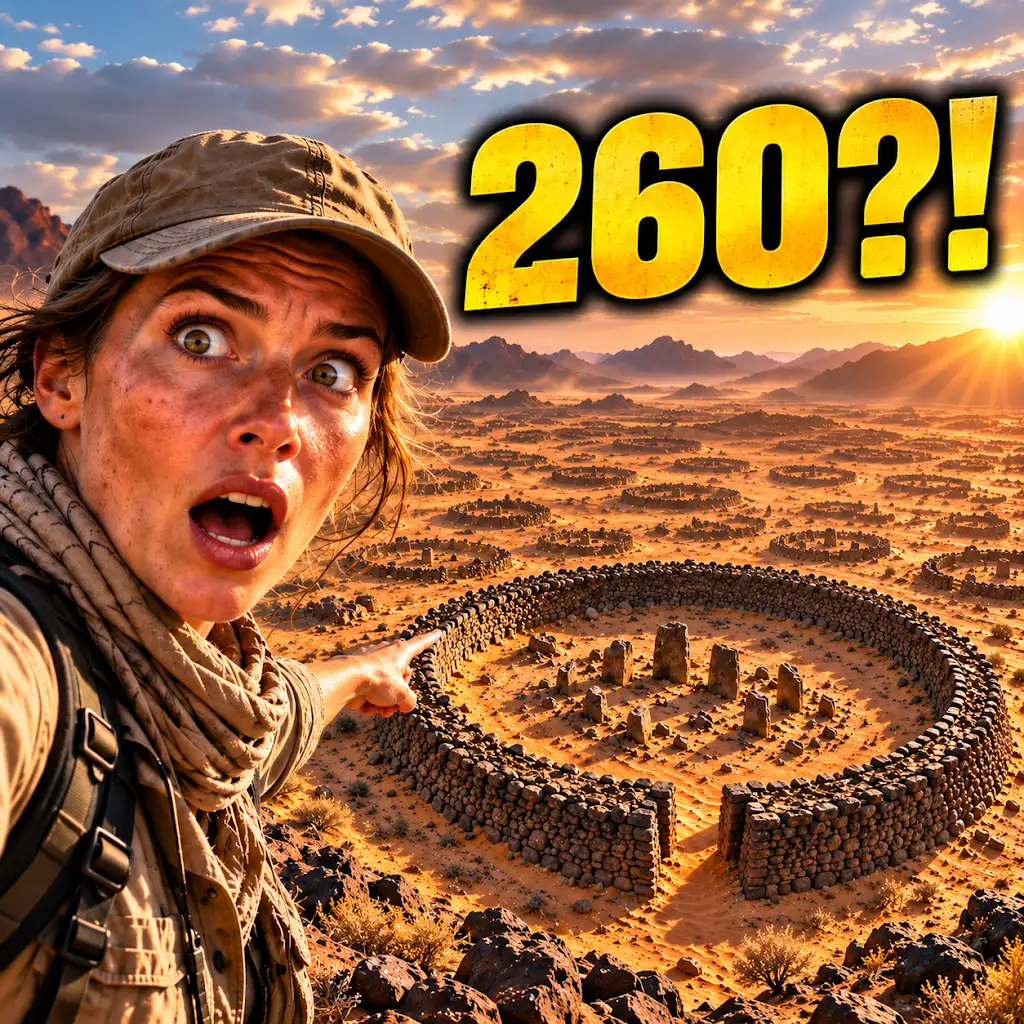
260 Ancient Graves Were Hiding in This “Empty” Desert
FAQs
What is the significance of the 280 Atbai Enclosure Burials?
The 280 Atbai Enclosure Burials are a significant archaeological find that provide insight into the burial practices and cultural traditions of the ancient Atbai people. The burials offer valuable information about the social structure, religious beliefs, and daily life of this ancient society.
Where are the 280 Atbai Enclosure Burials located?
The 280 Atbai Enclosure Burials are located in the Atbai Mountains of Central Asia, specifically in the region of modern-day Kyrgyzstan. The site is situated in a mountainous area that was once inhabited by the Atbai people.
What is the estimated age of the 280 Atbai Enclosure Burials?
The 280 Atbai Enclosure Burials are estimated to date back to the Bronze Age, specifically to the late 3rd and early 2nd millennia BCE. This places the burials within a time period of significant cultural and technological development in the region.
What have archaeologists discovered at the 280 Atbai Enclosure Burials site?
Archaeologists have uncovered a large number of burial mounds at the site, along with artifacts such as pottery, tools, and jewelry. The burials also include human remains, providing valuable information about the physical characteristics and health of the ancient Atbai people.
What can the 280 Atbai Enclosure Burials tell us about the ancient Atbai people?
The 280 Atbai Enclosure Burials offer insights into the social structure, religious beliefs, and daily life of the ancient Atbai people. The artifacts and burial practices provide clues about their cultural traditions, economic activities, and interactions with neighboring societies.