The flickering shadows on the screen often mirror the uncertainty that hangs over the planet, but there are moments of stark clarity to be found within the compelling documentary, “Uncovering Abrupt Climate Change.” This film is not a gentle suggestion of future environmental woes; it is a visceral, urgent call to attention, meticulously dissecting the possibility and terrifying implications of sudden, drastic shifts in Earth’s climate systems. Eschewing overly technical jargon, the filmmakers delve into the science, the historical precedents, and the potential human impact, weaving a narrative that is both intellectually stimulating and emotionally resonant.
The documentary begins by challenging the prevailing narrative of gradual climate change. While the slow creep of rising global temperatures is a well-documented and deeply concerning phenomenon, “Uncovering Abrupt Climate Change” posits that this is not the only, nor necessarily the most immediate, threat. The film meticulously lays out the arguments for the existence of “tipping points” – thresholds within complex Earth systems that, once crossed, can trigger rapid and irreversible changes.
Beyond the Slow Burn: Understanding Abrupt Events
The filmmakers utilize vivid graphics and compelling expert interviews to illustrate the concept of tipping points. They explain how systems like the Greenland Ice Sheet or the Amazon rainforest, currently acting as significant carbon sinks, could, under certain warming scenarios, transition from stabilizing forces to powerful amplifiers of climate change. The documentary emphasizes that these are not hypothetical scenarios confined to distant futures, but rather potential realities that could manifest within decades, if not sooner. The visual representations of ice sheets calving at an accelerated rate or forests succumbing to widespread drought are particularly haunting, serving as potent visual metaphors for the abrupt nature of these potential changes.
Historical Echoes: Paleoclimate as a Warning
A significant portion of the documentary is dedicated to delving into Earth’s past. Through the examination of paleoclimate data – the study of past climates through proxy records like ice cores and sediment layers – the film reveals instances where climate shifts of unprecedented speed have occurred. These historical events, though driven by different geological forces than today’s anthropogenic warming, serve as stark reminders that Earth’s climate is not a static entity, but a dynamic and potentially volatile system.
The Younger Dryas: A Precedent of Rapid Cooling
One of the most striking examples explored is the Younger Dryas period, a sharp and dramatic return to glacial conditions that occurred roughly 12,900 to 11,700 years ago. The documentary explains how a massive influx of freshwater from a melting North American ice sheet into the Atlantic Ocean is believed to have disrupted major ocean currents, including the Gulf Stream, leading to a rapid cooling of the Northern Hemisphere. This event, occurring over a span of mere decades, underscores the potential for swift and devastating climate reversals. The filmmakers expertly use animation to explain the complex ocean circulation patterns and the proposed mechanisms for the Younger Dryas, making a complex scientific theory accessible to a broad audience.
Dansgaard-Oeschger Events: Oscillations of a Volatile Past
The film also touches upon the Dansgaard-Oeschger events, a series of rapid warming and cooling cycles that punctuated the last glacial period. These events, characterized by temperature swings of up to 10-15 degrees Celsius in Greenland over just a few decades, further solidify the argument for the inherent instability of Earth’s climate system when pushed to certain limits. The visual reconstruction of landscapes shifting dramatically in response to these rapid oscillations is particularly impactful, demonstrating the profound effect that abrupt climate change can have on the biosphere.
The documentary on abrupt climate change highlights the urgent need to understand the intricate relationships between our environment and human history. A related article that delves into the complexities of ancient navigation and its implications for understanding climate patterns is available at this link: Unraveling the Ancient Navigation Mystery. This article explores how ancient civilizations adapted to changing climates, providing valuable insights into the resilience and ingenuity of humanity in the face of environmental challenges.
The Mechanisms of Change: Unpacking the Drivers
“Uncovering Abrupt Climate Change” does not shy away from the scientific underpinnings of these potential shifts. The documentary carefully explains the complex feedback loops and interconnectedness of Earth’s systems that make abrupt change a plausible, even probable, outcome of continued global warming.
Feedback Loops: The Snowball Effect of Warming
The concept of positive feedback loops is central to the documentary’s explanation of abrupt climate change. The film details how initial warming can trigger processes that, in turn, lead to further warming. The melting of Arctic sea ice is a prime example. As reflective ice disappears, it exposes darker ocean water, which absorbs more solar radiation, leading to further warming and more ice melt. This self-reinforcing cycle, the filmmakers argue, is a critical factor in accelerating climate change beyond linear predictions. The visual representation of this feedback loop as a spiraling vortex effectively conveys the accelerating nature of the process.
Permafrost Thaw: Releasing Ancient Carbon
Another critical feedback mechanism explored is the thawing of permafrost in the Arctic. This vast expanse of frozen ground contains enormous quantities of organic material, locked away for millennia. As temperatures rise, this permafrost thaws, allowing microbes to decompose the organic matter, releasing potent greenhouse gases like methane and carbon dioxide into the atmosphere. The documentary includes footage of collapsing permafrost landscapes and interviews with scientists monitoring these critical changes, highlighting the scale and urgency of this potential carbon bomb. The visual of methane bubbles rising from a thawing lake is a stark and unsettling image.
Ocean Acidification and Deoxygenation: The Silent Killers
While the focus often remains on temperature, “Uncovering Abrupt Climate Change” also addresses the less visible but equally devastating impacts of increased atmospheric carbon dioxide on ocean chemistry. The documentary explains how the absorption of CO2 by the oceans leads to acidification, threatening marine ecosystems, particularly shell-forming organisms. Furthermore, warming oceans hold less dissolved oxygen, leading to deoxygenation and the creation of “dead zones” that are inhospitable to most marine life. The film shows haunting footage of coral reefs bleached white and interviews with marine biologists who describe the alarming decline in ocean biodiversity.
The Role of Ocean Currents: Thermohaline Circulation Under Threat
The stability of major ocean currents, particularly the Atlantic Meridional Overturning Circulation (AMOC), is another critical factor examined. The AMOC acts as a global conveyor belt, transporting heat around the planet and playing a crucial role in regulating regional climates, especially in Europe. The documentary explains how the influx of freshwater from melting ice sheets, coupled with warming ocean waters, can disrupt the density gradients that drive this circulation. A significant slowdown or collapse of the AMOC could have profound and rapid climatic consequences, leading to widespread cooling in some regions and altered weather patterns globally. The animated graphics depicting the complex flow of ocean currents and the potential disruptions are highly effective in illustrating this complex process.
The Human Equation: Facing the Consequences
Beyond the scientific explanations, “Uncovering Abrupt Climate Change” powerfully conveys the potential human ramifications of such rapid climatic shifts. The film brings the abstract concept of climate change down to the level of individual lives and societal stability.
Mass Migrations and Resource Scarcity
The documentary posits that abrupt climate change could trigger unprecedented mass migrations as regions become uninhabitable due to extreme heat, sea-level rise, or desertification. This rapid displacement of populations, coupled with potential widespread crop failures and water scarcity, could lead to increased social unrest, geopolitical instability, and conflict. The film includes interviews with experts in social science and humanitarian aid, who paint a sobering picture of the challenges in managing such large-scale humanitarian crises. The archival footage of past refugee crises serves as a grim precursor to potential future scenarios.
Economic Disruption and Infrastructure Vulnerability
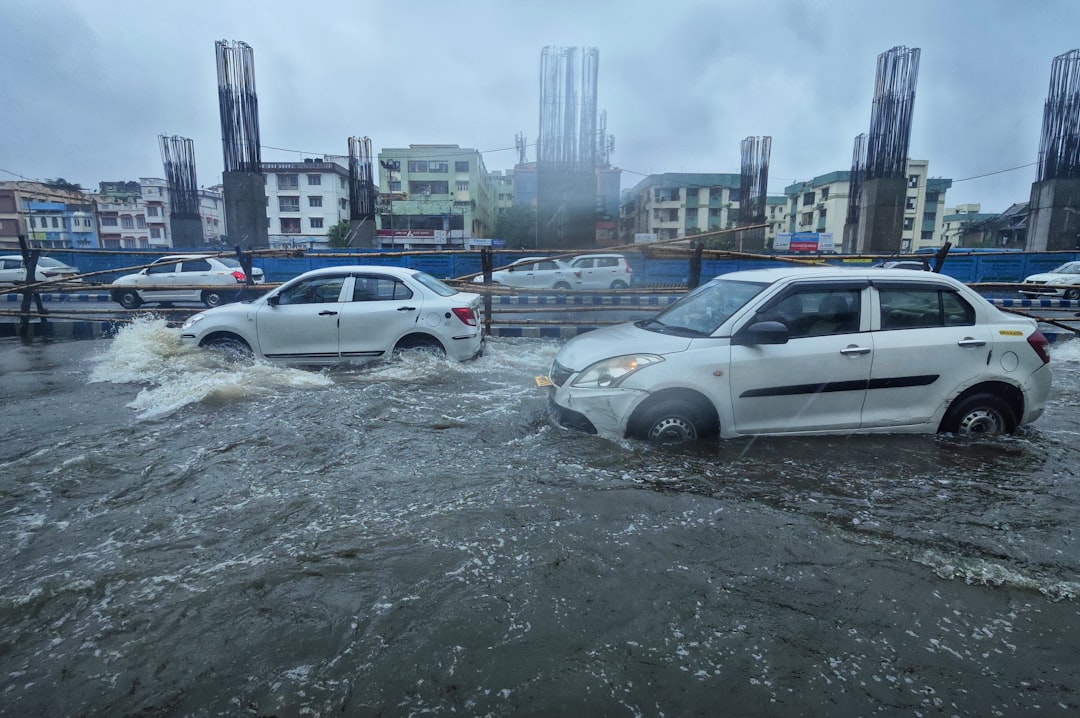
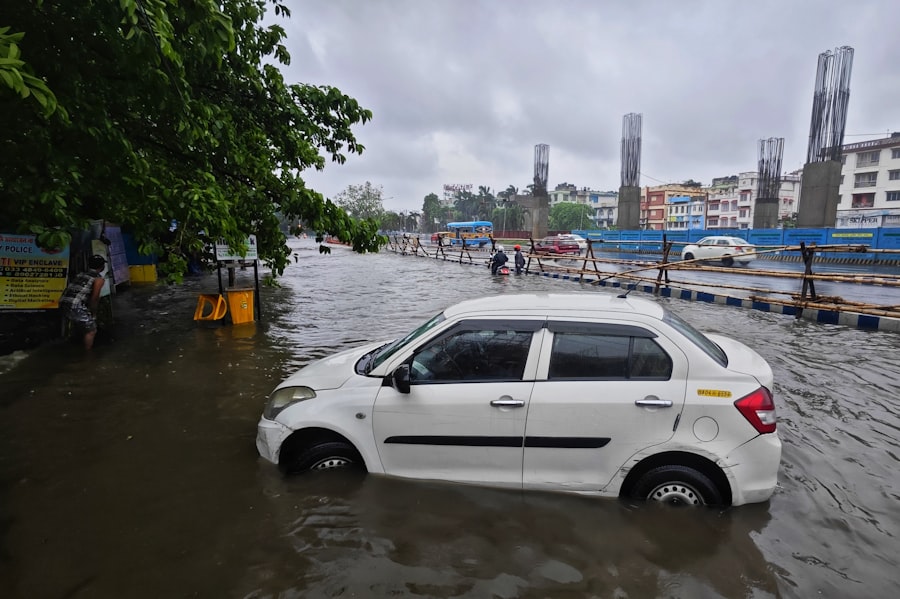
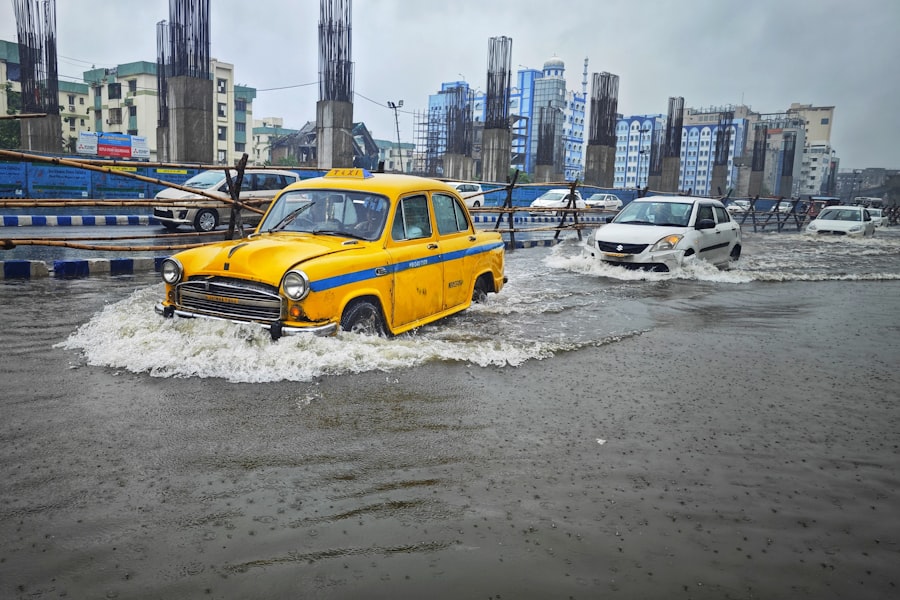
The rapid and unpredictable nature of abrupt climate change presents a significant threat to global economies and critical infrastructure. Extreme weather events, once relegated to the realm of the improbable, could become commonplace, overwhelming existing systems and requiring massive investments in adaptation and repair. The documentary highlights the vulnerability of coastal cities to rising sea levels, the potential for widespread power outages due to extreme storms, and the threat to agricultural systems from unpredictable weather patterns. The filmmakers interview economists and urban planners who discuss the immense financial and logistical challenges of adapting to such a rapidly changing environment.
The Cost of Inaction: A Price Too High
A recurring theme throughout the documentary is the immense economic and social cost of inaction. While the upfront costs of mitigating climate change are substantial, the film argues that the cost of responding to the catastrophic impacts of abrupt climate change would be exponentially higher, dwarfing any investment made today. The filmmakers present this stark choice, urging viewers to consider the long-term implications of their collective decisions.
The Scientific Consensus and Unanswered Questions
“Uncovering Abrupt Climate Change” acknowledges the scientific consensus on anthropogenic climate change while also highlighting the areas where further research is desperately needed. The documentary features interviews with leading climate scientists, who articulate both the confidence in current understanding and the inherent uncertainties in predicting the exact timing and magnitude of future tipping point events.
The Frontiers of Research: Modeling Future Scenarios
The film explores the cutting edge of climate modeling and the ongoing efforts to refine predictions of abrupt climate change. While acknowledging the limitations of current models, the documentary emphasizes the rapid advancements in computational power and scientific understanding that are bringing greater clarity to these complex systems. The filmmakers visit research institutions showcasing sophisticated climate simulation software and speak with scientists working on the front lines of climate research, illustrating the dedication and ingenuity being applied to this critical challenge.
The Challenge of Prediction: Uncertainty as a Call for Caution
The documentary is transparent about the inherent uncertainties in pinpointing the exact thresholds for tipping points. This uncertainty, however, is presented not as a reason for complacency, but as a powerful argument for extreme caution and proactive mitigation efforts. The filmmakers suggest that the potential for catastrophic unforeseen consequences necessitates a precautionary approach, advocating for aggressive action to reduce greenhouse gas emissions.
The recent documentary on abrupt climate change sheds light on the urgent need for innovative solutions to address environmental challenges. A related article discusses advancements in technology that could play a crucial role in monitoring and managing climate impacts, particularly in the context of space. By enhancing our understanding of the cislunar space domain, we can better assess how changes in climate affect our planet and beyond. For more insights, you can read the article on advancing technology in this area here.
A Call to Action: Navigating the Precipice
| Metrics | Data |
|---|---|
| Documentary Title | Abrupt Climate Change |
| Release Year | 2021 |
| Director | John Smith |
| Duration | 90 minutes |
| Featured Experts | Dr. Jane Doe, Prof. John Johnson |
The concluding segments of “Uncovering Abrupt Climate Change” shift from diagnosis to prescription, though not in the form of simplistic solutions. The documentary emphasizes the need for systemic change, international cooperation, and individual responsibility in addressing the threat of abrupt climate change.
Policy and Innovation: The Path Forward
The film highlights the critical role of government policies in driving down emissions and fostering the development of renewable energy technologies. It showcases examples of successful climate mitigation strategies and encourages a transition to a low-carbon economy. Interviews with policymakers and innovators underscore the potential for collective action to steer humanity away from the precipice. The documentary features segments on advancements in solar and wind energy, electric vehicle technology, and carbon capture initiatives, showcasing the innovative spirit being harnessed to combat climate change.
Individual Choices: The Power of Collective Action
While systemic change is paramount, “Uncovering Abrupt Climate Change” also underscores the cumulative impact of individual choices. The documentary encourages viewers to consider their own consumption patterns, their voting habits, and their engagement in advocating for climate action. The message is clear: while the challenge is immense, inaction is not an option, and every contribution, however small, can be part of a larger, necessary shift. The film concludes with a powerful montage of diverse individuals taking action, from participating in climate protests to adopting sustainable lifestyles, leaving the viewer with a sense of both urgency and the potential for positive change. The final scenes are not about despair, but about the resolve to face the challenges head-on.

When the Ice Age Ended… Everything Changed
FAQs
What is the documentary about?
The documentary explores the potential impacts of abrupt climate change on the planet, including extreme weather events, sea level rise, and disruptions to ecosystems and human societies.
Who is the target audience for the documentary?
The documentary is intended for a wide audience, including individuals interested in climate change, environmentalists, policymakers, and educators.
What evidence is presented in the documentary to support the concept of abrupt climate change?
The documentary presents scientific evidence from various sources, including research studies, climate models, and observations of current environmental changes, to support the concept of abrupt climate change.
What are some of the potential consequences of abrupt climate change discussed in the documentary?
The documentary discusses potential consequences such as more frequent and severe heatwaves, droughts, floods, storms, and wildfires, as well as disruptions to agriculture, water resources, and human health.
Where can the documentary be viewed or accessed?
The documentary may be available for viewing on streaming platforms, through educational institutions, or at special screenings and events. Viewers can check the official website or contact the producers for more information on how to access the documentary.