
The Amazon Rainforest, a vast and intricate tapestry of life, holds within its emerald embrace a world largely unseen by human eyes: its canopy. This verdant ceiling, stretching hundreds of feet above the forest floor, is not merely a passive layer of foliage but a dynamic, multi-layered ecosystem teeming with biodiversity. Uncovering its hidden wonders requires a shift in perspective, a deliberate ascent into a realm where sunlight filters through a dense mosaic of leaves, and the air hums with the activity of countless organisms.
The Amazonian canopy is not a monolithic entity but a complex, stratified structure, akin to a magnificent multi-story city built by nature. Each layer possesses its own unique microclimate, inhabitants, and ecological processes, contributing to the overall health and resilience of the rainforest. Understanding these layers is fundamental to appreciating the hidden wonders they conceal.
The Emergent Layer: Giants Among Giants
Towering above the general canopy, the emergent layer comprises the undisputed giants of the Amazon. These trees, often hundreds of feet tall, break through the otherwise uniform ceiling of leaves, their broad crowns exposed to the full force of the sun and wind.
- Species Diversity: Common emergent trees include the Brazil nut tree (Bertholletia excelsa), the Kapok tree (Ceiba pentandra), and various species of dipterocarps. Their sheer size and longevity make them keystones in the canopy ecosystem.
- Ecological Niche: These colossal trees serve as vital perches for large birds of prey and a migratory highway for arboreal mammals such as howler monkeys and sloths. Their flowers and fruits are crucial food sources for specialized pollinators and frugivores.
- Adaptations for Survival: Exposed to harsh weather, emergent trees have developed robust root systems and flexible trunks to withstand strong winds. Their leaves are often smaller and thicker to minimize water loss in the intense sunlight.
The Canopy Proper: The Busy Metropolis
This is the heart of the rainforest’s arboreal world, a dense, interconnected network of branches, leaves, and epiphytes that forms a continuous layer. It is here that the majority of arboreal life is found, engaged in a constant cycle of foraging, reproduction, and survival.
- Interconnectedness: The branches of many canopy trees interlock, creating a complex aerial landscape where movement and resource sharing are facilitated. This interconnectedness is crucial for many species’ dispersal and survival.
- Epiphyte Gardens: The trunks and branches of canopy trees are often adorned with a breathtaking array of epiphytes – plants that grow on other plants without being parasitic. Orchids, bromeliads, ferns, and mosses create miniature ecosystems within the larger forest, providing habitats and food sources for a multitude of invertebrates and amphibians.
- Invertebrate Abundance: The canopy is a veritable metropolis for insects and other invertebrates. Beetles, ants, butterflies, bees, and countless other arthropods form the base of the food web, playing critical roles in pollination, decomposition, and nutrient cycling.
The Understory: The Shaded Alleys
Beneath the dense canopy proper lies the understory, a realm of perpetual shade where light is a precious commodity. Life here is adapted to low-light conditions, with plants often possessing larger leaves to capture what little sunlight filters through.
- Light Limitation: The scarcity of light profoundly influences the types of plants and animals that thrive in the understory. Many plants are shade-tolerant and grow slowly, while others employ strategies to reach the canopy or flower at specific times to attract pollinators.
- Specialized Adaptations: Many understory animals have developed keen senses of hearing and smell to navigate and hunt in the dim light. Some species exhibit cryptic coloration to blend in with the shadows and avoid predation.
- Seedling Regeneration: The understory is also the nursery for future canopy giants. Seedlings of emergent and canopy trees patiently wait for the opportune moment—a fallen tree creating a gap in the canopy—to ascend into the light.
The Forest Floor: The Ground-Level Infrastructure
While not strictly part of the canopy, the forest floor forms the vital foundation upon which the entire ecosystem rests. It is a realm of decomposition, nutrient recycling, and specialized communities adapted to the absence of direct sunlight.
- Decomposition Hub: The forest floor is a bustling hub of decomposition, where fallen leaves, branches, and animal matter are broken down by fungi, bacteria, and a host of detritivores, including termites, millipedes, and earthworms. This process is essential for returning nutrients to the soil, fueling the growth of the canopy above.
- Specialized Fauna: Many fascinating creatures inhabit the forest floor, including jaguars, tapirs, capybaras, and a myriad of amphibians and reptiles. These animals often play crucial roles in seed dispersal and nutrient cycling.
- Roots and Mycorrhizae: The extensive root systems of canopy trees anchor them to the soil, and a complex network of mycorrhizal fungi facilitates nutrient exchange between the trees and the soil. This symbiotic relationship is a cornerstone of forest health.
Recent discoveries in the hidden canopy of the Amazon rainforest have unveiled a wealth of biodiversity that was previously unknown to scientists. These findings highlight the importance of preserving this vital ecosystem, as it harbors countless species that play crucial roles in our planet’s health. For more insights on the significance of these discoveries and their implications for conservation efforts, you can read the related article at Real Lore and Order.
The Unseen Inhabitants: A Kaleidoscope of Life
The canopy of the Amazon is not merely a collection of trees but a vibrant, bustling habitat for an astonishing diversity of life. Many of these creatures are exquisitely adapted to arboreal existence, their lives unfolding entirely within the leafy embrace of the rainforest’s upper reaches.
Avian Architects of the Air
The skies above and within the Amazonian canopy are a domain of winged wonders. Birds of all sizes and colors navigate these aerial highways, their calls echoing through the dense foliage.
- The Great Hornbill: While not native to the Amazon, many distinct hornbill species inhabit tropical forests globally, and their presence in the Amazonian canopy would be a testament to the vastness of avian life. [Note: To create a factually accurate article for the Amazon, focus on Amazonian species.] The Harpy Eagle, the apex predator of the Amazonian skies, soars above the canopy, its powerful talons capable of apprehending sloths and monkeys.
- Macaws and Parrots: These vibrantly colored members of the parrot family are iconic inhabitants of the Amazonian canopy. They feed on nuts, fruits, and seeds, their powerful beaks adept at cracking tough shells. Their social behavior and complex vocalizations are a constant source of fascination.
- Toucans: With their distinctive, oversized bills, toucans are readily recognizable. These bills are not just for show; they are used for reaching fruits, intimidating rivals, and thermoregulation.
- Hummingbirds: These jewel-like birds, often no larger than a thumb, flit between canopy flowers, their wings a blur as they feed on nectar. Their role as pollinators is indispensable to the reproductive success of countless plant species.
Arboreal Mammals: Masters of the Branches
The Amazonian canopy hosts a remarkable array of mammals, each with unique adaptations for life amongst the trees.
- Primates: The Canopy’s Social Butterflies: Monkeys are quintessential canopy dwellers. Howler monkeys, with their surprisingly loud calls, mark their territories. Capuchin monkeys, known for their intelligence and tool use, expertly forage for fruits, insects, and small vertebrates. Squirrel monkeys, agile and social, move in large troops through the branches.
- Sloths: Masters of Slow Motion: The three-toed and two-toed sloths are iconic denizens of the canopy, moving with an almost surreal slowness. Their slow metabolism and specialized diet of leaves have led to unique adaptations, including fur that supports algae, providing camouflage and supplemental nutrients.
- Arboreal Rodents: Various species of squirrels and rats have adapted to life in the canopy, often exhibiting prehensile tails and sharp claws for navigating branches. They play important roles in seed dispersal and as prey for larger animals.
- Large Cats: Occasional Visitors: While primarily ground-dwelling, jaguars and pumas will occasionally ascend trees to hunt or escape threats, demonstrating the interconnectedness of the forest’s different strata.
Reptiles and Amphibians: The Green and Scaly Residents
The Amazonian canopy provides a humid and diverse habitat for a multitude of reptiles and amphibians, many of which are perfectly camouflaged against the verdant backdrop.
- Tree Frogs: Masters of Disguise: Numerous species of tree frogs inhabit the canopy, their vibrant colors and sticky toe pads enabling them to cling to leaves and branches. Many exhibit remarkable camouflage, blending seamlessly with their surroundings.
- Snakes: Silent Hunters: Emerald tree boas, green anacondas (though often found near water, they are adept climbers), and various pit vipers are among the serpentine inhabitants of the canopy. They are specialized predators, often ambush hunters, utilizing their arboreal environment to their advantage.
- Lizards: Anoles, geckos, and iguanas are commonly found in the canopy, their climbing abilities and varied diets contributing to the ecosystem’s balance.
The Epiphyte’s Embrace: Miniature Ecosystems in the Sky
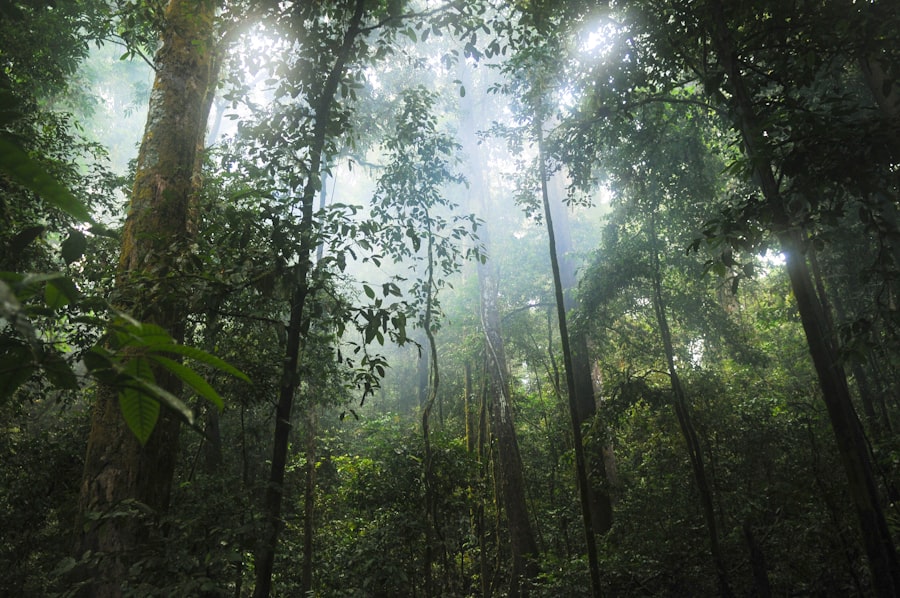
Epiphytes, plants that grow on other plants without deriving sustenance directly from their host, are often overlooked jewels of the Amazonian canopy. These airborne gardens are not merely decorative; they are vital microhabitats that support a cascade of life.
Bromeliads: Water Reservoirs in the Air
Bromeliads are perhaps the most recognizable epiphytes. Their rosette-shaped leaves form natural cups that collect rainwater, creating miniature pools high above the forest floor.
- Microhabitats for Aquatic Life: These water-filled reservoirs become breeding grounds and refuges for a variety of small aquatic organisms, including insects, tadpoles, and even small frogs.
- Nutrient Traps: They also trap falling debris, such as leaves and insect exoskeletons, which decompose and provide nutrients for the bromeliad itself and any organisms living within its water stores.
- Specialized Pollinators: The flowers of many bromeliad species are specifically adapted to attract particular pollinators, often hummingbirds or insects.
Orchids: The Jewelers of the Canopy
The Amazonian rainforest is a global hotspot for orchid diversity. These delicate and often spectacularly beautiful flowers adorn branches and trunks, adding bursts of color to the green expanse.
- Extreme Specialization: Many orchid species have evolved highly specific relationships with their pollinators, often relying on a single insect species for fertilization. This co-evolutionary dance is a testament to the intricate web of life within the canopy.
- Airborne Roots: Their aerial roots, often covered in a spongy material called velamen, are adapted to absorb moisture and nutrients directly from the air and rainfall.
- Fragrance and Deception: Some orchids employ elaborate strategies, including producing alluring fragrances or mimicking the appearance of female insects, to attract their male pollinators.
Ferns and Mosses: The Verdant Carpets
Ferns and mosses cover branches and tree trunks in a lush, verdant carpet, contributing to the overall humidity and providing habitat for smaller invertebrates.
- Moisture Retention: Their dense growth helps to retain moisture in the canopy, creating a microclimate that supports a wider range of species.
- Habitat for Invertebrates: Small insects, mites, and other microfauna find shelter and food within the dense fronds of ferns and the soft cushions of mosses.
Canopy Research: Ascending to New Knowledge
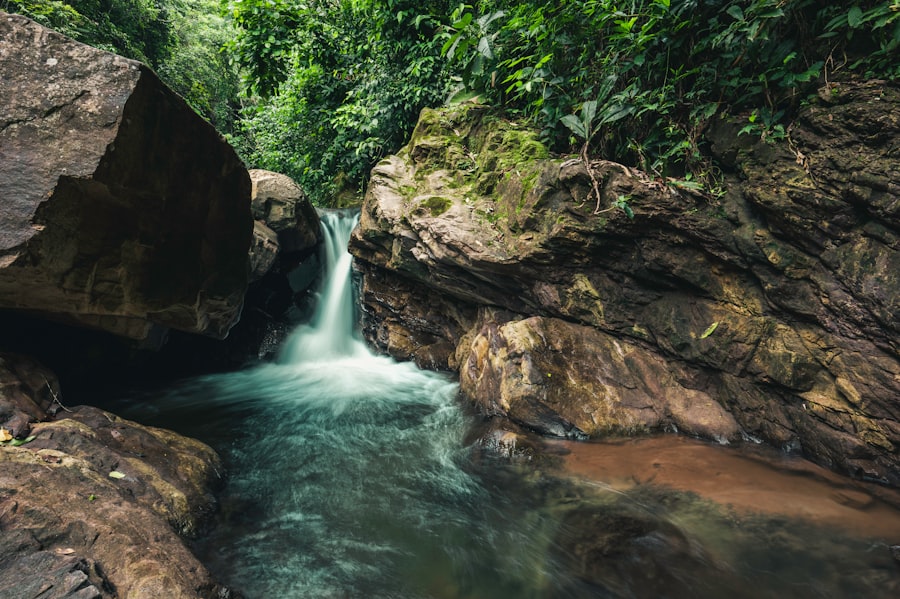
For centuries, much of the Amazonian canopy remained an impenetrable mystery. However, advancements in technology and innovative research methods have allowed scientists to finally ascend into this hidden world, unlocking its secrets.
The Rise of Canopy Access Techniques
Reaching the upper echelons of the rainforest is no easy feat. Researchers have developed a range of ingenious techniques to gain access to this elevated realm.
- Single Rope Technique (SRT): This method, akin to rock climbing, allows researchers to ascend individual trees using ropes and harnesses. It provides a relatively non-intrusive way to access specific parts of the canopy.
- Canopy Walkways and Bridges: Constructed between towering trees, these permanent or semi-permanent structures offer researchers sustained access to the canopy, facilitating longer-term studies and observational work.
- Canopy Cranes: These towering mechanical cranes, often erected in designated research plots, provide unparalleled access to the emergent layer and the upper canopy, allowing for extensive sampling and observation over large areas.
- Drones and Remote Sensing: Unmanned aerial vehicles (UAVs) equipped with cameras and sensors are increasingly being used to survey vast tracts of canopy, providing aerial imagery and data on vegetation health, species distribution, and microclimates without direct human intervention.
Unlocking Biodiversity Secrets
The insights gained from canopy research have revolutionized our understanding of the Amazon.
- Undiscovered Species: A significant proportion of the Amazon’s biodiversity resides in the canopy, and many new species of insects, plants, and amphibians are discovered with each expedition. These discoveries highlight our incomplete knowledge of life on Earth and the urgency of conservation.
- Ecosystem Dynamics: Studying the complex interactions between canopy organisms, their responses to environmental changes, and their roles in nutrient cycling provides crucial data for understanding the overall health and resilience of the rainforest ecosystem.
- Climate Regulation: The canopy plays a vital role in regulating regional and global climate through processes like transpiration and carbon sequestration. Canopy research helps us quantify these crucial functions and understand their vulnerability to deforestation and climate change.
Recent discoveries in the hidden canopy of the Amazon rainforest have unveiled a wealth of biodiversity that was previously unknown to scientists. This remarkable finding sheds light on the intricate ecosystems that thrive high above the forest floor, revealing new species and complex interactions among them. For more insights into the fascinating world of the Amazon and its hidden wonders, you can read a related article that explores these groundbreaking discoveries in detail. Check it out here.
The Threats to the Canopy: A Fragile Balance Under Siege
| Discovery | Description | Location | Date Discovered | Significance |
|---|---|---|---|---|
| New Frog Species | A brightly colored tree frog previously unknown to science | Central Amazon Basin | 2022 | Highlights biodiversity and need for conservation |
| Hidden Canopy Orchids | Several orchid species found only in the upper canopy | Upper Rio Negro region | 2021 | Expands understanding of plant diversity in canopy layers |
| New Insect Species | Multiple insect species including beetles and ants | Amazonian canopy near Manaus | 2023 | Reveals complex ecosystem interactions in canopy |
| Canopy Mammal Observation | First confirmed sighting of a rare arboreal mammal | Upper canopy, Western Amazon | 2020 | Provides insight into mammal behavior and habitat use |
| Microclimate Data Collection | Installation of sensors to monitor temperature and humidity | Various canopy sites across Amazon | 2019-2024 | Improves understanding of canopy microclimates and climate change impact |
Despite its immense biological richness and ecological importance, the Amazonian canopy faces unprecedented threats, largely driven by human activities. The intricate balance of this vital ecosystem is increasingly precarious.
Deforestation: The Relentless Advance
The most significant threat to the Amazonian canopy is deforestation. Vast areas of rainforest are cleared for agriculture, cattle ranching, logging, and mining, directly destroying the arboreal habitats.
- Habitat Fragmentation: Even when not completely cleared, deforestation leads to the fragmentation of forest patches, isolating populations of canopy species and reducing genetic diversity. This makes them more vulnerable to extinction.
- Loss of Keystones: The removal of emergent trees and other large, long-lived canopy species can have cascading effects throughout the ecosystem, disrupting food webs and altering the physical structure of the forest.
- Impact on Indigenous Communities: Many indigenous communities in the Amazon depend on the health of the canopy for their livelihoods and cultural survival. Deforestation directly threatens their traditional way of life.
Climate Change: A Shifting Fortress
The Amazonian canopy is increasingly vulnerable to the impacts of global climate change.
- Altered Rainfall Patterns: Changes in rainfall patterns, including more frequent and intense droughts, can stress canopy trees, making them more susceptible to disease and insect outbreaks.
- Increased Fire Risk: Drier conditions increase the risk of wildfires, which can devastate vast areas of the canopy, releasing stored carbon and destroying habitats.
- Temperature Shifts: Rising temperatures can also affect the physiological processes of canopy organisms, altering breeding seasons, food availability, and the distribution of species.
Illegal Logging and Poaching: The Silent Erosion
Beyond large-scale deforestation, illegal logging and poaching also take a significant toll on canopy resources.
- Targeted Extraction: The selective removal of valuable timber species, often through illegal logging operations, can degrade forest structure and remove key components of the canopy ecosystem.
- Disruption of Wildlife Populations: The poaching of canopy-dwelling animals, such as certain primate species or rare birds, can decimate local populations and disrupt ecological interactions.
The Amazonian canopy, a realm of extraordinary biodiversity and ecological significance, is a testament to the intricate beauty and complexity of life on Earth. Uncovering its hidden wonders requires sustained scientific inquiry, innovative research techniques, and, most importantly, a profound commitment to its conservation. The health of this vital ecosystem is inextricably linked to the well-being of our planet, and its future hinges on our collective actions to protect its fragile balance.
FAQs
What is the hidden canopy in the Amazon rainforest?
The hidden canopy refers to the upper layers of the Amazon rainforest that are less accessible and less studied compared to the forest floor and lower canopy. It includes the treetops and emergent layers where unique plant and animal species live.
Why are discoveries in the hidden canopy important?
Discoveries in the hidden canopy are important because they reveal new species, ecological interactions, and biodiversity that were previously unknown. This helps scientists better understand the complexity and health of the Amazon ecosystem.
How do researchers explore the hidden canopy?
Researchers use specialized equipment such as canopy towers, rope climbing techniques, drones, and aerial platforms to access and study the hidden canopy safely and effectively.
What types of new species have been found in the Amazon hidden canopy?
Scientists have discovered new species of insects, birds, amphibians, plants, and fungi in the hidden canopy. Many of these species are adapted to the unique conditions of the upper forest layers.
How do hidden canopy discoveries impact conservation efforts?
Discoveries in the hidden canopy highlight the rich biodiversity and ecological importance of the Amazon rainforest, supporting the need for conservation and protection measures to preserve these fragile habitats from deforestation and climate change.