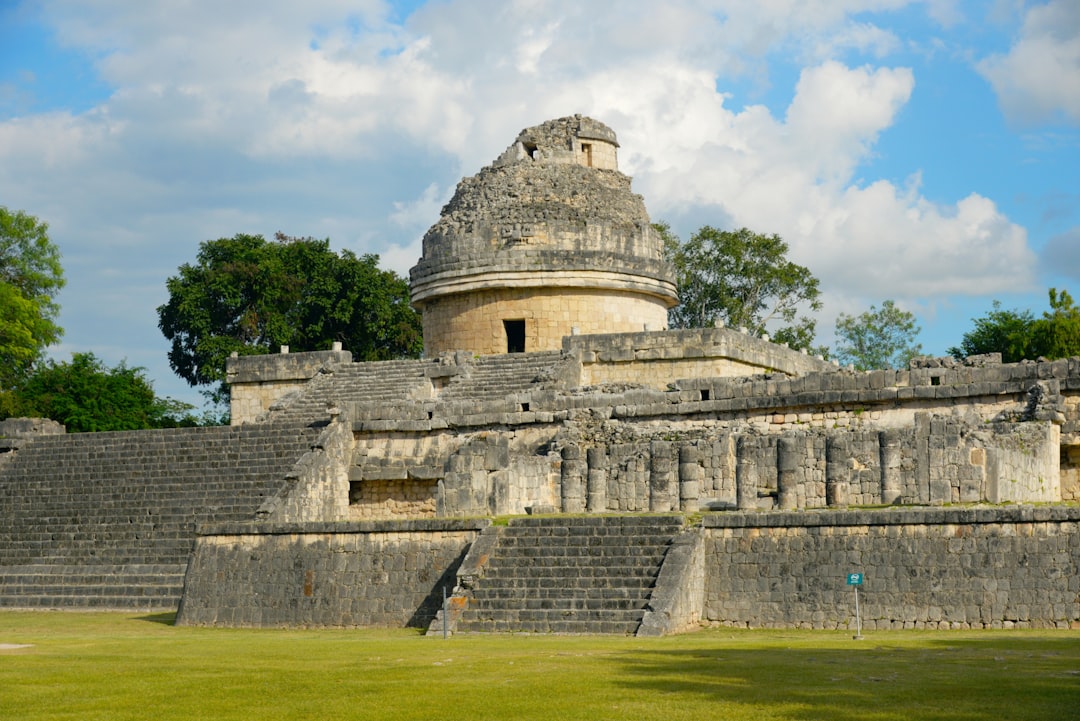
For centuries, the prevailing narrative of American history began with the arrival of Christopher Columbus in 1492, framing the continent as a pristine wilderness awaiting European discovery. This Eurocentric perspective, however, has been progressively dismantled by a wealth of archaeological evidence and interdisciplinary research, revealing a rich, complex, and deeply ancient pre-Columbian past. The continent was not empty but teeming with diverse societies, sophisticated cultures, and innovative technologies long before European sails appeared on the horizon. Uncovering this hidden history requires a dedicated, ongoing effort to excavate, analyze, and interpret the myriad traces left behind by these indigenous peoples.
The story of human habitation in the Americas stretches back millennia, far predating the commonly accepted dates. While the exact timeline of the initial peopling of the Americas remains a subject of active debate and discovery, evidence increasingly points to a much earlier arrival than previously thought.
Revisiting the Timeline of Arrival
For decades, the Clovis First model, which posited that the first humans arrived in North America around 13,500 years ago, was the dominant theory. This was largely based on the distinctive fluted projectile points found at Clovis sites across North America. However, a growing body of evidence has challenged this timeline. Sites like Monte Verde in Chile, with radiocarbon dates suggesting human presence as early as 14,500 years ago, and Paisley Caves in Oregon, where human coprolites yielded genetic material dated to over 14,000 years ago, have pushed the acknowledged arrival date further back. More recent discoveries, such as potential human footprints in White Sands National Park, New Mexico, dated to between 21,000 and 23,000 years ago, suggest that humans may have been present in the Americas during the Last Glacial Maximum, a period when much of the continent was covered in ice.
Theories of Migration Routes
The journey of these early peoples to the Americas is also being re-examined. While the Bering Land Bridge, a now-submerged landmass that connected Siberia and Alaska during glacial periods, remains a primary hypothesis, other routes are gaining traction.
The Bering Land Bridge Hypothesis
The most widely accepted theory suggests that during the Pleistocene epoch, when sea levels were lower, a land bridge exposed across the Bering Strait allowed for the migration of hunter-gatherer groups from Asia into North America. These populations likely followed migratory game animals, gradually spreading southward across the continents.
Coastal Migration Routes
Increasingly, researchers are exploring the possibility of coastal migration. This theory proposes that early peoples may have traveled along the Pacific coast, utilizing boats and maritime resources. The receding glaciers would have opened up ice-free corridors along the coast, providing a viable pathway for human movement. Evidence supporting this includes archaeological sites found on islands and along the coast that predate inland sites.
Other Potential Pathways
While less supported, other theories have been proposed, including trans-Pacific voyages. However, the significant logistical challenges and lack of definitive archaeological evidence make these hypotheses less compelling at present. The ongoing exploration of both terrestrial and maritime routes continues to refine our understanding of these initial migrations.
America’s forgotten pre-Columbian history is a fascinating topic that often goes overlooked in mainstream discussions. One intriguing aspect of this history involves the advanced civilizations that thrived long before European contact, showcasing remarkable achievements in architecture, agriculture, and trade. For those interested in exploring related themes of ancient navigation and civilization, a compelling article titled “Unlocking the Secrets of Minoan Celestial Navigation” delves into the sophisticated methods used by ancient cultures to navigate the seas. You can read more about it here: Unlocking the Secrets of Minoan Celestial Navigation.
The Flourishing of Diverse Societies
As humans spread across the vast and varied landscapes of North and South America, they adapted to diverse environments, developing a remarkable array of cultures, social structures, and technological innovations. The pre-Columbian Americas were not a monolith but a mosaic of distinct societies, each with its own unique trajectory.
Mesoamerican Civilizations: Pyramids and Calendars
Mesoamerica, a region encompassing parts of modern-day Mexico and Central America, was home to some of the most iconic and advanced civilizations of the pre-Columbian world. These societies developed complex urban centers, monumental architecture, sophisticated astronomical knowledge, and intricate writing systems.
The Olmec: The “Mother Culture”
Often referred to as the “mother culture” of Mesoamerica, the Olmec civilization flourished from approximately 1500 BCE to 400 BCE. They are renowned for their colossal carved stone heads, elaborate jade carvings, and the development of early forms of hieroglyphic writing and the Mesoamerican ballgame. Their influence extended across the region, laying the groundwork for subsequent civilizations.
The Maya: Masters of Astronomy and Writing
The Maya civilization, which reached its zenith between 250 CE and 900 CE, is celebrated for its advanced understanding of mathematics, astronomy, and calendrics. They developed a complex hieroglyphic writing system, recorded historical events on stelae, and constructed awe-inspiring pyramids and cities like Tikal and Palenque. Their calendar system, remarkably accurate, remains a testament to their intellectual prowess.
The Aztecs: Empire Builders and City Planners
The Aztec Empire, emerging in the 14th century CE, rose to dominate central Mexico from its capital city, Tenochtitlan. This magnificent city, built on an island in Lake Texcoco, was a marvel of urban planning, featuring causeways, canals, and elaborate temples. The Aztecs were skilled engineers, agriculturalists (developing the chinampas, or floating gardens), and warriors, creating a vast empire through military conquest and tribute.
Andean Civilizations: Empires in the Mountains
The Andes Mountains of South America were another crucible of advanced pre-Columbian civilizations, characterized by their mastery of high-altitude agriculture, monumental architecture, and sophisticated social organization.
The Chavín: Religious and Artistic Innovators
The Chavín culture, flourishing between 900 BCE and 200 BCE, is considered one of the earliest influential cultures in the Andes. Their religious and artistic innovations, particularly at their ceremonial center at Chavín de Huántar, had a profound impact on later Andean societies. Their art, characterized by zoomorphic figures and intricate carvings, reflects a complex cosmology.
The Moche: Master Craftsmen and Engineers
The Moche civilization, active from approximately 100 CE to 700 CE on the northern coast of Peru, is renowned for its exquisite pottery, goldwork, and impressive irrigation systems. Their ceramic vessels, often depicting realistic portraits and scenes of daily life, offer invaluable insights into their society, beliefs, and practices. They also built massive adobe pyramids, such as the Huaca del Sol and Huaca de la Luna.
The Inca: The Vastest Empire
The Inca Empire, which emerged in the 15th century CE, became the largest empire in pre-Columbian America. Stretching along the Andes, from modern-day Ecuador to Chile, the Inca were exceptional administrators, engineers, and builders. They constructed an extensive network of roads, impressive agricultural terraces, and the iconic citadel of Machu Picchu. Their social hierarchy and centralized governance allowed for the efficient management of their vast territory.
North American Societies: Diverse Adaptations
Beyond the more famous Mesoamerican and Andean civilizations, North America hosted a remarkable diversity of indigenous cultures, each uniquely adapted to their specific environments.
The Mississippian Culture: Mound Builders of the East
The Mississippian culture, flourishing from around 800 CE to 1600 CE in the Mississippi River Valley and surrounding areas, is known for its impressive earthworks, particularly the construction of large platform mounds and ceremonial centers. Cahokia, near modern-day St. Louis, was a vast urban center with a population estimated to be as large as some European cities of the time. These societies were often hierarchical, with complex social and religious systems.
The Ancestral Puebloans: Masters of the Southwest
The Ancestral Puebloans, who inhabited the Four Corners region of the American Southwest from roughly 200 CE to 1300 CE, are renowned for their impressive adobe architecture, including cliff dwellings like Mesa Verde and Chaco Canyon. They developed sophisticated farming techniques, including irrigation, to cultivate maize, beans, and squash in arid environments. Their pottery and turquoise jewelry showcase their artistic skills.
The Eastern Woodlands Cultures: Hunter-Gatherers and Farmers
The diverse cultures of the Eastern Woodlands, encompassing a vast area from the Atlantic coast to the Great Lakes, were characterized by their adaptability. Some groups were primarily hunter-gatherers, while others developed sophisticated agricultural practices, cultivating crops like maize, beans, and squash. They developed intricate social structures, complex spiritual beliefs, and a variety of dwelling types, from longhouses to wigwams.
Technological Innovations and Scientific Achievements
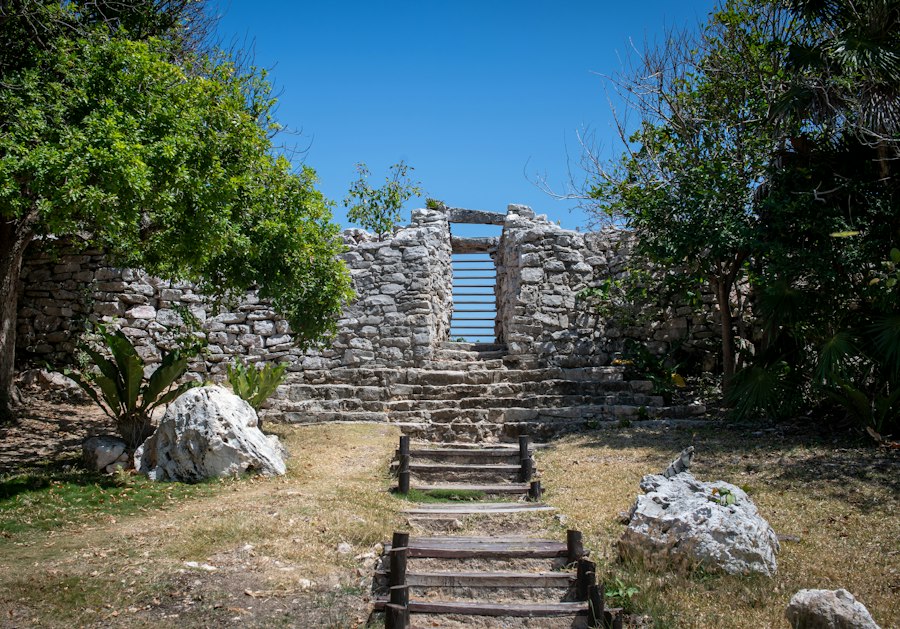
The pre-Columbian peoples were not only sophisticated in their social and cultural development but also in their technological ingenuity and scientific understanding. Their innovations, often developed independently and tailored to their specific environments, demonstrate a profound understanding of the natural world.
Agricultural Revolution and Domestication
The development of agriculture was a cornerstone of pre-Columbian civilizations, allowing for settled life, population growth, and the development of complex societies.
Domestication of Key Crops
Indigenous peoples across the Americas domesticated a wide array of plants that have had a global impact. Maize (corn) was domesticated in Mesoamerica and became a staple crop throughout the continents. Potatoes were domesticated in the Andes, providing a vital food source in high-altitude regions. Other significant domesticates include beans, squash, tomatoes, chili peppers, cacao, quinoa, and sunflowers, each contributing to the dietary diversity and sustainability of indigenous populations.
Advanced Farming Techniques
To maximize agricultural output, particularly in challenging environments, pre-Columbian peoples developed innovative farming techniques. The Inca engineered extensive terrace systems on steep Andean slopes, preventing soil erosion and creating arable land. Mesoamerican civilizations, like the Aztecs, utilized chinampas, artificial islands created from lakebeds, to cultivate crops in wetland areas. Sophisticated irrigation systems were developed in both arid and wetter regions to manage water resources effectively.
Architectural Marvels and Engineering Prowess
The monumental architecture of many pre-Columbian societies stands as a testament to their advanced engineering and architectural skills, often achieved without the use of metal tools or the wheel.
Monumental Construction without Metal Tools
The construction of massive pyramids, temples, and cities, such as the pyramids of Teotihuacan in Mexico or the Inca road system, was achieved using stone tools, ropes, and sheer human labor. The precision with which these structures were built, often incorporating astronomical alignments, is remarkable.
Sophisticated Urban Planning
Cities like Tenochtitlan, with its intricate network of canals, causeways, and aqueducts, or the planned ceremonial centers of the Maya, demonstrate a sophisticated understanding of urban planning, resource management, and the creation of functional and aesthetically pleasing living spaces.
Astronomy, Mathematics, and Calendrics
Several pre-Columbian civilizations developed highly accurate systems of astronomy, mathematics, and calendrics, which were deeply intertwined with their religious beliefs and agricultural cycles.
The Maya Calendar System
The Maya developed a complex and highly accurate calendar system, including the Long Count, the Tzolk’in (a 260-day ritual calendar), and the Haab’ (a 365-day solar calendar). This system allowed them to track time with great precision, predict astronomical events, and record historical occurrences.
Astronomical Observations and Alignments
Many pre-Columbian structures were aligned with celestial events, such as solstices and equinoxes. The alignment of the Pyramid of the Sun at Teotihuacan with the setting sun on the equinox is one example. These alignments suggest a deep understanding of celestial cycles and their significance.
Mesoamerican Mathematics
Mesoamerican civilizations developed a sophisticated number system, including the concept of zero, which was crucial for their calendrical and astronomical calculations. This was a significant intellectual achievement, independent of developments in the Old World.
Uncovering the Past: Archaeological Methods and Discoveries
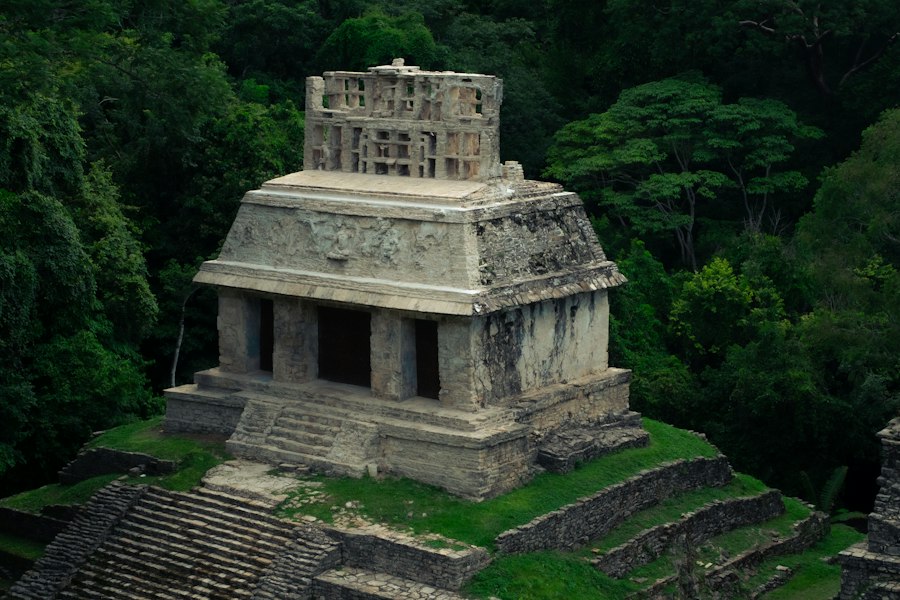
The process of uncovering America’s pre-Columbian past is a continuous and evolving endeavor, relying on the careful application of archaeological methods and the interpretation of a wide range of evidence.
Excavation and Site Discovery
Archaeological fieldwork is the foundation of our understanding, involving the systematic excavation of sites to uncover artifacts and features.
Stratigraphy and Dating Techniques
Archaeologists use stratigraphy, the study of layered soil and debris, to understand the chronological sequence of human occupation at a site. Radiocarbon dating, which measures the decay of radioactive carbon isotopes in organic materials, is a crucial technique for determining the age of artifacts and features. Other dating methods, such as thermoluminescence and dendrochronology, are also employed.
Remote Sensing and Geophysical Survey
Before excavation, techniques like aerial photography, lidar (light detection and ranging), and ground-penetrating radar are used to identify potential archaeological sites and map features beneath the surface without disturbing the ground. These technologies have revealed previously unknown settlements and large-scale landscape modifications.
Artifact Analysis and Interpretation
Once unearthed, artifacts are meticulously analyzed to glean information about the people who created and used them.
Material Culture Studies
The study of material culture – the objects made and used by people – provides insights into technology, economy, social organization, and belief systems. Pottery, stone tools, textiles, jewelry, and architectural elements all offer clues about daily life, trade networks, and artistic expression.
Epigraphy and Decipherment of Writing Systems
For civilizations with writing systems, such as the Maya, the decipherment of inscriptions is crucial for understanding their history, rulers, and beliefs. Epigraphers painstakingly work to decode these ancient languages, unlocking a wealth of textual information.
Ethnohistorical and Ethnographic Approaches
The study of historical documents and contemporary indigenous cultures can provide valuable context for interpreting archaeological findings.
Historical Accounts and Indigenous Traditions
Written accounts from early European explorers and missionaries, though often biased, can offer glimpses into pre-Columbian societies. Furthermore, studying the traditions, languages, and practices of modern indigenous communities can help illuminate aspects of their ancestors’ lives, provided this is done with respect and in collaboration with those communities.
Cross-Cultural Comparisons
Comparing archaeological findings from different regions and cultures can help identify patterns and commonalities in human adaptation and development across the Americas.
America’s pre-Columbian history is often overshadowed by the narratives of European exploration and colonization, yet it is rich with diverse cultures and civilizations that thrived long before Columbus arrived. One fascinating aspect of this history involves the Piri Reis map, which has sparked debates about the extent of ancient knowledge regarding the Americas. For a deeper understanding of this topic, you can explore an insightful article that discusses the complexities of the Piri Reis map and why its implications are often misunderstood. This article can be found here.
Challenges and the Future of Pre-Columbian Studies
| Region | Time Period | Notable Civilization | Key Achievements |
|---|---|---|---|
| Mesoamerica | Pre-Classic Period (2000 BCE – 250 CE) | Olmec | Creation of the first Mesoamerican civilization, monumental stone heads |
| Andes | Chavín culture (900 BCE – 200 BCE) | Chavín | Development of complex religious and artistic traditions |
| North America | Adena culture (1000 BCE – 200 CE) | Adena | Construction of large burial mounds and earthen enclosures |
| Amazon Basin | Marajoara culture (400 CE – 1400 CE) | Marajoara | Creation of large earthen mounds and sophisticated pottery |
Despite significant progress, the study of America’s pre-Columbian past faces ongoing challenges, while also holding immense promise for future discoveries.
Preserving Heritage and Combating Looting
The protection of archaeological sites and artifacts from looting and destruction is a constant concern. Illicit excavations not only destroy valuable scientific information but also deprive indigenous communities of their cultural heritage.
Legal Protections and International Cooperation
Strengthening legal protections for archaeological sites and promoting international cooperation to combat the illegal trade in cultural artifacts are crucial steps in safeguarding our shared past.
Community Engagement and Indigenous Collaboration
Working in partnership with descendant indigenous communities is increasingly recognized as essential. This collaboration ensures that research is conducted ethically, respects cultural sensitivities, and benefits the communities whose ancestors left these legacies.
Addressing Gaps in Knowledge and New Frontiers
Many questions about the pre-Columbian past remain unanswered, and new research avenues are constantly emerging.
The Underwater Archaeology of Coastal Migrations
The exploration of submerged coastal areas and underwater archaeological sites holds the potential to uncover evidence related to early coastal migration routes and maritime technologies.
Bioarchaeology and Ancient DNA Analysis
The study of ancient human remains (bioarchaeology) and the analysis of ancient DNA are revolutionizing our understanding of migration, population movements, health, and diet in pre-Columbian societies.
The Impact of Climate Change on Archaeological Sites
Climate change poses a growing threat to archaeological sites, with rising sea levels, increased erosion, and extreme weather events potentially destroying invaluable evidence. Proactive preservation and documentation efforts are becoming increasingly vital.
The uncovering of America’s pre-Columbian past is not merely an academic pursuit; it is a critical process of acknowledging and integrating the profound histories and contributions of indigenous peoples into the broader narrative of human civilization. It is a journey of discovery that continues to challenge our assumptions, enrich our understanding of human ingenuity, and reveal the extraordinary depth and complexity of the Americas before Columbus. Each unearthed artifact, each deciphered inscription, and each new radiocarbon date adds another crucial piece to a vast and captivating puzzle, reminding us that the story of the Americas is far older and far richer than we once imagined.

A City Bigger Than London Once Stood in America. Then It Vanished.
FAQs
What is pre-Columbian history?
Pre-Columbian history refers to the time period in the Americas before the arrival of Christopher Columbus in 1492. This era encompasses the diverse cultures, civilizations, and societies that existed in North, Central, and South America prior to European contact.
What are some key civilizations of pre-Columbian America?
Some key civilizations of pre-Columbian America include the Maya, Aztec, and Inca in Central and South America, as well as the Mississippian culture, Ancestral Puebloans, and Cahokia in North America. These civilizations developed complex societies, monumental architecture, advanced agricultural practices, and sophisticated art and writing systems.
What are some important archaeological sites in pre-Columbian America?
Important archaeological sites in pre-Columbian America include Chichen Itza and Tikal in Mesoamerica, Machu Picchu and Sacsayhuaman in the Andes, and Cahokia Mounds in North America. These sites provide valuable insights into the cultural, technological, and artistic achievements of pre-Columbian societies.
What impact did European colonization have on pre-Columbian America?
European colonization had a profound impact on pre-Columbian America, leading to the decline and eventual collapse of many indigenous civilizations due to disease, warfare, forced labor, and cultural assimilation. The introduction of new technologies, crops, and animals also transformed the landscape and social structures of the Americas.
Why is it important to study America’s forgotten pre-Columbian history?
Studying America’s forgotten pre-Columbian history is important for understanding the rich and diverse tapestry of indigenous cultures that existed before European contact. It also helps to challenge Eurocentric narratives and recognize the enduring legacies of pre-Columbian civilizations in contemporary American society.