
Uncovering America’s Wilderness: Myth or Reality?
The concept of “wilderness” in America conjures images of vast, untamed landscapes, places where human influence is minimal and nature reigns supreme. It evokes a sense of primal beauty, a refuge from the stresses of modern life, and a vital connection to a wilder past. But how much of this romanticized vision aligns with the actual state of America’s wild spaces? Is the idea of untouched wilderness a cherished myth, a convenient narrative, or a tangible reality that still exists and thrives across the nation? This exploration delves into the complexities of defining and preserving wilderness, examining the historical context, the scientific understanding, and the ongoing challenges in maintaining these precious natural areas.
The notion of wilderness in the United States is deeply interwoven with the nation’s founding narrative and its westward expansion. Early European colonists often viewed the dense forests and vast plains of North America not as a haven, but as a formidable barrier to be conquered and tamed. This perspective, rooted in agricultural societies and a desire for dominion over nature, gradually began to shift as the frontier receded.
The Romantic Turn: From Threat to Sanctuary
As the 19th century progressed, a philosophical and artistic movement emerged that began to reframe the perception of wild lands. This “Romantic” sensibility, influenced by European thinkers and writers, celebrated the sublime power of nature and saw spiritual solace and inspiration in its untamed aspects.
Transcendentalism and the Sacredness of Nature
Figures like Ralph Waldo Emerson and Henry David Thoreau became champions of this new view. Thoreau’s retreat to Walden Pond, though carefully curated, became an iconic testament to the value of simplifying life and immersing oneself in the natural world. They argued that wilderness offered a moral and spiritual cleansing, a place to reconnect with fundamental truths that were obscured by the burgeoning industrial society. This intellectual shift laid the groundwork for later conservation movements.
The Art of the Wild: Capturing Untamed Beauty
Painters like Albert Bierstadt and photographers such as Carleton Watkins produced awe-inspiring depictions of the American West. Their grand vistas, often romanticized and devoid of human presence, solidified the image of an epic, untouched American landscape in the public imagination. These artistic representations played a crucial role in fostering a desire to protect these wild places from development.
The Birth of Conservation and Preservation
The growing appreciation for wilderness, coupled with increasing concerns about resource depletion and habitat destruction, led to the first organized efforts to protect natural areas. This era saw the establishment of the first national parks and the formalization of the conservation movement.
Early National Parks: Yellowstone and the Dawn of Preservation
The establishment of Yellowstone National Park in 1872 marked a pivotal moment. It was the world’s first national park, conceived not primarily for resource extraction but for the enjoyment and education of the public, and importantly, for the preservation of its unique natural wonders. This set a precedent for future park designations.
The Rise of the Wilderness Movement: Muir and the Preservationists
John Muir, a naturalist, author, and fervent advocate, became the leading voice for wilderness preservation. He argued for the intrinsic value of wild lands, believing they should be left untouched by human intervention. His philosophy contrasted with the utilitarian approach of early conservationists like Gifford Pinchot, who advocated for the sustainable use of natural resources. Muir’s persistent advocacy was instrumental in the establishment of Yosemite National Park and Sequoia National Park, and his writings profoundly shaped the modern understanding of wilderness.
The concept of America as a true wilderness has been a topic of debate among historians and environmentalists alike. To explore the complexities of how natural landscapes have been shaped by human activity, one can refer to the article on the properties of Egyptian blue pigment, which delves into the historical significance of materials and their impact on culture and environment. This connection highlights the intricate relationship between human innovation and the natural world, prompting further reflection on America’s wilderness narrative. For more insights, you can read the article here: Unveiling the Properties of Egyptian Blue Pigment.
Defining Wilderness: A Contentious and Evolving Concept
The very definition of “wilderness” is a subject of ongoing debate, impacting how we manage and protect these areas. What constitutes “untouched” and how do we measure the extent of human influence?
Legal and Policy Definitions: The Wilderness Act of 1964
The most significant legal definition of wilderness in the United States came with the passage of the Wilderness Act of 1964. This landmark legislation defined wilderness as: “an area of undeveloped Federal land retaining its primeval character and influence, without permanent human improvements or human habitation, which is protected and managed so as to preserve its natural conditions and which (1) generally appears to have been affected primarily by the forces of nature, with the imprint of man’s work substantially unnoticeable; (2) has outstanding opportunities for solitude, or a primitive and unconfined type of recreation.”
The “Imprint of Man’s Work Substantially Unnoticeable” Clause
This clause is central to the legal definition. It acknowledges that some signs of past human activity might exist, but these should not be so dominant as to fundamentally alter the natural character of the landscape. This allows for areas with historical logging, old trails, or even the remains of mining operations to still be designated as wilderness, provided their overall natural integrity remains.
The Role of Solitude and Primitive Recreation
The emphasis on “outstanding opportunities for solitude, or a primitive and unconfined type of recreation” highlights the experiential aspect of wilderness. It’s not just about the physical landscape, but also about the human experience within it, a connection to nature free from the intrusions of modern life.
Scientific Perspectives: Ecological Integrity and Biodiversity
From a scientific standpoint, wilderness is often understood in terms of ecological integrity. This involves the presence of native species, intact ecosystems, and natural processes that function without significant human interference.
Biodiversity as a Wilderness Indicator
Areas with high biodiversity, rich in native plant and animal species, are often considered strong indicators of healthy wilderness. The presence of apex predators, complex food webs, and the absence of invasive species are crucial markers of an ecosystem’s resilience and its wilderness qualities.
Natural Processes and Ecosystem Function
True wilderness allows natural processes – fire, flood, predation, and regeneration – to operate unimpeded. These processes, often perceived as destructive by humans, are essential for maintaining the long-term health and dynamism of ecosystems. Scientific understanding emphasizes the need for these processes to occur naturally.
The Spectrum of Wildness: From Pristine to Partially Impacted
It’s increasingly recognized that wilderness is not an all-or-nothing proposition. Instead, there exists a spectrum of wildness, with truly pristine areas at one end and landscapes with varying degrees of human influence at the other.
Old-Growth Forests and Intact River Systems
Iconic examples of areas exhibiting strong wilderness characteristics include old-growth forests that have remained largely undisturbed for centuries, and vast, free-flowing river systems where natural hydrology is preserved. These represent landscapes that have been shaped primarily by natural forces.
Remote Regions and Minimal Human Presence
Even in areas with some historical human impact, vast, remote regions that are difficult to access and have minimal infrastructure can still offer significant wilderness values. The sheer scale and remoteness can provide a sense of wildness and solitude.
The Reality of America’s Wilderness Today: Challenges and Resilience
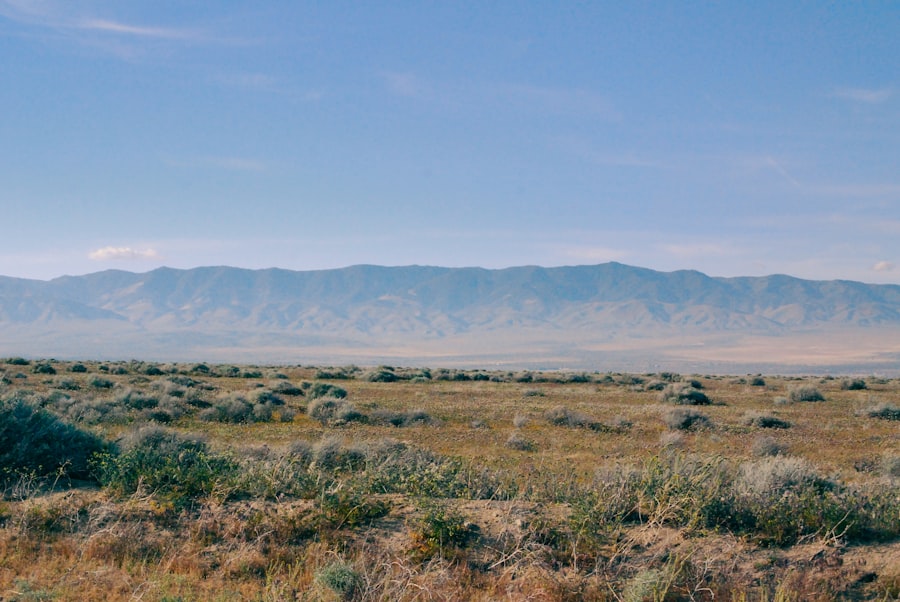
Despite the romanticized notions, the reality of America’s wilderness is a complex tapestry of both enduring wildness and persistent human impact. Protecting these areas requires constant vigilance and adaptation.
The National Wilderness Preservation System: A Cornerstone of Protection
The Wilderness Act of 1964 established the National Wilderness Preservation System, designating millions of acres of federal land across the United States as federally protected wilderness. This system represents a significant commitment to preserving wild landscapes.
Designation and Management Agencies
Lands managed by agencies such as the U.S. Forest Service, the National Park Service, the Bureau of Land Management, and the U.S. Fish and Wildlife Service can be designated as wilderness. Each agency has specific management directives that aim to uphold the principles of the Wilderness Act.
The Ever-Expanding Debate Over New Designations
Despite the extensive land already designated, there is ongoing advocacy for expanding the Wilderness System to include additional areas that meet the criteria. This often involves navigating complex political landscapes and competing interests.
Threats to Wilderness: Human Impact and Environmental Change
Even designated wilderness areas are not immune to the pressures of human activity and global environmental changes.
Habitat Fragmentation and Development Pressures
The relentless expansion of human settlements, infrastructure development, and resource extraction can lead to habitat fragmentation, isolating wild areas and disrupting ecological corridors. Even if development doesn’t occur directly within wilderness, its proximity can have significant impacts.
Climate Change and its Ecological Ramifications
Climate change poses a profound threat to wilderness. Rising temperatures, altered precipitation patterns, increased frequency of extreme weather events (like wildfires and droughts), and sea-level rise can all fundamentally alter ecosystems, impacting species composition and the very character of wild landscapes.
Invasive Species and Disease Outbreaks
The introduction of non-native species, whether plants, animals, or pathogens, can outcompete native flora and fauna, disrupt food webs, and diminish the natural character of wilderness. Diseases can also decimate vulnerable populations, altering ecological balance.
The Resilience of Nature: Signs of Enduring Wildness
Despite these challenges, nature demonstrates remarkable resilience. In many areas, wild processes are continuing, and ecosystems are adapting.
The Re-emergence of Wildlife Populations
In some regions, reintroduction programs and the natural expansion of species have led to the return of wildlife populations, including large carnivores like wolves and bears, which are crucial indicators of healthy ecosystems. Their presence signifies a degree of restored ecological integrity.
Natural Succession and Ecosystem Recovery
Following disturbances, whether natural or human-induced, ecosystems often exhibit a capacity for self-repair. Natural succession allows vegetation to regrow, and ecological processes can gradually reassert themselves, leading to a recovery of wild characteristics over time.
The Importance of Undisturbed Core Areas
Even in landscapes with surrounding human influence, core areas that remain relatively undisturbed can serve as vital refuges for biodiversity and as reservoirs of natural processes. These untouched pockets are crucial for the long-term survival of wildness.
Experiencing America’s Wilderness: Solitude, Adventure, and Connection

The appeal of wilderness extends beyond its ecological significance to its profound impact on the human psyche. It offers opportunities for adventure, introspection, and a deep connection to the natural world.
The Quest for Solitude: Escaping the Noise of Modern Life
One of the primary draws of wilderness is the promise of solitude. The ability to disconnect from constant connectivity, digital distractions, and the demands of daily life allows for a unique form of mental and emotional renewal.
Backpacking and Remote Exploration
Activities like backpacking, mountaineering, and extended expeditions into remote areas provide immersive experiences where the rhythms of nature dictate the pace of life. The challenge and reward of navigating wild terrain foster a sense of accomplishment and self-reliance.
The Psychological Benefits of Nature Immersion
Research consistently shows that spending time in natural environments has significant psychological benefits, including reduced stress, improved mood, enhanced cognitive function, and increased creativity. Wilderness offers an amplified version of these benefits.
Opportunities for Primitive Recreation: Embracing a Natural Challenge
Wilderness areas provide a sanctuary for activities that prioritize a connection with nature over convenience or luxury.
Paddling Untamed Rivers and Exploring Remote Lakes
Kayaking, canoeing, and rafting on wild rivers offer exhilarating adventures that connect participants directly with the power and beauty of water systems. Exploring remote lakes by paddleboard or small boat provides a tranquil yet adventurous experience.
Wildlife Observation and Nature Photography
For many, wilderness is a prime location for observing wildlife in its natural habitat, a pursuit that requires patience, knowledge, and respect. Nature photography allows for a deeper engagement with the details and grandeur of the wild.
Fostering a Sense of Stewardship: The Call to Protect
Experiencing wilderness often ignites a sense of responsibility and a desire to protect it for future generations. This firsthand encounter with the value of wild places can transform individuals into passionate advocates.
Educational Programs and Citizen Science
Many organizations offer wilderness-based educational programs that teach about ecology, Leave No Trace principles, and the importance of conservation. Citizen science initiatives allow individuals to contribute to scientific research and monitoring efforts in wild areas.
The Personal Transformation of Wilderness Encounters
The profound experiences and challenges encountered in wilderness can lead to significant personal growth and a shift in perspective. The humility and awe inspired by vast, untamed landscapes can be deeply transformative.
The concept of America as a wilderness has been widely debated, with many scholars exploring the intricate relationship between indigenous peoples and the land before European contact. A fascinating perspective on navigation and exploration can be found in the article about Polynesian wayfinding, which highlights the sophisticated techniques used by ancient navigators to traverse vast oceans without modern instruments. This connection to the broader theme of exploration adds depth to the discussion of America’s wilderness. For more insights on this topic, you can read the article here.
The Future of Wilderness: Conservation, Adaptation, and the Ongoing Myth
| Question | Answer |
|---|---|
| Was America really wilderness? | Yes, America was largely wilderness before European colonization, with diverse ecosystems and indigenous peoples living in harmony with the land. |
| Impact of European colonization | European colonization led to significant changes in the American wilderness, including deforestation, introduction of non-native species, and displacement of indigenous peoples. |
| Conservation efforts | Efforts to preserve and restore wilderness areas in America have been ongoing, with national parks, wildlife refuges, and conservation organizations working to protect the natural environment. |
The question of whether America’s wilderness is a myth or a reality remains a dynamic one. While the romanticized ideal of completely untouched land may be increasingly rare, the tangible reality of wild places, with their inherent ecological and experiential values, persists and demands our attention.
The Role of Policy and Political Will
The future of wilderness protection hinges on continued policy support and the political will to prioritize conservation. This includes advocating for strong environmental regulations, securing adequate funding for land management agencies, and resisting pressures that seek to erode wilderness protections.
Strengthening the Wilderness Act and Expanding Designations
Efforts to strengthen the Wilderness Act and advocate for the designation of new wilderness areas are crucial. This requires building broad public support and engaging in constructive dialogue with policymakers and stakeholders.
Investing in Scientific Research and Adaptive Management
Continued investment in scientific research is essential to understand the complex challenges facing wilderness, from climate change impacts to the spread of invasive species. Adaptive management strategies, informed by science, will be critical for responding to these ever-evolving threats.
The Power of Public Engagement and Advocacy
The long-term survival of America’s wilderness depends on an engaged and informed public that understands its value and actively participates in its protection.
Education and Awareness Campaigns
Raising public awareness about the importance of wilderness, its ecological significance, and the threats it faces is paramount. Educational campaigns can foster a deeper appreciation and a sense of shared responsibility.
Supporting Conservation Organizations and Grassroots Movements
Organizations dedicated to wilderness preservation play a vital role in advocacy, land acquisition, and on-the-ground conservation efforts. Supporting these groups, through donations, volunteering, or simply spreading the word, amplifies their impact.
Reimagining Wilderness in a Changing World
As the world continues to change, our understanding and approach to wilderness may also need to evolve. This doesn’t mean compromising on protection, but rather embracing a more nuanced and adaptable vision.
Wilderness in Urbanizing Landscapes: Green Corridors and Remnant Habitats
Even in heavily developed areas, preserving and connecting remnant habitats, creating green corridors, and restoring degraded areas can contribute to a broader network of wildness.
The Ethical Imperative of Coexisting with Nature
Ultimately, the question of wilderness is not just about land management; it’s about our relationship with the natural world. It’s about recognizing that we are part of, not separate from, the intricate web of life. The continued existence of wild places, whether they perfectly fit an idealized definition or not, serves as a vital reminder of what we stand to lose and what we must strive to protect. The myth of pristine wilderness might be elusive, but the reality of its enduring power and the urgent need for its preservation is undeniable.

The Wilderness Was Engineered
FAQs
1. What is the definition of wilderness in the context of America’s history?
The term “wilderness” in the context of America’s history refers to the vast, undeveloped and uninhabited land that existed prior to European colonization. It is often associated with the idea of untouched natural landscapes and the absence of human civilization.
2. Was America really wilderness before European colonization?
Before European colonization, much of America was indeed wilderness in the sense that it was sparsely populated and largely undeveloped. Native American tribes inhabited various regions, but large portions of the land remained untouched by European influence.
3. How did European colonization impact the wilderness in America?
European colonization had a significant impact on the wilderness in America. The arrival of European settlers led to the displacement and marginalization of Native American tribes, as well as the widespread development and settlement of previously untouched land.
4. What role did the concept of wilderness play in American history and culture?
The concept of wilderness has played a significant role in American history and culture. It has been romanticized in literature, art, and popular culture as a symbol of freedom, adventure, and the American frontier spirit. Additionally, the preservation of wilderness areas has been a key focus of environmental conservation efforts.
5. Are there still wilderness areas in America today?
Yes, there are still wilderness areas in America today. The United States has designated over 100 million acres of federal land as wilderness areas, which are protected and managed to preserve their natural state. These areas provide opportunities for outdoor recreation and serve as important habitats for wildlife.