
Uncovering Ancestral Roots: Scientific Discovery of Unknown Ancestors
The human desire to understand where we come from is as old as humanity itself. For millennia, this quest was largely confined to oral traditions, family lore, and historical records, often leaving vast swathes of our lineage shrouded in mystery. However, the advent of scientific discovery has revolutionized our ability to pierce through these veils, unearthing previously unknown ancestors and rewriting our understanding of human migration and evolution. This article delves into the scientific methodologies that are illuminating our ancestral past, revealing connections and stories that were once buried by time.
At the heart of modern ancestral discovery lies the remarkable power of genetics. The human genome, a complex blueprint of our being, holds within its DNA sequences the echoes of our ancestors. These echoes are not mere whispers; they are intricate patterns, variations, and markers that act as indelible fingerprints of our lineage. Scientists have developed sophisticated tools and techniques to read and interpret this genetic script, transforming what was once an abstract concept into a tangible, data-driven exploration.
Mitochondrial DNA: The Maternal Highway
One of the earliest and most significant breakthroughs in ancestral tracing came with the understanding of mitochondrial DNA (mtDNA). Unlike nuclear DNA, which is inherited from both parents, mtDNA is exclusively passed down from mother to child, tracing a direct maternal line through generations. This unique characteristic makes mtDNA an invaluable tool for tracking ancient migrations and identifying maternal lineages that have persisted across vast stretches of time and geography. By analyzing specific mutations within the mtDNA, researchers can create haplogroups, which are essentially large groups of people who share a common maternal ancestor. These haplogroups, labeled with letters like H, U, or J, can be geographically mapped, revealing ancient routes of migration and the spread of human populations across continents. The relative stability of mtDNA mutations allows for the dating of divergence events, providing estimates of when different maternal lines split from each other. This has been crucial in understanding the peopling of various regions of the world, from the initial dispersal of Homo sapiens out of Africa to the settlement of remote islands.
Y-Chromosome DNA: The Paternal Chronicle
Complementing the maternal lineage of mtDNA is the Y-chromosome DNA (Y-DNA), which is passed down exclusively from father to son. This makes Y-DNA the ideal marker for tracing paternal lineages. Similar to mtDNA, Y-DNA also exhibits specific mutations that define haplogroups, allowing for the reconstruction of paternal migration patterns. By comparing Y-DNA haplogroups across different populations, scientists can identify common paternal ancestors and trace the journeys of ancient patriarchs. The combined analysis of both mtDNA and Y-DNA provides a more comprehensive picture of human ancestral movements, capturing both the maternal and paternal threads that weave the tapestry of our genetic heritage. For instance, the study of Y-DNA has played a pivotal role in understanding the expansion of Indo-European languages and the subsequent spread of these populations across Eurasia.
Autosomal DNA: The Panoramic View
While mtDNA and Y-DNA offer a glimpse into specific maternal and paternal lines, autosomal DNA provides a much broader, panoramic view of an individual’s ancestry. Autosomal DNA is inherited from all 23 pairs of chromosomes, meaning it’s a mixture from all ancestors, not just one specific line. This allows for a more nuanced understanding of an individual’s genetic makeup, revealing ethnicity estimates and pinpointing ancestral origins with greater detail. Commercial DNA testing services predominantly utilize autosomal DNA analysis to provide users with information about their percentage of ancestry from different regions and populations. By comparing an individual’s autosomal DNA to reference populations, these services can estimate the proportion of their ancestry that likely originated from Europe, Africa, Asia, and other parts of the world. This technology has democratized ancestral research, allowing individuals to discover relatives they never knew existed and uncover connections to distant cultures. The power of autosomal DNA lies in its ability to detect even relatively recent ancestral contributions, revealing the complex mosaic of our genetic inheritance.
Scientists have made significant strides in uncovering the mysteries of our evolutionary past, utilizing advanced techniques such as DNA analysis and fossil examination to identify unknown ancestors. A related article that explores the implications of scientific advancements in understanding human history can be found at this link. This piece delves into how economic and social factors can influence scientific research and discovery, ultimately shaping our understanding of human ancestry and evolution.
The Fossil Record: Sculpting the Human Story
While genetics provides the molecular narrative, the fossil record offers the tangible, physical evidence of our ancestors. Paleontology, the study of ancient life through fossils, has unearthed a wealth of information about the physical characteristics, behaviors, and evolutionary transitions of our hominin ancestors. Each fossil discovery is a piece of a grand puzzle, contributing to our understanding of how we evolved from our primate relatives to the modern humans we are today.
Early Hominin Discoveries: The Dawn of Humanity
The discovery of early hominin fossils, such as Australopithecus afarensis (famously represented by the “Lucy” skeleton), has been instrumental in charting the earliest stages of human evolution. These discoveries have provided insights into bipedalism, the development of a larger brain relative to body size, and the emergence of tool use. The timeline of these discoveries stretches back millions of years, pushing the boundaries of our understanding of human origins further into the past. The examination of fossilized teeth and bone structure can reveal details about diet, social structures, and even the diseases that affected these ancient populations.
The Emergence of Homo Species: Our Direct Ancestors
The genus Homo, to which we belong, is characterized by a more pronounced brain size, sophisticated tool-making abilities, and a greater capacity for social interaction. Discoveries of species like Homo habilis, Homo erectus, and Homo neanderthalensis have been crucial in understanding the evolutionary pathway leading to Homo sapiens. Neanderthals, in particular, have become a focal point of research, with genetic evidence now confirming interbreeding between Neanderthals and early Homo sapiens, meaning many modern humans carry a small percentage of Neanderthal DNA. This groundbreaking revelation has reshaped our understanding of human evolution, revealing a more complex and interconnected story than previously imagined. The detailed analysis of fossilized skulls, for instance, allows scientists to reconstruct cranial capacity and infer cognitive abilities.
The African Origin and Global Dispersal: Tracing the Exodus
The vast majority of fossil evidence points to Africa as the cradle of humanity. The discovery of early Homo sapiens fossils in Africa, dating back hundreds of thousands of years, supports the “Out of Africa” model of human migration. Subsequent fossil finds in the Middle East, Europe, and Asia have traced the gradual dispersal of our species across the globe. Each fossil discovered outside of Africa represents a waypoint in this remarkable journey, providing clues about the challenges faced and the adaptations made by our ancestors as they encountered new environments and navigated diverse landscapes. The dating of these fossils, often through radiometric methods, is crucial for establishing a chronological framework for human migration patterns.
The Power of Archaeology: Reconstructing Lifestyles and Societies

Archaeology complements genetic and fossil evidence by unearthing the material culture of our ancestors – the tools, art, settlements, and burial sites that offer a glimpse into their daily lives, beliefs, and societal structures. Through meticulous excavation and analysis, archaeologists reconstruct the environments in which our ancestors lived and the ways in which they interacted with their world.
Ancient Settlements and Civilizations: Echoes of Innovation
The discovery of ancient settlements, from early hunter-gatherer camps to the monumental cities of advanced civilizations, provides invaluable insights into the evolution of human societies. The layout of these settlements, the types of dwellings, and the evidence of agriculture and trade all speak volumes about the social organization, technological advancements, and economic activities of our ancestors. Unearthing pottery shards, for example, can reveal trade networks and cultural exchanges that spanned vast distances.
Tools and Technologies: The Ingenuity of the Past
The artifacts unearthed by archaeologists – stone tools, weapons, agricultural implements, and adornments – are testaments to the ingenuity and adaptability of our ancestors. The study of these tools reveals the evolution of technology, from the earliest hand axes to the more sophisticated implements of later periods. The materials used, the craftsmanship evident, and the intended purpose of these objects all offer clues about the challenges faced by our ancestors and the solutions they devised. The presence of specialized tools can indicate the development of specific crafts or professions within a society.
Burial Practices and Belief Systems: Glimpses of the Spiritual Realm
Burial sites are particularly rich sources of information about the beliefs and rituals of our ancestors. The manner in which individuals were interred, the grave goods included, and the locations of burials can reveal insights into their concepts of death, the afterlife, and their social hierarchies. Elaborate tombs and burial rituals often indicate a complex spiritual or religious system. The analysis of skeletal remains within these burials can also provide genetic information, further linking archaeological findings with genetic studies.
DNA of Lost Relatives: Bridging the Present and the Past

The most profound and personal aspect of scientific ancestral discovery comes through the ability to connect with unknown relatives and uncover branches of our family tree that were previously lost to time. This is largely facilitated by the accessibility of genetic databases and the sophistication of matching algorithms.
Genealogical DNA Testing: A Personal Journey of Discovery
Commercial genealogical DNA testing has revolutionized personal ancestral exploration. By analyzing an individual’s DNA, these services can identify close and distant relatives who have also tested, creating a vast network of potential familial connections. This has led to the reunion of estranged family members, the discovery of previously unknown siblings or parents, and the unraveling of long-held family secrets. The ethnicity estimates provided by these tests offer a broad overview of ancestral origins, but the real power lies in the ability to connect with living relatives.
Identifying Unknown Ancestors: The Power of Databases
The sheer volume of individuals participating in DNA testing has created extensive databases. When an individual’s DNA is uploaded, sophisticated algorithms compare their genetic profile against millions of others. This comparison identifies individuals who share a statistically significant amount of DNA, indicating a common ancestor. The closer the genetic match, the more recent the common ancestor. This process has enabled individuals to discover individuals who are not only living relatives but also previously unknown ancestors in their paternal or maternal lines, whose existence was only hinted at in family lore or completely unknown.
Unraveling Orphan DNA Mysteries: Connecting the Unconnected
A significant application of this technology is the resolution of “orphan DNA” cases – where an individual has a DNA profile in a criminal database but no known family members in genealogical databases. By analyzing the DNA of distant relatives of the unknown individual, investigators can create a family tree and work backward to identify the perpetrator. This has led to the resolution of cold cases and brought justice to victims and their families. Similarly, individuals who have no known family due to adoption or other circumstances can use these databases to find biological relatives.
Scientists have made significant strides in uncovering unknown ancestors through advanced techniques in genetics and archaeology. By analyzing ancient DNA and utilizing cutting-edge technology, researchers can piece together the complex web of human ancestry. A fascinating related article discusses how social structures in ancient cities can reveal insights into these ancestral connections. For more on this topic, you can read about it in the article on uncovering social fractures in ancient cities here. This research not only enhances our understanding of human history but also sheds light on the interactions that shaped early civilizations.
The Future of Ancestral Discovery: Horizons Yet Uncharted
| Method | Accuracy | Cost |
|---|---|---|
| DNA Testing | High | Medium to High |
| Genealogical Research | Medium | Low to High |
| Anthropological Studies | Low to Medium | Low |
The field of ancestral discovery is constantly evolving, with new technologies and scientific advancements continually pushing the boundaries of what is possible. The integration of different scientific disciplines promises to provide an even richer and more comprehensive understanding of our ancestral past.
Ancient DNA Reconstruction: Bringing Back the Voices of the Past
The extraction and analysis of ancient DNA from skeletal remains are transforming our understanding of ancient populations. Scientists can now reconstruct the genomes of individuals who lived thousands or even tens of thousands of years ago, providing direct insights into their health, migration patterns, and relationships. This allows for the study of extinct hominin species with unprecedented detail and the tracing of human genetic diversity through time. The challenges in ancient DNA research include contamination and degradation of the DNA sample, but significant advancements are being made in overcoming these hurdles.
Epigenetics and Ancestral Memory: The Echoes Within
Emerging research in epigenetics suggests that environmental factors experienced by our ancestors may leave lasting marks on our genes, influencing our health and predispositions. While not directly inherited like DNA sequences, epigenetic modifications can be passed down through generations, offering a tantalizing glimpse into how ancestral experiences might still shape us. This field is opening new avenues for understanding the long-term impacts of diet, stress, and environmental exposures on human health across generations.
Computational Genomics and Big Data: Unlocking Complex Narratives
The ever-increasing volume of genomic data requires sophisticated computational tools and analytical approaches. Advances in artificial intelligence and machine learning are enabling scientists to analyze vast datasets more efficiently, uncovering complex patterns and narratives within our ancestral genomes. This will lead to more accurate ethnicity estimates, a deeper understanding of population genetics, and the ability to identify even more distant ancestral connections. The development of new algorithms for DNA matching and phylogenetic tree construction is crucial for interpreting the ever-growing body of ancestral data.
The scientific discovery of unknown ancestors is not merely an academic pursuit; it is a deeply human endeavor that connects us to our past in profound and often surprising ways. From the intricate dance of DNA to the tangible remnants of ancient civilizations, science is providing us with an ever-clearer picture of the long and complex journey that led to our existence. As these fields continue to advance, the stories of our ancestors, once lost to the mists of time, will continue to be unveiled, enriching our understanding of who we are and where we come from. The ongoing exploration of our ancestral roots is a testament to the enduring human curiosity and the remarkable power of scientific inquiry to illuminate the deepest mysteries of our lineage.
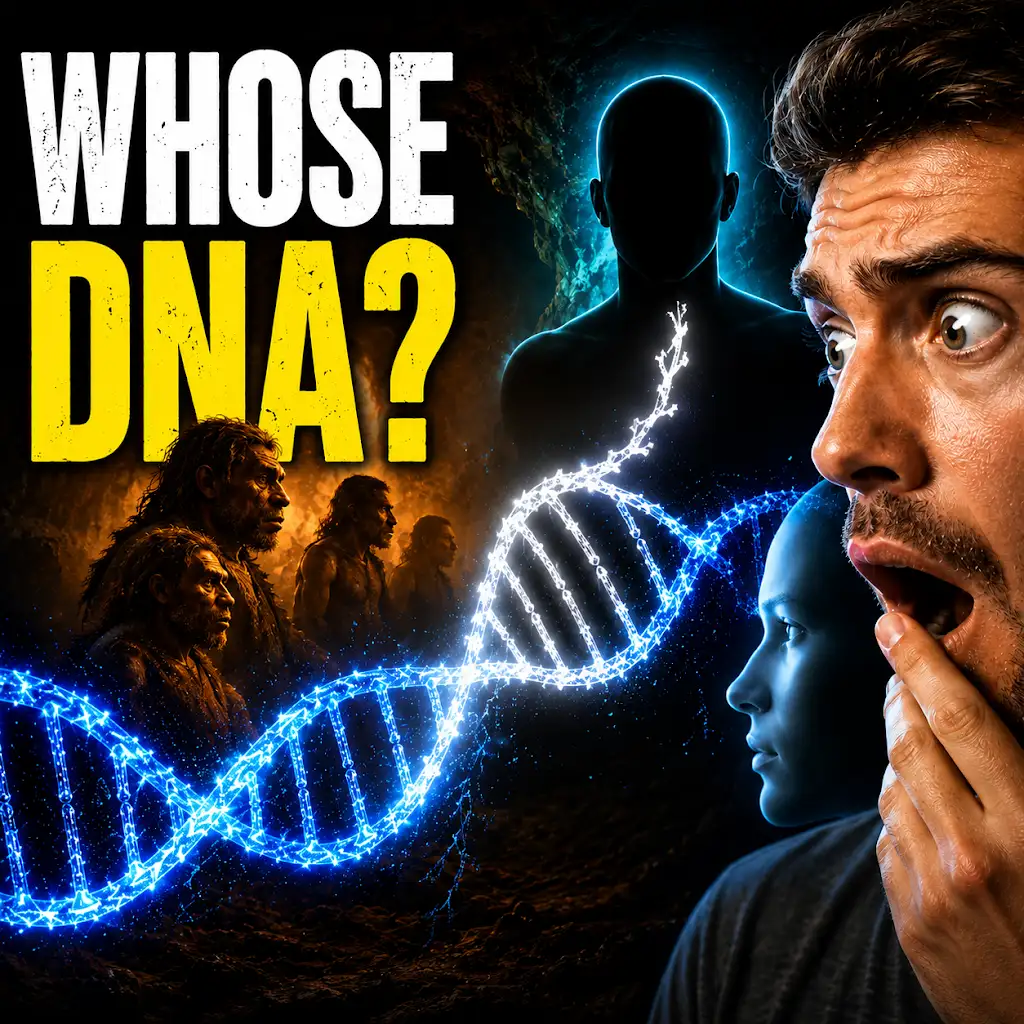
Scientists Found Two Unknown Human Ancestors Hiding in Your DNA
FAQs
1. How do scientists find unknown ancestors?
Scientists use a variety of methods to find unknown ancestors, including DNA analysis, fossil evidence, and archaeological findings. DNA analysis can provide information about genetic relationships and ancestry, while fossil and archaeological evidence can help piece together the evolutionary history of a species.
2. What role does DNA analysis play in finding unknown ancestors?
DNA analysis is a crucial tool for finding unknown ancestors. By comparing the DNA of modern humans or other species with ancient DNA samples, scientists can trace genetic lineages and identify potential ancestors. This can provide valuable insights into the evolutionary history of a species.
3. How do fossil and archaeological findings contribute to the search for unknown ancestors?
Fossil and archaeological findings provide physical evidence of ancient species and their evolutionary history. By studying fossilized remains and artifacts, scientists can reconstruct the appearance, behavior, and habitat of unknown ancestors. This information helps to fill in gaps in the evolutionary timeline.
4. What are some challenges in finding unknown ancestors?
One of the main challenges in finding unknown ancestors is the scarcity of fossil and archaeological evidence. Many ancient species left behind limited physical remains, making it difficult to reconstruct their evolutionary history. Additionally, DNA degradation over time can pose challenges for genetic analysis.
5. How does the search for unknown ancestors contribute to our understanding of human evolution?
The search for unknown ancestors contributes to our understanding of human evolution by providing insights into the origins and development of our species. By uncovering new ancestors and evolutionary pathways, scientists can piece together the complex story of human evolution and better understand our place in the natural world.