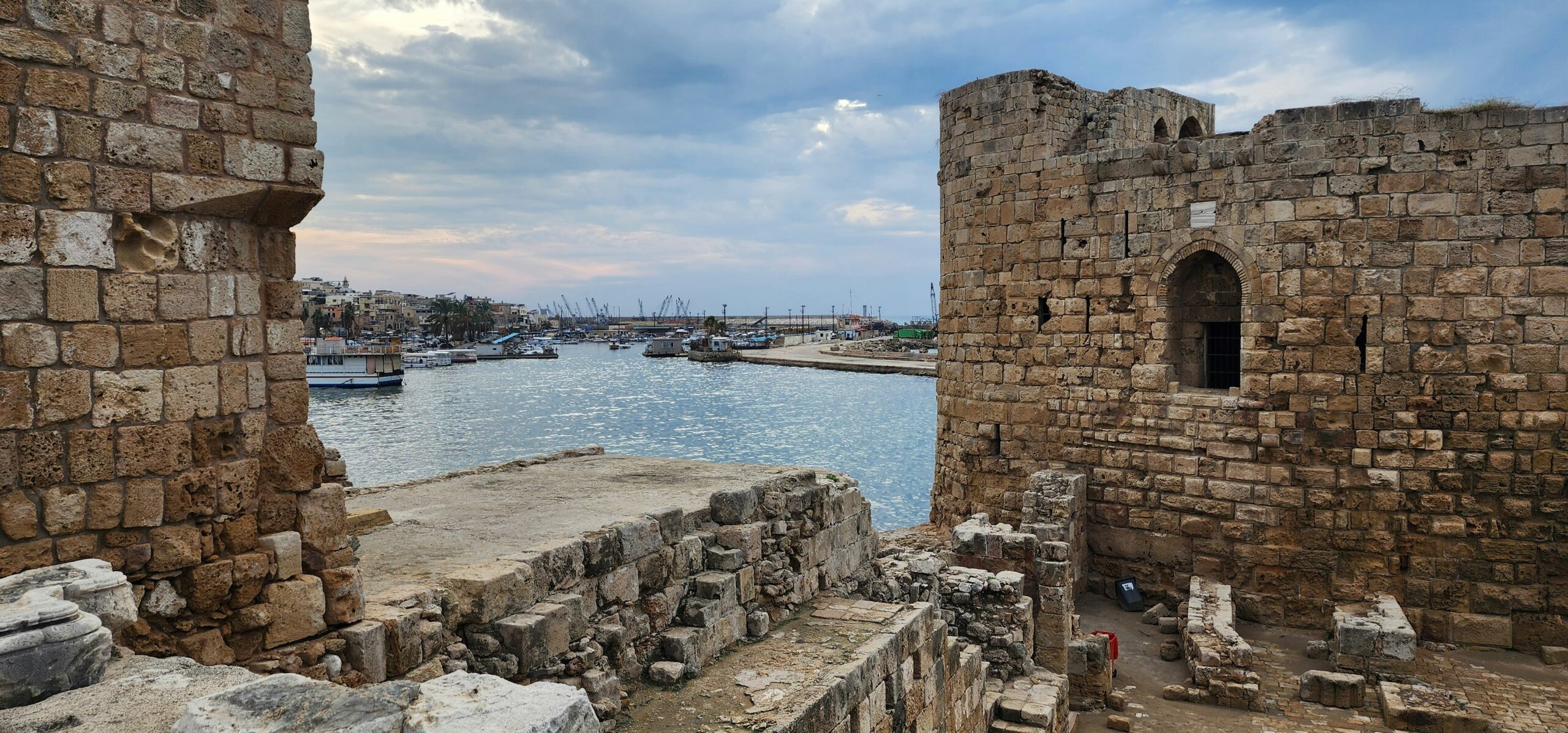
The flickering screen illuminated the hushed room, a portal transporting viewers not to distant galaxies or fantastical realms, but to the very heart of the Americas, a land once teeming with civilizations as complex and sophisticated as any found on Earth. “Uncovering Ancient American Civilizations: A Fascinating Documentary” is not merely a presentation of historical facts; it is an immersive journey, a meticulous excavation of forgotten pasts, and a compelling argument for a radical re-evaluation of human history. This documentary, a masterclass in visual storytelling and archaeological insight, peels back layers of myth and misunderstanding to reveal the extraordinary achievements of peoples who shaped the American continents long before European arrival. It challenges long-held assumptions, sparking curiosity and wonder about the ingenuity, artistry, and societal structures that flourished in these lands for millennia.
The documentary opens with a breathtaking panorama of the Mesoamerican landscape, a vibrant tapestry of verdant jungles, towering mountains, and arid plains. It immediately establishes the vastness and diversity of the regions where these ancient civilizations arose. The narration, delivered with gravitas and a palpable sense of reverence, guides the audience through the initial archaeological discoveries that began to hint at the existence of advanced pre-Columbian societies.
Early Explorations and the Shifting Paradigm
The film delves into the early days of archaeological exploration, highlighting the skepticism and prejudices that often met the first evidence of complex indigenous cultures. It discusses figures like John Lloyd Stephens and Frederick Catherwood, whose adventurous expeditions into Central America in the 19th century brought back vivid illustrations and detailed accounts of Maya ruins, challenging the prevailing belief that the Americas were largely devoid of advanced ancient civilizations. Their work, initially met with disbelief by many in the scientific community, laid the groundwork for future generations of archaeologists. The documentary underscores the importance of these early pioneers, whose courage and dedication were instrumental in shifting the academic paradigm.
The Legacy of Misconception
A significant portion of this introductory section addresses the lingering legacy of colonial narratives and the persistent misconception of indigenous peoples as primitive or uncivilized. The documentary argues that for centuries, a Eurocentric worldview often overshadowed or outright dismissed the accomplishments of Native American cultures, attributing their monumental architecture and sophisticated social systems to outside influences or even supernatural forces. This section serves as a crucial counterpoint, setting the stage for the subsequent deep dives into specific civilizations, demonstrating the magnitude of what had been overlooked.
In exploring the rich tapestry of ancient American civilizations, one can gain deeper insights into the socio-political structures that governed these societies. A related article that delves into the complexities of governance and sovereignty is available at this link: Legal Frameworks for Nationalization: Protecting Sovereign Interests. This piece discusses how modern frameworks can draw parallels with the governance models of ancient civilizations, highlighting the importance of protecting cultural heritage and national interests.
Architects of the Andes: The Inca Empire and its Predecessors
The documentary then shifts its gaze southward, to the majestic Andes Mountains, a formidable natural barrier that served as the cradle for some of the most enduring and impressive civilizations in the Americas. The focus here is on the Inca, the last great empire of the Andes, but also on the civilizations that paved the way for their remarkable ascent.
The Sun Kings: Rise and Reign of the Inca
The Inca Empire, at its zenith, stretched over 2,500 miles along the western coast of South America, a testament to their organizational prowess and military might. The documentary meticulously details the Inca’s rapid expansion, their ingenious administrative systems, and their unparalleled engineering feats. Viewers are treated to stunning aerial footage of Machu Picchu, the iconic citadel perched precariously on a mountain ridge, its purpose still debated by scholars. The film explores the intricate network of roads that connected the vast empire, a feat of engineering that facilitated communication, trade, and troop movement. The complex social hierarchy, the divine status of the Sapa Inca, and the religious practices that permeated daily life are all brought to life through expert interviews and evocative reenactments.
Engineering Marvels: Stone, Roads, and Water
The section on Inca engineering is particularly awe-inspiring. The documentary highlights their mastery of stonework, showcasing the precise fitting of massive granite blocks, a technique so sophisticated that even a knife blade cannot be inserted between them. The seismic resilience of their constructions, built to withstand the frequent earthquakes of the region, is a testament to their understanding of physics and materials science. The extensive road system, often paved and featuring intricate bridges and tunnels, is presented not just as a means of transportation but as a symbol of imperial power and control. The sophisticated irrigation systems, channeling water from distant sources to agricultural terraces, demonstrate their deep understanding of hydrology and their ability to transform challenging landscapes into fertile farmland.
The Shadow of the Sun: Inca Religion and Cosmology
The spiritual beliefs of the Inca are explored with sensitivity and depth. The documentary explains their worship of Inti, the sun god, and the central role of the Sapa Inca as his divine representative on Earth. The sacredness of mountains (apus) and the practice of ancestor veneration are examined, revealing a cosmology deeply intertwined with the natural world. The rituals and ceremonies, often involving offerings and sacrifices, are presented within their historical and cultural context, aiming to foster understanding rather than judgment. The film emphasizes how religion served as a unifying force for the diverse populations within the empire.
The Legacy of the Lords: Pre-Inca Cultures
Before the Inca rose to prominence, other remarkable civilizations flourished in the Andes, leaving behind a rich archaeological legacy. The documentary shines a light on the Moche, renowned for their exquisite pottery and intricate metalwork, and the Nazca, famous for their enigmatic geoglyphs etched into the desert floor.
The Artistry of the Moche
The Moche civilization, which thrived between the 1st and 8th centuries CE on the northern coast of Peru, is celebrated for its artistic achievements. The documentary showcases their lifelike ceramic portraits, which offer unparalleled insights into their faces, hairstyles, and adornments. The intricate gold and silver artifacts, depicting scenes of warfare, ritual, and daily life, reveal a society with a sophisticated understanding of metallurgy and a rich symbolic language. The film explores their monumental adobe pyramids, such as the Huaca del Sol and Huaca de la Luna, revealing the complexity of their urban planning and their religious practices.
Whispers in the Desert: The Nazca Lines
The Nazca culture, flourishing from around 200 BCE to 600 CE, is most famously known for the Nazca Lines, massive geoglyphs etched into the Nazca Desert. The documentary presents various theories regarding their purpose, from astronomical calendars and religious pathways to ritualistic offerings. The sheer scale and precision of these ancient designs, visible only from high altitudes, continue to mystify and inspire. The film emphasizes the immense effort and coordination required to create these enduring artworks, suggesting a highly organized society with a profound connection to the cosmos.
The Mesoamerican Metropolis: Maya, Aztec, and Teotihuacan
Mesoamerica, a region encompassing parts of modern-day Mexico and Central America, was a crucible of innovation, home to some of the most influential and enduring civilizations in the Americas. The documentary dedicates a substantial portion to unraveling the mysteries of the Maya, the Aztecs, and the monumental city of Teotihuacan.
The Masters of Time: The Maya Civilization
The Maya civilization, which flourished for over two millennia, is renowned for its intellectual and artistic achievements. The documentary explores their sophisticated understanding of mathematics and astronomy, their intricate hieroglyphic writing system, and their development of the concept of zero. Viewers are transported to the jungle-clad ruins of Tikal, Palenque, and Chichen Itza, where the grandeur of their stepped pyramids, elaborate temples, and ceremonial centers is brought to life.
The Observatory and the Calendar
The Maya’s profound understanding of celestial cycles is a central theme. The documentary highlights their advanced astronomical observations, which allowed them to accurately predict eclipses and chart the movements of planets. Their complex calendar system, including the Long Count, the Tzolk’in, and the Haab’, is explained, demonstrating a sophisticated temporal framework that governed their rituals, agricultural cycles, and political events. The film suggests that their astronomical knowledge was not merely academic but deeply integrated into their religious and social structures.
The Hieroglyphic Code: Unlocking Maya History
The Maya’s unique hieroglyphic script is presented as a key to understanding their civilization. The documentary details the painstaking process of decipherment, highlighting the work of scholars who have gradually unlocked the secrets of these ancient glyphs. This allows for a richer understanding of Maya history, politics, and mythology, moving beyond mere speculation to factual accounts of their rulers, wars, and dynastic successions. The film emphasizes the importance of this linguistic breakthrough in truly comprehending the Maya worldview.
The Empire of the Feathered Serpent: Teotihuacan
The documentary then turns its attention to Teotihuacan, the “City of the Gods,” a colossal city that dominated Mesoamerica for centuries, its origins and ultimate decline shrouded in mystery. The scale of its Pyramids of the Sun and Moon, and the Avenue of the Dead, is breathtaking, conveying the power and influence of this ancient metropolis.
A Metropolis of Influence
Teotihuacan, which reached its peak between 100 and 650 CE, was one of the largest cities in the world at its time. The documentary explores its grid-like urban planning, its impressive residential compounds, and its extensive trade networks that stretched across Mesoamerica. The influence of Teotihuacan’s art, architecture, and religious iconography can be seen in later cultures, including the Maya and Aztecs, underscoring its profound impact on the region. The film explores the sophisticated craftsmanship evident in their obsidian tools and pottery, further testament to their advanced societal organization.
The Enigma of Decline
The documentary grapples with the perplexing decline of Teotihuacan. While not fully understood, theories of internal strife, environmental degradation, or external invasion are discussed, leaving the audience with a sense of the cyclical nature of civilizations and the enduring mysteries of the past. The film emphasizes that despite its eventual fall, the legacy of Teotihuacan profoundly shaped the subsequent development of Mesoamerican cultures.
The Aztec Ascendancy: Tenochtitlan and Beyond
The documentary culminates its Mesoamerican segment with the rise of the Aztec Empire, a formidable power that built its capital on the challenging environment of Lake Texcoco. The film explores the founding of Tenochtitlan, its impressive chinampas (floating gardens), and the complex religious and political structures that governed their vast domain.
The City on the Lake: Tenochtitlan’s Ingenuity
The sheer ingenuity of the Aztecs in constructing their capital on an island in Lake Texcoco is a focal point. The documentary details their sophisticated system of causeways, canals, and aqueducts that allowed for urban development and provided fresh water. The chinampas, artificial islands created by layering mud and vegetation, allowed for intensive agriculture, feeding a massive population. The grand Templo Mayor, the main temple of Tenochtitlan, is depicted with striking visual reconstructions, showcasing the scale of their religious devotion and their architectural ambition.
Gods, War, and Sacrifice
The Aztec religion, with its pantheon of gods and its emphasis on cyclical creation and destruction, is explored. The documentary discusses the role of warfare in Aztec society, not just for conquest but for the procurement of captives for ritual sacrifice, a practice that has often been misunderstood and sensationalized. The film aims to provide a nuanced understanding of these practices within their cultural and cosmological context, exploring the beliefs that underpinned such actions. The powerful imagery of their obsidian weaponry and feathered regalia further illustrates their warrior culture.
Beyond the Stone: Other Remarkable Civilizations

While the Maya, Inca, and Aztec often dominate historical narratives, the documentary wisely broadens its scope to include other significant, yet perhaps less widely known, ancient American civilizations, revealing the incredible diversity of human achievement across the continents.
The Mound Builders of North America: Adena and Hopewell
The documentary ventures north to explore the enigmatic “Mound Builders” of North America, specifically the Adena and Hopewell cultures, who flourished in the Ohio River Valley between roughly 1000 BCE and 500 CE. These societies are celebrated for their impressive earthworks, including burial mounds and ceremonial enclosures.
Monumental Earthworks and Trade Networks
The film showcases the sheer scale of these earthen constructions, some spanning hundreds of acres and containing intricate geometric designs. The documentary discusses the immense labor and organizational skills required to build these structures, suggesting a complex social hierarchy and a strong sense of communal purpose. Evidence of extensive trade networks, reaching from the Great Lakes to the Gulf of Mexico, is presented through the discovery of exotic materials like copper, shells, and obsidian, demonstrating their far-reaching connections and their sophisticated exchange systems.
A Legacy of Spiritual Depth
The Hopewell, in particular, are highlighted for their sophisticated artistry and their apparent spiritual focus. The documentary examines their finely crafted pottery, their intricate copper ornaments, and their elaborate burial rituals, suggesting a society with a rich symbolic language and a deep reverence for the natural world and the afterlife. While much remains unknown, the film posits that these earthworks were central to their spiritual and social lives.
The Desert Dwellers: Ancestral Puebloans and Hohokam
The documentary then turns its attention to the arid landscapes of the American Southwest, where resilient civilizations carved out a life from the desert. The Ancestral Puebloans (formerly known as Anasazi) and the Hohokam are presented as masters of adaptation and engineering.
Cliff Dwellings and Chaco Canyon: Ancestral Puebloans
The film explores the remarkable cliff dwellings of the Ancestral Puebloans, such as those found at Mesa Verde, and the vast ceremonial center of Chaco Canyon. The architectural ingenuity required to construct these multi-story structures in seemingly inaccessible locations is emphasized. The documentary discusses their sophisticated agricultural techniques, including irrigation and dry-farming, which allowed them to thrive in a challenging environment. The Chaco Canyon, with its Great Houses and its alignment with celestial events, is presented as a significant center of power, trade, and ritual.
Irrigation Masters: The Hohokam
The Hohokam, who flourished in present-day Arizona, are celebrated for their extensive irrigation systems. The documentary showcases their network of canals, some stretching for miles, which transformed the desert into arable land, supporting significant agricultural production. Their unique ball courts, similar to those found in Mesoamerica, suggest cultural exchange and their distinctive pottery, often decorated with red-on-buff designs, is highlighted as a testament to their artistic traditions.
In exploring the fascinating world of ancient American civilizations, one can draw intriguing parallels to the mysteries surrounding monumental structures found in other parts of the world. For instance, the documentary delves into the engineering feats of these early societies, much like the enigmatic stone blocks of Baalbek, which have sparked debate among historians and archaeologists alike. To learn more about this captivating topic, you can read the article on the Baalbek stone block mystery here. Such comparisons not only highlight the ingenuity of ancient cultures but also invite us to question the methods and motivations behind their monumental constructions.
The Enduring Mysteries and the Future of Discovery
| Documentary Title | Release Year | Duration | Main Civilization |
|---|---|---|---|
| Lost Worlds: The Story of Archaeology | 2015 | 60 minutes | Maya Civilization |
| Secrets of the Dead: Teotihuacan’s Lost Kings | 2019 | 90 minutes | Teotihuacan Civilization |
| Ancient Civilizations: The Maya | 2017 | 120 minutes | Maya Civilization |
The documentary concludes by acknowledging the vast unknowns that still shroud these ancient American civilizations. Despite decades of research, many questions remain unanswered, fueling ongoing archaeological inquiry and captivating the public imagination.
Unanswered Questions and Ongoing Research
The film revisits some of the most persistent mysteries: the exact purpose of the Nazca Lines, the precise reasons for the collapse of Teotihuacan, and the full extent of the astronomical knowledge possessed by various cultures. The documentary emphasizes that archaeology is an evolving science, with new technologies and discoveries constantly reshaping our understanding of the past. The use of LIDAR, satellite imagery, and advanced dating techniques are presented as powerful tools that are opening up new avenues of research.
Reclaiming the Narrative: A New Perspective
“Uncovering Ancient American Civilizations” is more than just a historical exploration; it is a call to reconsider our understanding of human history. By showcasing the intellectual, artistic, and technological achievements of these pre-Columbian societies, the documentary challenges the traditional narrative that often marginalizes or dismisses indigenous contributions. It encourages viewers to appreciate the complexity, ingenuity, and resilience of peoples who shaped the Americas for millennia, leaving behind a legacy that continues to inspire awe and wonder. The film serves as a powerful reminder that history is not a static text, but a dynamic and ongoing process of discovery, interpretation, and re-evaluation. The journey into the past is far from over, and this documentary provides a compelling glimpse into the richness and wonder that awaits further exploration.

A City Bigger Than London Once Stood in America. Then It Vanished.
FAQs
What is the focus of the ancient American civilizations documentary?
The documentary focuses on exploring the rich and diverse cultures of ancient American civilizations, including the Maya, Aztec, Inca, and many others. It delves into their history, architecture, art, and technological advancements.
Who are the experts featured in the documentary?
The documentary features renowned archaeologists, historians, and anthropologists who have dedicated their careers to studying ancient American civilizations. These experts provide valuable insights and analysis based on their research and discoveries.
What are some of the key discoveries highlighted in the documentary?
The documentary showcases key archaeological discoveries, such as ancient cities, temples, pyramids, and artifacts that offer a glimpse into the daily lives and beliefs of these civilizations. It also explores the advancements in agriculture, astronomy, and engineering achieved by these ancient cultures.
How does the documentary portray the legacy of ancient American civilizations?
The documentary emphasizes the enduring legacy of ancient American civilizations, highlighting their contributions to art, architecture, mathematics, and astronomy. It also examines the impact of European colonization on these civilizations and their lasting influence on modern-day societies.
Where can viewers access the ancient American civilizations documentary?
The documentary may be available for streaming on various platforms, such as streaming services, educational websites, or through DVD purchase. Viewers can check with their local libraries, educational institutions, or online retailers to access the documentary.