
The whispers of the past, once silenced by millennia, are now finding their voice through the remarkable advancements in ancient DNA analysis. For centuries, scholars have pieced together the narrative of the first Americans through archaeological fragments, linguistic clues, and skeletal remains. However, the advent of paleogenomics has revolutionized this field, offering an unprecedentedly granular view into the peopling of the Americas. This cutting-edge science allows researchers to delve into the very genetic blueprint of individuals who lived thousands of years ago, unraveling intricate migration patterns, population dynamics, and even the cultural connections that bound ancient communities. Recent discoveries are not merely adding footnotes to existing theories; they are redrawing the map of early American history, challenging long-held assumptions, and revealing a far more complex and nuanced story of human migration and adaptation than previously imagined.
The ability to extract and analyze ancient DNA (aDNA) from fossilized remains has been a game-changer for understanding human prehistory. Historically, archaeological evidence provided the primary basis for theories about the peopling of the Americas, focusing on tool technologies, settlement patterns, and skeletal morphology. While invaluable, these methods were often limited in their ability to directly trace genetic lineages and understand population movements with precision. The isolation of DNA from ancient bones, teeth, and even sediments requires meticulous laboratory techniques to avoid contamination and to recover fragmented genetic material. The development of sophisticated sequencing technologies and computational tools has made it possible to reconstruct genomes from these degraded samples, offering direct genetic evidence of ancestry and relationships.
Early Hurdles and Breakthroughs
The initial challenges in extracting viable ancient DNA from the often-harsh environmental conditions of the Americas were significant. High temperatures and humidity can rapidly degrade genetic material, making recovery difficult. Early attempts were met with limited success, often yielding insufficient data for meaningful analysis. However, dedicated researchers persisted, developing improved extraction protocols and employing advanced sequencing methods that could handle low-quality and low-quantity DNA. The recovery of DNA from the Anzick-1 child, a Clovis-era individual, in the early 2010s marked a pivotal moment. This provided direct genetic evidence linking Clovis populations to present-day Native American groups and offered crucial insights into the timing and ancestry of the first widespread North American culture.
The Power of High-Throughput Sequencing
The advent of high-throughput sequencing technologies has been instrumental in overcoming the limitations of earlier genetic analyses. These technologies allow for the rapid and cost-effective sequencing of millions of DNA fragments, enabling the reconstruction of complete or near-complete genomes from ancient samples. This has shifted the paradigm from analyzing single genetic markers to examining the entire genome, providing a much richer dataset for understanding population history. The ability to capture ancient genomes in unprecedented detail has allowed researchers to identify specific ancestral components, track gene flow between populations, and estimate divergence times with greater accuracy, fundamentally reshaping our understanding of the ancient American landscape.
Recent discoveries in ancient American DNA have shed light on the complex histories of indigenous populations and their migrations across the continent. These findings not only challenge previous assumptions about the timeline of human settlement in the Americas but also suggest a rich tapestry of cultural interactions. For further insights into the implications of these discoveries and their connection to the possibility of lost advanced civilizations, you can read the article at Uncovering Evidence of Lost Advanced Civilization.
Revisiting the First Migrations: Beyond the Bering Land Bridge
For decades, the prevailing theory of the peopling of the Americas centered on a single, large-scale migration across the Bering Land Bridge during the Last Glacial Maximum. While this remains a critical component of the narrative, recent aDNA discoveries have revealed a far more complex scenario involving multiple migratory waves and potential coastal routes. The genetic evidence suggests a deeper and more intricate history of human movement and diversification across the continents.
The “Beringian Standstill” Hypothesis Solidified
Genetic data from ancient Siberian populations and early Native American remains has strongly supported the “Beringian Standstill” hypothesis. This theory posits that an ancestral population of Siberians migrated to Beringia (the landmass connecting Asia and North America) and remained isolated there for several thousand years before dispersing into the Americas. The genetic signatures observed in ancient American individuals show a distinct divergence from their Asian counterparts, consistent with a prolonged period of isolation in Beringia. This period of separation allowed for the accumulation of unique genetic adaptations and laid the groundwork for the distinct genetic makeup of indigenous American populations.
Evidence for Multiple Migration Waves
The genetic landscape of the Americas is not a monolithic one, and aDNA studies have begun to illuminate the presence of multiple, distinct migratory events. Rather than a single wave, it appears that different ancestral groups arrived in the Americas at different times, contributing to the diverse genetic tapestry observed today. This challenges the notion of a uniform ancestral population and points towards a more dynamic process of colonization. Researchers are now identifying distinct genetic lineages that correlate with different geographical regions and time periods, suggesting that the initial peopling of the Americas was a multifaceted phenomenon.
The Role of Coastal Routes
The possibility of coastal migration routes, complementing or even predating the overland migration through the ice-free corridor, is gaining traction thanks to aDNA evidence. While direct genetic evidence for early coastal migrants is still being actively sought, indirect genetic signals in certain ancient populations, as well as the timing of their appearance in archaeological records, suggest that movement along the Pacific coast could have been a significant pathway. The availability of marine resources may have supported early human movement and settlement along these routes, potentially allowing for earlier entry into South America than previously thought.
Genetic Diversity and Population Structure
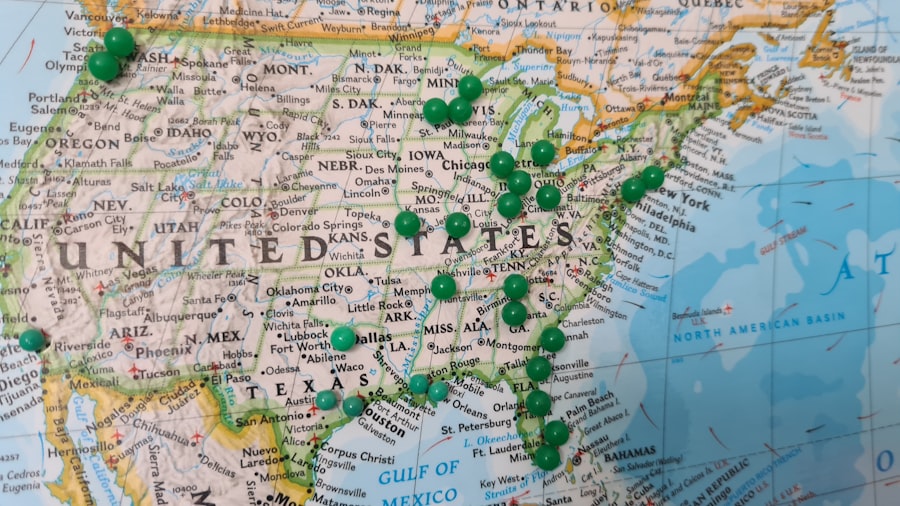
The analysis of ancient genomes has unveiled a remarkable degree of genetic diversity within early American populations and shed light on their complex internal structures. This goes beyond simply identifying broad ethnic groups and delves into the intricate relationships and movements of smaller, interconnected communities. Understanding this diversity is crucial for appreciating the resilience and adaptability of these ancient peoples.
Divergence and Differentiation Across Continents
Genetic studies have demonstrated significant divergence and differentiation among ancient populations across North, Central, and South America. This implies that once populations arrived, they did not remain static but rather developed distinct genetic profiles through isolation, adaptation to local environments, and interaction with neighboring groups. For instance, ancient individuals from the Andes show genetic markers that are distinct from those found in Mesoamerica or the Amazon basin, reflecting independent evolutionary trajectories and long-term regional histories.
The Impact of Gene Flow and Admixture
Gene flow, the movement of genetic material between populations, has played a critical role in shaping the genetic landscape of the Americas. aDNA studies are revealing instances of admixture, where different ancestral groups interbred, contributing to the genetic makeup of subsequent generations. These admixture events can be complex, involving multiple ancestral sources and occurring at different points in time. By analyzing the proportions and timing of these admixture events, researchers can reconstruct detailed demographic histories and understand how populations interacted and merged.
Ancestral Components and Their Distribution
Paleogenomic research is identifying distinct “ancestral components” within ancient American populations. These components represent the genetic contributions from different ancestral groups that migrated into the Americas. By tracing the distribution of these ancestral components across different time periods and geographical locations, researchers can map out the patterns of migration and population movements. This allows for a more nuanced understanding of how different founding populations spread and interacted across the vastness of the Americas.
Ancient Peoples and Their Present-Day Descendants

One of the most profound impacts of ancient DNA research is its ability to connect ancient populations with their living descendants. This has immense cultural and social significance, providing tangible genetic links to the past that can empower indigenous communities and inform their understanding of their own heritage. The ethical implications of this research are also paramount, emphasizing respectful collaboration and data ownership.
Establishing Genetic Continuity
The genetic data from ancient individuals often shows clear continuity with present-day indigenous populations. This provides irrefutable evidence of deep ancestral connections, validating oral histories and cultural narratives that have been passed down through generations. The ability to identify specific ancient individuals whose DNA is directly ancestral to contemporary communities fosters a powerful sense of heritage and belonging.
Collaboration with Indigenous Communities
Ethical considerations and the importance of collaboration with indigenous communities are at the forefront of modern paleogenomic research. Researchers are increasingly working with descendant communities, ensuring that their voices are heard, their cultural protocols are respected, and that the research benefits them directly. This collaborative approach moves beyond simply extracting data and fosters a partnership in understanding shared heritage.
Reclaiming Ancestral Histories
For many indigenous communities, ancient DNA research offers an opportunity to reclaim and enrich their ancestral histories. The genetic evidence can complement and validate traditional knowledge, providing scientific backing for historical narratives and offering new insights into their origins and movements. This can be a powerful tool for cultural revitalization and for challenging historical misrepresentations.
Recent discoveries in ancient American DNA have shed light on the complex histories of indigenous populations, revealing connections that span thousands of years. These findings not only enhance our understanding of migration patterns but also highlight the sophisticated engineering skills of early civilizations. For a deeper exploration of the remarkable achievements of these ancient societies, you can read more in this article about their engineering marvels at uncovering ancient engineering marvels.
Future Directions and Unanswered Questions
| Discovery | Location | Date of Discovery | DNA Type Analyzed | Significance |
|---|---|---|---|---|
| Anzick-1 Clovis Child | Montana, USA | 2014 | Ancient nuclear DNA | Provided evidence of early Native American ancestry linked to Siberian populations |
| Kennewick Man | Washington, USA | 2015 | Ancient nuclear DNA | Confirmed genetic continuity with modern Native American tribes |
| Spirit Cave Mummy | Nevada, USA | 2018 | Ancient nuclear DNA | Oldest genome from North America, supporting early migration theories |
| Upward Sun River Site | Alaska, USA | 2018 | Ancient nuclear DNA | Revealed a previously unknown population related to Native Americans |
| Ancient DNA from Lagoa Santa | Brazil | 2015 | Ancient mitochondrial DNA | Showed genetic links between early South Americans and Australasian populations |
Despite the groundbreaking discoveries of the past decade, the field of ancient American DNA analysis is still in its nascent stages, with numerous avenues for future research and many lingering questions. The ongoing refinement of technologies and the exploration of new ancient sites promise to further illuminate the complex story of human presence in the Americas.
Expanding Geographic and Temporal Coverage
A significant portion of ancient DNA research has focused on specific regions and time periods. Future research aims to expand this coverage to less-studied geographical areas and to delve into even older archaeological contexts. Exploring the genetic history of populations in areas with challenging preservation conditions and examining sites that predate currently well-understood migratory periods will be crucial for a complete picture.
Investigating Genetic Adaptation and Health
Beyond migration, ancient DNA can provide insights into the genetic adaptations that allowed early Americans to thrive in diverse environments and their susceptibility to various diseases. Studying the genomes of ancient individuals can reveal signatures of adaptation to different climates, diets, and pathogens, offering clues about the evolutionary pressures they faced and how they responded. This could also shed light on the historical prevalence and genetic underpinnings of diseases in pre-Columbian populations.
Refining Migration Models and Dating
Continued research will refine existing migration models and potentially uncover entirely new migratory pathways. Improving the accuracy of dating genetic events and understanding the timing of population divergences will be key to developing a more precise chronology of the peopling of the Americas. This includes further investigating the role of early coastal migrations and understanding the genetic contributions of various founding populations. The ongoing quest to understand the deep past of the Americas through the lens of ancient DNA is a testament to human curiosity and the power of scientific innovation. Each new discovery pushes the boundaries of our knowledge, weaving a richer, more intricate, and ultimately more profound understanding of who we are and where we came from.

Kennewick Man’s Skull Said One Thing. DNA Said Another.
FAQs
What are some recent discoveries in ancient American DNA research?
Recent discoveries in ancient American DNA research include evidence of a previously unknown population in the Americas, genetic connections between ancient populations in North and South America, and insights into the migration patterns of early human populations in the Americas.
How is ancient American DNA research conducted?
Ancient American DNA research is conducted by extracting DNA from ancient human remains found at archaeological sites. Scientists use advanced techniques to analyze the DNA and compare it to modern populations to understand genetic relationships, migration patterns, and population movements in the past.
What have ancient American DNA discoveries revealed about the peopling of the Americas?
Ancient American DNA discoveries have revealed a complex history of human migration and interaction in the Americas. They have shown that multiple waves of migration from different ancestral populations contributed to the genetic diversity of Native American populations.
What are some challenges in studying ancient American DNA?
Challenges in studying ancient American DNA include the degradation of DNA over time, contamination from modern DNA, and the limited availability of well-preserved ancient human remains. Researchers must use rigorous methods to ensure the accuracy and reliability of their findings.
How do ancient American DNA discoveries contribute to our understanding of human history?
Ancient American DNA discoveries contribute to our understanding of human history by providing insights into the peopling of the Americas, the interactions between different populations, and the genetic diversity of Native American groups. They help reconstruct the past and shed light on the origins and movements of early human populations in the Americas.