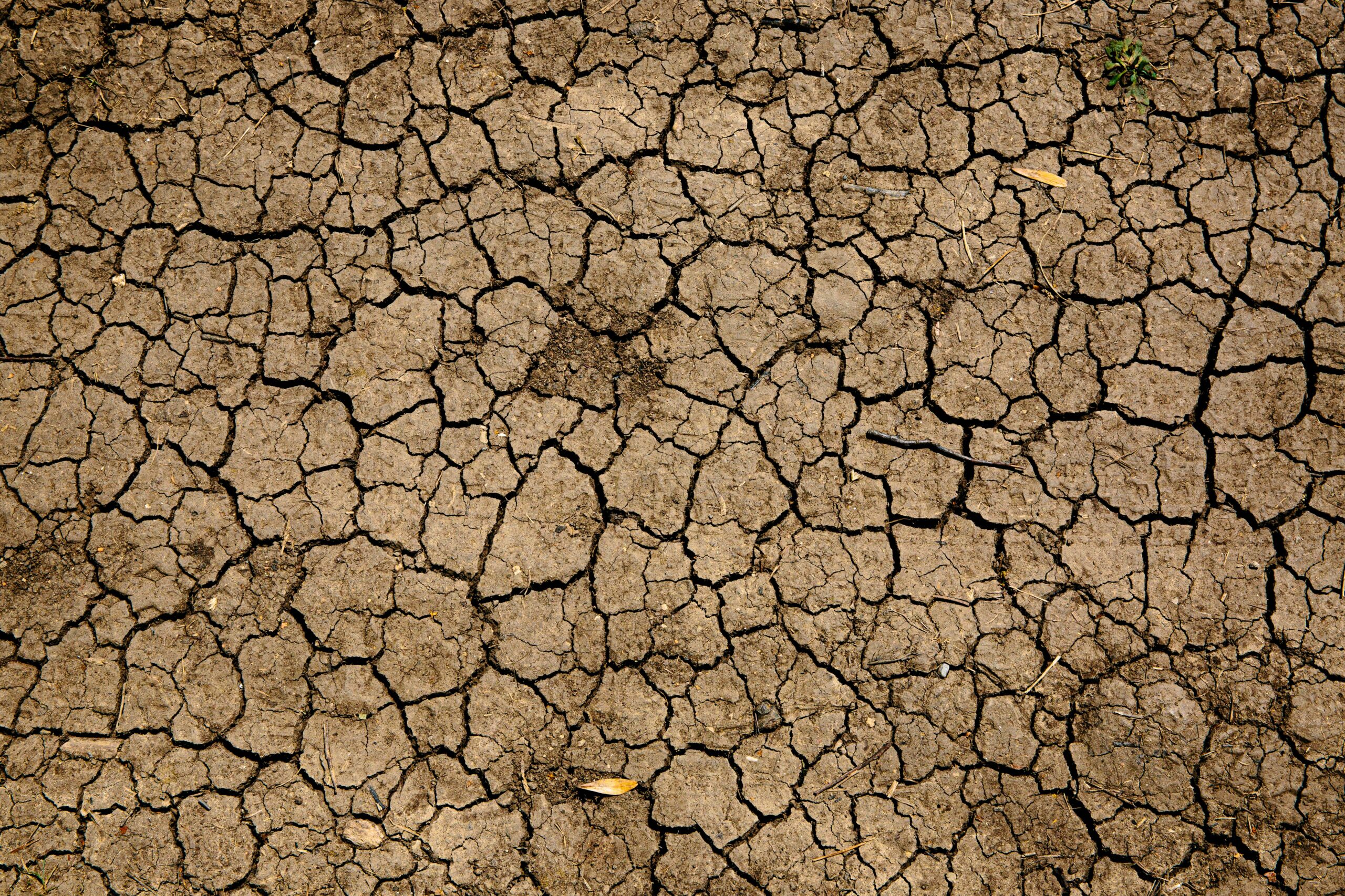
The shifting sands of North Africa hold more than just the echoes of lost civilizations; they are a vast, ancient archive of Earth’s climatic history. For millennia, this sun-drenched region has experienced dramatic transformations, cycling through periods of lush greenery and arid desertification. Uncovering these ancient climate changes is not merely an academic pursuit; it is a crucial endeavor that sheds light on the planet’s dynamic climate system and offers invaluable insights into future environmental scenarios. Scientists, geologists, archaeologists, and paleoclimatologists are piecing together a complex puzzle, using a variety of innovative techniques to read the story etched into the rocks, sediments, and fossilized remains of North Africa.
The prevailing image of North Africa today is one of vast, arid desert. Yet, this perception belies a far more dynamic past. The Sahara, currently the largest hot desert in the world, was not always this way. Extensive geological and archaeological evidence points to periods when the region was significantly wetter, supporting vibrant ecosystems and human populations. These ancient wetter phases, often referred to as “Green Sahara” periods, were driven by complex interactions between orbital cycles, atmospheric circulation, and oceanic currents.
Paleolakes and Ancient Waterways
One of the most compelling pieces of evidence for a wetter Sahara comes from the discovery of extensive paleolakes and ancient river systems. Geologists have identified dried-up lake beds, complete with shorelines, deltas, and sedimentary deposits, scattered across the Sahara and its fringes. These ancient lakes, some as large as modern-day European lakes, would have required substantial rainfall to sustain them. In addition to lakes, evidence of ancient river channels, often buried beneath sand dunes, has been mapped using satellite imagery and ground-penetrating radar. These channels indicate that significant water flow once traversed the region, carving out valleys and supporting riparian vegetation. The presence of these features strongly suggests that rainfall patterns were dramatically different in the past.
Fossilized Flora and Fauna
The fossil record further corroborates the existence of a more hospitable North Africa. Paleontologists have unearthed the remains of species that are incompatible with the current hyper-arid conditions. This includes fish, crocodiles, hippopotamuses, and a variety of plant life that requires consistent water sources. The discovery of freshwater mollusks in ancient lake sediments, for instance, is a clear indicator of sustained freshwater environments. Similarly, fossilized pollen and plant macrofossils reveal the presence of grasslands, savannas, and even wooded areas in regions that are now barren desert. These biological remnants paint a vivid picture of a landscape teeming with life, sustained by abundant water.
Human Habitation and Migration Patterns
The archaeological record offers a human dimension to North Africa’s climatic past. Human settlements, artifacts, and rock art are found in areas that are currently uninhabitable. These include sites with evidence of hunter-gatherer societies, herding communities, and early agricultural practices. The distribution of these ancient human sites often correlates with the locations of past water sources, highlighting the intimate link between climate and human survival. The migration patterns of ancient peoples, often inferred from archaeological findings, also suggest movement in response to changing environmental conditions, with populations expanding into wetter areas and retreating during arid periods. The presence of sophisticated tools, artistic expressions, and evidence of social organization in these ancient wetter periods underscores the significant human adaptation to these fluctuating climates.
Recent studies have shed light on ancient climate change in North Africa, revealing how shifting environmental conditions influenced human migration and settlement patterns in the region. For a deeper understanding of historical climate impacts, you can explore the article titled “The Antarctic Conspiracy: Uncovering the Mystery of the Piri Reis Map,” which discusses the implications of ancient maps and their connections to climate history. To read more, visit this article.
Reconstructing Past Climates: The Science Behind the Story
Understanding the past climate of North Africa requires a multidisciplinary approach, drawing on techniques from various scientific fields. Paleoclimatologists meticulously analyze natural archives to reconstruct past environmental conditions, providing a temporal framework for understanding climate variability. These archives act as natural recorders, preserving information about temperature, precipitation, atmospheric composition, and even the extent of vegetation cover over thousands to millions of years.
Sediment Cores: Layers of Time
One of the most fundamental methods for reconstructing past climates involves the analysis of sediment cores. These long cylinders of layered sediment, extracted from lake beds, ocean floors, and even ancient river deltas, provide a chronological record of environmental changes. Each layer in a sediment core represents a specific period of time, with the composition and characteristics of the sediment reflecting the conditions at the time of deposition. For example, changes in grain size can indicate shifts in water flow, while the presence of specific mineral assemblages can reveal information about erosion rates and the types of rocks being weathered in the surrounding landscape. The analysis of pollen grains preserved within these layers can also reveal changes in vegetation, providing clues about temperature and rainfall.
Speleothems: Stalactites and Stalagmites as Climate Diaries
Speleothems, such as stalactites and stalagmites found in caves, are another invaluable source of paleoclimate information. These mineral formations grow over time through the slow dripping of water, and as the water percolates through the rock, it dissolves minerals, primarily calcium carbonate. When the water emerges within a cave, it precipitates these minerals, gradually building up the speleothem. The isotopic composition of the oxygen and carbon within the speleothem’s calcite layers can provide precise records of past temperature and rainfall. For instance, the ratio of oxygen isotopes is sensitive to temperature, while variations in carbon isotopes can reflect changes in vegetation cover and the amount of CO2 in the atmosphere. By carefully dating and analyzing different layers of a speleothem, scientists can construct high-resolution climate records spanning thousands of years.
Pollen Analysis: Unveiling Ancient Vegetation
The study of pollen grains, known as palynology, is a powerful tool for reconstructing past vegetation and, by extension, past climate. Pollen grains are microscopic structures produced by plants for reproduction. They are remarkably durable and can be preserved for long periods in sediments, ice, and even archaeological deposits. Different plant species produce distinct types and sizes of pollen. By identifying and quantifying the types of pollen found in sediment cores or other archives, scientists can infer the types of vegetation that were dominant in a particular area at a specific time. For example, a high concentration of grass pollen would indicate a grassland environment, while the presence of tree pollen suggests a more forested landscape. Changes in the proportions of different pollen types over time can then be interpreted as evidence of climatic shifts, such as increased rainfall leading to the expansion of forests or aridification causing the dominance of drought-resistant grasses.
The Drivers of North African Climate Change: Orbital Cycles and Beyond

The dramatic climatic shifts observed in North Africa are not random occurrences. They are largely driven by predictable astronomical cycles, primarily related to Earth’s orbit around the Sun, and influenced by other complex Earth system feedbacks. Understanding these drivers is key to predicting future climate trajectories.
Milankovitch Cycles: The Earth’s Orbital Dance
The most significant long-term drivers of climate change in North Africa, and globally, are the Milankovitch cycles. These are cyclical variations in Earth’s orbit, axial tilt, and axial precession, which affect the amount and distribution of solar radiation reaching the Earth’s surface. There are three main Milankovitch cycles:
- Eccentricity: The shape of Earth’s orbit around the Sun varies from nearly circular to slightly elliptical over a cycle of approximately 100,000 years. This affects the overall amount of solar radiation received by Earth.
- Obliquity (Axial Tilt): Earth’s axial tilt, currently around 23.5 degrees, varies between approximately 22.1 and 24.5 degrees over a cycle of about 41,000 years. This tilt is responsible for the seasons, and changes in tilt influence the intensity of seasons.
- Precession: Earth’s axis wobbles like a spinning top over a cycle of roughly 26,000 years. This affects the timing of the seasons relative to Earth’s position in its orbit, influencing how much solar radiation reaches different hemispheres at different times of the year.
These cycles, particularly obliquity and precession, have a profound impact on the summer monsoon in North Africa. During periods when Earth’s tilt is greater and the Northern Hemisphere summer occurs when Earth is closest to the Sun, the Indian and African summer monsoons are intensified. This leads to increased rainfall in North Africa, creating the “Green Sahara” periods. Conversely, when these orbital parameters are unfavorable, the monsoons weaken, leading to aridification.
Monsoonal Dynamics and Atmospheric Circulation
The strength and extent of the African monsoon system are crucial for understanding North Africa’s climate. The monsoon is driven by the differential heating of land and sea, which creates pressure gradients that draw moist air inland. During wetter periods in North Africa, the monsoon system extends further north, bringing rain to the Sahara. Changes in atmospheric circulation patterns, such as shifts in the position and strength of the Intertropical Convergence Zone (ITCZ) – the belt of low pressure and converging winds where the Northern and Southern Hemisphere trade winds meet – also play a critical role. Variations in the ITCZ position are closely linked to Milankovitch cycles and can dictate the latitudinal extent of monsoon rainfall.
Ocean-Atmosphere Feedbacks and Sea Surface Temperatures
Interactions between the oceans and the atmosphere also significantly influence North African climate. Ocean currents and sea surface temperatures can affect atmospheric moisture content and circulation patterns. For example, shifts in the North Atlantic Oscillation (NAO), a climate pattern characterized by variations in the atmospheric pressure difference between Iceland and the Azores, can influence weather patterns across North Africa. Similarly, changes in sea surface temperatures in the Atlantic and Indian Oceans can alter atmospheric moisture transport and rainfall. Scientists are investigating how these oceanic influences interacted with orbital forcing to shape North Africa’s past climates.
Archaeological Discoveries: Traces of Ancient Societies Adapting to Climate

The rich archaeological tapestry of North Africa provides compelling evidence of how ancient human societies responded to and adapted to dramatic climatic shifts. From the early Stone Age to the more recent past, settlements, artifacts, and artistic expressions reveal a dynamic relationship between humans and their environment.
Rock Art as a Climate Chronicle
Perhaps one of the most evocative forms of archaeological evidence comes from the ancient rock art found throughout North Africa, particularly in the Sahara. These captivating petroglyphs and pictographs offer glimpses into the lives and environments of past populations. In regions that are now barren rock and sand, the art depicts a diverse array of animals, including elephants, giraffes, lions, and cattle, which are no longer found in these arid zones. These depictions are strong indicators of a much wetter environment capable of supporting such fauna. Furthermore, the art often portrays scenes of hunting, herding, and daily life, providing insights into the subsistence strategies employed by these ancient communities as they navigated fluctuating climatic conditions. The stylistic changes and subject matter of rock art over time can also offer clues about shifts in environmental pressures and the adaptation of human behavior.
Evidence of Early Pastoralism and Agriculture
The transition from hunter-gatherer lifestyles to more settled forms of subsistence, such as pastoralism and agriculture, is closely tied to climatic stability and the availability of water. Archaeological sites reveal the domestication of animals like cattle and sheep in North Africa during periods of increased rainfall. The presence of grinding stones, pottery associated with food storage, and evidence of cultivated plants all point to the development of agricultural practices. These societies were clearly adept at exploiting the more favorable climatic conditions. However, the abandonment of certain settlements or the shift in the types of domesticates used often reflects periods of increasing aridity, forcing populations to adapt their strategies or relocate to more hospitable areas. The distribution of these sites provides a spatio-temporal record of human resilience and ingenuity in the face of environmental change.
Water Management Systems and Human Ingenuity
In response to the inherent variability of North African climates, ancient populations developed sophisticated water management techniques. Archaeological investigations have uncovered evidence of ancient wells, cisterns, irrigation canals, and reservoirs, particularly in areas that experienced periods of both abundant rainfall and prolonged drought. The construction and maintenance of these systems demonstrate a deep understanding of hydrology and a remarkable capacity for engineering. These efforts not only allowed communities to survive during drier spells but also enabled them to thrive and expand their settlements. The presence of these water management systems underscores the active role humans played in shaping their environment and adapting to its challenges, highlighting a long history of human-climate interaction.
Recent studies have shed light on ancient climate change in North Africa, revealing how shifting environmental conditions influenced human settlements and migration patterns. For a deeper understanding of historical cartography and its connection to these climatic shifts, you can explore an insightful article that discusses the Piri Reis map and its implications for our knowledge of ancient geography. This article can be found here.
Implications for Today and Tomorrow: Lessons from the Ancient Past
| Time Period | Temperature Change | Precipitation Change |
|---|---|---|
| Holocene Climatic Optimum (9,000-5,000 years ago) | Warmer than present | Increased precipitation |
| Little Ice Age (1300-1850 AD) | Cooler temperatures | Decreased precipitation |
| Mid-Holocene (6,000-4,000 years ago) | Warmer than present | Varied precipitation patterns |
The study of ancient climate change in North Africa is far more than an academic exercise in historical climatology. The patterns of change, the drivers of these shifts, and the human responses observed in the past offer crucial lessons for understanding and navigating the climate challenges of the present and future.
Understanding Climate Sensitivity and Feedback Loops
The dramatic swings between lush “Green Sahara” periods and hyper-arid desert conditions in North Africa provide a powerful natural laboratory for studying climate sensitivity. These cycles demonstrate how relatively small changes in Earth’s orbital parameters, amplified by atmospheric and oceanic feedback loops, can lead to profound regional and potentially global climate transformations. By analyzing these past events, scientists can refine climate models, improve their understanding of feedback mechanisms, and better predict the potential magnitude of future climate change. The study of how North Africa’s climate has responded to past variations in solar insolation offers valuable insights into how the region, and similar arid or semi-arid zones, might react to current anthropogenic warming.
Predicting Future Aridification and Desertification
North Africa is already experiencing significant aridification and desertification, exacerbated by climate change and unsustainable land management practices. The historical record of North Africa’s climate cycles offers a stark warning and valuable context for these current trends. Understanding the natural cycles of wet and dry periods, and the factors that influence them, can help predict the long-term trajectory of aridity in the region. This knowledge is critical for developing effective strategies for water resource management, agricultural adaptation, and the mitigation of land degradation. The lessons learned from past societal collapses or successful adaptations during arid periods can inform present-day policy decisions and long-term planning.
Human Adaptation and Resilience in a Changing World
The archaeological evidence of human adaptation to past climatic instability in North Africa is a testament to human resilience and ingenuity. Ancient societies developed innovative strategies for water conservation, food production, and migration in response to environmental pressures. Studying these historical adaptations can provide valuable models and inspiration for present-day communities facing similar challenges. It highlights the importance of flexible and adaptive approaches to resource management, the development of drought-resistant agricultural techniques, and the potential for human mobility in response to climate shifts. By examining how our ancestors navigated dramatic environmental changes, we can gain insights into how to foster greater resilience and sustainability in our own rapidly changing world. The study of North Africa’s ancient climate history, therefore, offers not just a window into the past, but a vital roadmap for a sustainable future.

260 Ancient Graves Were Hiding in This “Empty” Desert
FAQs
What is the significance of studying ancient climate change in North Africa?
Studying ancient climate change in North Africa can provide valuable insights into how past civilizations adapted to environmental changes, as well as how modern societies can prepare for and mitigate the impacts of climate change.
What evidence exists for ancient climate change in North Africa?
Evidence for ancient climate change in North Africa includes geological records, such as sediment cores and fossilized pollen, as well as historical and archaeological data that indicate shifts in precipitation patterns and vegetation cover.
How did ancient climate change impact civilizations in North Africa?
Ancient climate change in North Africa is believed to have influenced the rise and fall of civilizations, such as the ancient Egyptians and the Carthaginians, by affecting agricultural productivity, water availability, and the frequency of extreme weather events.
What can we learn from ancient climate change in North Africa to inform modern climate adaptation strategies?
Studying ancient climate change in North Africa can help us understand how past societies coped with environmental challenges, and inform modern strategies for managing water resources, agriculture, and urban development in the face of climate change.
What are the implications of ancient climate change in North Africa for the present and future?
The implications of ancient climate change in North Africa for the present and future include the potential for similar environmental shifts to occur, as well as the need to develop sustainable and resilient strategies for adapting to and mitigating the impacts of climate change in the region.