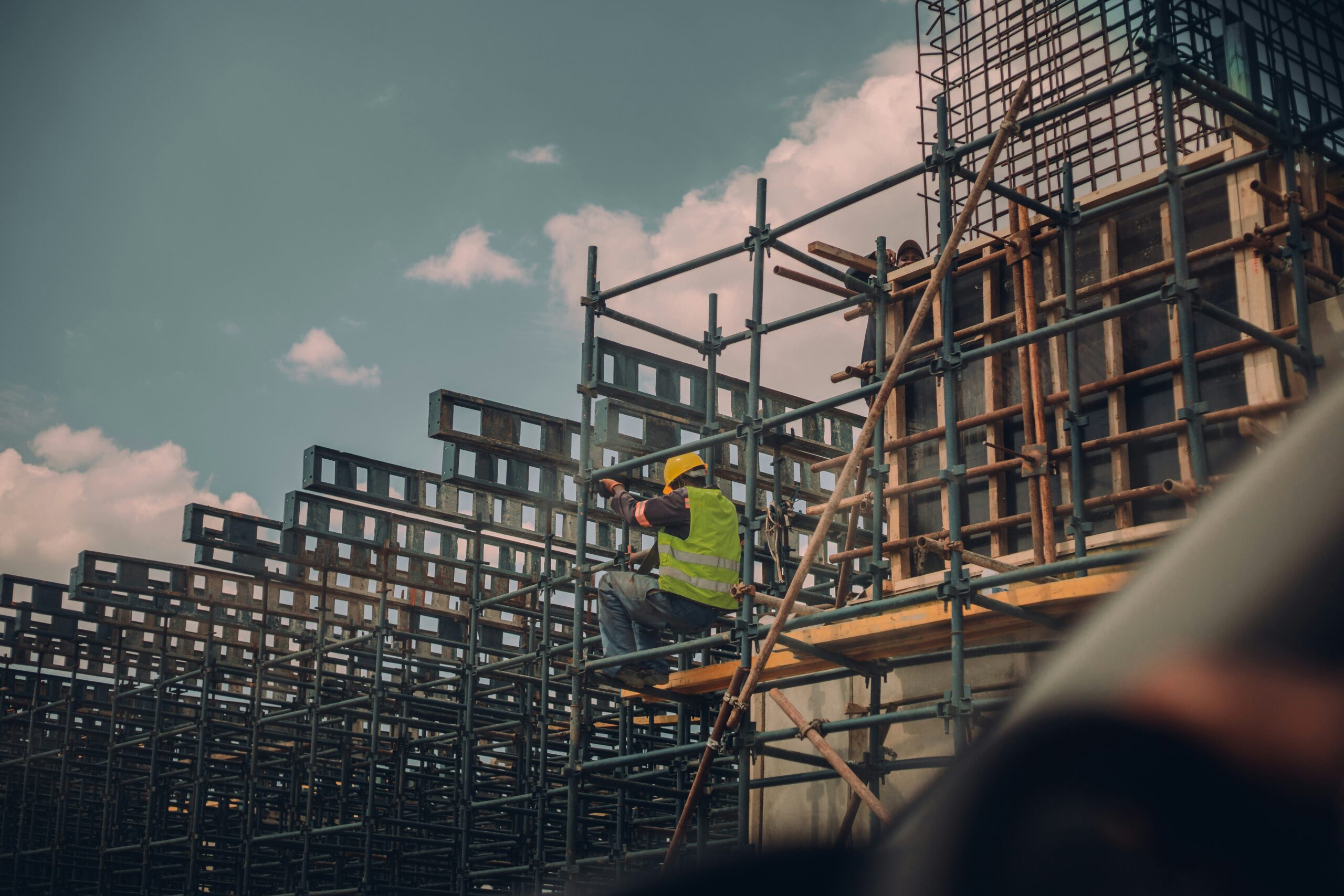
The unassuming title of the documentary, “Uncovering Ancient Construction Methods: A Documentary,” belied the extraordinary journey it offered viewers. Through meticulous research, breathtaking visuals, and insightful commentary, the film embarked on a global expedition to unravel the mysteries behind the monumental structures that have defied centuries, even millennia, of erosion and human intervention. What emerged was not merely a collection of historical facts, but a profound appreciation for the ingenuity, dedication, and sheer audacity of ancient builders.
The documentary began its exploration with the enigmatic megalithic structures, the gargantuan stone formations that stud landscapes across the globe, from the windswept plains of Britain to the sun-baked coasts of the Mediterranean. These monumental works, often predating written history, presented a fundamental challenge: how could ancient peoples, supposedly lacking advanced tools and sophisticated engineering knowledge, move and precisely place stones weighing tens, even hundreds, of tons?
Stonehenge and the Enigma of the Sarsen Stones
A significant portion of the film was dedicated to Stonehenge, perhaps the most iconic megalithic site. The documentary employed photogrammetry and 3D modeling to reconstruct the imagined methods of its construction, focusing on the monumental sarsen stones. Experts discussed the prevailing theories regarding their quarrying, transport, and erection.
Quarrying the Giants: Accessing the Sarsen Beds
The film illustrated the probable methods used to extract the enormous sarsens from the Marlborough Downs. Researchers presented evidence suggesting the use of fire and water – heating the rock faces and then rapidly cooling them with water to induce thermal shock and fracturing. Another theory explored the potential use of wooden wedges, hammered into pre-existing cracks and soaked with water, their subsequent expansion exerting immense pressure to split the stone. The sheer physical labor involved, even with these methods, was emphasized as a testament to the collective effort and organization of the builders.
The Long Haul: Transporting the Colossi
The documentary then delved into the immense undertaking of transporting these massive stones over significant distances. Eyewitness interpretations, supported by archaeological findings of ancient roadways and tracks, suggested the use of log rollers. Teams of hundreds, perhaps thousands, of individuals would have coordinated their efforts to heave and pull the stones, meticulously guiding them across terrain. The film contrasted this with more speculative theories, such as the use of sledges on prepared tracks, possibly lubricated with water or animal fat, although concrete archaeological evidence for the latter remained elusive.
Raising the Pillars: The Art of the Vertical
The erection of the sarsen uprights posed an equally daunting puzzle. The documentary showcased animated reconstructions of plausible techniques. One prevalent theory involved digging a large pit, with one edge sloped. The stone would be carefully maneuvered and levered into the pit, with wedges and ropes used to control its descent. Another possibility depicted was the use of a massive earthen ramp, allowing the stone to be gradually tilted and pulled upright. The precision required to ensure perfect verticality and alignment, particularly for the lintel stones, was highlighted as a feat of spatial reasoning and immense manpower.
The Nuraghe of Sardinia: Fortification and Ingenuity
Moving away from freestanding stones, the documentary then shifted its gaze to the unique Nuraghe of Sardinia. These intricate stone towers, also dating back to the Bronze Age, showcased a different kind of architectural mastery. The film highlighted the sophisticated dry-stone construction techniques employed.
Corbelled Vaulting: Mastering the Arch without the Keystones
The internal chambers of the Nuraghe often featured impressive corbelled vaults. The documentary meticulously explained this construction method. Stones were progressively laid inwards, each layer overhanging the one below it, until the opposing sides met, forming a stable, self-supporting dome. No mortar or scaffolding was required, a testament to the deep understanding of load-bearing principles and the careful selection of interlocking stones.
Defensive Design: Strategic Placement and Resilience
The strategic placement of the Nuraghe, often on hilltops offering commanding views, was also explored. The thick, tapering walls provided exceptional structural integrity and defensive capabilities. The documentary showcased how the complex internal corridors and chambers could confuse attackers and provide shelter. The sheer scale and complexity of some of the larger Nuraghe complexes, such as Su Nuraxi, hinted at a highly organized society with specialized labor and strong leadership.
In exploring the fascinating world of ancient construction methods, one can gain deeper insights by reading the related article titled “The Lost Technology: Evidence of Ancient Purge.” This article delves into the innovative techniques and materials used by ancient civilizations, shedding light on how they achieved remarkable architectural feats that continue to baffle modern engineers. For more information, you can access the article here: The Lost Technology: Evidence of Ancient Purge.
The Sun, the Moon, and the Stars: Celestial Alignment in Ancient Architecture
A recurring theme throughout the documentary was the profound connection between ancient architecture and celestial observation. The builders, it became clear, possessed an intimate understanding of the cosmos, using this knowledge to imbue their structures with astronomical significance.
The Temples of Malta: Aligned with the Solstices and Equinoxes
The megalithic temples of Malta, dating back to the Neolithic period, provided compelling evidence of this astronomical acumen. The film’s researchers presented detailed analyses of the orientation of the temples, demonstrating their precise alignment with the rising and setting sun during the solstices and equinoxes.
The Ggantija Temple: A Cosmic Calendar in Stone
The Ggantija temples, with their colossal stone blocks, were a particular focus. The documentary illustrated how the temple’s apses, or semi-circular chambers, acted as viewing platforms for celestial events. Observers stationed at specific points within the complex could witness the precise moment of sunrise on the winter solstice, for example, marking a significant point in the agricultural calendar and religious observances.
Sophisticated Observation: Beyond Simple Line of Sight
The film suggested that these alignments were not accidental. They likely involved sophisticated observational techniques, possibly employing sighting stones or precisely carved notches to track the movement of celestial bodies. The repetition of these alignments across multiple structures indicated a deliberate and systematic approach to incorporating astronomical data into their design.
Cahokia Mounds: North America’s Ancient Observatory
The documentary then ventured to North America, exploring the impressive urban center of Cahokia, near modern-day St. Louis. The film highlighted the Great Sun Circle, a large wooden palisade with a precise astronomical alignment.
The Woodhenge: Tracking the Sun’s Cycle
The “Woodhenge” structures, reconstructed based on archaeological evidence, were shown to be sophisticated solar calendars. Rows of wooden posts, when viewed from a central point, would align with the rising sun on significant dates throughout the year, including the solstices and equinoxes. The documentary suggested that these were not just decorative but served vital functions in coordinating agricultural activities and social ceremonies.
The Human Element: Ritual and Understanding
The film emphasized that these alignments were likely integrated with ritual and belief systems. The precise marking of celestial events would have held deep cultural and spiritual significance for the people of Cahokia, connecting them to the rhythms of nature and the divine.
Mastering the Elements: Water Management and Earthworks
While monumental stone structures often capture the imagination, the documentary also shed light on the equally impressive achievements in water management and earthworks, demonstrating a profound understanding of hydraulics and landscape manipulation.
The Incan Terraces: Subduing the Andes
The Inca Empire’s mastery of high-altitude agriculture was showcased through their extensive and ingenious terracing systems in the Andes. The film illustrated how these terraces not only created arable land on steep slopes but also controlled water flow and prevented soil erosion.
Hydrological Engineering: The Flow of Life
The documentary meticulously detailed the intricate network of channels, aqueducts, and drainage systems that fed and managed water for the terraces. Experts explained how precise gradients were calculated to ensure efficient irrigation without causing flooding or waterlogging. The film emphasized the immense labor involved in carving these terraces into the mountainside.
Soil Conservation: Sustaining the Land
The construction of retaining walls and the careful layering of different materials on the terraces were explained as crucial for soil conservation. The film highlighted how these ancient techniques were remarkably effective in preventing erosion, allowing for sustained agricultural productivity over centuries.
Roman Aqueducts: The Lifelines of an Empire
The engineering prowess of the Roman Empire was vividly brought to life through the examination of their iconic aqueducts. The documentary revealed the sophisticated surveying and construction methods employed to bring fresh water to their cities.
Precision Surveying: The Gravity’s Pull
The film emphasized the advanced surveying tools and techniques used by Roman engineers, including the chorobates, a long wooden beam with a water channel, and the groma, a sighting instrument. These allowed them to maintain incredibly precise gradients over vast distances, harnessing the power of gravity to deliver water.
Arc and Arch: The Strength of the Curve
The documentary explored the innovative use of the Roman arch in aqueduct construction. It explained how the arch distributed weight efficiently, allowing for the creation of spanning structures that could cross valleys and rivers without requiring massive amounts of material. The film showcased reconstructed Roman quarries and construction sites, bringing to life the scale of these undertakings.
The Art of the Mortar: Binding the Ancient World
While dry-stone construction was prevalent, the documentary also addressed the crucial role of mortar and binding agents in many ancient building traditions, revealing a nuanced understanding of materials science.
Egyptian Pyramids: The Unyielding Foundation
The construction of the Egyptian pyramids, marvels of engineering and durability, was examined with a focus on the binding materials used. While the sheer size of the blocks was awe-inspiring, the film suggested that the effectiveness of the mortar played a significant role in their longevity.
Gypsum Mortar: A Surprisingly Strong Adhesive
The documentary discussed the use of gypsum-based mortars by the ancient Egyptians. Researchers presented findings on the composition of these mortars, highlighting their strength and adhesive properties. The film depicted how the mortar was used not just as a filler but as a binding agent that helped to lock the massive stone blocks together.
Precision Fitting: Beyond Simple Stacking
The film emphasized that the mortar was applied to precisely cut and fitted stones. This meticulous preparation meant that the mortar was not carrying the entire structural load, but rather reinforcing the interlocking of the blocks, contributing to the overall stability of the pyramid.
Roman Concrete: A Revolution in Building
The documentary dedicated a significant segment to the revolutionary invention of Roman concrete. It explored the composition and application of this durable and versatile material.
Pozzolana: The Secret Ingredient
The key to Roman concrete’s longevity, the film explained, was the addition of pozzolana, a volcanic ash found in abundance near the Bay of Naples. This reactive material, when mixed with lime and aggregate, created a concrete that hardened underwater and resisted the corrosive effects of saltwater – a remarkable achievement for the time.
Versatility and Scale: Shaping the Empire
The documentary illustrated how Roman concrete allowed for the construction of large-scale structures like the Pantheon, the Colosseum, and extensive harbor facilities. The film showcased animated reconstructions of Roman concrete production and placement, highlighting the efficiency and speed it afforded builders, ultimately shaping the urban landscape of the Roman Empire.
In exploring the fascinating world of ancient construction methods, one might find it intriguing to consider how these techniques have influenced modern practices. A related article that delves into the complexities of labor and value in contemporary construction can be found at this link. Understanding the evolution of labor practices not only sheds light on our historical achievements but also informs current discussions about the value of craftsmanship in today’s building projects.
Legacy in Stone: Echoes of Ancient Ingenuity
| Construction Method | Location | Materials Used | Techniques |
|---|---|---|---|
| Egyptian Pyramids | Egypt | Limestone, Granite | Ramp construction, precision cutting |
| Inca Stone Walls | Peru | Granite, Limestone | Dry stone construction, precise fitting |
| Roman Aqueducts | Italy, France, Spain | Stone, Concrete | Arch construction, precise gradient calculation |
The documentary concluded not with a definitive pronouncement, but with a profound sense of wonder and continued inquiry. “Uncovering Ancient Construction Methods” left viewers with a deep respect for the ancient architects and laborers, whose ingenuity and dedication continue to inspire and challenge modern engineers and builders.
Timeless Principles: Lessons for Today
The film argued that the principles of careful planning, material understanding, and meticulous execution demonstrated by ancient builders are universally applicable. The sustainability and durability of many ancient structures serve as a stark contrast to some contemporary construction practices.
The Enduring Mystery: Inspiring Future Exploration
While the documentary provided compelling insights, it also acknowledged that many mysteries surrounding ancient construction remain. The film encouraged continued research, technological innovation, and a renewed appreciation for the lost knowledge of our ancestors. The echoes of their ingenuity, reverberating through stone and time, continue to shape our understanding of human potential.

The Greatest Technology Humanity Ever Lost
FAQs
What is the documentary about?
The documentary explores the construction methods used by ancient civilizations to build impressive structures such as pyramids, temples, and other architectural marvels.
Which ancient civilizations are featured in the documentary?
The documentary showcases the construction methods of various ancient civilizations including the Egyptians, Greeks, Romans, and Mayans, among others.
What are some of the construction techniques highlighted in the documentary?
The documentary delves into the use of tools, materials, and engineering techniques employed by ancient builders to create structures that have withstood the test of time.
What can viewers learn from the documentary?
Viewers can gain insights into the ingenuity and craftsmanship of ancient builders, as well as the cultural and historical significance of the structures they created.
Where can the documentary be viewed?
The documentary may be available for streaming on various platforms or through educational institutions and museums that feature historical and archaeological content.