
The Earth’s surface bears silent witness to a tempestuous past, a cosmic history etched not only in its geological formations but also in the very fabric of its sedimentary layers. For millennia, humanity has gazed at the stars, pondering their influence on our planet. While meteorites have long been recognized as tangible visitors from the void, the evidence for more cataclysmic, ancient cosmic impacts has been a subject of intense scientific debate and painstaking discovery. In recent years, a confluence of groundbreaking research is painting a powerful picture of prehistoric cosmic violence, suggesting that celestial bodies have played a role far more dramatic than previously understood in shaping Earth’s history, and crucially, the trajectory of human civilization. This ongoing scientific quest is akin to an interstellar CSI, piecing together fleeting clues scattered across continents and oceans, under ice sheets and in the fossil record, to reconstruct the events of impacts that transpired thousands of years ago.
The Younger Dryas period, a sharp and abrupt return to glacial conditions that occurred approximately 12,900 years ago, has long been a puzzle for climate scientists. The suddenness of this cooling event, interrupting a general warming trend after the last Ice Age, hinted at a dramatic and external forcing mechanism. Emerging evidence now points decisively towards a cosmic impact as the primary driver of this global climatic upheaval. This hypothesis, often referred to as the Younger Dryas Boundary (YDB) event, posits that a significant extraterrestrial object or objects impacted Earth, triggering a cascade of environmental and ecological consequences that reshaped the planet and, importantly, human societies.
Mounting Evidence from Sedimentary Layers
The most compelling evidence for the YDB impact event has emerged from meticulously studied sedimentary layers found globally. These layers, acting as chronological archives of Earth’s history, preserve delicate chemical and physical signatures of events that occurred at a specific point in time. The consistency of these signatures across disparate geographical locations is what lends significant weight to the YDB impact hypothesis. Researchers have painstakingly collected and analyzed samples from various sites, employing a suite of advanced analytical techniques to identify tell-tale indicators of extraterrestrial material and the extreme conditions associated with a cosmic impact.
Marine Sediment Revelations in Baffin Bay
One of the most significant recent contributions to this research comes from studies of deep-sea sediments in Baffin Bay, an area geographically proximate to Greenland. Researchers, including a team led by Moore et al., have reported the discovery of critical impact proxies within these marine strata. These findings include shock-fractured quartz crystals, which exhibit microscopic deformation patterns only achievable under immense pressure, characteristic of impact events. Furthermore, the presence of melt glass, formed when terrestrial materials are subjected to extreme temperatures and rapidly cooled, and metallic dust particles, indicative of vaporized extraterrestrial material, provide robust support for the YDB cosmic impact event. The location of these findings in a marine environment suggests the impact or airburst had widespread effects, potentially influencing oceanic currents and atmospheric composition far from any hypothetical terrestrial impact crater at that time.
Confirmation of the Global YDB Layer
The broader implications of these discoveries are being solidified by independent confirmations. A comprehensive study published in PLOS One has provided significant confirmation of the YDB impact layer at three key Clovis sites located across North America: Arizona, New Mexico, and California. These sites are crucial as they are directly associated with the Clovis culture, a Paleo-Indian culture known for its distinctive stone tools and associated with the extinction of many large North American megafauna. The confirmed presence of impact proxies at these sites—including shock quartz, nanodiamonds, and platinum group elements like iridium (which are rare on Earth’s surface but commonly found in meteorites), and distinctive melted spherules—draws a direct line between the cosmic impact, the demise of the megafauna, and the subsequent collapse of the Clovis culture. This linkage is profoundly significant, suggesting a direct, catastrophic role for the YDB impact in shaping early human history and the North American ecosystem.
The Ice Core Platinum Spike: A Volumetric Signature
The Earth’s polar ice caps, particularly the Greenland ice sheet, are invaluable archives of past atmospheric conditions, preserving annual layers of snow that trap dust, gasses, and chemical pollutants. These frozen records offer a unique perspective on events that interacted with the global atmosphere. The discovery of a massive, abrupt layer of platinum in Greenland ice cores, precisely dated to the period around 12,900 years ago, offers powerful corroborating evidence for the YDB impact hypothesis. Platinum is an element that is considerably more abundant in extraterrestrial objects than in Earth’s crust. A sudden, significant increase in platinum concentration within an ice core layer strongly suggests the atmospheric deposition of material originating from a cosmic source.
Atmospheric Airburst: A Plausible Scenario
The high concentration of platinum, alongside other extraterrestrial markers, in ice cores from Greenland at the time of the Younger Dryas transition has led scientists to favor the concept of a large atmospheric airburst. In this scenario, an extraterrestrial object, likely a comet or a large asteroid, explodes in the Earth’s atmosphere rather than directly impacting the surface. This airburst would have dispersed vast quantities of extraterrestrial material, including platinum-rich dust, high into the atmosphere, where it could then be transported globally and eventually settle out, forming the distinct layer observed in the ice cores. Such an event would have had widespread climatic consequences without necessarily leaving a localized, recognizable impact crater.
Recent studies have uncovered ancient evidence of a cosmic impact that may have played a significant role in shaping Earth’s geological history. This intriguing discovery aligns with findings discussed in a related article about the mysterious landmass beneath the Antarctic ice, which suggests that hidden geological features could provide further insights into past cosmic events. For more information, you can read the article here: Mysterious Landmass Beneath Antarctic Ice.
Melt-Glass Across Continents: The Reach of the Impact
The geographical distribution of impact evidence is crucial for understanding the scale and nature of a cosmic event. The discovery of melt-glass material, a direct product of extremely high temperatures (estimated between 1,700 and 2,200 degrees Celsius), in sedimentary rock layers across multiple continents is a revelation that underscores the immense power and widespread reach of the YDB impact. This material is formed when terrestrial rocks are superheated and fused, a process that is indicative of the intense thermal energy released during an extraterrestrial impact or a massive airburst event.
Evidence from North America and the Middle East
Recent geological surveys have identified this characteristic melt-glass in sedimentary layers in Pennsylvania and South Carolina on the eastern seaboard of the United States, and even as far afield as Syria in the Middle East. The presence of melt-glass in these geographically distant locations, all dating to approximately 12,900 years ago, suggests that the impact event, or its aftermath, affected nearly one-third of the planet. This widespread distribution is difficult to explain with a single, localized terrestrial impact event that would primarily create a crater and its immediate ejecta. Instead, it strongly supports the idea of an extraterrestrial event with a significant atmospheric component that dispersed heat and impact debris over vast distances.
Thermal Signatures of a Cataclysm
The melt-glass itself acts as a thermal signature, a frozen moment in time recording the intense heat generated by the cosmic collision. Laboratory analysis of the melt-glass reveals its composition and the extreme conditions under which it formed. The identification of this material in disparate geological settings, all correlating with the temporal marker of the YDB, provides compelling, tangible evidence of a shared, devastating event. It’s not just a faint chemical trace; it’s a solid, fused artifact testifying to immense cosmic power.
The Evolving Impact Theory: From Crater to Airburst

The prevailing scientific understanding of cosmic impacts has undergone a significant evolution in recent decades, largely driven by the accumulating evidence for events like the YDB. Historically, the focus was on directly observable impact craters as the primary evidence of such events. However, the widespread and diffuse nature of markers associated with the YDB event, such as shock quartz, nanodiamonds, and melt-glass, found across vast geographical areas without a single, undisputed crater, has prompted a re-evaluation of impact dynamics.
The “Cosmic Airburst” Model Gains Traction
Increasingly, scientists are favoring a “cosmic airburst” model over a traditional surface impact scenario for events like the YDB. This revised theory proposes that a large extraterrestrial object, possibly a fragment of a comet or an asteroid, exploded in the Earth’s atmosphere. This airburst would release an immense amount of energy in a very short period, generating intense heat, powerful shockwaves, and dispersing impact debris over a wide area of the northern hemisphere and potentially globally. This model neatly explains the scattered distribution of impact proxies, such as the melt-glass and platinum spikes, without requiring a massive, singular crater that has yet to be definitively identified for the YDB event.
Explaining Widespread Distribution of Markers
The airburst model is particularly effective at explaining why impact markers are found in such diverse locations. The atmospheric explosion would have lofted extraterrestrial material and terrestrial rock fragments to high altitudes, allowing them to travel long distances before settling. The intense heat and pressure generated by the airburst could also have caused widespread melting and fracturing of terrestrial materials, leading to the formation of the observed melt-glass and shock-fractured quartz across the northern hemisphere. This re-conceptualization of impact mechanics is crucial for interpreting the complex geological and environmental datasets now being uncovered.
Challenges and Future Directions
While the airburst model offers compelling explanations, the scientific investigation of ancient cosmic impacts remains a dynamic and evolving field. Researchers continue to grapple with challenges such as differentiating impact-related markers from other geological processes, accurately dating events, and refining models to accurately predict the scale and distribution of damage from such occurrences. Future research will undoubtedly focus on further refining dating techniques, expanding the geographical scope of investigations, and developing more sophisticated simulation models to better understand the dynamics of large-scale airburst events and their profound consequences for Earth’s history.
Multiple Cosmic Events: A Pattern of Destruction?
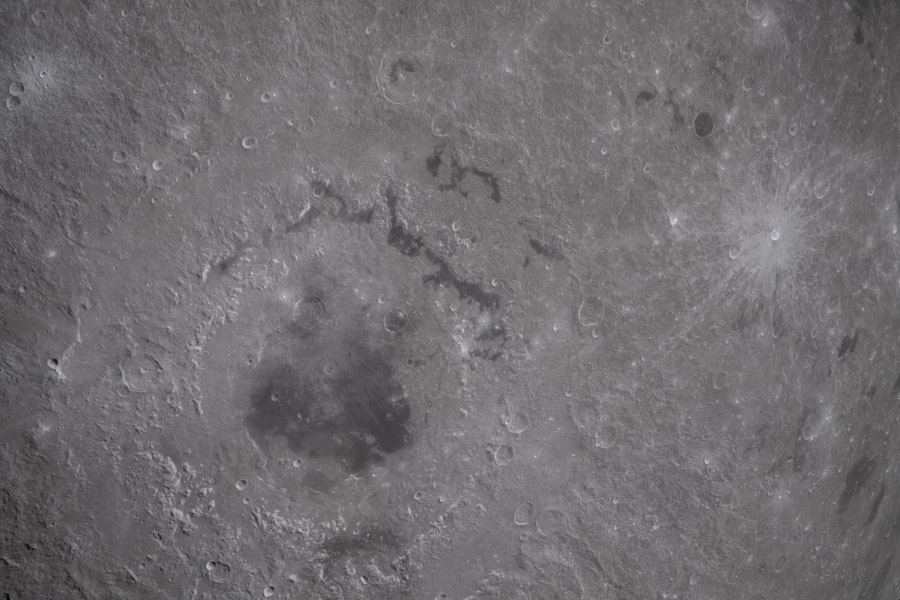
The YDB event, while a focus of intense current research, may not be an isolated incident in Earth’s cosmic bombardment history. Emerging evidence suggests a pattern of multiple, significant extraterrestrial events occurring at different points in prehistory, each leaving its distinct mark on the planet and its inhabitants. This realization shifts the perspective from viewing cosmic impacts as rare, singular catastrophes to a more nuanced understanding of them as recurring, albeit infrequent, agents of profound planetary change.
Deep Ocean Sediments and Ancient Ruins as Witnesses
Recent research, notably led by scientists like James Kennett, has pushed the boundaries of this investigation by examining evidence of multiple airburst events preserved in unexpected locations. Deep ocean sediments, which continuously accumulate material over geological timescales, are now being analyzed for traces of these past extraterrestrial encounters. Furthermore, the ruins of ancient desert cities, often subjected to arid conditions that preserve delicate archaeological evidence, are also yielding clues. By scrutinizing these diverse archives, researchers are gathering new data that supports the hypothesis that the Younger Dryas Boundary event was not an anomaly but potentially one in a series of significant cosmic disturbances.
The “Younger Dryas Boundary” Hypothesis Revisited
The accumulation of evidence for multiple impact proxies, including microscopic glass spherules and distinct elemental anomalies, at various archaeological and geological sites strengthens the “Younger Dryas Boundary” hypothesis, not just as a singular event, but as a period of heightened extraterrestrial activity. This perspective suggests a more complex interplay between cosmic forces and the development of early human civilizations, potentially influencing migration patterns, societal collapse, and the adoption of new technologies and survival strategies. The investigation is moving beyond a singular cataclysm to a more dynamic narrative of Earth’s ongoing interaction with the cosmos.
Implications for Paleoanthropology and Climate Science
The possibility of multiple cosmic impact events has profound implications for fields such as paleoanthropology and climate science. For paleoanthropologists, it necessitates a re-evaluation of the factors driving human evolution and societal development, acknowledging the potential for extraterrestrial triggers of significant change. For climate scientists, it underscores the sensitivity of Earth’s climate system to external forcing mechanisms and the need to incorporate such events into models of past and future climate variability. The interconnectedness of these disciplines is highlighted as they collaboratively piece together the intricate story of our planet’s past.
Recent studies have uncovered ancient evidence of a cosmic impact that may have played a significant role in shaping early Earth environments. This fascinating discovery aligns with ongoing research into how celestial events can influence geological and biological processes. For those interested in the broader implications of such cosmic phenomena on our planet’s history, an insightful article discussing the economic ramifications of global events can be found here. Understanding these connections can provide a deeper perspective on how ancient impacts might have set the stage for future developments.
The Far-Reaching Consequences: Ecology, Climate, and Civilization
| Location | Evidence | Impact Date |
|---|---|---|
| Carolina Bays, USA | Elliptical depressions, microspherules | 12,800 years ago |
| Chicxulub crater, Mexico | Impact crater, iridium layer | 66 million years ago |
| Lonar Lake, India | Impact crater, shocked quartz | 52,000 years ago |
The discovery of ancient cosmic impact evidence is far more than an academic curiosity; it has profound implications for our understanding of Earth’s ecological history, its climate dynamics, and the very trajectory of human civilization. The YDB event, in particular, is increasingly being recognized as a pivotal moment that irrevocably altered the planet’s environmental conditions and, consequently, the course of human development.
Megafauna Extinction and Cultural Collapse
The correlation between the YDB impact event and the extinction of numerous large megafauna species across North America and Eurasia is a cornerstone of the impact hypothesis. These creatures, adapted to a post-glacial warming trend, may have been unable to survive the sudden and drastic environmental shifts triggered by the impact. This ecological devastation would have had significant repercussions for early human hunter-gatherer societies, impacting their food sources and resource availability. The subsequent collapse of the Clovis culture, a sophisticated and widespread Paleo-Indian tradition, is also strongly linked to the YDB event, suggesting that the environmental upheaval caused by the impact rendered their way of life unsustainable.
Environmental Shocks and Adaptation
The impact likely triggered a cascade of environmental shocks. The atmospheric dust and aerosols injected into the stratosphere would have blocked sunlight, leading to a period of rapid cooling and reduced vegetation growth. This, in turn, would have decimated herbivore populations, with cascading effects up the food chain. Early human populations would have faced immense pressure to adapt to these rapidly changing conditions, potentially leading to shifts in settlement patterns, dietary strategies, and the development of new technologies. The evidence suggests a period of significant disruption and societal reorganization driven by a cosmic intervention.
Rethinking Our Place in the Cosmos
The ongoing uncovering of ancient cosmic impact evidence forces humanity to confront a humbling reality: our planet and our civilizations are not isolated entities but are, and have been, profoundly influenced by the dynamic and often violent universe in which we reside. The meticulous work of scientists worldwide, sifting through the geological and archaeological records, reveals that celestial bodies have played a far more active role in Earth’s history than previously imagined. From triggering ice ages and extinctions to potentially shaping the very development of human societies, cosmic impacts are emerging as critical chapters in our planet’s ongoing story. This evolving understanding not only enriches our scientific knowledge but also prompts a deeper reflection on our place in the cosmos and the potential vulnerabilities and opportunities that lie beyond our terrestrial bounds. The quest to understand these ancient impacts continues, promising further revelations about Earth’s past and, perhaps, its future.

The Black Layer That Shouldn’t Exist
FAQs
What is the evidence of a cosmic impact in ancient times?
The evidence of a cosmic impact in ancient times includes the discovery of microspherules, nanodiamonds, and other impact-related materials in sediment layers dating back to the time of the proposed impact event.
Where was the evidence of the cosmic impact found?
The evidence of the cosmic impact was found in various locations around the world, including North America, South America, Europe, and the Middle East. These findings suggest a widespread impact event.
When did the cosmic impact occur?
The cosmic impact is believed to have occurred around 12,800 years ago, during the Younger Dryas period. This period was marked by a sudden return to glacial conditions after a brief warming period.
What are the implications of the cosmic impact on ancient civilizations?
The cosmic impact may have had significant implications for ancient civilizations, including potential environmental disruptions, changes in climate, and impacts on human populations and animal species.
How does the evidence of a cosmic impact contribute to our understanding of ancient history?
The evidence of a cosmic impact provides new insights into ancient history, including the potential impact of cosmic events on human societies, the environment, and the planet as a whole. It also raises questions about the role of such events in shaping the course of human history.