
The arid landscapes of the American Southwest, sculpted by millennia of wind and water, hold secrets far deeper than their dramatic canyons and mesas. Beneath the sun-baked earth lie the remnants of ancient peoples, their stories whispered by pottery shards, skeletal remains, and the very dust of their settlements. For decades, archaeologists and anthropologists have meticulously pieced together these material clues, but a new, revolutionary tool has emerged, capable of unlocking the most intimate details of these past lives: ancient DNA. The extraction and analysis of DNA from the skeletal remains of individuals who lived centuries and millennia ago are transforming our understanding of migration, kinship, diet, and even disease within the vibrant tapestry of ancestral Puebloan and other ancient Southwestern cultures. This field, once the realm of speculative theories, is now providing concrete, molecular evidence, offering unparalleled insights into the human story of this historically rich region.
The Dawn of a New Era in Southwestern Archaeology
For much of the 20th century, archaeological research in the American Southwest was heavily reliant on the interpretation of material culture. Pottery styles, architectural designs, tool assemblages, and burial practices provided a framework for understanding chronological sequences and cultural affiliations. However, questions of direct lineage, precise migratory routes, and the biological relationships between different sites and populations remained largely within the realm of inference. The advent of ancient DNA (aDNA) analysis has irrevocably altered this landscape, moving beyond broad cultural labels to the individual level, allowing for the direct examination of genetic heritage.
The Power of aDNA: Beyond Material Culture
The fundamental advantage of aDNA lies in its ability to directly assess genetic relationships. Unlike pottery that can be traded or adopted, or architectural styles that can be influenced by contact, DNA is inherited. By analyzing the genetic material preserved in ancient bone and teeth, researchers can now determine biological kinship, reconstruct familial structures, and trace ancestral lineages with a precision previously unimaginable. This has profound implications for understanding social organization, inheritance patterns, and the movement of people across the landscape.
Early Challenges and Technological Advancements
The journey to successful aDNA extraction and analysis in the arid Southwest was not without its hurdles. Early attempts were often hampered by contamination from modern DNA and the degradation of DNA molecules in the harsh environmental conditions. However, significant advancements in extraction techniques, sequencing technologies, and bioinformatics have revolutionized the field. The development of specialized protocols to mitigate contamination and the ability to amplify and sequence even highly fragmented DNA have made it possible to retrieve viable genetic information from exceptionally old and poorly preserved samples.
Recent studies on ancient DNA in the American Southwest have shed light on the migration patterns and cultural practices of early inhabitants in the region. These findings not only enhance our understanding of the area’s prehistoric populations but also contribute to broader discussions about human adaptation to changing environments. For more insights into how advancements in technology can impact our understanding of history, you can read an interesting article on modern developments in counter-space weapons at this link.
Illuminating Ancestral Puebloan Migrations and Kinship
The American Southwest is renowned for its impressive Ancestral Puebloan sites, from the cliff dwellings of Mesa Verde to the Great Houses of Chaco Canyon. Understanding how these communities formed, grew, and dispersed has been a central question in Southwestern archaeology. Ancient DNA is now providing definitive answers to long-standing debates, revealing the complex patterns of movement and the intricate webs of kinship that bound these societies together.
Tracing Lineages: From Site to Site
One of the most significant contributions of aDNA research has been its ability to trace the genetic connections between different Ancestral Puebloan sites. Studies have revealed that while many communities were relatively endogamous, meaning they primarily married within their own groups, there were also significant gene flow and movement of individuals between different settlements. This suggests a more dynamic and interconnected social landscape than previously envisioned, with individuals and families migrating to establish new communities or join existing ones.
The Chaco Phenomenon and Genetic Connectivity
The vast scale and influence of Chaco Canyon have always intrigued archaeologists. Ancient DNA studies have begun to shed light on the origins and affiliations of the people who lived and worked in these monumental centers. Research has indicated that while Chaco attracted people from a wide geographic area, there were also distinct genetic signatures associated with its core population, suggesting a complex interplay between local inhabitants and individuals drawn from surrounding regions.
The Kayenta and Mesa Verde Connections
Comparative genetic studies between populations from the Kayenta region and the Mesa Verde area have revealed both shared ancestral components and distinct genetic markers. This suggests periods of both divergence and interaction, offering a more nuanced understanding of the relationships between these major Ancestral Puebloan cultural spheres.
Unraveling Family Structures: The Power of Kinship Analysis
Ancient DNA allows for the direct reconstruction of familial relationships within ancient communities. By analyzing the genomes of individuals buried in close proximity within a settlement, researchers can identify parents, siblings, and other close relatives. This has provided unprecedented insights into the social organization of Ancestral Puebloan societies, revealing evidence of patrilinear and matrilinear descent, as well as the importance of extended family networks.
Evidence of Matrilocality
In some Ancestral Puebloan sites, aDNA studies have provided strong evidence for matrilocality, a system where married couples live with or near the wife’s family. This is often inferred from the observation that individuals of a particular sex are more closely related to their neighbors than individuals of the opposite sex. This finding challenges previous assumptions about social organization and highlights the diversity of kinship systems that existed within the broader Ancestral Puebloan culture.
The Role of Inter-Community Marriage
Ancient DNA analysis has also identified instances of marriage between individuals from different communities. This has been crucial in understanding how cultural practices and ideas were exchanged across the landscape, and how larger social networks were maintained. The identification of individuals who moved between settlements to marry has provided a biological basis for the observed diffusion of material culture.
Diet and Health: A Molecular Window into Ancient Lives
Beyond kinship and migration, ancient DNA offers a unique perspective on the diet and health of past populations. By examining stable isotopes preserved in bone collagen and analyzing specific genetic markers, researchers can infer dietary habits and identify predispositions to certain diseases. This allows for a more holistic understanding of the challenges and adaptations faced by ancient Southwestern peoples.
Stable Isotope Analysis: Reconstructing Ancient Diets
While not strictly DNA, the analysis of stable isotopes of carbon and nitrogen in bone collagen is intimately linked to aDNA studies, as it often utilizes the same skeletal remains. This technique provides direct evidence of an individual’s diet by measuring the ratios of different isotopes of these elements, which vary depending on the types of plants and animals consumed.
The Importance of Maize
The presence of maize (corn) as a staple crop in the American Southwest is well-established. Stable isotope analysis has confirmed the significant reliance on maize by many Ancestral Puebloan populations, and has also revealed variations in the proportion of other food sources, such as wild plants and animals, across different sites and time periods.
Marine vs. Terrestrial Resources
In some coastal regions, stable isotope analysis can differentiate between diets rich in marine resources and those focused on terrestrial food sources. While this is less directly applicable to the inland Southwest, it highlights the potential for aDNA related isotopic studies to reveal broad dietary patterns.
Genetic Predispositions to Disease
The analysis of ancient genomes can also reveal genetic predispositions to certain diseases. While direct evidence of ancient pathogens is often challenging to obtain, identifying genetic variants associated with increased susceptibility to conditions like iron deficiency anemia or certain metabolic disorders can provide insights into the health challenges faced by these ancient populations.
The Impact of Agriculture on Health
The transition to agriculture, with its increased reliance on a limited range of crops, has been linked to changes in health profiles in many populations. aDNA studies can potentially identify genetic adaptations or susceptibilities that arose as a consequence of these dietary shifts.
Ethical Considerations and the Future of aDNA Research
The power of ancient DNA analysis comes with significant ethical responsibilities. The study of human remains, particularly those of indigenous peoples, requires careful consideration of cultural sensitivities, tribal consultation, and the respectful handling of ancestral ancestral remains. The future of aDNA research in the American Southwest is inextricably linked to these ethical considerations.
Respectful Collaboration with Indigenous Communities
The most critical aspect of ethical aDNA research is respectful and meaningful collaboration with descendant indigenous communities. This involves not only obtaining appropriate permissions but also engaging in genuine dialogue, ensuring that research questions are relevant to community interests, and sharing findings in an accessible and culturally appropriate manner. The goal is to empower communities with knowledge about their ancestors, rather than simply extracting data.
Repatriation and Ancestral Rights
The question of repatriation of ancestral remains and associated materials is paramount. aDNA research must be conducted in a way that respects ancestral rights and traditional beliefs regarding the treatment of the dead. This often involves extensive consultation and adherence to cultural protocols.
Addressing Contamination and Misinterpretation
The potential for contamination remains a significant technical challenge in aDNA research. Rigorous laboratory protocols and independent verification are essential to ensure the accuracy and reliability of findings. Furthermore, it is crucial to avoid over-interpreting genetic data in isolation and to integrate aDNA findings with broader archaeological and anthropological evidence.
The Importance of Interdisciplinary Approaches
The most robust and meaningful insights from aDNA research emerge when it is integrated with other lines of evidence. Archaeologists, anthropologists, geneticists, and indigenous scholars must work collaboratively to interpret the complex tapestry of the past.
Recent studies on ancient DNA in the American Southwest have shed light on the migration patterns and cultural interactions of early inhabitants in the region. These findings not only enhance our understanding of the area’s prehistory but also connect to broader discussions about human movement and adaptation in changing environments. For a deeper exploration of how geopolitical dynamics influence historical narratives, you might find this article on the new cold war particularly insightful, as it examines the complexities of modern human interactions and their historical roots. You can read more about it here.
A Deeper Understanding of Human History
The uncovering of ancient DNA in the American Southwest is not merely a scientific endeavor; it is a profound act of reacquainting ourselves with the deep human history of this region. Each newly sequenced genome, each identified kinship link, and each reconstructed dietary pattern adds another layer to the intricate narrative of human adaptation, innovation, and resilience.
Beyond the “Anasazi” Label
The term “Anasazi,” often used in the past, is now largely understood to be problematic and a misnomer. Ancient DNA research, by focusing on individual genetics and specific cultural traditions, helps to move beyond these broad, and often inaccurate, labels, allowing for a more nuanced and respectful understanding of the diverse peoples who inhabited the Southwest.
The Continuity of People and Culture
By tracing genetic lineages, aDNA research can help to demonstrate the biological and cultural continuity between ancient populations and contemporary indigenous communities. This has immense significance for contemporary indigenous peoples seeking to understand their heritage and affirm their connection to ancestral lands and traditions.
The Dynamic Nature of Past Societies
The evidence from ancient DNA paints a picture of dynamic, complex, and interconnected societies. It reveals that these ancient peoples were not static inhabitants of the landscape but rather active participants in migration, trade, and social change. The genetic data underscores the human agency that shaped the history of the American Southwest.
A Continuing Frontier of Discovery
The field of ancient DNA is still relatively young, and the American Southwest, with its vast archaeological record, offers an unparalleled opportunity for continued discovery. As technologies advance and research expands, we can anticipate even more groundbreaking revelations about the lives, relationships, and journeys of the ancient peoples who called this magnificent region home. The whispers from the dust are growing louder, and with the aid of ancient DNA, their stories are finally beginning to be fully heard.
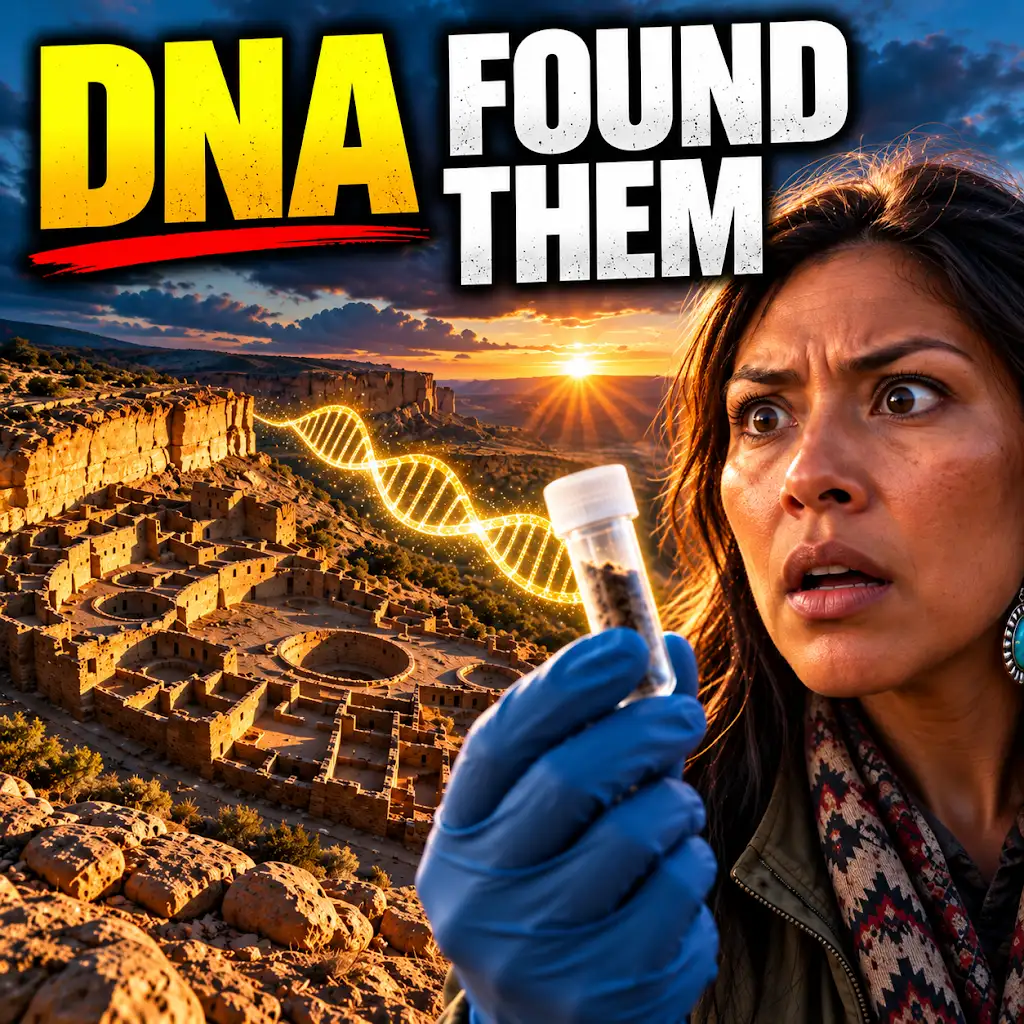
Ancient DNA Found a Living Link to Chaco Canyon
FAQs
What is ancient DNA analysis?
Ancient DNA analysis is a scientific technique used to study and analyze genetic material extracted from ancient remains, such as bones, teeth, and artifacts.
How is ancient DNA extracted from archaeological samples?
Ancient DNA is typically extracted from archaeological samples by carefully collecting small bone or tooth samples, and then using specialized laboratory techniques to isolate and amplify the ancient DNA molecules.
What can ancient DNA tell us about the American Southwest?
Ancient DNA analysis in the American Southwest has provided insights into the genetic diversity, migration patterns, and population dynamics of ancient Native American populations in the region.
What are some challenges associated with ancient DNA analysis in the American Southwest?
Challenges associated with ancient DNA analysis in the American Southwest include sample degradation, contamination from modern DNA, and the limited availability of well-preserved ancient remains.
How has ancient DNA analysis reshaped our understanding of the history of the American Southwest?
Ancient DNA analysis has reshaped our understanding of the history of the American Southwest by providing new information about the genetic relationships between ancient populations, their migration patterns, and their interactions with neighboring groups.