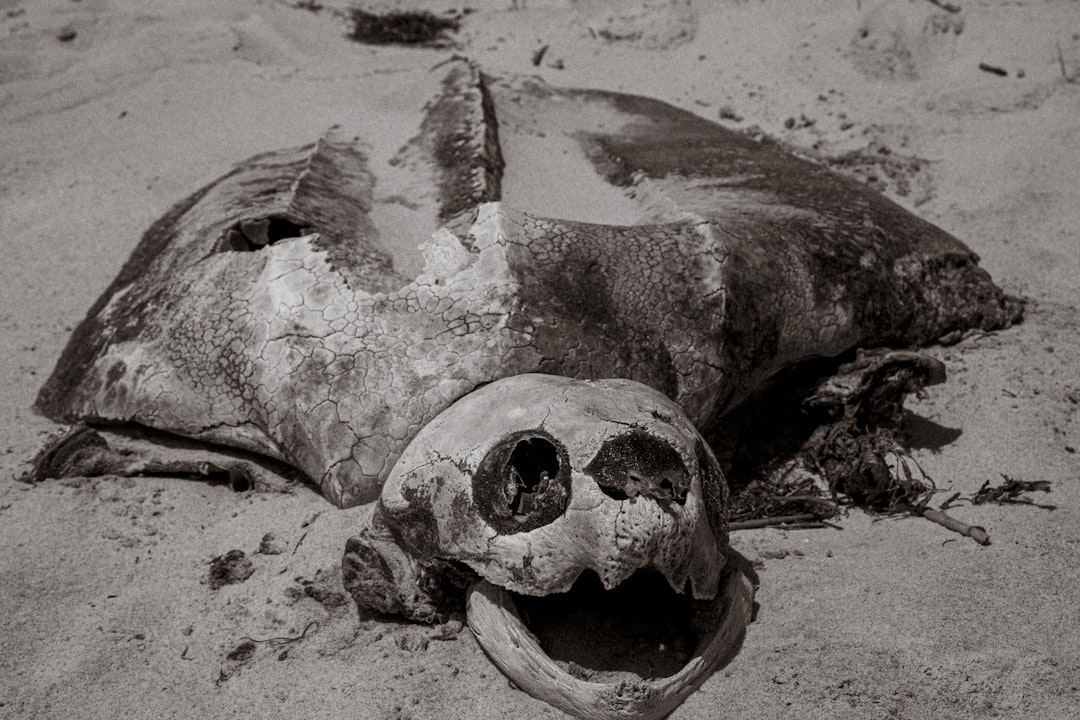
The scorching sun beat down relentlessly on the Egyptian desert, a vast expanse of sand and rock that has guarded its secrets for millennia. For centuries, tales of pharaohs and pyramids have dominated the narrative of this ancient land, but beneath the shifting dunes, another, far older story lay buried: the story of the sea. Specifically, the tale of the predators that once ruled its ancient waters, now preserved as fossilized fragments of bone and cartilage. The discovery of ancient Egyptian desert shark fossils is not a singular event, but rather a slow, painstaking process of excavation, analysis, and interpretation, a testament to the enduring power of scientific inquiry to unearth the deepest histories of our planet.
Egypt, as it is known today, is a land defined by its arid climate and the life-giving Nile River. Yet, geological evidence paints a dramatically different picture for its distant past. Millions of years ago, during the Late Eocene and Oligocene epochs (roughly 34 to 23 million years ago), large swathes of what is now Egypt were submerged beneath the Tethys Sea, a vast ocean that once connected the Atlantic and Pacific. This ancient sea teemed with life, and its sediments are rich with the remains of marine organisms, including a surprisingly diverse array of sharks.
The Geological Canvas: Unveiling Ancient Seas
The presence of shark fossils in the Egyptian desert is a direct consequence of tectonic plate movements and changes in sea level over geological timescales. The African continent, upon which Egypt sits, has undergone significant shifts, leading to periods of submersion and emergence. During the Eocene and Oligocene, the region experienced a period of significant marine transgression, where sea levels rose and flooded inland areas, creating shallow, warm seas ideal for marine ecosystems to flourish.
Understanding Geological Epochs and Their Significance
To appreciate the context of these discoveries, it is crucial to understand the geological epochs involved. The Eocene, often referred to as the “Age of Mammals,” also saw a continuation of marine life from the preceding Paleogene period. The Oligocene, which followed, was a period of significant global cooling and continental glaciation, but the shallow seas in regions like Egypt persisted, supporting their unique marine fauna. The sedimentary rocks of these periods, predominantly limestones and shales, are the key repositories for these ancient marine fossils.
Tectonic Plates and Sea Level Fluctuations: The Shapers of Ancient Landscapes
The forces of plate tectonics are fundamental to understanding why marine fossils are found in terrestrial deserts. As tectonic plates move and interact, they cause landmasses to rise, fall, and collide. These processes, combined with global changes in ice volume and ocean temperature, directly influence sea levels. In ancient Egypt, these forces led to the inundation of vast areas, creating prime habitats for marine life that, upon their demise, were entombed in the accumulating sediments.
The Tethys Sea: A Cradle of Biodiversity
The Tethys Sea was not just any body of water; it was a cradle of biodiversity, supporting a rich and varied marine ecosystem. Its warm, shallow waters and abundant food sources provided an ideal environment for a multitude of marine creatures, including numerous shark species. The fossil record from this period in Egypt offers a unique window into this lost world, revealing species that are either extinct or have evolved significantly since that time.
The Importance of Paleogeographic Reconstructions
Paleogeographic reconstructions, which are scientific attempts to map the geography of the Earth in past geological periods, are vital for understanding the distribution of these ancient marine environments. By studying the rock types, fossil assemblages, and structural geology of a region, paleontologists can infer the extent and characteristics of ancient seas like the Tethys. These reconstructions help scientists pinpoint areas where marine fossils are likely to be found, guiding their fieldwork.
Evidence of Ancient Currents and Climate
The types of marine life found in fossil deposits can also offer clues about ancient ocean currents, water temperature, and salinity. The presence of specific shark species, for example, can indicate whether the waters were warm and tropical, or cooler and more temperate. This information is crucial for building a comprehensive picture of the ancient Egyptian climate and its impact on marine ecosystems.
Recent discoveries of shark fossils in the Egyptian desert have shed light on the ancient marine ecosystems that once thrived in the region. These fossils provide crucial insights into the evolution of sharks and their adaptation to changing environments over millions of years. For those interested in understanding how trade agreements like the USMCA can impact global fossil trade and research, you can explore more in this related article: Understanding the USMCA Trade Agreement.
The Silent Predators: Unearthing Shark Fossils
The process of uncovering shark fossils in the Egyptian desert is a challenging yet rewarding endeavor. Unlike the more robust bones of land animals, shark skeletons are primarily composed of cartilage, which rarely fossilizes. What typically survives are the sharks’ incredibly durable teeth and, occasionally, calcified vertebrae. These fragments, often scattered and weathered, require keen eyes and a deep understanding of paleontology to identify and collect.
The Fossil Hunter’s Toolkit: From Brush to Bulldozer
The techniques employed in fossil excavation can vary significantly depending on the scale of the discovery and the nature of the geological deposits. For delicate specimens or small fragments, meticulous excavation using brushes, dental picks, and small trowels is essential. In cases of larger fossil beds or more robust specimens, heavier equipment like jackhammers and even bulldozers may be used, albeit with extreme caution to avoid damaging the fossils.
The Art of Excavation: Patience and Precision
Paleontological excavation is a slow and deliberate process. Field teams meticulously clear away the overlying sediment layer by layer, exposing the fossils. This often involves working in harsh environmental conditions, with extreme heat and dust being constant companions. The goal is to remove the fossil from its surrounding matrix with as little damage as possible, a task that demands immense patience and precision.
The Role of Geology in Fossil Site Selection
Geologists play a crucial role in identifying potential fossil sites. They analyze rock formations, looking for sedimentary layers that are known to have formed in marine environments during the relevant geological periods. Understanding the stratigraphy – the study of rock layers and their sequence – helps paleontologists predict where shark fossils are most likely to be found.
Teeth as Time Capsules: The Most Common Discoveries
Shark teeth are by far the most common type of shark fossil found in Egypt. Their enameloid coating is exceptionally hard, allowing them to withstand the ravages of time and the elements. These teeth, ranging from tiny fragments to impressive, well-preserved specimens, are invaluable for identifying specific shark species and understanding their diet and predatory habits.
The Significance of Dental Morphology
The shape, size, and serrations of a shark tooth provide a wealth of information for paleontologists. By comparing these features to those of modern sharks, scientists can identify fossilized teeth to specific genera and even species. This allows them to reconstruct the diversity of shark populations that inhabited ancient Egypt.
Dating the Discoveries: Radiometric and Stratigraphic Methods
The age of shark fossils can be determined through various methods. Radiometric dating, which analyzes the decay of radioactive isotopes within surrounding rock layers, provides absolute ages. Stratigraphic dating, on the other hand, relies on the relative position of fossils within rock sequences, comparing them to known geological time scales.
Beyond the Teeth: Rarer Discoveries
While teeth are abundant, the discovery of more complete shark remains, such as calcified vertebrae or even articulated skeletal fragments, is exceedingly rare but scientifically invaluable. These discoveries offer a more holistic understanding of the shark’s anatomy, growth patterns, and potential swimming capabilities.
Preserving Cartilaginous Structures: The Challenge of Fossilization
The cartilaginous nature of shark skeletons presents a significant challenge for fossilization. Cartilage decomposes relatively quickly after death. For it to fossilize, the remains must be rapidly buried in fine-grained sediment under anoxic (oxygen-poor) conditions, which inhibits decay. These conditions are not always met, making the preservation of anything beyond teeth and isolated calcified elements a stroke of luck.
Insights into Shark Anatomy and Evolution
When rarer, more complete shark fossils are found, they can provide crucial insights into the anatomy and evolutionary history of these ancient predators. These discoveries can reveal details about fin structure, body shape, and the arrangement of vertebrae that are not apparent from teeth alone. This contributes to our understanding of how sharks have adapted and evolved over millions of years.
From Ancient Seas to Modern Deserts: The Transformation of Landscapes
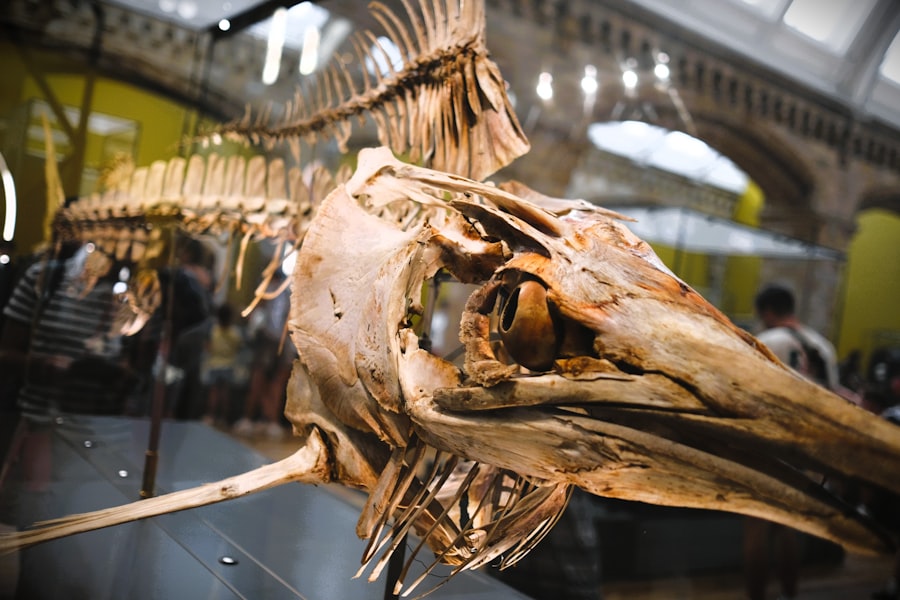
The presence of marine fossils in the heart of the Egyptian desert is a striking reminder of the profound geological transformations that have shaped the planet. The vast, life-rich Tethys Sea that once covered these lands has long since receded, leaving behind its fossilized legacy in the arid landscapes we see today. This transition from marine to terrestrial environments is a testament to the dynamic nature of Earth’s geology.
The Receding Tides: Processes of Emergence
The emergence of land from beneath the sea is a gradual process driven by a combination of tectonic uplift and changes in global sea levels. Over millions of years, geological forces can cause the Earth’s crust to buckle and rise, lifting submerged landmasses above the water. Simultaneously, fluctuations in global ice volume and ocean temperatures can lead to significant drops in sea level, exposing vast areas of the ocean floor.
Uplift and Subsidence: The Shifting Earth’s Crust
Tectonic activity plays a pivotal role in the emergence of land. Collision of continental plates can lead to the formation of mountain ranges and the uplift of extensive land areas. Conversely, tectonic forces can also cause land to subside, leading to inundation. The interplay of these processes dictates where land is created and where seas form.
Climate Change and Sea Level: Global Influences
Global climate plays a significant role in sea level. During periods of glaciation, large amounts of water are locked up in ice sheets, causing global sea levels to drop. Conversely, during warmer interglacial periods, melting ice contributes to rising sea levels. These global climate shifts have had a profound impact on the extent of ancient seas like the Tethys.
The Sand Blown Legacy: Erosion and Preservation
Once land emerges, it is subject to the forces of erosion. Wind and water relentlessly sculpt the landscape, shaping the topography and, in some cases, exposing buried fossils. The desert environment of Egypt, with its strong winds, is particularly effective at eroding away softer rock layers, often leaving behind the more resistant fossilized remains.
Wind as a Sculptor: Aeolian Processes in the Desert
Wind is a dominant force in desert environments. Aeolian processes, which involve the transport and deposition of sand and dust by wind, are responsible for shaping sand dunes and creating vast, barren plains. In the context of fossil discovery, wind erosion can effectively uncover ancient bone and tooth fragments that have been buried for millions of years.
The Role of Water in Erosion and Fossil Exposure
While deserts are characterized by aridity, intermittent rainfall can also play a significant role in erosion. Flash floods can carve out wadis (dry riverbeds) and expose fossil-bearing strata. Over longer geological timescales, even small amounts of water can contribute to the weathering and breakdown of rock, aiding in the uncovering of fossils.
A Unique Fossil Record: The Egyptian Desert’s Contribution
The fossil record found in the Egyptian desert is unique because it represents a specific intersection of geological history, paleogeography, and climate. The combination of the ancient Tethys Sea, the tectonic forces that uplifted the land, and the arid conditions that have preserved the fossils has created a treasure trove for paleontologists.
Insights into Extinct Shark Species
The shark fossils discovered in Egypt provide invaluable information about extinct shark species that once populated the Tethys Sea. These species may be ancestral to modern sharks, or they may represent entirely separate evolutionary lineages that have since disappeared. Studying these fossils helps us understand the diversification and evolution of sharks over millions of years.
Reconstructing Ancient Ecosystems
By studying the diversity of shark fossils found in conjunction with other marine fossils (such as mollusks, fish, and marine reptiles), paleontologists can reconstruct the ancient ecosystems that existed in this region. This allows them to understand the predator-prey relationships, the food web structure, and the overall biodiversity of these prehistoric marine environments.
The Scientific Pursuit: Unraveling Ancient Mysteries
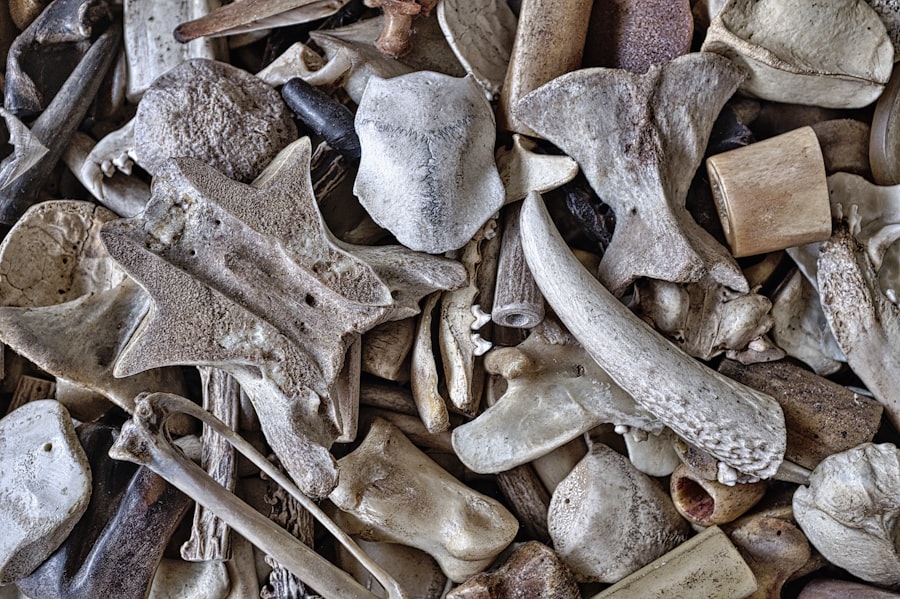
The discovery and study of ancient Egyptian desert shark fossils are not merely about finding old bones; they are about engaging in a rigorous scientific pursuit to unravel the planet’s deep past. Each fossil unearthed represents a piece of a vast puzzle, contributing to our understanding of evolution, ancient environments, and the dynamic history of life on Earth.
The Role of Paleontology: A Window to the Past
Paleontology, the scientific study of fossilized life, is the discipline at the forefront of these discoveries. Paleontologists employ a range of techniques to analyze, classify, and interpret fossil evidence, shedding light on the organisms that once inhabited our planet and the environments in which they lived.
Taxonomy and Classification: Identifying the Ancient Predators
A primary task for paleontologists is the classification of newly discovered fossils. This involves comparing their morphological characteristics to known species, both fossil and extant, to determine their taxonomic position. This meticulous process of taxonomy is crucial for understanding evolutionary relationships and the diversity of life.
Reconstructing Paleoecology and Paleoenvironments
Beyond simple identification, paleontologists aim to reconstruct the ancient ecological conditions in which these fossils were formed. This involves analyzing the surrounding rock strata, the associated fossil assemblages, and the geological context to infer aspects like water depth, temperature, salinity, and the presence of other flora and fauna.
Collaboration and Technology: Enhancing Discoveries
Modern paleontological research often involves interdisciplinary collaboration and the application of advanced technologies. Fieldwork is often complemented by laboratory analysis, where sophisticated imaging techniques and chemical analyses can reveal hidden details within fossils.
Advanced Imaging Techniques: CT Scans and Micro-CT
Computed tomography (CT) scanning and micro-CT scanning are powerful non-destructive imaging techniques that allow paleontologists to visualize the internal structures of fossils without physically dissecting them. This is particularly useful for fragile or encased specimens, revealing details of bone structure, dental morphology, and even soft tissue impressions that might otherwise be missed.
Isotopic Analysis: Clues to Diet and Environment
Isotopic analysis of fossilized teeth and bones can provide valuable information about the diet and environment of ancient animals. By examining the ratios of different isotopes of elements like carbon and oxygen, scientists can infer what these sharks ate and the conditions of the waters they inhabited.
The Ongoing Quest: Future Discoveries and Research
The Egyptian desert continues to hold immense potential for further paleontological discoveries. As exploration and research efforts persist, new sites may be identified, and more significant fossil finds are likely to emerge, further enriching our understanding of ancient Egypt’s marine past.
Exploring New Fossiliferous Sites
The vastness of the Egyptian desert means that many areas remain underexplored. Ongoing geological surveys and paleontological expeditions continue to identify new potential fossiliferous sites, expanding the geographical scope of research and increasing the likelihood of uncovering new and significant discoveries.
Understanding Shark Evolution and Extinction Patterns
Future research will likely focus on a deeper understanding of shark evolution and extinction patterns within the context of ancient marine ecosystems. By analyzing larger datasets of fossils and employing advanced analytical techniques, scientists can gain more comprehensive insights into the factors that drove the diversification and eventual decline of various shark lineages.
Recent discoveries of shark fossils in the Egyptian desert have shed light on the ancient marine ecosystems that once thrived in the region. These findings highlight the significant changes in climate and geography over millions of years, transforming vibrant underwater habitats into arid landscapes. For those interested in how ancient civilizations interacted with their environment, a related article discusses the challenges of city planning in historical contexts, which can be found here. This connection between paleontology and urban development offers a fascinating perspective on the evolution of both nature and human society.
The Enduring Significance: Why Desert Sharks Matter
| Fossil Type | Location | Age |
|---|---|---|
| Shark Teeth | Egyptian Desert | 50 million years |
| Shark Vertebrae | Egyptian Desert | 40 million years |
The discovery of ancient Egyptian desert shark fossils may seem like a niche area of scientific interest, but their significance extends far beyond the study of prehistoric marine life. These fossils serve as tangible links to a lost world, offering profound insights into the Earth’s history, the processes of evolution, and the interconnectedness of life and environment across geological time.
A Glimpse into Earth’s Dynamic History
The presence of marine fossils in a desert landscape is a powerful illustration of how dramatically Earth’s environments have changed over millions of years. It reminds us that the planet is not static but is in a constant state of flux, shaped by immense geological forces and climatic shifts. The story of the desert sharks is a chapter in the grand narrative of Earth’s transformation.
Understanding Past Climates and Environments
Fossils are invaluable proxies for understanding past climates and environments. The types of marine organisms found in ancient sediments, including sharks, provide direct evidence of the prevailing oceanic conditions, water temperatures, and salinity levels. This information helps scientists build more accurate models of past climates and predict potential future changes.
Tracing Evolutionary Pathways
The study of shark fossils allows scientists to trace the evolutionary pathways of these ancient predators. By comparing fossil species to their modern descendants, researchers can identify key evolutionary innovations, understand patterns of adaptation, and document the processes of speciation and extinction that have shaped the diversity of life on Earth.
Bridging the Gap Between Ancient and Modern Worlds
The ancient shark fossils unearthed in Egypt act as bridges, connecting our modern understanding of life to the distant past. They offer a tangible connection to creatures that roamed the seas long before the advent of human civilization, reminding us of the vast timescales involved in the development of life and the planet.
The Importance of Public Engagement and Education
Sharing the story of these discoveries with the public is crucial for fostering scientific literacy and appreciation for our planet’s natural history. Engaging the public through museum exhibits, educational programs, and popular science articles can inspire future generations of scientists and cultivate a sense of stewardship for our planet’s natural heritage.
Conservation of Fossil Heritage
The discovery of fossil sites also highlights the importance of conserving our paleontological heritage. Protecting these sites from destruction, whether through development or looting, is essential for ensuring that future generations can continue to learn from the fossil record and unlock its many secrets.
The Unfolding Narrative: A Continuing Scientific Adventure
The uncovering of ancient Egyptian desert shark fossils is not an endpoint but an ongoing scientific adventure. Each new discovery adds another layer to our understanding, and the relentless pursuit of knowledge continues to reveal the astonishing story of life on Earth, written in the ancient sands of the desert. The silent predators of the Tethys Sea, now preserved as fossils, continue to speak volumes about a world long gone, offering profound lessons for the present and the future.

They Found a Shark Graveyard in the Egyptian Desert
FAQs
What are Egyptian desert shark fossils?
Egyptian desert shark fossils are the remains of ancient sharks that lived in the region that is now the Egyptian desert. These fossils provide valuable information about the prehistoric marine life in the area.
Where are Egyptian desert shark fossils found?
Egyptian desert shark fossils are found in various locations in the Egyptian desert, including the Western Desert and the Eastern Desert. These fossils are often discovered in sedimentary rock formations.
What do Egyptian desert shark fossils tell us about prehistoric marine life?
Egyptian desert shark fossils provide insights into the diversity and evolution of prehistoric marine life in the region. They can help scientists understand the ecological dynamics and environmental conditions of ancient marine ecosystems.
How old are Egyptian desert shark fossils?
Egyptian desert shark fossils can range in age from millions to tens of millions of years old. Some of the fossils found in the Egyptian desert date back to the Cretaceous period, which lasted from about 145 to 66 million years ago.
Why are Egyptian desert shark fossils important?
Egyptian desert shark fossils are important because they contribute to our understanding of the history of marine life in the region. They also help scientists reconstruct ancient ecosystems and study the evolution of sharks and other marine organisms.