
The flickering images cast a warm, inquisitive glow upon the darkened room. The screen, a portal to epochs long past, was alive with images of colossal stones, intricate mechanisms, and the enduring whispers of human ingenuity. “Uncovering Ancient Engineering: A Documentary” had begun, and its promise was palpable: to peel back the layers of time and reveal the astonishing feats of construction and adaptation that defined our ancestors. This film wasn’t merely a historical account; it was a testament to the primal human drive to understand, to build, and to overcome limitations, often with tools and understanding that would seem impossibly primitive to modern eyes.
The documentary launched its audience into the dimly lit dawn of human civilization, not with pronouncements of grand empires, but with the subtle, yet profound, innovations that laid the groundwork for everything to come. The early segments masterfully illustrated how nomadic peoples, driven by necessity and observation, began to interact with their environment in sophisticated ways. The focus wasn’t on the pyramids or Roman aqueducts, but on the fundamental principles that underpinned them.
Tools of Early Mastery
The initial episodes delved into the laborious, yet revolutionary, development of early tools. The film presented archaeologists and paleoanthropologists meticulously re-creating flint-knapping techniques, demonstrating the sheer skill and patience required to transform a raw stone into a functional axe or spearhead. The precision involved, the understanding of fracture mechanics, and the iterative process of refinement were highlighted, emphasizing that these were not accidental creations but products of deliberate thought and experimentation. The documentary featured experts explaining how the selection of specific stone types, their density, and their flaking properties were intuitively understood by these early artisans. It moved beyond simply showing the tools themselves, instead focusing on the cognitive leap involved in conceiving of and then manufacturing an object designed to extend human capability.
Shelter as Engineering’s First Act
The concept of “engineering” was redefined by the film’s exploration of early shelters. Forget elaborate blueprints; this was about understanding natural forces. The documentary showcased reconstructions of Neanderthal dwellings, demonstrating how they utilized natural caves, supplemented with woven branches and animal hides, to create protection from the elements. The placement of these shelters, often in locations offering natural windbreaks or access to resources, was presented as a form of site analysis – an early form of environmental engineering. Hunters might choose a cave that offered a clear vantage point for tracking prey, or one that channeled natural airflow to dissipate smoke from fires. The film posited that even the simple act of digging a pit to retain warmth was a nascent form of thermal engineering.
Water: The Elixir of Early Settlements
The documentary then turned its attention to humanity’s eternal quest for water. The segments on early water management were particularly eye-opening, illustrating how communities learned to identify reliable water sources and, eventually, to manipulate them. The film featured archaeologists excavating ancient well systems, demonstrating the careful excavation and lining of shafts to prevent collapse and contamination. The use of natural filtration through gravel and sand beds was explored, highlighting an early, intuitive understanding of purification principles. Examples of early attempts at channeling water, such as shallow ditches to irrigate small plots of land or to bring water closer to settlements, were presented as precursors to the grander hydraulic systems of later eras. The film suggested that the very act of establishing a permanent settlement was an engineering feat in itself, contingent on the secure and consistent supply of this vital resource.
In exploring the marvels of ancient engineering, one can draw intriguing parallels to the ongoing struggles faced in regions rich with historical significance, such as Sudan. The documentary highlights the incredible architectural feats of ancient civilizations, while an article discussing the current conflict in Sudan sheds light on the challenges that threaten the preservation of such heritage. For more insights on this topic, you can read the article here: Sudan Conflict: A Continuing Struggle for Peace.
The Dawn of Monumental Architecture: Stone and Sky
As humanity progressed, so did its ambition. “Uncovering Ancient Engineering” then shifted its gaze to the awe-inspiring monumental architecture that has captivated imaginations for millennia. This section was not about the romanticism of ancient ruins, but a rigorous examination of the practicalities, the logistics, and the sheer force of will that allowed for the construction of structures that defied their time.
Megalithic Mysteries: Moving Mountains
The documentary dedicated significant time to the enigma of megalithic structures like Stonehenge and the giant stone statues of Easter Island. The filmmakers didn’t offer definitive solutions but explored the plausible engineering solutions employed. The segments featured detailed animations and physical demonstrations of how simple machines, levers, ramps, and perhaps even rollers, could have been used to transport and erect massive stones weighing many tons. The film showcased the collaborative effort required, the sheer manpower, and the intricate choreography of moving these behemoths across landscapes. The precision of the stone cutting, the mortise and tenon joints, and the astronomical alignments present in many of these sites were highlighted as evidence of advanced mathematical and observational skills. The documentary emphasized the ingenuity in transforming raw, unyielding material into works of enduring testament.
The Pyramid Paradox: Geometry and Grandeur
The Egyptian pyramids, those iconic symbols of ancient power, were presented not just as tombs, but as unparalleled feats of organization and engineering. The film explored the quarrying of vast quantities of limestone and granite, the transportation of these materials from distant sites, and the astonishing precision with which they were cut and placed. Experts discussed the likely use of sophisticated surveying techniques, utilizing the stars and basic geometry to ensure the pyramids’ perfect alignment with the cardinal directions. The documentary examined the internal structures, the ventilation shafts, and the complex network of passageways, revealing an understanding of structural integrity and internal environmental control. The logistical challenge of feeding, housing, and managing a workforce of tens of thousands was also touched upon, underscoring the administrative and organizational engineering at play.
Temples of Understanding: Sacred Spaces, Scientific Minds
The construction of ancient temples across the globe, from Angkor Wat to the Parthenon, was analyzed through an engineering lens. The documentary highlighted the careful consideration of site selection, often chosen for geological stability or proximity to natural features. The materials used, the precise cutting and fitting of stone blocks without mortar in some cases, and the innovative techniques for lifting and positioning them were explored. The film emphasized the acoustic properties designed into some temple structures, the use of natural light to illuminate specific areas at certain times of the year, and the sophisticated water management systems that often surrounded these sacred sites, such as elaborate drainage and irrigation channels. The documentary proposed that these structures were not merely places of worship but also manifest expressions of a society’s understanding of the physical world.
Water’s Dominion: Roman Engineering and Beyond
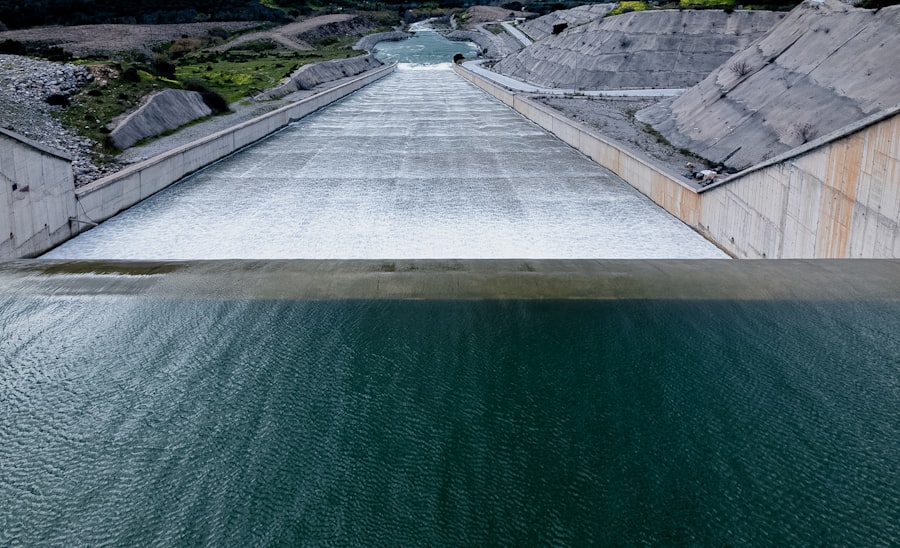
The documentary then transitioned to the powerful and enduring legacy of water management systems, particularly those of the Roman Empire, and explored their influence. This section was a testament to the practical, life-altering impact of engineering.
Aqueducts: Flowing Arteries of Empire
The iconic Roman aqueducts were presented as marvels of civil engineering. The film showcased the meticulous surveying and gradient calculations required to ensure a continuous flow of water over vast distances, often across challenging terrain. The construction techniques, utilizing arches, concrete, and precisely cut stone, were examined, highlighting the Romans’ mastery of materials and their innovative application. The documentary explored the economic and social impact of these aqueducts, which provided clean water for cities, enabling sanitation, public baths, and agricultural irrigation on an unprecedented scale. The segments included modern-day engineers assessing the remnants of these structures, marveling at their longevity and the ingenuity of their design. The film underscored how these aqueducts essentially extended the habitable and productive reach of civilization.
Baths and Sanitation: Public Health Engineered
Beyond the aqueducts, the documentary explored the Roman emphasis on public health through their sophisticated bath complexes and sewage systems. The film detailed the engineering behind the heating systems for the baths, the complex networks of pipes for hot and cold water, and the intricate drainage systems that removed waste. The hypocaust system, a form of underfloor heating, was explained and demonstrated, highlighting the Romans’ understanding of heat transfer and insulation. The documentary argued that these systems represented a nascent form of urban planning and public health engineering, contributing significantly to the quality of life and longevity of Roman citizens. The film suggested that the Romans understood the link between cleanliness, infrastructure, and societal well-being.
Irrigation and Agriculture: Feeding Civilizations
The film also touched upon the critical role of ancient irrigation systems in supporting large populations. From the ingenious water wheels of ancient Mesopotamia to the sophisticated terracing and canal systems of the Inca, the documentary illustrated how civilizations learned to harness water for agricultural purposes, transforming arid landscapes into fertile breadbaskets. The careful management of water flow, the understanding of soil types, and the engineering of channels to deliver water precisely where it was needed were all examined. The documentary presented these systems as the backbone of sustained societal growth, enabling food security and the development of complex economies.
The Unseen Mechanisms: Gears, Levers, and Ancient Automata

Stepping away from the monumental, the documentary delved into the more intricate and often underestimated world of ancient mechanical engineering, revealing a sophistication that often surprises modern viewers.
The Antikythera Mechanism: A Celestial Clockwork
The star of this section was undoubtedly the Antikythera Mechanism. The film showcased the incredible detail of this ancient Greek artifact, explaining its complex arrangement of bronze gears and dials. Experts demonstrated how this device, dating back to the 2nd century BCE, was capable of predicting astronomical positions and eclipses, essentially acting as a sophisticated astronomical calculator. The documentary explored the implications of such a device, suggesting a level of mechanical and mathematical understanding far beyond what was previously attributed to the period. The meticulous craftsmanship and the sheer complexity of the gearing were highlighted, emphasizing the advanced knowledge of mechanics and astronomy possessed by the ancient Greeks.
Archimedes’ Ingenuity: Levers and Lifters
The genius of Archimedes was brought to life through discussions and reenactments of his legendary inventions. The film explored the principles behind his levers, demonstrating how immense weights could be moved with surprisingly little force. The documentary touched upon his alleged war machines, such as the “Claw of Archimedes” and heat-ray devices, exploring the plausible engineering behind these debated inventions. The focus remained on the fundamental physics and mechanics that underpinned his work, showcasing his ability to apply theoretical principles to practical, and often revolutionary, solutions. The film underscored his iterative approach to problem-solving, combining theoretical knowledge with hands-on experimentation.
Ancient Automata: The Dawn of Robotics
The documentary then ventured into the realm of ancient automata, showcasing evidence of early robotic devices. From the theatrical water-powered figures described by Hero of Alexandria to the mechanical birds and singing statues attributed to ancient Chinese engineers, the film presented a fascinating glimpse into the precursors of modern robotics. The engineering principles behind these devices – the use of hydraulics, pneumatics, and clockwork mechanisms – were explained, demonstrating an early fascination with creating life-like movement through mechanical means. The film suggested that these automata were not just toys but were also used for religious ceremonies, entertainment, and even to project power and authority.
In exploring the fascinating world of ancient engineering, one can gain valuable insights into how past civilizations overcame challenges with innovative solutions. A related article that delves deeper into this topic is available at Unlocking the Power of Ancient Tech for Modern Solutions, which discusses how ancient technologies can inspire contemporary advancements. By examining the ingenuity of our ancestors, we can uncover methods that may still hold relevance today.
Legacy and Lessons: Engineering’s Enduring Impact
| Documentary Title | Release Year | Duration | Featured Civilizations |
|---|---|---|---|
| Ancient Engineering Wonders | 2020 | 60 minutes | Egypt, Rome, Greece, China |
The documentary concluded by reflecting on the enduring legacy of ancient engineering and the invaluable lessons it offers to the present and future. This final section urged viewers to look beyond the stones and gears and to appreciate the intellectual and collaborative spirit that fueled these achievements.
The Human Factor: Collaboration and Innovation
A recurring theme throughout the film was the paramount importance of human collaboration and innovation. The documentary emphasized that no single individual, no matter how brilliant, could have achieved these feats alone. The organization of labor, the sharing of knowledge, and the cumulative effect of generations of builders and thinkers were highlighted as crucial components of ancient engineering success. The film suggested that the ability to work together towards a common goal, to adapt and learn from mistakes, and to pass on knowledge were fundamental to the progress of human civilization.
Resilience and Adaptation: Engineering for Survival
The documentary stressed that much of ancient engineering was born out of necessity and the drive for survival. From the construction of defensive fortifications to the development of irrigation systems in challenging environments, these engineers were constantly adapting to their surroundings and overcoming obstacles. The film illustrated how ancient societies used engineering to mitigate natural disasters, improve agricultural yields, and enhance the overall quality of life for their populations. This focus on resilience and adaptation served as a powerful reminder of engineering’s role in human progress and well-being.
Echoes in Modern Design: Inspiration for the Future
The final segments of “Uncovering Ancient Engineering” drew direct lines between ancient innovations and modern technology. The principles of structural integrity demonstrated in Roman arches, the understanding of fluid dynamics in aqueducts, and the intricate mechanics of the Antikythera Mechanism were all presented as foundational elements that continue to influence contemporary engineering. The documentary encouraged viewers to see the ingenuity of the past not as a relic, but as a source of inspiration, a reminder of the boundless potential of human creativity when driven by curiosity, necessity, and a deep understanding of the natural world. The film left audiences with a profound appreciation for the minds that built the world we inhabit, not just the structures, but the very principles that guide our own technological advancements. The whispers of ancient engineers, it seemed, were still very much alive, offering guidance and wonder to anyone willing to listen.

The Greatest Technology Humanity Ever Lost
FAQs
What is ancient engineering?
Ancient engineering refers to the construction and design techniques used by civilizations in the past to create structures, buildings, and infrastructure. This includes the use of materials such as stone, wood, and metal, as well as the development of tools and machinery.
What are some examples of ancient engineering marvels?
Some examples of ancient engineering marvels include the Great Pyramid of Giza in Egypt, the Roman aqueducts, the Colosseum in Rome, the Great Wall of China, and the Parthenon in Greece. These structures showcase the advanced engineering skills and techniques of ancient civilizations.
What can we learn from ancient engineering techniques?
Studying ancient engineering techniques can provide valuable insights into the ingenuity and problem-solving abilities of past civilizations. It can also offer inspiration for modern engineering and architectural projects, as well as a deeper understanding of the cultural and historical significance of these structures.
How did ancient engineers overcome challenges without modern technology?
Ancient engineers relied on innovative design, careful planning, and skilled craftsmanship to overcome challenges without the aid of modern technology. They utilized simple machines, such as levers and pulleys, and developed sophisticated construction methods to achieve their engineering goals.
Why is it important to document and study ancient engineering achievements?
Documenting and studying ancient engineering achievements is important for preserving cultural heritage, understanding the development of human civilization, and gaining knowledge about the technological advancements of the past. It also provides valuable lessons for contemporary engineering practices and inspires future innovations.