The sands of time have long preserved the secrets of ancient civilizations, but with each archaeological discovery, whispers of their ingenuity grow louder. Among the most awe-inspiring achievements of these early societies are their mastery of water management, evident in the sophisticated aqueducts and irrigation systems that once crisscrossed the fertile lands of Mesopotamia and Egypt. These ancient engineers, armed with little more than basic tools and profound understanding of hydraulics and topography, laid the groundwork for the sustained growth and prosperity of their empires, feats that continue to humble and inspire modern engineers.
The very existence of Mesopotamia, a land cradled between the Tigris and Euphrates rivers, was intrinsically linked to water. Its name, “land between the rivers,” speaks volumes about its dependence on these life-giving arteries. For over five millennia, from the earliest Sumerian settlements to the Babylonian and Assyrian empires, Mesopotamian societies grappled with the dual challenges of abundant but often unpredictable flooding and periods of intense drought. Their response was not one of passive resignation, but of active, intelligent intervention. The development of intricate water control systems was not merely about survival; it was about transforming a challenging environment into a thriving agricultural heartland, capable of sustaining large, complex societies.
The Dawn of Irrigation: From Ditches to Depots
The earliest forms of irrigation in Mesopotamia likely involved simple gravity-fed channels dug from the rivers to supplement rainfall. As communities grew and agriculture became more intensive, these rudimentary systems evolved. Archaeologists have unearthed evidence of increasingly complex networks of ditches and canals, some quite substantial, designed to divert water from the main river courses to fields further afield. The Sumerians, renowned for their early advancements, are credited with developing some of the first large-scale irrigation projects. These involved the construction of levees and dikes to control floodwaters and strategically placed reservoirs to store water for drier periods. The meticulous planning required to lay out these interconnected systems, considering gradients, flow rates, and soil types, points to a sophisticated understanding of engineering principles, even without the benefit of modern surveying equipment. The success of these early efforts directly contributed to the surplus of food necessary for the growth of cities like Uruk and Ur, marking Mesopotamia as a true cradle of civilization.
The Rise of Canals: Arteries of an Empire
As Mesopotamian city-states coalesced into larger empires, the scale of their water infrastructure expanded dramatically. The Assyrians, known for their military prowess, were also exceptional builders. Under rulers like Sennacherib, vast canal systems were constructed, extending hundreds of kilometers. These were not mere ditches, but substantial embankments designed to carry water over considerable distances, often utilizing natural depressions and valleys to minimize construction effort. The ingenuity lay in understanding how to maintain a consistent, albeit gentle, slope to ensure gravity would do the work. Evidence of sophisticated diversion dams and sluice gates has also been found, allowing for the controlled release of water to different agricultural areas based on need. These canals served a dual purpose: not only for irrigation but also as vital transportation routes, facilitating trade and the movement of troops, further solidifying the power and reach of these empires.
Storage and Distribution: Beyond the Riverbanks
Merely diverting water was not enough. The unpredictable nature of Mesopotamian rainfall and river flow necessitated effective water storage. The construction of reservoirs, sometimes quite large, served as crucial buffers. These could be natural depressions enlarged and lined with clay to prevent seepage, or purpose-built basins. The strategic placement of these storage facilities, often near urban centers or key agricultural regions, demonstrates a remarkable understanding of logistics and resource management. Furthermore, the concept of equitable distribution was paramount. While details are scarce, the existence of organized systems for allocating water rights and managing its flow to different users suggests a level of societal and administrative sophistication that went hand-in-hand with their engineering achievements. The successful management of this precious resource was a cornerstone of Mesopotamian stability and prosperity.
Recent discoveries in ancient engineering have shed light on the sophisticated techniques used by civilizations long before modern technology. For instance, the construction of monumental structures such as the pyramids of Egypt and the aqueducts of Rome showcases the advanced understanding of materials and design that these societies possessed. To explore the implications of such ancient achievements in the context of today’s global challenges, you can read a related article on the disappearing countries and the environmental crises they face at this link.
Egypt: The Gift of the Nile’s Engineered Embrace
While Mesopotamia wrestled with the capricious floods and droughts of its river systems, ancient Egypt enjoyed a more predictable, albeit still powerful, annual inundation from the Nile. However, this predictable abundance was also a double-edged sword, as uncontrolled flooding could be destructive. The Egyptians, like their Mesopotamian counterparts, recognized the need to harness and manage the Nile’s waters to maximize its agricultural potential and ensure the sustenance of their civilization. Their approach, while distinct, was equally impressive in its scope and foresight, turning the Nile’s annual gift into a meticulously engineered agricultural system.
Harnessing the Inundation: The Basin Irrigation System
The hallmark of ancient Egyptian irrigation was the sophisticated basin system. This involved the construction of extensive networks of earthen dikes and canals that divided the fertile floodplains along the Nile into a series of basins. When the annual floodwaters rose, they would be channeled into these basins, where they would inundate the land, depositing nutrient-rich silt and irrigating the crops. After a period, the water would be gradually drained back into the Nile through a system of sluice gates. This method was remarkably effective in maximizing the use of floodwaters, preventing damage from uncontrolled inundation, and ensuring that the land was consistently replenished with fertile silt, which was essential for the continuous cultivation of crops like wheat and barley. The sheer scale of these dike systems, stretching for hundreds of kilometers along the Nile, speaks to the organized labor and planning involved.
Recent discoveries in ancient engineering have sparked interest among historians and archaeologists, revealing sophisticated techniques used by early civilizations. One fascinating aspect of this exploration is the potential for lunar resources to enhance our understanding of ancient technologies. For a deeper dive into how the moon could serve as a strategic base for future exploration and its implications for our understanding of ancient engineering, you can read more in this insightful article about lunar exploration at the moon as the ultimate high ground for exploration.
The Shaduf and the Sakia: Lifting Water to New Heights
While the basin system was highly effective for irrigating large areas during the flood season, the Egyptians also developed ingenious devices to lift water for irrigation beyond the immediate reach of the flood or for use during drier periods. The shaduf, a simple yet effective lever system, allowed individual farmers to lift buckets of water from the Nile or canals to irrigate smaller plots of land. This mechanism, consisting of a long pole balanced on a pivot, with a bucket on one end and a counterweight on the other, was in use for thousands of years and remained relatively unchanged for much of that time. Later, particularly during the Ptolemaic and Roman periods, the sakia, a water wheel powered by oxen or donkeys, was introduced. This improved system could lift significantly larger volumes of water, enabling more extensive irrigation and increasing agricultural productivity even further. These innovations represent a crucial step in moving from relying solely on natural inundation to actively manipulating water sources.
Nile-Side Agriculture: A Delicate Balance
The success of Egyptian agriculture was inextricably linked to its ability to manage the Nile’s flow. The construction and maintenance of an elaborate network of canals and dykes were ongoing tasks, requiring considerable labor and organization. These systems were not static; they were constantly adapted and improved upon over millennia. The Egyptians understood the importance of timing, ensuring that the basins were filled and drained at the opportune moments to coincide with the planting and harvesting cycles. This intricate dance between human intervention and natural phenomena, guided by a deep understanding of the Nile’s rhythms, allowed Egypt to achieve a level of agricultural surplus that supported its monumental building projects and its highly centralized state. The very landscape of Egypt bears the marks of this engineered embrace of the Nile.
The Engineering Mindset: Pragmatism and Scale

Beneath the impressive physical structures of Mesopotamia and Egypt lay a shared foundation of a pragmatic and empirical engineering mindset. These ancient peoples were not driven by abstract theoretical pursuits, but by the immediate needs of survival, sustenance, and societal development. Their solutions were practical, evolving through trial and error, meticulous observation, and a keen understanding of their natural environment. The willingness to undertake massive construction projects, often requiring the mobilization of vast labor forces, speaks to a societal value placed on these infrastructure developments.
Material Science and Construction Techniques
The engineers of Mesopotamia and Egypt were masters of the materials available to them. In Mesopotamia, the abundance of clay led to the widespread use of sun-dried and fired bricks for constructing canals, dams, and urban infrastructure. Clay lining was essential for preventing seepage in canals and reservoirs. In Egypt, along with the skilled use of stone for temples and tombs, the Nile mud was invaluable for constructing the earthen dikes and levees that formed the backbone of their irrigation systems. While the tools were rudimentary – levers, rollers, simple plows, and copper or bronze implements – their effective deployment in conjunction with an understanding of leverage, weight distribution, and manpower management allowed for the precise shaping of the landscape and the creation of structures that have endured for millennia. The sheer scale of these projects, such as the vast canal networks of Assyria or the extensive dike systems of Egypt, required immense coordination and a deep understanding of logistics.
The Role of Labor and Organization
The construction and maintenance of these sophisticated aqueducts and irrigation systems were not the work of a few individuals. They demanded the organized and sustained labor of significant portions of the population. Whether through the corvée labor system, where citizens were obligated to contribute to public works, or through the employment of skilled laborers and craftspeople, the ancient Mesopotamians and Egyptians demonstrated a remarkable capacity for organizing large-scale projects. The success of these endeavors implies a sophisticated administrative structure capable of planning, resource allocation, and oversight. The ability to coordinate thousands of workers to dig canals, build dikes, and maintain existing structures over vast distances is a testament to their organizational prowess, as much as their engineering skill.
Legacy and Enduring Impact
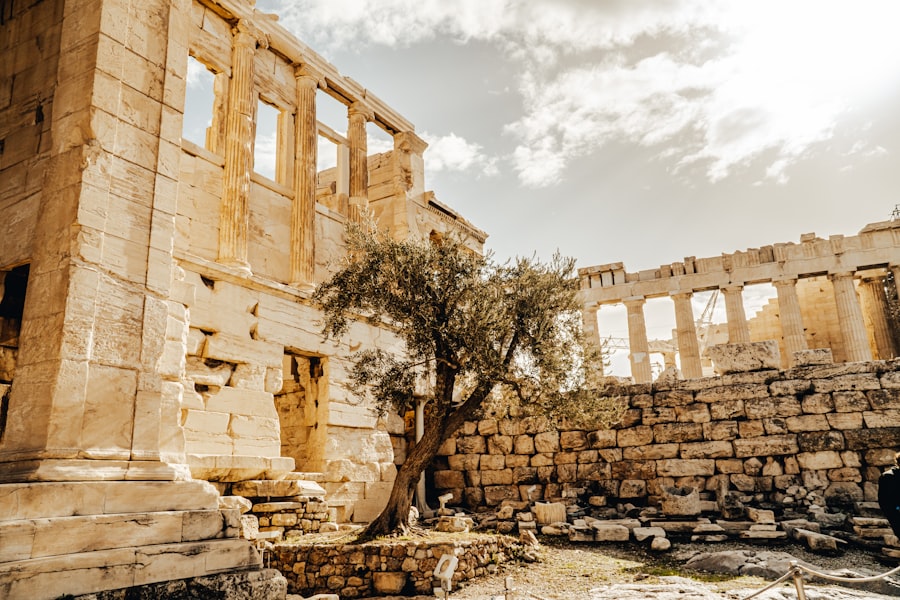
The legacy of these ancient engineering feats extends far beyond the physical remnants that have survived. The principles of water management, resourcefulness, and large-scale project execution laid down by the Mesopotamians and Egyptians have influenced subsequent civilizations and continue to inform modern engineering practices.
Foundations for Future Civilizations
The success of Mesopotamia and Egypt in cultivating fertile lands and sustaining large populations provided a blueprint for subsequent civilizations. The concept of controlled irrigation, water storage, and engineered river management became central to the development of agrarian societies across the ancient world. The innovations in pumping and water lifting, though simple by modern standards, represented crucial advancements for expanding irrigated areas. The very idea of shaping the landscape to serve human needs, evident in their water systems, became a foundational concept in human civilization.
Lessons for Modern Engineers
In an era of complex hydraulic challenges, from managing drought-stricken regions to controlling devastating floods, modern engineers can still draw inspiration from the ingenuity of their ancient predecessors. The pragmatic approach, the emphasis on understanding natural systems, and the ability to achieve significant results with relatively basic technologies offer valuable lessons. The sheer scale of projects like the Euphrates irrigation system or the Egyptian basin irrigation network, built without the aid of mechanized equipment or advanced computational tools, serves as a humbling reminder of human capacity for innovation and perseverance. Their success underscores the importance of careful planning, resourcefulness, and a deep respect for the environment in tackling complex engineering challenges. The enduring presence of some of these ancient waterworks, even in their ruined state, stands as a silent testament to the enduring power of human ingenuity.

The Greatest Technology Humanity Ever Lost
FAQs
What is ancient engineering?
Ancient engineering refers to the construction and design techniques used by ancient civilizations to create structures, buildings, and infrastructure. This includes the use of tools, materials, and knowledge to build impressive architectural feats.
What are some examples of evidence of ancient engineering?
Examples of evidence of ancient engineering include the construction of the pyramids in Egypt, the aqueducts of the Roman Empire, the Great Wall of China, and the ancient city of Machu Picchu in Peru. These structures showcase the advanced engineering skills of ancient civilizations.
How did ancient civilizations achieve such impressive engineering feats?
Ancient civilizations achieved impressive engineering feats through the use of innovative construction techniques, advanced knowledge of mathematics and physics, and the development of tools and materials. They also utilized manpower and organizational skills to coordinate large-scale construction projects.
What can we learn from studying ancient engineering?
Studying ancient engineering provides insights into the technological advancements, societal organization, and cultural achievements of past civilizations. It also offers valuable lessons in sustainable construction, resource management, and problem-solving that can be applied to modern engineering practices.
Why is it important to preserve and study evidence of ancient engineering?
Preserving and studying evidence of ancient engineering is important for understanding the history of human civilization, appreciating the ingenuity of our ancestors, and gaining inspiration for future engineering endeavors. It also helps to protect and conserve valuable cultural heritage sites for future generations.