Archaeology, often perceived as a discipline solely focused on unearthing the past for its aesthetic or historical intrigue, plays a far more crucial role in understanding the ingenuity and pragmatism of ancient civilizations. Through meticulous excavation, careful analysis of recovered artifacts, and the application of scientific methodologies, archaeologists are steadily uncovering the sophisticated engineering feats that underpinned the rise and endurance of societies long gone. These discoveries move beyond mere curiosities, offering profound insights into resource management, architectural innovation, environmental adaptation, and the very foundations of modern engineering principles.
The earliest human settlements, while seemingly rudimentary, already showcase a remarkable understanding of architectural principles and material science. Archaeology has revealed that our ancestors were not just builders but intelligent designers, meticulously selecting and manipulating their surroundings to create shelters and communal spaces that were both functional and durable. The exploration of these early constructions provides a critical starting point for understanding the evolutionary trajectory of engineering thought.
Prehistoric Dwellings: Beyond Simple Huts
The transition from nomadic lifestyles to settled communities necessitated the development of more permanent structures. Archaeological sites across the globe have yielded evidence of early domestic architecture that, while varied in form and material, demonstrates a consistent pursuit of shelter, protection, and community.
Neolithic Settlements and Early Construction Techniques
In regions like the Fertile Crescent, Neolithic sites such as Çatalhöyük in Turkey offer compelling evidence of sophisticated construction. Homes were tightly packed, often built with mudbrick, featuring internal plastering and even decorative elements. The strategic placement and interconnectedness of these dwellings suggest a communal approach to building and urban planning. Excavations reveal intricate details about the timber used for roofing, the methods of brick firing, and the quarrying of raw materials, all indicative of a developing understanding of structural integrity and material properties.
Megalithic Monuments: Mastering Scale and Precision
The construction of megalithic structures, such as Stonehenge in England or the standing stones of Carnac in France, pushes the boundaries of our understanding of prehistoric engineering. These monumental constructions, often involving the precise placement of massive stone blocks weighing many tons, demand explanations beyond brute force.
The Mechanics of Stone Transport and Erection
Archaeological investigations, coupled with experimental archaeology, have proposed various theories regarding the transport of these colossal stones. This includes the use of sledges on specially prepared tracks, potentially lubricated with water or mud, and the harnessing of manpower through intricate leverage systems. The sheer scale of these operations suggests advanced logistical planning and a deep understanding of physics, even if not codified in formal scientific theories. The precise shaping and fitting of stones, often achieved with stone tools, point to meticulous craftsmanship and an intuitive grasp of geometry and mechanics.
Astronomical Alignment and Purposeful Design
Many megalithic sites exhibit precise astronomical alignments. This implies a sophisticated understanding of celestial movements and a deliberate integration of astronomical knowledge into architectural design. The purpose of these alignments, whether for calendrical purposes, religious ceremonies, or navigation, further highlights the multifaceted engineering considerations of these ancient builders, extending beyond mere structural function.
The Rise of Civilizations: Organized Projects and Advanced Materials
As civilizations coalesced, so too did the scale and complexity of their engineering endeavors. The development of organized labor, sophisticated tools, and a deeper understanding of materials allowed for the creation of structures that not only served practical needs but also symbolized power, devotion, and communal identity.
Mesopotamian Innovations: Brick, Irrigation, and Urban Planning
The city-states of Mesopotamia, cradled between the Tigris and Euphrates rivers, were pioneers in many aspects of engineering. Their reliance on alluvial clay led to the widespread use of sun-dried and later fired bricks, a revolution in construction materials.
Mudbrick and Fired Brick Technology
Early Mesopotamian architecture extensively utilized sun-dried mudbricks, offering a readily available and adaptable building material. Over time, the development of kilns for firing bricks introduced a more durable and weather-resistant option. Archaeological evidence illustrates the evolution of brick-making techniques, from simple molds to standardized sizes, which facilitated more complex and stable construction. The preservation of these brick structures, often in arid climates, provides invaluable insights into their construction methods and the properties of the materials.
Irrigation Systems and Agricultural Engineering
The arid Mesopotamian environment necessitated the development of sophisticated irrigation systems. Archaeological surveys have revealed extensive networks of canals, dams, and reservoirs, demonstrating a profound understanding of hydrology and water management. These systems were crucial for supporting large populations and enabling agricultural surplus, forming the backbone of their civilization. The planning and maintenance of such complex water infrastructure required organized labor and a deep knowledge of water flow and soil mechanics.
Urban Layout and Infrastructure
Mesopotamian cities were often characterized by planned layouts, with distinct residential, religious, and administrative zones. Archaeology uncovers evidence of paved streets, sewage systems, and public buildings, all indicative of advanced urban planning and infrastructure development. The construction of temples (ziggurats) and palaces also showcases advanced architectural techniques, including the use of arches and vaults, albeit in their early forms.
The Wonders of the Ancient World: Monumental Architecture and Engineering Prowess
The Hellenistic and Roman periods, in particular, witnessed an explosion of engineering innovation, leaving behind a legacy of monumental structures that continue to awe and inspire. The sophisticated understanding of mathematics, physics, and materials science evident in these remains points to a level of engineering sophistication that rivaled, and in some respects, surpassed, that of later eras.
Greek Contributions: The Pantheon, Aqueducts, and Siege Engines
Ancient Greece, while perhaps more renowned for its philosophical and artistic achievements, also developed significant engineering capabilities. Their innovations laid crucial groundwork for subsequent Roman advancements.
The Development of Concrete and Advanced Masonry
While the Romans are often credited with the widespread use of concrete, early forms of hydraulic cement have been found in Greek constructions. The precise stone cutting and interlocking techniques employed in the construction of temples like the Parthenon demonstrate an exceptional understanding of structural stability and load-bearing principles. The precise fitting of massive marble blocks, often without mortar, is a testament to their meticulous craftsmanship and geometric precision.
Precision in Construction and Mathematical Application
The Greeks were pioneers in applying mathematical principles to construction. The use of geometry in the design of their temples and public buildings ensured not only aesthetic harmony but also structural integrity. The understanding of ratios, proportions, and angles was integral to their architectural endeavors.
Early Forms of Hydraulic Engineering and Mechanical Devices
While not on the same scale as Roman aqueducts, the Greeks did develop early forms of water management and rudimentary mechanical devices. Archaeological finds have hinted at the use of water wheels and primitive pumps, showcasing an early interest in harnessing mechanical power.
Roman Ingenuity: Concrete, Arches, and Infrastructure Networks
The Roman Empire stands as a paragon of ancient engineering achievement. Their mastery of materials, particularly concrete, and their innovative use of the arch and vault, allowed them to construct an empire-spanning network of roads, aqueducts, and public buildings that were both grand and remarkably enduring.
The Revolution of Roman Concrete
The development and widespread use of Roman concrete was a game-changer in construction. Composed of pozzolana (volcanic ash), lime, and aggregate, this material was not only strong and durable but could also set underwater, enabling the construction of harbors, bridges, and foundations in challenging environments. Archaeological analysis of Roman concrete reveals variations in its composition and application, demonstrating continuous refinement and optimization.
The Power of the Arch and Vault
The arch and vault were central to Roman architectural innovation. These forms efficiently distributed weight, allowing for the creation of larger spans and higher structures than were previously possible. The construction of iconic structures like the Colosseum and the Pantheon, with their massive vaulted ceilings and arches, is a testament to the Romans’ mastery of these structural elements. Archaeology helps us understand the precise construction methods, including the use of centering and scaffolding, and the gradual curing of concrete to achieve maximum strength.
Extensive Infrastructure Networks: Roads, Aqueducts, and Sanitation
The Romans are renowned for their vast network of well-engineered roads, aqueducts, and sanitation systems. The construction of these projects required immense planning, surveying, and logistical prowess.
Roman Road Construction: Durability and Efficiency
The famous Roman roads, built with multiple layers of carefully selected materials, were designed for durability and efficient transport. Archaeological excavations of roadbeds reveal the precision with which materials were layered and compacted, ensuring long-term stability and resilience. The inclusion of drainage systems and embankments further demonstrates a comprehensive approach to civil engineering.
Aqueducts: Water Supply and Gravity-Fed Systems
The aqueducts of the Roman Empire are marvels of hydraulic engineering. These gravity-fed systems transported fresh water over vast distances, often traversing challenging terrain. Archaeological surveys of aqueduct routes reveal the meticulous surveying and gradient control required to maintain the flow of water. The use of arches and tunnels to bridge valleys and pierce mountains showcases remarkable structural and geological understanding. The material science of the pipes themselves, often made of stone or lead, and the waterproof mortar used to seal them, are also subjects of archaeological investigation.
Sanitation and Public Health Infrastructure
Beyond water supply, the Romans also developed sophisticated sanitation systems, including public latrines and sewer networks. These systems played a crucial role in public health and urban living, demonstrating an understanding of hygiene that was ahead of its time. Archaeological evidence of these systems provides insights into the daily lives of Roman citizens and the challenges of urban management.
Ancient engineering and archaeology often reveal the innovative methods used by past civilizations to adapt to their environments, particularly in arid regions. A fascinating article that explores contemporary efforts to combat desertification and preserve our land can be found at this link. It highlights how understanding historical practices can inform modern strategies for sustainable land management and environmental conservation.
Unveiling Hidden Technologies: Tools, Techniques, and Scientific Understanding
Beyond the monolithic structures, archaeology provides invaluable evidence of the tools, techniques, and scientific principles that enabled these ancient engineering feats. The meticulous study of artifacts, from simple hand tools to complex machinery, reveals the practical application of scientific knowledge.
The Tools of the Trade: Precision and Innovation in Ancient Craftsmanship
The effectiveness of any engineering project relies on the tools employed. Archaeology has unearthed a remarkable array of ancient tools that demonstrate not only a deep understanding of metallurgy and material properties but also a remarkable ingenuity in design.
Metallurgy and Tool Production
The development of metallurgy was a pivotal step in ancient engineering. Archaeology reveals the evolution of metalworking techniques, from early copper smelting to the sophisticated iron smelting of later periods.
Bronze Age Tools: Shaping and Cutting Capabilities
The Bronze Age saw the widespread use of bronze for tools and weapons. Archaeological finds of bronze axes, chisels, and saws demonstrate their effectiveness in woodworking and quarrying. The composition of these bronze alloys, often carefully balanced for hardness and durability, points to a practical alchemy understood by ancient metallurgists.
Iron Age Advancements: Strength and Accessibility
The transition to iron technology brought about stronger and more accessible tools. Iron axes, hammers, and drills allowed for more efficient working of harder materials. Archaeological sites often reveal evidence of early forges and workshops, providing insights into the complex processes of iron smelting and refinement. The consistent quality of even early iron tools suggests a growing empirical understanding of material science.
Surveying and Measurement: Precision in Planning
The accuracy and scale of ancient projects demand precise surveying and measurement techniques. Archaeological evidence suggests that ancient engineers possessed sophisticated methods for laying out buildings, canals, and roads.
Early Surveying Instruments and Techniques
While written records are scarce for the earliest periods, archaeological finds sometimes include remnants of surveying tools, such as plumb bobs, levels, and measuring ropes. The consistency of alignments in ancient structures strongly implies the use of these instruments and systematic methods for establishing straight lines, right angles, and gradients. The precise measurements evident in the construction of the pyramids, for instance, continue to puzzle modern scholars.
Understanding of Geometry and Trigonometry
The ability to plan and execute complex constructions over large areas suggests an intuitive or empirical understanding of geometry. The proportional relationships observed in temple designs and the accurate laying out of city grids point to a practical application of geometric principles, even if formal mathematical treatises were not always preserved or widely disseminated.
Ancient engineering and archaeology often reveal remarkable insights into past civilizations and their innovations. A fascinating example of this is the recent discovery of ancient maps that suggest Antarctica was once ice-free, which has significant implications for our understanding of historical geography and climate. For more details on this intriguing find, you can read the full article here. Such discoveries not only challenge our perceptions of ancient societies but also encourage further exploration into how they adapted to their environments.
The Science Behind the Structures: Understanding Forces, Materials, and Environment
Ancient engineers, through observation and practice, developed a keen understanding of physical forces, material properties, and environmental considerations, even without the formal scientific frameworks of today.
Understanding Load-Bearing and Structural Stability
The enduring nature of many ancient structures is a testament to the engineers’ understanding of how to distribute weight and maintain stability.
The Mechanics of the Arch and Dome
As discussed with Roman engineering, the arch and dome are prime examples of how ancient builders understood the principles of force distribution. By redirecting downward forces outwards along the curve, these structures allowed for the creation of immense open spaces and impressive heights. Archaeological analysis of their construction reveals how the Romans manipulated the properties of concrete and masonry to create these revolutionary forms.
The Importance of Foundations and Soil Mechanics
Ancient builders understood the critical importance of stable foundations. Archaeological investigations of building sites often reveal evidence of deep foundations, pile driving, and careful site preparation to ensure that structures would not fail due to ground movement or water saturation. Their practical knowledge of soil types and their bearing capacities, gained through generations of experience, was crucial.
Material Science in Practice: Properties and Limitations
Ancient engineers possessed an empirical knowledge of the strengths and weaknesses of various building materials.
Wood and Stone as Primary Building Materials
From the timber used in early dwellings to the massive stone blocks of temples and pyramids, wood and stone were the cornerstones of ancient construction. Archaeology helps us understand how these materials were selected, quarried, shaped, and assembled to maximize their structural efficiency and durability. The selection of specific stone types for different purposes, based on their hardness, weathering resistance, and aesthetic qualities, demonstrates a nuanced understanding of material science.
The Properties of Mudbrick and its Evolution
The ubiquitous use of mudbrick in many ancient civilizations highlights its adaptability and accessibility. Archaeology reveals the various binders and additives used to improve its strength and water resistance, as well as the impact of firing techniques on its durability. This demonstrates a continuous process of material refinement based on practical experience.
Environmental Adaptation and Resource Management
Many ancient engineering marvels were born out of necessity, driven by the need to adapt to or harness specific environmental conditions.
Water Management: Irrigation, Drainage, and Navigation
The development of complex irrigation networks, as seen in Mesopotamia and Egypt, demonstrates a sophisticated understanding of hydrology, water flow, and the need for resource management. The construction of canals, dams, and reservoirs required careful planning and engineering to control and distribute water effectively. Similarly, drainage systems in urban centers show an awareness of the impact of water on infrastructure and public health.
Harnessing Wind and Water Power
While not as prevalent as later technologies, there is archaeological evidence suggesting the early use of wind and water power. Simple water wheels for grinding grain or lifting water, and potentially early windmills, have been suggested by certain artifactual finds and architectural layouts, hinting at an understanding of harnessing natural forces for mechanical work.
Case Studies: Unraveling Specific Engineering Marvels

The study of specific archaeological sites and monumental constructions provides concrete examples of the sophisticated engineering knowledge possessed by ancient civilizations. These case studies offer tangible evidence of their problem-solving abilities and their mastery of construction techniques.
The Pyramids of Giza: Precision, Scale, and Logistics
The Great Pyramids of Giza stand as an enduring symbol of ancient Egyptian engineering prowess. Their immense scale, precise construction, and the sheer volume of material moved are still subjects of intense study and admiration.
Quarrying and Transport of Massive Stone Blocks
Archaeological evidence from quarries near Giza and along the Nile River provides insights into the methods used to extract and transport the millions of stone blocks, some weighing many tons. This likely involved the use of dolerite pounders, copper chisels, and wedge systems, followed by transport on sledges, possibly aided by water lubrication. The sheer logistics involved in coordinating such an operation, including feeding and housing thousands of laborers, represent a significant feat of project management.
Construction Techniques and Alignment
The precise alignment of the pyramids to true north and their nearly perfect geometric forms suggest an advanced understanding of astronomy and geometry. Theories abound regarding the methods used to lift and place the heavy blocks, including ramps of various designs (straight, spiraling, internal) and lever systems. The accuracy of the casing stones, fitted with incredible precision, points to sophisticated craftsmanship and measurement techniques.
The Engineering of Internal Chambers and Passageways
The internal chambers and passageways within the pyramids, such as the Grand Gallery, demonstrate an understanding of structural integrity and load distribution. The corbelled roofs employed in some chambers, while not true arches, effectively supported immense weight. The ventilation shafts and potential water management features within the pyramid structures are also areas of ongoing archaeological investigation.
Machu Picchu: Ingenuity in a Mountainous Landscape
The Inca citadel of Machu Picchu, nestled high in the Andes Mountains, represents a remarkable feat of engineering in a challenging environment. Its construction showcases an innovative approach to stonework, water management, and integration with the natural landscape.
Precision Stone Cutting and Dry-Stone Masonry
The Incas were masters of dry-stone masonry, fitting irregularly shaped stones together with such precision that not even a knife blade can be inserted between them. This technique, known as ashlar masonry, eliminated the need for mortar and created structures incredibly resistant to seismic activity. Archaeological analysis of tool marks and construction sequences reveals their meticulous planning and skilled craftsmanship.
Terracing and Agricultural Engineering
The extensive agricultural terraces at Machu Picchu are a prime example of ingenious environmental engineering. These terraces not only created arable land on steep slopes but also employed sophisticated drainage systems to prevent erosion and waterlogging. The placement and construction of these terraces demonstrate a deep understanding of soil mechanics, hydrology, and sustainable agriculture.
Water Management and Drainage Systems
The Incas also engineered a complex water management system at Machu Picchu, with channels, fountains, and reservoirs designed to supply fresh water and efficiently drain rainwater. The precision with which these channels were carved and the gradients calculated is a testament to their hydraulic engineering skills and ability to adapt to the region’s abundant rainfall.
The Roman Aqueducts: Sustaining an Empire
The Roman aqueducts, stretching for countless miles across the empire, are perhaps the most iconic examples of their civil engineering achievements. Their construction involved an unparalleled understanding of hydraulics, surveying, and structural engineering.
Surveying and Gradient Control
The ability to transport water over long distances relied on incredibly precise surveying. Roman surveyors utilized instruments like the groma (a surveying cross) and the water level (chorobates) to maintain a consistent, gentle gradient. Even slight deviations could result in water flow ceasing or excessive erosion. Archaeological analysis of aqueduct routes reveals the meticulous planning and execution of these gradients.
Construction of Channels, Tunnels, and Bridges
Aqueducts employed a variety of construction methods depending on the terrain. They featured underground channels, open channels, and impressive arched bridges to cross valleys and rivers. The engineering of these bridges, often built with voussoir arches, allowed for efficient and durable water transport across significant geographical obstacles. The construction of these monumental structures required immense labor, resources, and logistical coordination.
Material Science and Durability
The use of Roman concrete, along with specialized mortars and stone, contributed to the longevity of these structures. The analysis of the materials used in aqueducts reveals their resistance to water and weathering, ensuring their functionality for centuries. The careful sealing of channels to prevent leakage was also a critical aspect of their design.
The Legacy of Ancient Engineering: Influencing Modern Practices
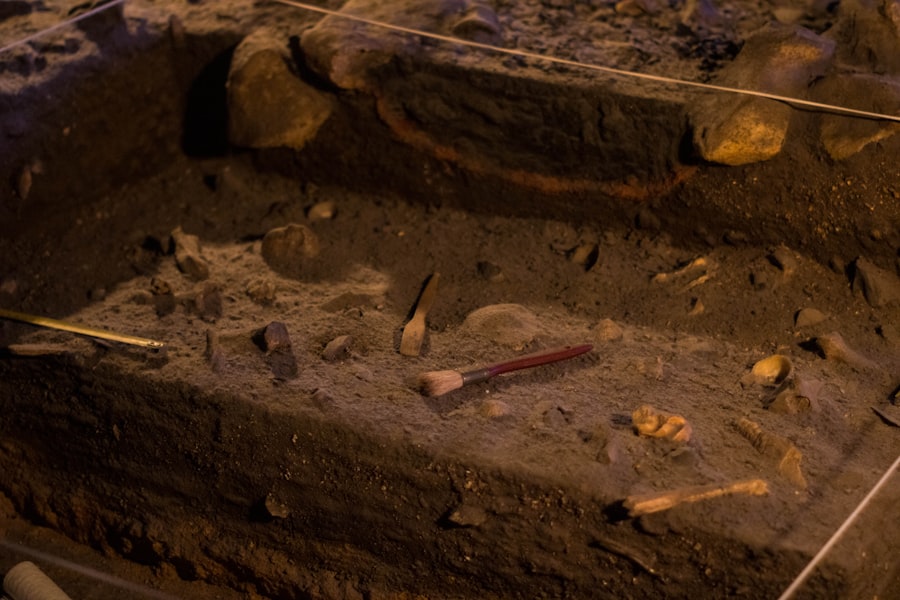
The discoveries unearthed by archaeology are not merely relics of the past; they are a testament to the enduring principles of engineering that continue to inform and inspire modern practices. Understanding how ancient civilizations solved complex problems with seemingly limited resources offers valuable lessons for contemporary engineers and researchers.
Timeless Principles in Modern Design
Many fundamental engineering principles, such as load-bearing, structural stability, and efficient resource utilization, were understood and applied by ancient builders long before formal scientific theories were developed.
The Foundation of Structural Mechanics
The arch, the vault, and the cantilever, all mastered by ancient engineers, remain fundamental elements of modern structural design. The principles of force distribution, stress management, and material selection that guided their construction are still taught and applied in civil engineering curricula today.
The Evolution of Material Science
The ancient world’s empirical exploration of materials – from the selective quarrying of stone to the development of early cements and alloys – laid the groundwork for modern material science. Archaeology allows us to trace this evolution and understand how practical observation led to the optimization of material properties for specific applications.
The Importance of Sustainable Engineering
Many ancient engineering projects, constrained by the availability of local resources and the need for long-term durability, were inherently sustainable. The construction of terraced fields, canal systems that mimicked natural water flows, and the use of locally sourced materials offer valuable models for contemporary discussions on sustainable development and environmental responsibility.
A Source of Inspiration and Innovation
The awe-inspiring scale and ingenuity of ancient engineering feats continue to inspire awe and drive innovation. By studying these ancient marvels, modern engineers can gain new perspectives and approaches to tackling contemporary challenges.
Project Management and Logistics of Scale
The successful execution of colossal projects like the pyramids or the Roman road network highlights the sophisticated project management and logistical capabilities of ancient societies. Understanding how they organized labor, mobilized resources, and overcame immense logistical hurdles can offer valuable lessons for modern large-scale engineering endeavors.
Problem-Solving in Resource-Constrained Environments
Ancient engineers often had to work with limited tools and materials but achieved remarkable results. Their creative problem-solving and innovative use of available resources serve as a powerful reminder that ingenuity can often triumph over technological limitations. This is particularly relevant in contexts where access to advanced technology is restricted.
The Interdisciplinary Nature of Engineering
The study of ancient engineering reveals its inherently interdisciplinary nature, integrating mathematics, physics, material science, astronomy, and the arts. This holistic approach, often lost in modern specialization, underscores the benefits of interdisciplinary collaboration in tackling complex engineering challenges.
Preserving and Learning from the Past
Archaeology plays a vital role in not only uncovering these ancient engineering marvels but also in preserving them for future study and inspiration. The meticulous documentation, scientific analysis, and conservation efforts undertaken by archaeologists ensure that this invaluable legacy is not lost to time. By continuing to explore the depths of human ingenuity, archaeology provides a powerful lens through which to understand where we have come from and how we can build a better future.

When the Ice Age Ended… Everything Changed
FAQs
What is ancient engineering and archaeology?
Ancient engineering and archaeology is the study of the engineering feats and technological advancements of ancient civilizations, as well as the excavation and analysis of their physical remains.
What are some examples of ancient engineering marvels?
Some examples of ancient engineering marvels include the Great Pyramid of Giza, the Roman aqueducts, the Colosseum, the Parthenon, and the Great Wall of China.
What role did ancient engineering play in the development of civilizations?
Ancient engineering played a crucial role in the development of civilizations by enabling the construction of monumental structures, efficient transportation systems, and advanced water management techniques, which in turn facilitated the growth and prosperity of ancient societies.
How do archaeologists study ancient engineering and architecture?
Archaeologists study ancient engineering and architecture through the excavation and analysis of physical remains, such as buildings, infrastructure, tools, and artifacts, as well as through the use of advanced imaging technologies and scientific techniques.
What can we learn from studying ancient engineering and archaeology?
Studying ancient engineering and archaeology can provide insights into the technological capabilities, societal organization, and cultural achievements of ancient civilizations, as well as inspire modern engineering and architectural innovations.