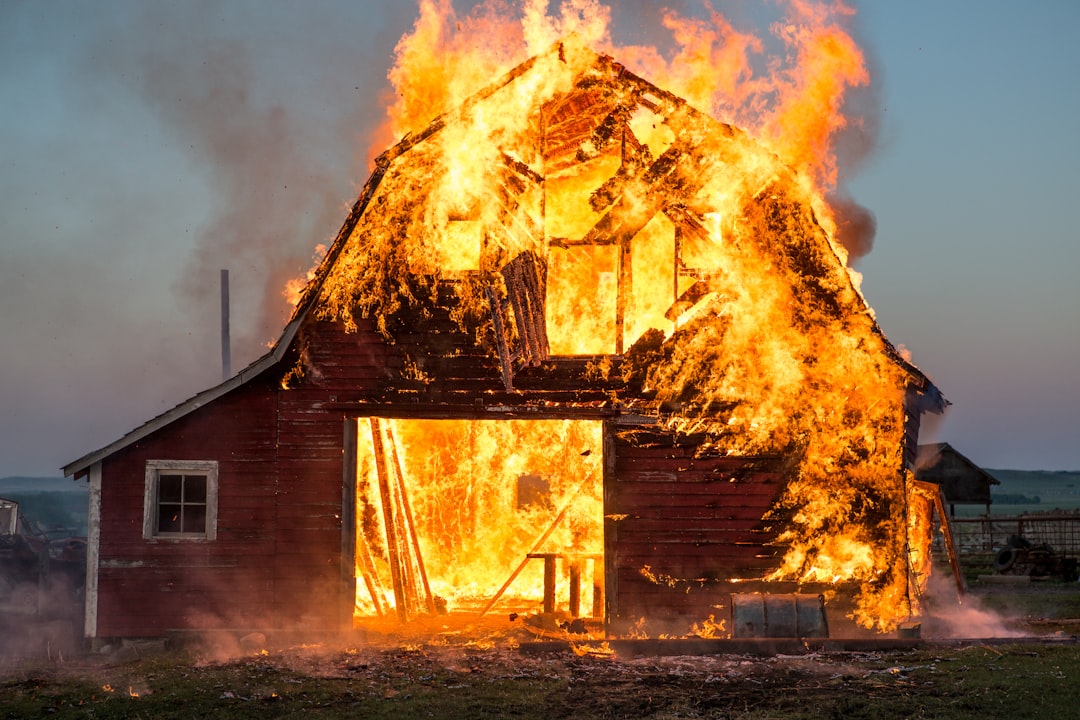
The flickering embers, the primal dance of light and heat – fire has been an intrinsic part of human existence since time immemorial. More than just a tool for survival, fire has woven itself into the tapestry of human culture, spirituality, and technological advancement. Yet, much about our ancient relationship with this elemental force remains shrouded in mystery. Uncovering these ancient fire mysteries is not merely an academic pursuit; it is a journey into the very origins of human ingenuity, social organization, and the dawn of consciousness. Through archaeological digs, paleoclimate studies, and sophisticated chemical analysis, researchers are piecing together a more nuanced and awe-inspiring picture of how our ancestors mastered and manipulated fire, transforming it from a dangerous force of nature into a cornerstone of civilization.
The earliest whispers of human interaction with fire are not marked by grand hearths or elaborate pyres, but by subtle signs left in the geological record. Pinpointing the exact moment humanity gained control over fire is a complex archaeological puzzle, with ongoing debates and discoveries constantly refining our understanding. What is clear is that this control was not a single event but a gradual process, likely spanning hundreds of thousands of years.
Claiming Natural Fires: The First Steps
It is plausible that early hominins, long before they could intentionally create fire, learned to utilize natural sources. Bushfires, lightning strikes, or volcanic activity would have provided opportunities to scavenge for charcoal or benefit from the warmth and light of existing blazes. The presence of hominins in areas where natural fires occurred, coupled with evidence of heat-altered materials, suggests this initial, opportunistic use.
The Charcoal Clues: Identifying Heat Altered Remains
Archaeologists meticulously examine sediments for signs of burning. Charcoal fragments, when found in association with stone tools or hominin remains, can be a significant indicator of fire use. The presence of specific types of charcoal, the depth of burning, and the spatial distribution of burnt materials all contribute to the interpretation of early fire sites.
Hearths and Activity Areas: Tracing Human Presence
The identification of distinct hearth features – depressions in the ground filled with ash, charcoal, and burnt stones – is crucial. These structured fireplaces suggest a deliberate and sustained use of fire, indicating not just scavenging but also the management of a fire source. The clustering of artifacts around these hearths further points to them as focal points for hominin activity.
Deliberate Ignition: A Revolutionary Leap
The true revolution, however, came with the ability to create fire at will. This breakthrough, likely achieved through striking stones together to create sparks, friction-based methods like rubbing sticks, or possibly even the use of phosphorescent materials, represented a profound shift in human capabilities. This allowed for reliable access to warmth, light, and protection, irrespective of natural occurrences.
Percussion and Friction Techniques: Debating the Methods
The exact methods employed by early humans to create fire remain a subject of intense research and debate. The discovery of specific types of stone tools, like flint and pyrite, which can produce sparks when struck, offers strong evidence for percussion methods. Likewise, the presence of fire drills and bow drills, or even more rudimentary rubbing tools, points towards friction-based techniques. Recreating these methods experimentally helps archaeologists understand the technical skills and materials required.
The Significance of Spontaneous Combustion: A Hypothetical Role
While less supported by direct evidence, some theories propose that early hominins might have stumbled upon spontaneous combustion, perhaps through the storage of oily plant materials that could heat up over time. This however, remains highly speculative for early hominin fire control.
In the realm of ancient fire investigation, understanding the role of fire in historical contexts is crucial. A fascinating article that delves into the secrets of ancient structures and their relationship with fire can be found at this link: Exploring the Mysterious Secrets of Ancient Palace Ruins. This piece explores how fire was used in ancient civilizations, shedding light on its significance in both daily life and ceremonial practices.
Fire’s Transformative Power: Beyond Basic Survival
Once controlled, fire ceased to be merely a survival tool. It became a catalyst for transformative changes, impacting everything from diet and defense to social structures and cognitive abilities. Uncovering the myriad ways ancient peoples leveraged fire provides insights into their adaptability and their evolving relationship with their environment.
Cooking and Diet: A Culinary Revolution
The ability to cook food revolutionized human diet and physiology. Cooking breaks down complex carbohydrates and proteins, making food more digestible and releasing more nutrients. This likely played a role in the evolution of larger brains and smaller digestive tracts in hominins.
Digestibility and Nutrient Availability: The Impact on Health
By transforming tough, raw foods into palatable and easily digestible meals, fire unlocked new dietary possibilities. This not only improved nutrition but likely reduced the time spent foraging and chewing, freeing up energy for other activities.
The Great “Cooked Food Hypothesis”: Brain Size and Evolution
The link between cooked food and the development of larger brains is a prominent scientific theory. Increased nutrient availability from cooked food is thought to have provided the metabolic energy required for the growth and maintenance of complex neural networks.
Protection and Predation: Safety and Security
Fire offered an unprecedented level of protection against predators. The light and heat of a fire would have deterred nocturnal hunters, allowing early humans to establish safer campsites and extend their activity hours into the night.
Deterring Predators: A Fiery Shield
The deterrent effect of fire on dangerous animals is a fundamental aspect of its early utility. Campsites illuminated by fire would have been significantly less appealing to predators, offering a crucial safety margin.
Extending Daylight Hours: More Time for Activities
The ability to create artificial light allowed for activities to continue beyond sunset. This could have included toolmaking, social interaction, storytelling, and rituals, fostering cultural development.
Warmth and Shelter: Comfort in a Cold World
In colder climates, fire was essential for survival. It provided warmth within shelters, allowing hominins to inhabit regions that would otherwise have been uninhabitable. This also played a role in the development of more sophisticated shelters.
Colonizing Colder Environments: Expanding Human Range
The mastery of fire was a key factor in the migration of hominins into colder latitudes. The ability to generate warmth within shelters was paramount for survival in these challenging environments.
Adapting Shelters for Fire: Integrating the Flame
The construction and adaptation of shelters to accommodate fire safely demonstrates a growing understanding of its properties. This could include features like windbreaks, ventilation, and fire pits.
The Social Fire: Forging Community and Culture
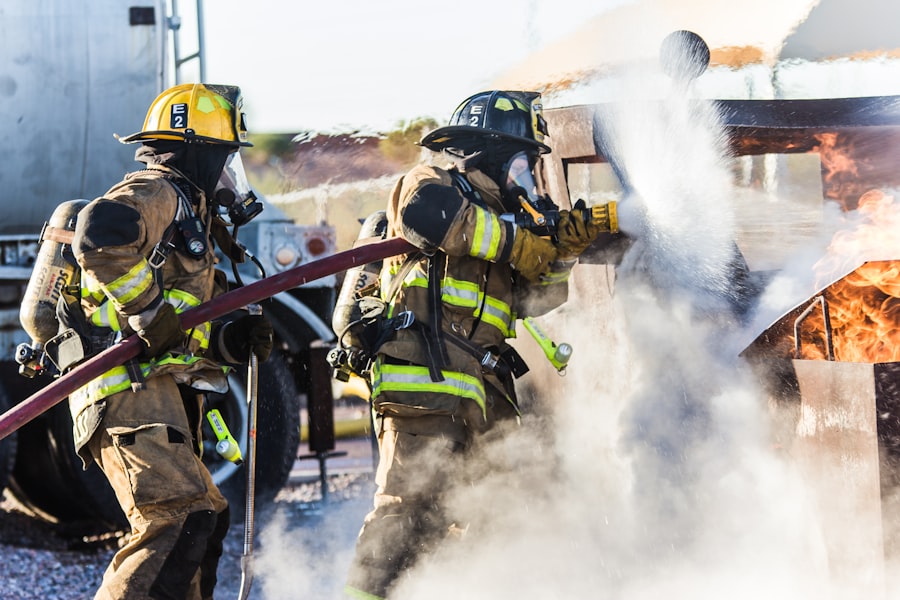
The communal nature of fire likely played a pivotal role in the development of human social structures and the transmission of culture. The hearth became a focal point for group interaction, storytelling, and the passing down of knowledge.
The Hearth as a Social Hub: Gathering and Bonding
The act of gathering around a fire would have fostered a sense of community. Shared meals, conversations, and the simple act of observing the flames together would have strengthened social bonds.
Shared Meals and Communal Eating: Building Trust
The preparation and consumption of food around a communal fire would have been a significant social activity. It facilitated cooperation, resource sharing, and the reinforcement of group identity.
Storytelling and Oral Traditions: Preserving Knowledge
The firelit nights provided an ideal setting for the transmission of oral traditions, myths, and legends. This was a crucial mechanism for preserving knowledge about the environment, history, and social norms.
The Birth of Ritual and Spirituality: Fire as Sacred
Fire’s mesmerizing qualities and its life-giving properties undoubtedly led to its incorporation into early religious and spiritual practices. Its power to transform and destroy, coupled with its association with light and life, made it a potent symbol.
Fire in Early Belief Systems: Deities and Energies
The presence of fire in early cultural contexts suggests it held a significant spiritual or even divine meaning. It may have been associated with deities, hearth goddesses, or the life force itself.
Pyrolatry and Ritualistic Burning: Early Forms of Worship
Evidence of intentional burning of particular objects or substances as part of ceremonies suggests early forms of fire worship or ritualistic practices. The specific materials burned and the context of these events offer clues to their meaning.
Deciphering the Flame: Archaeological Tools and Techniques
Uncovering these ancient fire mysteries requires a sophisticated array of archaeological and scientific tools. Researchers employ a range of techniques to meticulously examine ancient sites and interpret the subtle, often elusive, evidence of fire use.
Geoarchaeology and Sediment Analysis: Reading the Earth
The study of sedimentary layers provides a crucial window into past environments and human activity. Geoarchaeological techniques help identify disturbances caused by fire, such as ash layers, charcoal deposits, and heat-altered soils.
Macro- and Micro- Charcoal Analysis: Identifying Fire Source and Intensity
Analyzing the size, type, and distribution of charcoal fragments can reveal information about the source of the fire (e.g., wood, grass), its intensity, and how long it burned. Microscopic charcoal analysis can detect even minute burnt particles.
Soil Chemistry and Mineral Alteration: Signs of Heat Impact
High temperatures can alter the chemical composition and mineral structure of soil and stones. Sophisticated analysis can detect these changes, confirming the presence of intense heat and inferring the nature of the fire.
Dating Techniques: Placing Fire in Time
Accurate dating is essential for understanding the chronological development of fire use. Various dating methods are employed to establish timelines for archaeological sites and the evidence found within them.
Radiocarbon Dating: Measuring Organic Decay
Radiocarbon dating is a fundamental technique for dating organic materials like charcoal. It measures the decay of the isotope carbon-14 to determine the age of the sample.
Thermoluminescence and Optically Stimulated Luminescence (OSL) Dating: Dating Burnt Materials
Thermoluminescence and OSL dating techniques are particularly useful for dating materials that have been exposed to heat. They measure the accumulated radiation dose in geological materials like pottery or sediments.
Experimental Archaeology: Recreating the Past
To better understand the processes involved in ancient fire use, archaeologists often engage in experimental archaeology. This involves recreating ancient techniques and observing the results.
Fire-Making Experiments: Understanding the Skills
Recreating ancient fire-making methods, such as friction drills or stone striking, helps researchers understand the technical skill, physical effort, and materials required by our ancestors.
Cooking Experiments: Assessing the Impact of Heat
Experimental cooking of ancient foodstuffs using primitive methods helps researchers understand the nutritional benefits and changes in digestibility that fire provided.
Ancient fire investigation plays a crucial role in understanding early human behavior and environmental interactions. By examining the remnants of ancient fires, researchers can glean insights into cooking practices, social gatherings, and even the use of fire for protection. For those interested in exploring how different archaeological methods, such as archaeoacoustics, can further illuminate our understanding of ancient cultures, a fascinating article can be found here: uncovering the mysteries of archaeoacoustics. This connection between sound and ancient practices adds another layer to our comprehension of how early humans utilized their environment.
The Unfinished Story: Modern Perspectives on Ancient Fires
| Location | Date | Cause of Fire | Damages |
|---|---|---|---|
| Pompeii, Italy | 79 AD | Volcanic Eruption | Severe destruction of the city |
| Athens, Greece | 5th century BC | Arson | Significant damage to the city |
| Rome, Italy | 64 AD | Unknown | Large parts of the city destroyed |
The study of ancient fire is a dynamic and ever-evolving field. New discoveries and technological advancements continue to refine our understanding, revealing a more profound and complex relationship between humans and fire. Challenges remain, particularly in distinguishing between natural and anthropogenic fires in the earliest periods.
Bridging the Gap: From Natural to Intentional Use
A critical challenge is accurately differentiating between naturally occurring fires and those intentionally controlled by hominins, especially in the earliest phases of human evolution. This often involves a careful synthesis of multiple lines of evidence.
The “Gray Zone” of Early Fire Use: Ambiguity and Interpretation
In many early archaeological contexts, it can be difficult to definitively determine whether a fire was naturally occurring or deliberately managed. This “gray zone” requires careful interpretation and comparative analysis.
Biomarkers and Environmental Proxies: Indirect Evidence
Researchers are increasingly looking for indirect evidence, such as specific plant adaptations to frequent burning or chemical signatures in the environment that might indicate prolonged human impact.
The Future of Fire Research: New Technologies and Interdisciplinary Approaches
The future of ancient fire research lies in the continued development of sophisticated analytical techniques and the integration of diverse scientific disciplines. Advanced imaging, molecular analysis, and refined dating methods promise to unlock even deeper secrets.
Advanced Imaging Techniques: Visualizing Subtle Evidence
New imaging technologies, such as high-resolution microscopy and portable X-ray fluorescence (pXRF), can reveal subtle traces of burning and allow for in-situ analysis of artifacts.
Interdisciplinary Collaboration: Uniting Expertise
Collaboration between archaeologists, geologists, chemists, biologists, and anthropologists is crucial for a holistic understanding of ancient fire. This interdisciplinary approach allows for the integration of diverse datasets and perspectives.
The mystery of ancient fire continues to burn brightly, illuminating our past and shaping our understanding of what it means to be human. Each excavated ember, each analyzed charcoal fragment, brings us closer to comprehending the profound journey of our ancestors as they tamed the flames and, in doing so, began to forge their destiny. The story of fire is, in essence, the story of humanity itself.

What Heated These Minerals? (The Abu Hureyra Mystery)
FAQs
What is ancient fire investigation?
Ancient fire investigation is the study of past fires and their impact on ancient civilizations. It involves analyzing archaeological evidence to understand the causes and effects of fires in ancient times.
What methods are used in ancient fire investigation?
Archaeologists and fire investigators use a variety of methods in ancient fire investigation, including analyzing fire-damaged artifacts, examining burn patterns on structures, and studying historical accounts of fires.
What can ancient fire investigation tell us about ancient civilizations?
Ancient fire investigation can provide insights into how ancient civilizations dealt with fires, the impact of fires on their societies, and the technologies and practices they used to prevent and combat fires.
Why is ancient fire investigation important?
Studying ancient fires can help us understand the vulnerabilities of past societies, the development of fire prevention and firefighting techniques, and the role of fires in shaping ancient cultures and landscapes.
What are some examples of ancient fire investigation findings?
Examples of ancient fire investigation findings include evidence of deliberate fire-setting for agricultural purposes, the impact of fires on ancient urban centers, and the use of fire in religious and ceremonial practices.