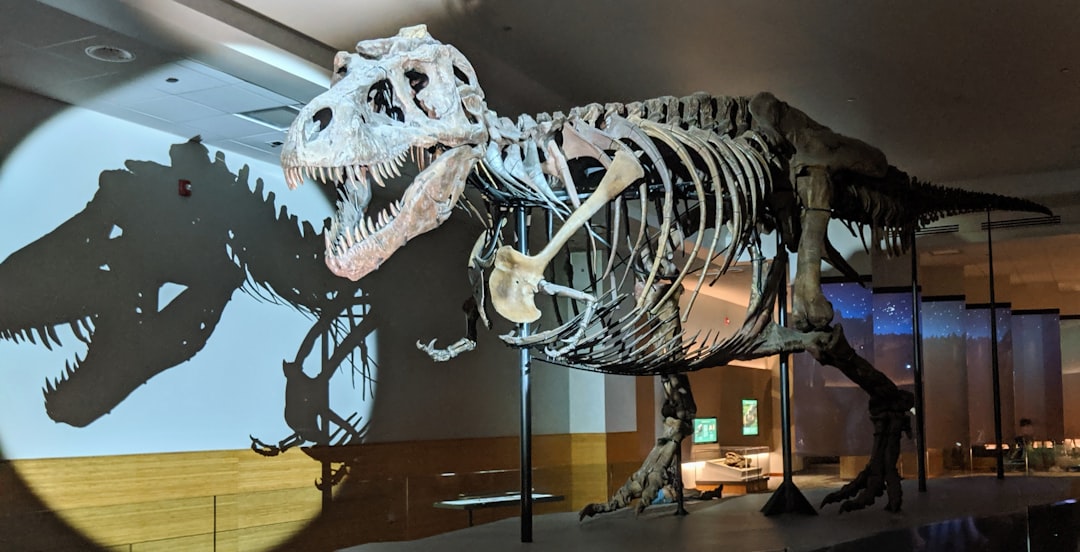
The earth, a vast and ancient canvas, holds within its subsurface layers an astonishing chronicle of life’s journey. For millennia, the silent testament to epochs long past has been encased in rock, awaiting the patient hand of discovery. Paleontologists, driven by an insatiable curiosity, dedicate their lives to unearthing these fossilized remnants, each bone, shell, or imprint a crucial piece in the grand puzzle of Earth’s history. The act of uncovering ancient fossils is not merely an archaeological pursuit; it is a profound exploration into the very essence of life’s evolution, a window into worlds dramatically different from our own, and a vital key to understanding the dynamic processes that have shaped our planet.
Paleontology, the scientific study of fossilized life, is an endeavor that bridges the gap between the present and the immeasurable past. It is a discipline that requires not only a keen eye for detail and a robust understanding of geology but also an imaginative leap to reconstruct the environments and creatures that once thrived. Fossils, the preserved remains or traces of organisms from a bygone era, are the raw material of this science. They can range from the intricate skeletal structures of dinosaurs and ancient marine reptiles to the microscopic imprints of bacteria and the delicate impressions of leaves. The conditions under which these organisms perished and were subsequently preserved are as varied as the life forms themselves, leading to a diverse array of fossil types.
What Constitutes a Fossil?
The definition of a fossil is broad, encompassing any preserved evidence of past life. This includes not only the actual remains of an organism, such as bones, teeth, shells, or even soft tissues preserved in exceptional circumstances (like amber or permafrost), but also trace fossils. Trace fossils offer indirect evidence of life, revealing the activities of ancient organisms. Examples include footprints, burrows, nests, fossilized feces (coprolites), and even bite marks. The process of fossilization, known as taphonomy, is crucial to understanding the information a fossil can yield. It involves the intricate interplay of biological, chemical, and geological processes that occur from the moment of an organism’s death until its discovery millions of years later.
The Journey from Organism to Fossil
The path from a living creature to a fossilized relic is a delicate dance with oblivion. For fossilization to occur, rapid burial is often paramount, protecting the remains from decomposition and scavengers. Sediments, such as mud, sand, or volcanic ash, provide the protective matrix. Over vast geological timescales, these sediments consolidate into rock, and the organic material within undergoes various transformations. Permineralization is a common process, where groundwater carrying dissolved minerals seeps into the porous structures of the organism’s remains. These minerals precipitate out, filling the empty spaces and effectively turning the organic material into a stony replica. Another process, replacement, involves the original organic material being dissolved and replaced molecule by molecule by minerals. In some cases, the original organic material is completely removed, leaving behind a hollow mold, which can then be filled by sediment to create a cast.
The Significance of Fossil Discoveries
The importance of fossil discoveries cannot be overstated. They are the primary source of our understanding of the history of life on Earth. By studying fossils, scientists can trace the evolutionary lineages of species, observe the changes that have occurred over time, and reconstruct ancient ecosystems. Fossils provide tangible evidence for theories of evolution and natural selection, illustrating how life has adapted to changing environments. Furthermore, fossils play a critical role in stratigraphy, the study of rock layers. The principle of fossil succession states that different types of fossils appear in the rock record in a definite and determinable order, allowing geologists to correlate rock layers across vast distances and determine their relative ages.
Recent studies have shed light on the fascinating world of ancient fossils buried beneath Earth’s surface, revealing insights into prehistoric life and the conditions that shaped our planet. For those interested in exploring the intersection of archaeology and sound, a related article discusses the intriguing concept of archaeoacoustics and its implications for understanding ancient environments. You can read more about this captivating topic in the article available at Uncovering the Mysteries of Archaeoacoustics.
Navigating the Layers: Techniques for Fossil Excavation
The quest for ancient fossils is a painstaking and often challenging endeavor, demanding a blend of scientific expertise, meticulous technique, and sometimes, a bit of luck. The earth’s subsurface is a complex tapestry of rock and sediment, and the effective extraction of delicate fossilized remains requires specialized tools and methodologies. These techniques are designed to not only locate but also carefully remove these ancient treasures without causing irreparable damage, ensuring that their stories can be read for generations to come.
Locating Potential Fossil Sites
The first crucial step in uncovering ancient fossils is identifying promising locations. Geologists and paleontologists rely on their knowledge of Earth’s history and the geological formations that are known to preserve fossils. Areas with sedimentary rocks of specific ages are particularly promising. For instance, the Mesozoic Era, the age of dinosaurs, is characterized by vast deposits of sandstone, shale, and limestone that often yield spectacular skeletal remains. Remote sensing technologies, such as satellite imagery and aerial photography, can help identify geological features that might indicate fossil-rich areas, such as exposed rock faces or ancient riverbeds. Local knowledge and historical accounts of previous discoveries can also guide researchers to productive sites.
Surface Prospecting and Surveying
Once a potential region is identified, the real work of surface prospecting begins. This involves meticulously surveying the landscape, looking for exposed fossils or fragments that have been weathered out of the rock. Paleontologists walk transects, systematically scanning the ground for any anomalies that might indicate fossil material. The color, texture, and shape of exposed rock can provide clues. Even small fragments, if recognized, can lead to the discovery of larger, more significant finds. Detailed mapping of the area is crucial, documenting the location of any finds and the geological context in which they are found. This initial survey helps to assess the potential of a site and determine the best approach for excavation.
The Art of Excavation: From Field to Lab
The actual excavation of fossils is a delicate and precise operation. Once a significant fossil is identified, the paleontologist must carefully remove the surrounding rock matrix, known as the overburden. This often begins with the use of brushes and dental picks to gently clear away loose material. For larger or more fragile fossils, specialized tools like chisels, hammers, and even jackhammers (used with extreme caution and experience) may be employed to break away larger blocks of rock. In many cases, the fossil is not excavated as a complete specimen but rather as a consolidated block of rock containing the fossil. This block is then meticulously encased in protective plaster jackets, similar to how a doctor might set a broken limb. These jackets provide structural support during transport and further work in the laboratory.
Advanced Techniques in Fossil Recovery
Beyond the traditional methods, modern paleontology employs a range of advanced techniques to aid in fossil recovery. For extremely fragile fossils, or those found in challenging environments, techniques like in-situ consolidation might be used. This involves applying chemical consolidants to stabilize the fossil in place before excavation. In some instances, particularly for microscopic fossils or microvertebrates, screen washing is employed. This involves breaking up sediment samples and washing them through a series of sieves to isolate small fossil fragments. Geophysical methods, such as ground-penetrating radar, can sometimes be used to detect buried fossil-bearing layers without invasive digging, providing valuable subsurface information.
Unveiling Prehistoric Ecosystems: The Information Encoded in Fossils
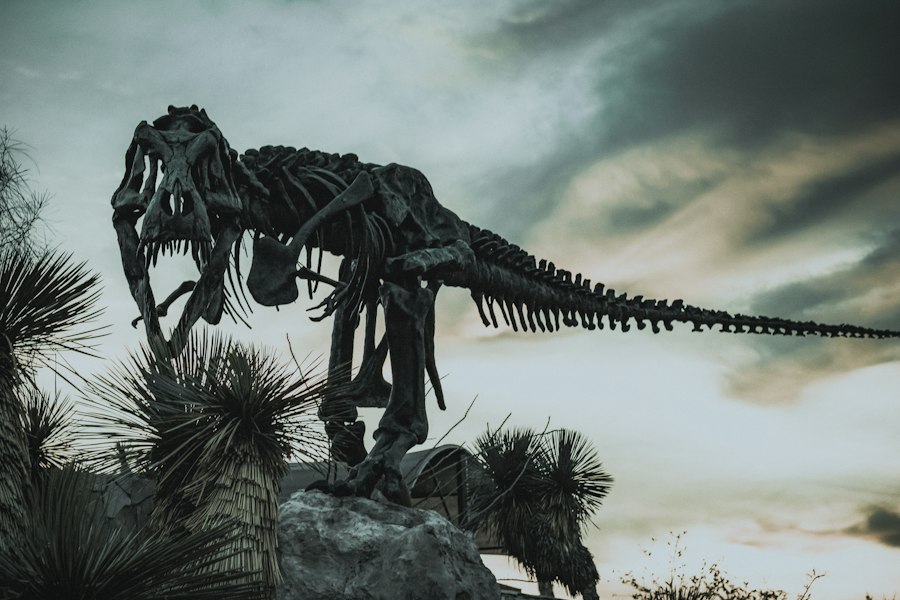
Fossils are far more than just the skeletal remains of ancient creatures; they are intricate libraries of information, offering profound insights into the ecosystems of the past. The study of these fossilized remnants allows scientists to reconstruct the environments in which these organisms lived, the interactions between different species, and the dramatic shifts in climate and geography that have shaped life on Earth. Each fossil tells a story, not just of an individual organism, but of a world long gone.
Reconstructing Ancient Environments
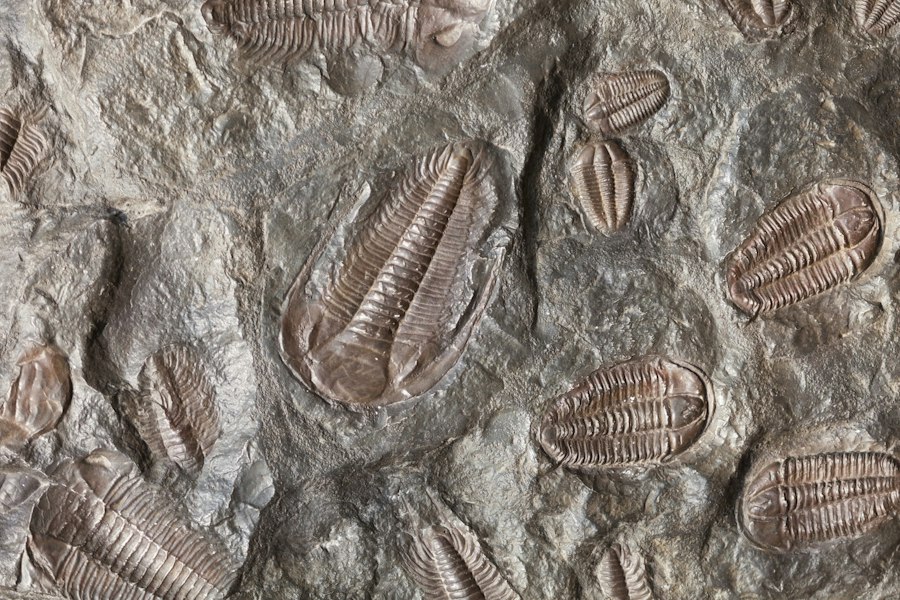
The type of rock in which a fossil is found provides crucial clues about the environment it inhabited. For instance, marine fossils like ammonites and trilobites are typically found in sedimentary rocks formed in ancient oceans or seas. Terrestrial fossils, such as the bones of land-dwelling dinosaurs or ancient mammals, are often found in sandstones, shales, or mudstones that were once part of river systems, lakebeds, or floodplains. The presence of plant fossils alongside animal fossils can further refine these environmental reconstructions, indicating the types of vegetation that supported herbivores or provided habitat for smaller creatures.
Understanding Ancient Food Webs and Interactions
The dietary habits of ancient animals can often be inferred from their fossilized teeth and jaws. Herbivores, for example, typically possess broad, flat teeth for grinding plant matter, while carnivores have sharp, pointed teeth for tearing flesh. The discovery of fossilized stomach contents or coprolites can provide direct evidence of an animal’s diet. Furthermore, the discovery of predator-prey relationships, such as a fossilized predator with the remains of its prey in its gut or evidence of bite marks on a fossilized skeleton, offers invaluable insights into ancient food webs and the dynamics of survival. Interactions between species, such as evidence of parasitism or symbiosis, can also be preserved in the fossil record.
Evidence of Past Climates and Geological Events
Fossils can also serve as proxies for past climate conditions. The distribution of certain fossilized plant and animal groups can indicate ancient temperature ranges and precipitation patterns. For example, the discovery of fossils of tropical plants in regions that are now temperate suggests that those areas were once much warmer. Similarly, evidence of marine organisms in what are now landlocked regions points to significant geological events such as sea-level changes or tectonic uplift. The presence of volcanic ash layers within fossil-bearing strata can pinpoint specific periods of intense volcanic activity that may have had widespread environmental impacts.
The Fossil Record of Evolutionary Change
Perhaps the most profound contribution of fossils is their role in documenting the grand sweep of evolution. The fossil record provides irrefutable evidence for the gradual changes in life forms over vast stretches of geological time. Discoveries of transitional fossils, organisms that exhibit traits of both ancestral and descendant groups, are particularly significant. These fossils, like Archaeopteryx which bridges the gap between non-avian dinosaurs and birds, offer compelling snapshots of evolutionary transitions. By examining the sequence of fossils in rock layers, scientists can trace the lineage of species, observe the emergence of new traits, and understand the processes of diversification and extinction.
The Deep History of Life: Key Discoveries and Their Impact
The history of paleontology is punctuated by a series of groundbreaking discoveries that have fundamentally reshaped our understanding of life on Earth. These finds, often unearthed through arduous fieldwork and meticulous study, have provided irrefutable evidence for evolutionary theory, revealed the astonishing diversity of extinct life, and illuminated the planet’s dynamic geological past. Each significant fossil discovery is not just a scientific triumph but a captivating narrative of life’s resilience and adaptability.
The Dawn of Paleontology: Early Explorations
The scientific study of fossils gained momentum in the 18th and 19th centuries. Pioneers like William Buckland and Gideon Mantell in England were among the first to systematically describe and name fossilized creatures, famously including early dinosaur discoveries. Georges Cuvier, a French naturalist, is often considered the father of paleontology. His work on comparative anatomy and his theory of extinction laid crucial groundwork for understanding the fossil record. The discovery of the Megalosaurus and Iguanodon skeletons fueled public fascination with these ancient giants.
The Dinosaur Revolution: Transforming Our Perception
The discovery of dinosaur fossils has been nothing short of revolutionary. The sheer scale and diversity of these extinct reptiles captured the imagination of the world. The iconic Tyrannosaurus rex, Triceratops, and Velociraptor have become cultural touchstones. Beyond their popular appeal, dinosaur fossils have provided invaluable evidence for the theory of evolution, demonstrating the existence of a vast and complex reptilian lineage that dominated the Earth for over 160 million years. Modern research on dinosaur fossils, including the discovery of feathered dinosaurs, has also profoundly altered our understanding of their appearance, behavior, and evolutionary relationship to birds.
Uncovering Early Life: The Pre-Cambrian and Paleozoic Eras
The search for the earliest forms of life has pushed the boundaries of paleontological exploration into increasingly ancient rock formations. The discovery of stromatolites, layered structures formed by ancient cyanobacteria, has provided evidence of life dating back billions of years, to the Pre-Cambrian Eon. The Cambrian Explosion, a period of rapid diversification of life that occurred around 541 million years ago, is remarkably well-documented by fossils found in sites like the Burgess Shale in Canada and the Chengjiang biota in China. These fossils reveal the sudden appearance of most major animal phyla, offering a glimpse into the rapid evolutionary innovations that shaped early marine ecosystems.
Mammalian Ancestors and Human Origins
Fossils of early mammals and hominins are crucial for understanding our own evolutionary journey. Discoveries of fossils like Eomaia, one of the earliest known placental mammals, and various hominin species, such as Australopithecus afarensis (Lucy) and Homo erectus, provide critical insights into the lineage that led to modern humans. These fossil finds allow scientists to reconstruct the anatomical changes, behavioral adaptations, and geographical movements of our ancestors, painting a detailed picture of human evolution and our place in the tree of life.
Recent discoveries of ancient fossils beneath Earth’s surface have shed light on the complex history of our planet’s ecosystems. These fossils, often found in sedimentary rock layers, provide invaluable insights into the life forms that once thrived millions of years ago. For those interested in how ancient mariners navigated the seas and the environmental changes they faced, a fascinating article explores these themes in depth. You can read more about it in the article on ancient mariners and their wayfinding techniques.
The Future of Paleontology: Innovations and Ongoing Exploration
| Fossil Type | Estimated Age (Million Years) | Depth Found (Meters) | Location | Significance |
|---|---|---|---|---|
| Trilobite | 520 | 150 | Morocco | Early marine arthropod, important for studying Cambrian ecosystems |
| Ammonite | 150 | 200 | England | Indicator of Mesozoic marine environments |
| Fossilized Tree Resin (Amber) | 100 | 50 | Dominican Republic | Preserves ancient insects and plant material |
| Dinosaur Bone | 65 | 300 | Montana, USA | Provides insight into Late Cretaceous terrestrial fauna |
| Microfossils (Foraminifera) | 200 | 100 | Deep Sea Sediments, Pacific Ocean | Used for paleoclimate reconstructions |
The field of paleontology is far from static; it is a continually evolving discipline, driven by technological advancements and an ever-expanding quest to uncover more of Earth’s ancient past. The future promises even more profound insights as researchers embrace new tools and methodologies, pushing the boundaries of discovery and deepening our comprehension of life’s intricate history. The ongoing exploration of Earth’s subsurface is a testament to humanity’s enduring fascination with the origins and evolution of life.
Advances in Imaging and Analytical Techniques
The digital revolution has had a profound impact on paleontology. Advanced imaging techniques, such as CT scanning and synchrotron imaging, allow paleontologists to visualize the internal structures of fossils in unprecedented detail without damaging the specimens. These technologies enable the reconstruction of delicate internal anatomy, the identification of soft tissues, and the analysis of microstructures that were previously inaccessible. Furthermore, sophisticated analytical techniques, including mass spectrometry and isotopic analysis, can provide information about the diet, environment, and even the age of fossils with remarkable precision.
The Rise of Computational Paleontology
Computational power is increasingly being harnessed to analyze vast datasets of fossil information. Machine learning algorithms are being developed to identify patterns in fossil assemblages, reconstruct evolutionary relationships, and even predict the locations of undiscovered fossil sites. Virtual reality and augmented reality are also being explored as tools for visualizing and interacting with fossil reconstructions, offering immersive educational experiences and aiding in the collaborative study of specimens. The creation of digital 3D models of fossils allows for wider dissemination and study by researchers worldwide.
Exploring New Frontiers: Deep Sea and Extreme Environments
While much of paleontology has focused on terrestrial and shallow marine environments, the exploration of Earth’s deeper oceans and more extreme environments is opening up new avenues of discovery. The study of deep-sea hydrothermal vents, for example, has revealed unique chemosynthetic ecosystems that may hold clues to the origins of life itself. The search for fossils in polar regions, often preserved in ice or permafrost, continues to yield remarkable specimens that offer insights into past climates and the evolution of life in challenging conditions. The ongoing exploration of Earth’s subsurface, from remote deserts to unexplored caves, holds the promise of uncovering even more extraordinary chapters of life’s history.
The Importance of Public Engagement and Preservation
As paleontological discoveries continue to shape our understanding of the past, the role of public engagement and the preservation of fossil resources becomes increasingly vital. Museums and educational institutions play a crucial role in disseminating knowledge and fostering a sense of wonder about Earth’s ancient history. Furthermore, responsible excavation practices and the protection of fossil-bearing sites are essential for ensuring that these irreplaceable records of life are available for future generations of scientists and the public alike. The ongoing uncovering of ancient fossils is not just a scientific endeavor; it is a shared human journey of discovery, connecting us to the deep history of our planet and our place within it.
They Drilled 12 KM Into Earth — Then Everything Changed
FAQs
What are ancient fossils beneath Earth’s surface?
Ancient fossils beneath Earth’s surface are the remains of plants and animals that lived millions of years ago and have been preserved in rocks or sediments underground.
How are ancient fossils formed beneath Earth’s surface?
Ancient fossils are formed when the remains of plants and animals are buried by sediment and over time, minerals replace the organic material, creating a fossil.
Where are ancient fossils typically found beneath Earth’s surface?
Ancient fossils are typically found in sedimentary rocks, such as shale, limestone, and sandstone, which are formed from layers of sediment deposited over millions of years.
What can ancient fossils beneath Earth’s surface tell us about the past?
Ancient fossils can provide valuable information about past environments, climate conditions, and the evolution of life on Earth. They can also help scientists understand the history of different species and ecosystems.
How do scientists study ancient fossils beneath Earth’s surface?
Scientists study ancient fossils by carefully excavating and analyzing them in laboratories. They use techniques such as radiometric dating, CT scanning, and chemical analysis to learn more about the fossils and the organisms they belonged to.