The dusty sun beat down on Professor Aris Thorne’s brow as he carefully brushed away millennia of earth. Before him, the faint outline of what appeared to be a mosaic floor began to emerge from the ochre soil. This was not the glamorous, Indiana Jones-esque adventure often portrayed in popular culture. Instead, it was a meticulous, often painstaking, process of excavation – the art of archaeology, a discipline dedicated to uncovering the stories of humanity’s distant past. Archaeology, at its core, is the scientific study of human history and prehistory through the excavation of sites and the analysis of artifacts and other physical remains. It is a window into worlds long gone, a testament to the enduring human drive to understand our origins and the civilizations that shaped our present.
Archaeology is far more than just digging for treasure or ancient relics. It is a complex and interdisciplinary field that combines elements of history, anthropology, geology, chemistry, and many other sciences to reconstruct the lives of people who lived before written records or whose written records have been lost to time. Archaeologists seek to answer fundamental questions: Who were these people? How did they live? What did they eat? What were their beliefs? What were their social structures? How did they interact with their environment? The answers to these questions are not found in grand pronouncements, but in the seemingly insignificant details – a shard of pottery, a broken tool, a hearth where a fire once burned, a burial that speaks of rituals and beliefs.
The Scientific Method in the Field
At its heart, archaeology is a scientific endeavor. While the initial discovery might be serendipitous, the subsequent investigation adheres to rigorous scientific principles. This involves careful planning, systematic excavation, meticulous recording of all findings, and precise analysis. The objective is to gather data that is as unbiased and comprehensive as possible, allowing for the reconstruction of past events and cultures with a high degree of accuracy. This objectivity is crucial, as the lure of sensational discoveries can sometimes lead to misinterpretations or overly imaginative narratives.
Beyond the Dig: The Importance of Artifacts
Artifacts are the tangible evidence of past human activity. These can range from monumental structures like pyramids and temples to humble domestic objects like cooking pots, tools, and personal ornaments. Each artifact is a piece of a puzzle, and its significance is amplified when studied in its original context. An isolated pot shard might tell little, but when found in association with other artifacts within a specific archaeological layer, it can reveal a wealth of information about the technology, economy, and daily life of the people who used it. The careful cataloging and preservation of these artifacts are paramount to the ongoing study of the past.
Understanding ancient history often relies on various methods of research and analysis, including archaeology, textual studies, and comparative history. For a contemporary perspective on how modern practices can influence historical understanding, one can explore the article on maximizing benefits through nearshoring for U.S. companies. This article highlights the importance of strategic decision-making in business, which can parallel how historians and archaeologists approach the study of ancient civilizations. To read more about this topic, visit this article.
Excavation: Unearthing the Past, Layer by Layer
The physical act of excavation is the most visible and often romanticized aspect of archaeology. However, it is a process governed by strict protocols designed to preserve the integrity of the archaeological record. The earth is not simply brute-forced. Instead, it is meticulously removed, layer by layer, with each stratum representing a distinct period of time. This understanding of stratigraphy – the study of rock layers and sediment – is fundamental to dating and interpreting the archaeological site.
Stratigraphy: Reading the Earth’s Timeline
Imagine the earth as a giant book, with each layer of soil representing a page in history. The oldest layers are at the bottom, and the most recent are at the top. This principle, known as the Law of Superposition, is a cornerstone of archaeological interpretation. By carefully excavating and documenting these layers, archaeologists can establish the chronological order of events at a site. Changes in soil color, composition, and the types of artifacts found within each layer can indicate significant cultural shifts, natural events, or periods of abandonment and reoccupation.
Tools of the Trade: More Than Just Shovels
While shovels are indeed used, a modern archaeological dig involves a sophisticated array of tools. Trowels, brushes of varying sizes, picks, dental picks, sieves, and even specialized tools like ground-penetrating radar and magnetometers are employed. The choice of tool depends on the sensitivity of the material being excavated and the need for precision. Delicate burials might require the finest brushes, while the removal of larger earthworks might necessitate heavier equipment. The emphasis is always on minimizing damage to the fragile remnants of the past.
Documentation: The Archaeologist’s Pen and Camera
No excavation is complete without extensive documentation. Every layer excavated, every artifact found, and every feature identified (like a wall, hearth, or posthole) must be meticulously recorded. This involves detailed field notes, precise measurements, sketches, and high-resolution photographs. The goal is to create a virtual replica of the site as it was being excavated, allowing for future study and analysis even after the physical excavation is complete. The importance of this phase cannot be overstated; a poorly documented excavation is essentially a lost opportunity.
Artifact Analysis: Telling the Story of Objects

Once artifacts are carefully excavated and cataloged, the real work of interpretation begins. This is where the interdisciplinary nature of archaeology truly shines. Artifacts are not just studied for their form and function, but for what they reveal about the people who made and used them. This involves a range of scientific techniques and comparative studies.
Typology and Chronology: Dating and Classification
One of the primary tasks is to classify artifacts into different types, or typologies. This involves categorizing objects based on their material, shape, decoration, and manufacturing techniques. By comparing these typologies with those found at other dated sites, archaeologists can establish the relative chronology of their discoveries. For example, certain pottery styles or projectile point designs might be characteristic of a particular time period, allowing for the dating of the unearthed materials.
Material Science: The Silent Testimony of Composition
The analysis of artifact materials can provide invaluable insights. Chemical and physical analysis of pottery can reveal the origin of the clay and temper, suggesting trade networks or local production. The study of metal artifacts can tell us about smelting techniques and the availability of resources. Even the study of stone tools can reveal the type of rock used and the methods of flaking, indicating the technological sophistication of the makers. Modern techniques like X-ray fluorescence (XRF) and mass spectrometry allow for non-destructive analysis of artifact composition.
Residue Analysis: Traces of Life
Often, the most compelling evidence of past life comes from microscopic traces left on artifacts. Residue analysis, for instance, can identify the remnants of food, drink, or other substances on pottery or tools. This allows archaeologists to reconstruct diets, understand cooking practices, and even identify ritualistic uses of certain objects. Similarly, pollen analysis from soil samples can reveal past vegetation and climate, painting a picture of the environment in which ancient people lived.
Interpretation and Reconstruction: Weaving the Narrative
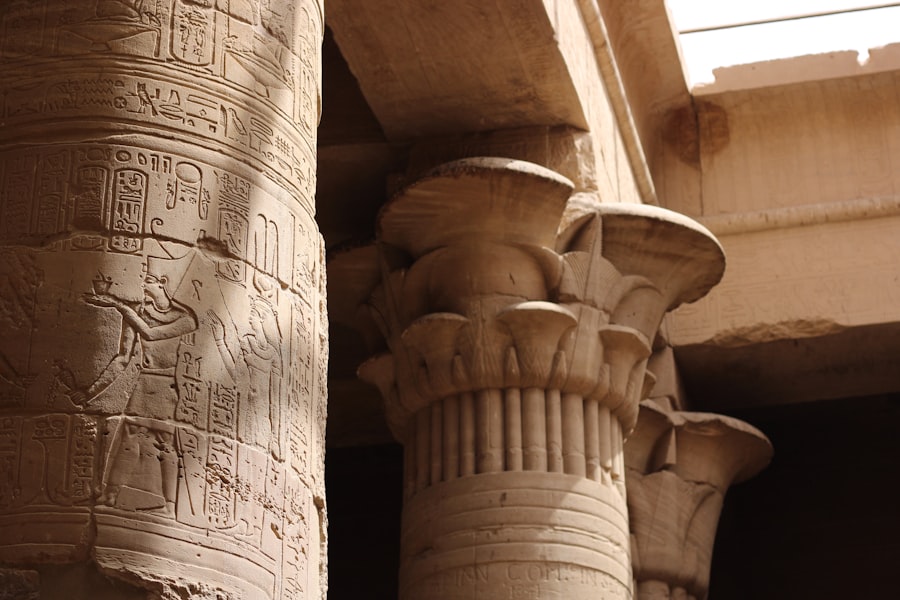
The gathered data and analyzed artifacts are only the raw materials for the archaeological narrative. The true art lies in their interpretation and the subsequent reconstruction of past societies. This is a process that requires not only scientific rigor but also imagination, informed by a deep understanding of human behavior and cultural dynamics.
Context is King: Understanding the Significance of Association
The context in which an artifact is found is paramount to its interpretation. An arrowhead found in a burial has a different significance than one found on a battlefield. A hearth within a dwelling tells a different story than one found in an open field. Archaeologists meticulously consider not just the artifact itself but also its spatial relationship to other artifacts, features, and environmental factors. This principle of “context is king” ensures that interpretations are grounded in empirical evidence.
Comparative Archaeology: Learning from Similarities and Differences
Archaeologists often employ comparative archaeology, drawing parallels between their findings and those from other sites or cultures. This can help to identify patterns of behavior, technological diffusion, or cultural exchange. For example, if a particular tool type or architectural style is found at multiple sites across a region, it might suggest widespread migration, trade, or shared cultural traditions. Conversely, significant differences can highlight unique adaptations or distinct cultural developments.
Reconstructing Daily Life: From Granaries to Graves
The ultimate goal of archaeology is to reconstruct the lives of ancient people. This involves piecing together evidence of their homes, their diets, their social structures, their religious beliefs, and their interactions with the environment. The remains of settlements can reveal urban planning and architectural styles. The analysis of animal bones and plant remains can illuminate agricultural practices and subsistence strategies. Burial sites offer profound insights into social hierarchy, kinship, and mortuary rituals.
Understanding how we know ancient history involves a variety of methods, including archaeology, textual analysis, and the study of artifacts. For instance, recent advancements in technology have allowed researchers to uncover new insights into ancient civilizations. A fascinating article that explores the intersection of technology and historical research is available at this link, which discusses how modern tools can enhance our understanding of the past. By utilizing these innovative approaches, historians can piece together the narratives of ancient societies with greater accuracy and depth.
The Ethical Landscape of Archaeology: Responsibility and Preservation
| Method | Description |
|---|---|
| Carbon dating | A method used to determine the age of an artifact or biological sample by measuring the amount of carbon-14 remaining. |
| Archaeological evidence | Artifacts, structures, and other physical remains left behind by ancient civilizations that provide insight into their way of life. |
| Historical documents | Written records, inscriptions, and manuscripts from ancient times that offer information about historical events and societies. |
| Genetic analysis | Studying ancient DNA to trace the genetic history of populations and understand their migrations and interactions. |
| Linguistic analysis | Studying ancient languages and their evolution to understand the cultural and historical connections between different societies. |
As archaeologists delve into the past, they carry a profound ethical responsibility. The sites they excavate are invaluable, often irreplaceable, resources. Their work must be conducted with respect for the past, the present communities connected to those sites, and future generations. The commodification of artifacts and the unscientific plundering of historical sites are serious concerns that ethical archaeologists actively combat.
Stewardship of the Past: Protecting Heritage for the Future
Archaeological sites are not just sources of knowledge; they are tangible links to our collective heritage. Ethical archaeologists see themselves as stewards of this heritage, committed to its protection and preservation. This means advocating for protective legislation, working with local communities to ensure that sites are respected, and prioritizing conservation over extensive excavation when necessary. The goal is to leave sites in a better state, or at least no worse, than they were found.
Community Engagement: Sharing the Discoveries
Modern archaeology increasingly emphasizes community engagement. This involves working collaboratively with descendant communities, sharing research findings in accessible ways, and respecting local traditions and perspectives. The past belongs to everyone, and archaeologists have a responsibility to ensure that their work benefits and respects the people whose ancestors they are studying. This can involve public lectures, educational programs, and co-curated exhibitions.
Combating Illicit Trafficking: The Fight Against Looting
The illicit trafficking of antiquities is a pervasive problem that threatens archaeological sites worldwide. Looting not only destroys valuable archaeological context but also fuels criminal enterprises. Ethical archaeologists play a crucial role in raising awareness about this issue, working with law enforcement agencies, and promoting responsible artifact acquisition and display. The focus is on deterring looting and ensuring that cultural heritage is protected and studied through legitimate means.
In conclusion, the art of archaeology is a multifaceted and intellectually demanding discipline. It requires a unique blend of scientific inquiry, meticulous attention to detail, and a deep appreciation for the human stories embedded within the earth. From the careful dissection of ancient soil to the complex analysis of a pottery shard, each step in the archaeological process is a testament to our enduring fascination with the past and our desire to understand the rich tapestry of human history. Professor Thorne, with a satisfied sigh, carefully placed a protective covering over the unfolding mosaic. The story, he knew, was far from over; it was merely beginning to reveal itself, layer by painstaking layer.

How Trees Became History’s Calendar
FAQs
1. How do historians know about ancient history?
Historians know about ancient history through a variety of sources, including written records, archaeological evidence, and oral traditions passed down through generations.
2. What role do written records play in understanding ancient history?
Written records, such as ancient texts, inscriptions, and manuscripts, provide valuable insights into the political, social, and cultural aspects of ancient civilizations. These records help historians piece together the events and developments of the past.
3. How does archaeological evidence contribute to our understanding of ancient history?
Archaeological evidence, including artifacts, ruins, and human remains, offers tangible clues about ancient societies, their daily lives, and technological advancements. By studying these physical remnants, historians can reconstruct the past and gain a deeper understanding of ancient history.
4. Can oral traditions be reliable sources for ancient history?
While oral traditions may lack written documentation, they can provide valuable perspectives on ancient events, customs, and beliefs. Historians carefully analyze and cross-reference oral accounts with other sources to validate their historical accuracy.
5. What challenges do historians face in interpreting ancient history?
Interpreting ancient history can be challenging due to the fragmentary nature of available evidence, cultural biases in historical records, and the passage of time. Historians must critically evaluate sources and consider multiple perspectives to construct an accurate understanding of ancient civilizations.