The whisper of ages, encoded in the very fabric of our being, is finally being heard. For millennia, the story of humanity’s origins lay buried, fragmented in fossilized bones and scattered archeological sites. Now, a revolution in scientific inquiry is allowing us to peer deeper than ever before, unlocking the secrets held within the ancient DNA of our ancestors. This burgeoning field, often referred to as paleogenomics, is not merely adding footnotes to our understanding of human evolution; it is rewriting entire chapters, revealing intricate migrations, surprising interspecies relationships, and the dynamic tapestry of our shared past.
The journey to uncover ancient human ancestors’ DNA is a testament to human ingenuity and the relentless pursuit of knowledge. It’s a story that began with the meticulous excavation of ancient remains and has evolved into sophisticated laboratory techniques and computational power. The ability to extract and analyze degraded genetic material from specimens that are tens of thousands, or even hundreds of thousands, of years old was once the stuff of science fiction.
The Challenges of Ancient DNA Extraction
Extracting viable DNA from ancient samples presents a formidable hurdle. Over time, DNA undergoes degradation, fragmenting into minuscule pieces and becoming chemically altered. Furthermore, ancient remains are often contaminated with DNA from modern humans who handled them, as well as from microorganisms that inhabited the soil. These contaminants can easily overpower the faint signal of ancient genetic material, making it a painstaking process to isolate and amplify the target DNA.
Early Triumphs and Technological Leaps
The first significant breakthroughs in ancient DNA analysis were relatively modest, focusing on identifying mitochondrial DNA (mtDNA) due to its higher copy number and greater resilience to degradation compared to nuclear DNA. These early studies, while limited in scope, laid the groundwork for future discoveries. The advent of the Polymerase Chain Reaction (PCR) in the late 20th century was a pivotal moment. PCR allows scientists to amplify tiny amounts of DNA, making it possible to work with the severely fragmented DNA found in ancient remains.
Subsequent technological advancements, particularly in next-generation sequencing (NGS), have revolutionized paleogenomics. NGS enables the simultaneous sequencing of millions of DNA fragments, allowing researchers to reconstruct complete or near-complete genomes from even the most degraded samples. This technological leap has transformed the field from one of limited insights to one capable of providing unprecedented detail about our ancient relatives.
The Role of Computational Biology
The sheer volume of data generated by NGS necessitates sophisticated computational tools. Bioinformaticians play a crucial role in assembling fragmented DNA sequences, identifying and filtering out contaminating DNA, and comparing ancient genomes to modern ones. These computational pipelines are essential for extracting meaningful biological information from the raw sequencing data, allowing us to infer evolutionary relationships, population movements, and even physical traits of ancient humans.
Recent studies have shed light on the DNA of ancient human ancestors, revealing fascinating insights into their migration patterns and genetic diversity. For a deeper understanding of how these findings can impact our knowledge of human history, you can read an insightful article that discusses the implications of ancient DNA research in various fields. To explore this topic further, visit here.
Unveiling the Neanderthal and Denisovan Legacy
Perhaps the most groundbreaking discoveries in paleogenomics have involved our closest extinct relatives: the Neanderthals and the Denisovans. For decades, these hominins were known primarily through fossil evidence, their lives and interactions with early modern humans largely speculative. Ancient DNA has brought them vividly back to life, revealing a far more complex and interconnected evolutionary narrative than previously imagined.
The Neanderthal Genome Project: A Monumental Achievement
The sequencing of the Neanderthal genome, a monumental undertaking, was a watershed moment in paleogenomics. This project, culminating in the early 2010s, demonstrated that modern humans of non-African descent carry a small but significant percentage (typically 1-4%) of Neanderthal DNA. This finding unequivocally confirmed that interbreeding occurred between Homo sapiens and Neanderthals.
The Enigmatic Denisovans: A Ghostly Encounter
The Denisovans, identified solely through ancient DNA extracted from a finger bone found in Denisova Cave in Siberia, further complicated the picture. Subsequent discoveries, including a jawbone from Tibet, have provided more tangible evidence. Genetically, Denisovans are distinct from both Neanderthals and modern humans, representing a third hominin group that coexisted with and interbred with early Homo sapiens migrating out of Africa. Analysis of Denisovan DNA in modern populations, particularly in Melanesia and East Asia, reveals that these ancient encounters had a lasting impact on human genetic diversity.
Interbreeding and its Evolutionary Significance
The evidence of interbreeding between Homo sapiens, Neanderthals, and Denisovans is profound. It suggests that these encounters were not isolated incidents but rather widespread and recurring events. The DNA inherited from these ancient hominins is not just a genetic relic; it has conferred adaptive advantages to modern humans. For instance, certain Neanderthal gene variants are associated with improved immune responses to pathogens encountered in Eurasia, while Denisovan DNA has been linked to adaptation to high altitudes in Tibetans. This interbreeding was not a sign of evolutionary dead ends but a testament to the adaptability and resilience of our ancestors, incorporating beneficial traits from their archaic cousins.
Tracing the Migratory Paths of Early Humans
Beyond understanding our extinct relatives, ancient DNA is an unparalleled tool for reconstructing the complex migratory routes and population dynamics of early modern humans. The genetic landscape of our planet is a living record of these epic journeys, and paleogenomics allows us to decipher it with unprecedented clarity.
The Out-of-Africa Narrative Refined
The “Out of Africa” theory, positing that modern humans originated in Africa and subsequently migrated across the globe, has been a cornerstone of human evolutionary studies. Ancient DNA has not only reaffirmed this theory but has also added layers of nuance to our understanding of these migrations. By analyzing the genomes of ancient individuals from various geographical regions, scientists can pinpoint the timing and direction of these movements, identifying bottlenecks, founder effects, and admixture events.
Unraveling the Peopling of Europe
The settlement of Europe by Homo sapiens is a particularly well-studied area thanks to abundant ancient remains. Paleogenomic studies have revealed that early European populations were not monolithic. Waves of migration brought different groups into the continent, with periods of displacement and assimilation. For example, genetic analyses have shown that early hunter-gatherer populations in Europe were later replaced or absorbed by agriculturalists migrating from Anatolia. The genetic legacy of these different ancestral groups can still be observed in modern European populations.
The Mysteries of the Americas and Australia
The peopling of the Americas and Australia presents unique challenges and fascinations. Ancient DNA has provided crucial insights into the timing and routes of migration into these continents. Studies suggest multiple waves of migration into the Americas, with complex genetic contributions from Siberian populations. Similarly, the long isolation of Australia has allowed for the study of deeply diverged lineages, revealing a unique evolutionary trajectory for Indigenous Australians. These studies highlight the incredible adaptability of Homo sapiens to diverse environments.
Insights into Ancient Lifestyles and Health

The genetic information contained within ancient DNA extends beyond evolutionary relationships and migration patterns. It offers a remarkable window into the daily lives, health, and even dietary habits of our ancestors.
Unveiling Ancient Pathogens and Immune Responses
Ancient DNA can carry remnants of pathogens that afflicted our ancestors. By sequencing the DNA of ancient viruses and bacteria, scientists can reconstruct the history of infectious diseases, understanding their evolution and impact on human populations. This knowledge can inform our understanding of modern disease outbreaks and the development of new treatments and vaccines. Furthermore, analyzing the human immune system genes in ancient DNA provides insights into how our ancestors responded to these pathogens, revealing evolutionary arms races between humans and microbes.
Diet and Agricultural Transitions Through DNA
The transition from hunter-gatherer lifestyles to agriculture was a monumental shift in human history. Ancient DNA can provide evidence of dietary changes through the analysis of specific genes related to metabolism and nutrient absorption. For instance, the ability to digest lactose into adulthood, a trait common in many modern populations, is thought to have evolved with the domestication of dairy animals. Evidence of this genetic adaptation in ancient individuals can help pinpoint the timing and geographical spread of dairy farming.
Evidence of Disease and Genetic Predispositions
Ancient DNA can also reveal the presence of genetic predispositions to certain diseases in past populations. While diagnostic tools for ancient diseases are still developing, identifying the genetic markers associated with conditions like Alzheimer’s or certain cancers in ancient individuals can offer insights into their prevalence and potential impact on human health throughout history. This can provide a long-term perspective on human health and disease.
Recent studies of DNA from ancient human ancestors have provided fascinating insights into our evolutionary history. Researchers have been able to extract and analyze genetic material from remains that are thousands of years old, revealing connections between modern humans and our prehistoric relatives. For those interested in learning more about these groundbreaking discoveries, you can explore a related article that delves into the implications of these findings and how they help us understand the complexities of human ancestry. Check it out here: unraveling ancient mysteries.
The Future of Paleogenomics: Unlocking Further Mysteries
| Time Period | Location | Genetic Data |
|---|---|---|
| Neanderthals | Europe and Asia | Up to 2.1% of Neanderthal DNA in non-African modern human populations |
| Denisovans | Siberia | Genetic contribution to modern human populations in Oceania and Southeast Asia |
| Early Hominins | Africa | Genetic data from ancient human ancestors dating back to over 300,000 years ago |
The field of paleogenomics is still in its nascent stages, with immense potential for future discoveries. As technologies continue to advance and the accessibility of ancient DNA analysis expands, we can anticipate even more profound revelations about our ancient past.
Pushing the Temporal Boundaries
Current research is pushing the boundaries of how far back in time we can retrieve viable DNA. Scientists are exploring novel methods for extracting and analyzing DNA from extremely ancient remains, potentially reaching further back into the hominin lineage. This could provide critical insights into the very origins of our genus and our divergence from other ape species.
Applications in Anthropology and Forensics
The applications of paleogenomics extend beyond evolutionary biology. In anthropology, it can help resolve debates about the origins and relationships of ancient populations. In forensics, the analysis of ancient DNA could potentially aid in identifying remains from historical contexts, though ethical and practical considerations remain paramount.
Ethical Considerations and Data Sharing
As paleogenomics continues to advance, it is crucial to address the ethical implications of working with ancient human remains and their genetic material. Issues of consent, repatriation, and the responsible dissemination of findings are paramount. The scientific community is increasingly focused on establishing robust ethical frameworks and promoting open data sharing to ensure that these discoveries benefit humanity as a whole. The power of ancient DNA to rewrite our history is undeniable, and as we continue to listen to these whispers from the past, we gain a richer, more nuanced understanding of who we are and where we came from. The ongoing exploration promises to be one of the most exciting scientific journeys of our time.
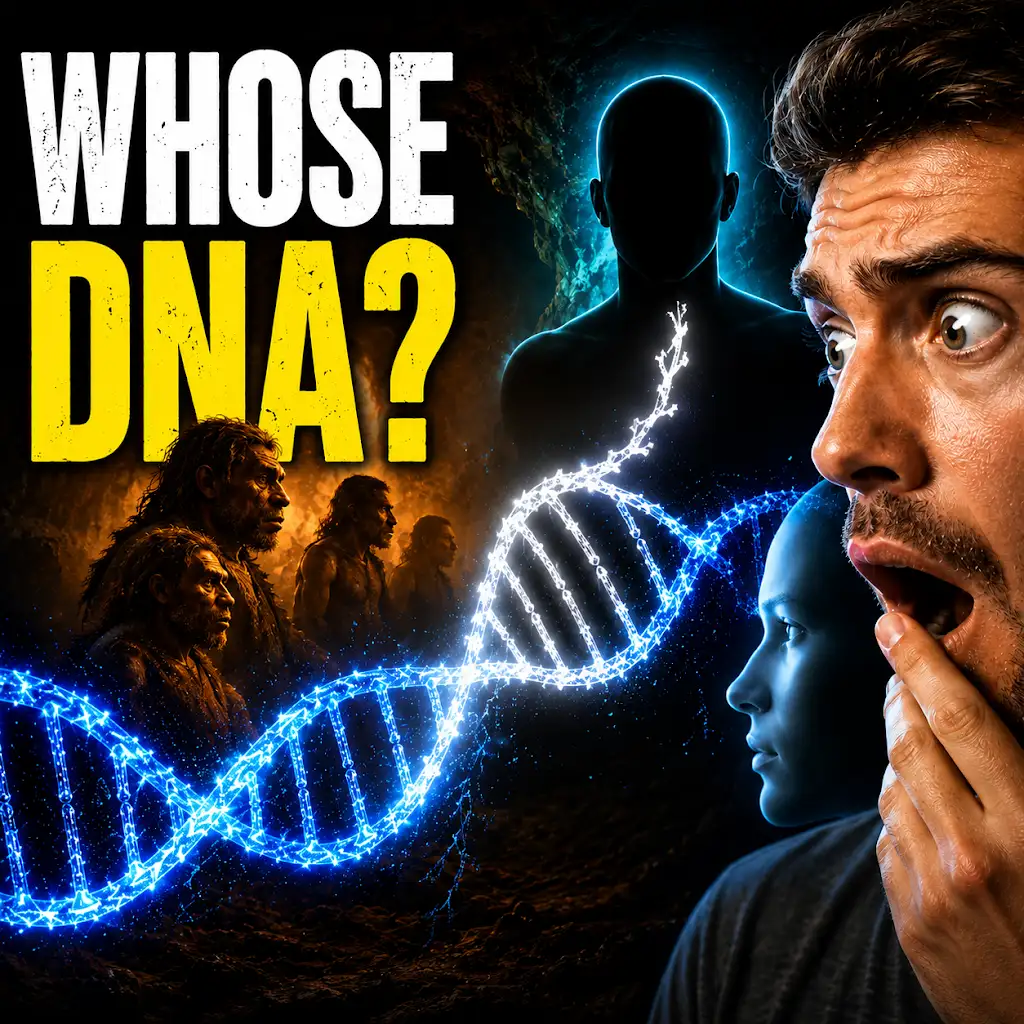
Scientists Found Two Unknown Human Ancestors Hiding in Your DNA
FAQs
What is ancient human DNA?
Ancient human DNA refers to genetic material extracted from the remains of ancient human ancestors, such as Neanderthals and Denisovans, who lived thousands of years ago.
How is ancient human DNA extracted?
Ancient human DNA is typically extracted from fossilized bones, teeth, or other remains using specialized techniques that minimize contamination and preserve the integrity of the genetic material.
What can ancient human DNA tell us?
Studying ancient human DNA can provide insights into the genetic makeup, population movements, and interbreeding events of our ancient human ancestors, shedding light on human evolution and migration patterns.
What are some challenges in studying ancient human DNA?
Challenges in studying ancient human DNA include degradation of genetic material over time, contamination from modern DNA, and the limited availability of well-preserved ancient remains.
What are some recent discoveries related to ancient human DNA?
Recent discoveries related to ancient human DNA include evidence of interbreeding between modern humans and Neanderthals, as well as the identification of genetic adaptations that allowed ancient humans to survive in different environments.