
Uncovering Ancient Livestock Burials in Sudan
The sands of Sudan, a vast expanse steeped in millennia of history, continue to yield remarkable insights into ancient human civilizations. Among the most compelling discoveries are the meticulously arranged livestock burials, offering a window into the spiritual beliefs, economic practices, and societal structures of past Sudanese communities. These deliberate interments, often found alongside human remains or in dedicated animal cemeteries, speak volumes about the profound relationship between ancient Sudanese peoples and their domesticated animals.
Archaeological evidence from across the globe consistently demonstrates the deep-seated importance of animals in human societies, extending far beyond their roles as food sources or beasts of burden. The deliberate burial of animals, particularly in contexts suggesting ritual or reverence, signifies a complex interplay of practical utility and symbolic meaning. These practices can illuminate a society’s understanding of the afterlife, its social hierarchy, and its relationship with the natural world. In Sudan, where livestock, particularly cattle, played a central role in pastoralist economies and cultural identity, the study of their burials is crucial for understanding the fabric of these ancient cultures. The careful selection of animals for burial, the manner of their placement, and any accompanying grave goods all contribute to a nuanced interpretation of their significance.
Understanding Animal Rituals and Belief Systems
The act of burying an animal is rarely a casual one. It often implies a belief system that extends beyond the immediate concerns of survival. Such burials can suggest a desire to appease deities, to accompany the deceased into the afterlife, or to honor the animal’s contribution to the community. The presence of specific animal species in burial sites, or the symbolic representation of animals in art and funerary contexts, further reinforces their sacred or important status. In ancient Sudan, where religion and daily life were intricately woven, understanding animal burials provides vital clues about their cosmological views and their perceived connections to the divine.
The Role of Livestock in Ancient Sudanese Economies
Livestock, especially cattle, were the bedrock of the ancient Sudanese economy. They provided milk, meat, hides, and manure, and served as a vital form of wealth and currency. Their importance extended to their use in agriculture, transportation, and even as sacrifices in religious ceremonies. The health and prosperity of a community were often directly linked to the well-being of its livestock. Therefore, the careful management and disposal of deceased animals would have been a significant concern, with burial practices reflecting this economic and social centrality.
Social Stratification and Animal Offerings
In many ancient societies, the type and quantity of grave goods, including animal sacrifices or offerings, could reflect the social status of the deceased. Wealthier or more influential individuals might be buried with more valuable animals or a greater number of them, indicating their elevated position within the community. Analyzing the animal burials alongside human burials can therefore offer insights into the social hierarchy of ancient Sudan and the ways in which wealth and status were expressed through their relationship with livestock.
Recent studies on ancient livestock burials in Sudan have shed light on the cultural practices of early societies in the region. These burials often reveal insights into the domestication of animals and the significance of livestock in the daily lives of ancient peoples. For a broader understanding of how historical practices shape contemporary issues, you might find it interesting to read about the complexities of trade relationships in today’s world, as discussed in this article: Navigating the US-China Trade War: A Comprehensive Guide.
Early Discoveries and Their Context
The exploration of ancient Sudanese burial sites has a long history, with early archaeologists and explorers encountering evidence of animal interments. While initial interpretations may have been rudimentary, these early findings laid the groundwork for more sophisticated analyses. The locations of these burials, whether within or near settlements, in dedicated necropolises, or in more isolated pastoralist contexts, provide crucial contextual information about their societal organization and movement patterns.
Pioneering Excavations and Their Findings
The late 19th and early 20th centuries saw a surge of archaeological interest in Sudan, driven by its rich Nubian heritage. Expeditions by figures like Sir Flinders Petrie and George Reisner uncovered numerous ancient settlements and cemeteries. Within these sites, the presence of animal bones, sometimes articulated and clearly buried, began to be noted. Early reports, though sometimes lacking the detailed analysis of modern archaeology, provided initial documentation of these discoveries, sparking further inquiry into their meaning.
The Nubian Frontier and its Cultural Exchange
The region of Nubia, straddling modern-day Sudan and Egypt, was a dynamic cultural crossroads. Its history is marked by periods of independent kingdoms and significant interaction with its northern neighbor. The burial practices in Nubia, including those involving animals, often reflect a complex blend of indigenous traditions and external influences. Understanding the broader cultural landscape of the Nile Valley is therefore essential for interpreting the specificities of Sudanese animal burials.
Typologies of Ancient Livestock Burials in Sudan
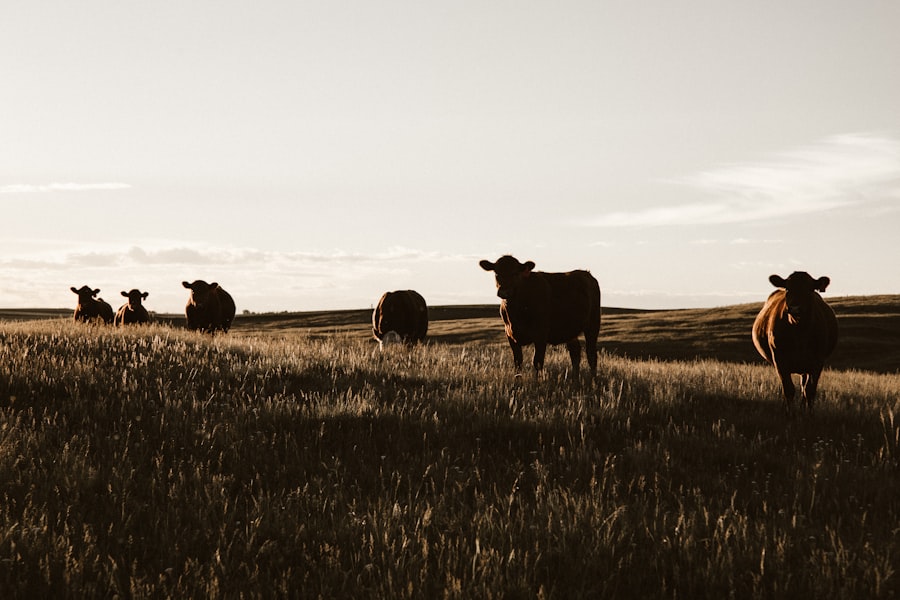
The archaeological record of Sudan reveals a fascinating diversity in the way livestock were interred. These variations are not random; they likely reflect different cultural periods, regional traditions, and specific purposes behind the burials. Identifying these distinct types allows for a more precise understanding of the evolution of human-animal relationships in the region.
Dedicated Animal Cemeteries: A Glimpse into Reverence
Perhaps the most striking evidence of the importance of livestock comes from dedicated animal cemeteries. These sites are not merely dumps for deceased animals but are carefully organized spaces where animals were interred with deliberate care. The presence of multiple animal skeletons, often arranged in a particular order, suggests a collective understanding of their significance and a shared practice of honoring them in death. These cemeteries can be sprawling, indicating a long-term commitment to the site, or more localized, perhaps associated with specific communities or lineages. The species represented, their age at death, and any associated artifacts provide invaluable data for reconstructing the role these animals played in the lives of the people.
Cattle Necropolises: The Majestic Herds
Cattle have historically held an almost sacred status in many African societies, and ancient Sudan is no exception. The discovery of dedicated cattle cemeteries, sometimes containing hundreds of individuals, underscores their paramount importance. These sites often reveal carefully selected animals, perhaps those that were particularly prized for their lineage, fertility, or service. The way these cattle are positioned within the graves, often lying on their sides as if sleeping, suggests a profound respect and possibly a belief that they would continue their existence in some form after death. The age profiles of the animals can also offer insights into herd management practices and the reasons for their culling or natural demise.
Sheep and Goat Interments: The Smaller Companions
While cattle often dominate discussions of large livestock burials, the interments of sheep and goats also contribute to our understanding. These animals, while perhaps less economically impactful on a grand scale, were essential for providing milk, wool, and meat for individual households and smaller communities. Their burials, when found, may be more individualistic and less monumental than those of cattle, often located closer to settlements or within household compounds. The analysis of their bones can reveal details about their diet, health, and the role they played in the daily sustenance of ancient Sudanese populations.
Integrated Burials: Animals Alongside Humans
In many instances, livestock were not buried in separate cemeteries but alongside their human companions. These integrated burials offer a unique perspective on the human-animal bond, suggesting a desire to maintain this connection even in the afterlife. The context of these burials is crucial for interpretation: was the animal intentionally placed there to accompany the human, or was it a more practical consideration? The species, age, and condition of the animal, as well as its spatial relationship to the human remains, provide vital clues.
Companion Animals in Funerary Contexts
The presence of animals interpreted as “companion animals” alongside humans can be particularly poignant. While the concept of pets as we understand them today might be anachronistic, certain animals were likely kept for affection, protection, or as symbols of status. Their inclusion in human graves suggests a deep personal bond that transcended the utilitarian. Identifying such animals requires careful skeletal analysis and consideration of the broader cultural context.
Ritual Offerings to the Deceased
In other integrated burials, the animal may have served as a ritual offering to the deceased. This could have been intended to provide sustenance or companionship in the afterlife, or to appease spirits or deities associated with the burial. The presence of specific animals, such as birds or certain types of livestock, can indicate the nature of the ritual and the beliefs surrounding death and the afterlife. The way the animal is butchered or presented can also provide clues about its intended purpose in the burial.
Accidental Accumulations vs. Deliberate Burials
It is essential for archaeologists to distinguish between deliberate burials and accidental accumulations of animal remains. Natural death, scavenging, or the accumulation of refuse can all lead to animal bones being found in archaeological contexts. The key indicators of deliberate burial include: the articulation of the skeleton, the presence of grave cuts or disturbances in the soil, the orientation of the body, and the absence of gnaw marks from scavengers. Careful excavation and detailed analysis are paramount in making these crucial distinctions.
Skeletal Articulation and Grave Features
The preservation and arrangement of the animal skeleton are primary indicators of deliberate burial. If the bones are found in their anatomical positions, with joints connected, it suggests the carcass was placed in the ground without significant disturbance. The presence of a prepared grave pit, with soil that has been dug and refilled, further supports the idea of a formal interment. The lack of evidence for scavenging or natural decomposition processes also points towards an intentional burial.
Evidence of Butchery and Preparation
In some instances, animal remains found in human burials might show evidence of butchery, indicating that the animal was prepared as food for the deceased or for a funerary feast. However, the absence of butchery marks does not preclude a ritualistic burial; the animal might have been interred whole for symbolic reasons. The context of any butchery marks—whether they are clean cuts suggesting intentional preparation or evidence of scavenging—is crucial for interpretation.
Interpreting the Symbolic Language of Animal Burials
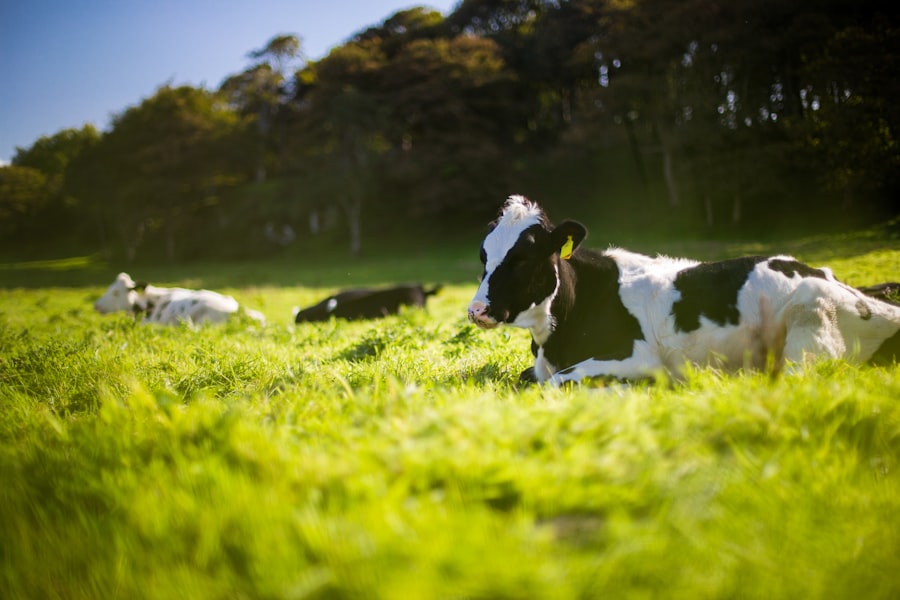
The precise meaning behind ancient livestock burials is multifaceted and open to ongoing interpretation. However, by considering the species involved, the context of the burial, and any associated artifacts, archaeologists can begin to decipher the symbolic language of these interments. This allows us to move beyond simply identifying bones to understanding the beliefs and values they represent.
The Sacred Cow: Symbolism and Divinity
Cattle, particularly in ancient Egypt and surrounding regions like Sudan, were often associated with divinity and fertility. They were sometimes depicted as embodying goddesses, representing creation, nourishment, and the life-giving power of the earth. The elaborate burials of cattle in Sudan may reflect these deeply held religious beliefs, suggesting that these animals were seen as intermediaries between the human and divine realms. Their burial might have been a way to honor these divine associations or to ensure their continued beneficence in the afterlife.
Cattle as Representations of Deities
In some cultures, specific deities were closely linked with cattle. These deities were often associated with creation, fertility, or protection. The sacrifice or burial of cattle could have been a direct act of worship, an attempt to curry favor with these divine entities, or a way to invoke their powers. Analyzing iconography and textual evidence from contemporaneous cultures can shed light on these potential divine associations within Sudan.
The Concept of Abundance and Fertility
Cattle were a primary source of sustenance and wealth, and their well-being was directly linked to the fertility of both the land and the people. Their burials might therefore symbolize a desire for continued abundance and fertility, both in this life and in the next. The presence of pregnant animals or those in prime condition in burials could further support this interpretation.
Animals as Guides and Companions in the Afterlife
Many ancient cultures believed in an afterlife that mirrored earthly existence. In this context, animals might have been interred with the deceased to serve as guides, protectors, or companions on their journey to the next world. The presence of animals in human graves could therefore represent a desire to ensure the deceased’s comfort and safety in the unknown realms.
The Soul’s Journey and Animal Guardians
The belief that animals could guide souls through the underworld or protect them from dangers is a recurring theme in mythology worldwide. In Sudan, specific animals might have been chosen for their perceived strength, wisdom, or spiritual attributes to fulfill this role. The choice of animal and its positioning relative to the human remains could provide clues about these beliefs.
Maintaining Earthly Bonds Beyond Death
The act of burying a favored animal with its human owner could simply be an expression of a deep and abiding bond that the owner wished to maintain even after death. This speaks to the profound emotional connections that can exist between humans and animals, and the desire to carry these relationships into the afterlife.
Recent studies have shed light on the fascinating practice of ancient livestock burials in Sudan, revealing insights into the cultural and economic significance of these rituals. For a deeper understanding of how such practices relate to broader societal trends, you might find it interesting to explore an article that discusses the implications of historical events on contemporary issues. You can read more about this in the context of economic stability and societal changes in the article on preparing for a potential crisis at preparing for a US debt crisis.
Modern Techniques and Future Prospects
| Site Name | Location | Number of Burials | Animal Species | Age of Burials |
|---|---|---|---|---|
| Site 1 | Northern Sudan | 25 | Cattle | 3,000 years old |
| Site 2 | Eastern Sudan | 15 | Sheep and Goats | 2,500 years old |
| Site 3 | Central Sudan | 30 | Horses | 4,000 years old |
The study of ancient livestock burials in Sudan is continually evolving, thanks to the application of modern scientific techniques and a growing understanding of archaeological best practices. These advancements are allowing for more precise dating, detailed dietary analysis, and a deeper understanding of the genetic relationships between ancient and modern livestock populations.
Radiocarbon Dating and Chronological Frameworks
Radiocarbon dating of animal bones is essential for establishing precise chronological frameworks for the burials. This allows archaeologists to track changes in burial practices over time and to correlate them with broader historical developments in Sudan. By accurately dating these interments, researchers can better understand the evolution of human-animal relationships and the cultural contexts in which these practices were embedded.
Establishing Timelines for Burial Traditions
Radiocarbon dating provides the backbone for understanding the temporal dimension of animal burials. By dating multiple samples from different sites and contexts, researchers can construct reliable timelines for the emergence, prevalence, and eventual decline of specific burial traditions. This allows for a nuanced understanding of how these practices adapted and changed in response to evolving social, economic, and religious landscapes.
Correlating with Historical and Cultural Events
Once a chronological framework is established, the animal burial data can be correlated with known historical events, periods of cultural fluorescence, or significant societal shifts in Sudan. This allows for the identification of potential causal links or influences, shedding light on how broader historical forces might have shaped the way ancient Sudanese societies viewed and treated their livestock.
Isotopic Analysis and Dietary Reconstruction
Isotopic analysis of animal bones can reveal crucial information about their diet and the environment in which they lived. By examining the ratios of stable isotopes of carbon, nitrogen, and oxygen, researchers can reconstruct the types of plants and water sources that sustained these animals, and by extension, the pastoralist practices of the communities that owned them. This provides a tangible link to the ecological conditions and agricultural strategies of ancient Sudan.
Understanding Pastoralist Livelihoods
The isotopic signatures of livestock bones can reveal whether they were grazing on wild vegetation, cultivated crops, or a combination of both. This offers direct evidence for the pastoralist strategies employed by ancient Sudanese peoples. Were they nomadic herders, semi-sedentary pastoralists, or did they integrate livestock farming with settled agriculture? Isotopic analysis can help answer these questions.
Environmental and Climate Reconstruction
The isotopic composition of animal bones can also provide insights into past environmental conditions and climate. For example, oxygen isotopes in bone collagen can reflect the temperature and source of drinking water. Such data, when gathered from a range of sites and time periods, can contribute to a broader understanding of past climate change in Sudan and its impact on human and animal populations.
Genetic Studies and Domestication Histories
Advances in ancient DNA analysis are opening up new avenues for understanding the genetic history of domesticated animals in Sudan. By extracting and analyzing DNA from animal remains, researchers can investigate the origins of domestication, the genetic diversity of ancient livestock populations, and their relationships with modern breeds. This can shed light on the long and complex co-evolutionary journey of humans and their livestock.
Tracing the Origins of Livestock Breeds
Genetic analysis can help determine whether the livestock buried in Sudan were indigenous breeds, introduced from elsewhere, or a mix of both. This has implications for understanding ancient trade routes, migration patterns, and the dissemination of domesticated species across Africa and beyond. It can also shed light on the selective breeding practices that ancient Sudanese people employed.
Understanding Human-Animal Co-evolution
The genetic makeup of ancient livestock can reveal the pressures and selective forces that humans exerted on these animals over millennia. This allows for a deeper understanding of the process of domestication as a co-evolutionary relationship, where both humans and animals adapted to each other’s needs and behaviors. The study of ancient DNA, therefore, provides a molecular lens through which to view the intricate tapestry of human-animal interaction in ancient Sudan.
Recent studies on ancient livestock burials in Sudan have shed light on the cultural practices of early agricultural societies in the region. These burials often reveal insights into the significance of livestock in social and economic contexts, highlighting their role in rituals and as symbols of wealth. For a deeper understanding of how material wealth has been perceived throughout history, you might find this article on elite assets intriguing, as it explores the ownership and significance of valuable items across different cultures. You can read more about it here.
Conclusion: A Legacy in the Sands
The ancient livestock burials of Sudan are more than just piles of bones; they are tangible testaments to the profound and enduring relationship between humans and animals in this historically rich region. From the majestic cattle interred with reverence to the humble sheep and goats that sustained daily life, each discovery offers a unique perspective on the beliefs, economies, and social structures of past Sudanese societies. As archaeological techniques continue to advance, the sands of Sudan will undoubtedly continue to reveal even more about this fascinating chapter of human and animal history, deepening our understanding of our shared past. These silent witnesses, buried for millennia, continue to speak, urging us to listen and to learn from the rich legacy they have left behind.

260 Ancient Graves Were Hiding in This “Empty” Desert
FAQs
What is the significance of ancient livestock burials in Sudan?
Ancient livestock burials in Sudan provide valuable insights into the cultural and religious practices of ancient societies, as well as their economic and agricultural systems. These burials can also shed light on the relationship between humans and animals in the past.
What types of livestock have been found in ancient burials in Sudan?
Archaeologists have discovered the remains of various types of livestock in ancient burials in Sudan, including cattle, sheep, goats, and sometimes even horses. These animals were likely important to the livelihood and sustenance of the ancient societies in the region.
How are ancient livestock burials in Sudan studied by archaeologists?
Archaeologists study ancient livestock burials in Sudan through a combination of excavation, analysis of skeletal remains, and examination of burial contexts. They also use scientific techniques such as carbon dating and stable isotope analysis to understand the age, diet, and health of the animals.
What do ancient livestock burials reveal about the relationship between humans and animals in Sudan?
Ancient livestock burials in Sudan suggest that animals held significant cultural, economic, and possibly religious importance to the people of the past. The careful burial of livestock indicates a level of respect and possibly symbolic significance attached to these animals.
What can we learn from ancient livestock burials in Sudan?
Studying ancient livestock burials in Sudan can provide insights into the daily lives, belief systems, and social structures of ancient societies in the region. It can also help us understand the role of animals in these societies and how they were integrated into various aspects of human life.