
The faint echo of forgotten tales, the whisper of primordial forces, and the enduring wisdom of our ancestors – these are the threads that weave the intricate tapestry of mythology. For millennia, humans have gazed at the stars, pondered the mysteries of life and death, and sought to understand their place in the grand cosmic drama. Mythology, in its myriad forms, has been the primary vehicle for this ancient quest, a powerful lens through which we have attempted to make sense of the world and ourselves. Far from being mere quaint stories of gods and monsters, these narratives are repositories of profound human experience, offering a unique and potent way to uncover ancient memories, not just of historical events, but of the very essence of what it means to be human.
Mythology was not born in a vacuum; it arose from the fundamental human need to explain the inexplicable and to codify the unknown. In the absence of scientific understanding, early civilizations projected their hopes, fears, and observations onto the natural world, creating anthropomorphic deities and supernatural beings to embody the forces that shaped their lives. These early myths served as the foundational narratives of human culture, shaping societal structures, religious beliefs, and individual identities.
Explaining the Cosmos: From Creation to Cataclysm
The most fundamental questions facing early humanity revolved around the origins of existence. Where did the universe come from? How were humans formed? What governed the cycles of nature? Mythologies across the globe offer a breathtaking array of creation stories, from the cosmic egg hatching in the void to a divine artisan shaping the world from primal chaos. These stories, while often wildly divergent in their specifics, share a common purpose: to provide a framework for understanding the vast, often terrifying, and awe-inspiring universe.
The Singularity of Origin: Divine Birth and Cosmic Dances
Many cultures envision a singular, powerful entity or event as the genesis of all. The Egyptian god Ra emerging from the primordial waters of Nun, the Hindu concept of Brahman as the ultimate reality from which all else emanates, or the Greek Titans battling for dominion – these narratives illustrate a cosmic struggle or a divine birthing process that sets the universe in motion. These stories speak to the human desire for order and purpose, suggesting that even in the boundless unknown, there is a deliberate beginning.
The Dualistic Struggle: Light Against Darkness
Other creation myths emphasize a conflict between opposing forces. The Zoroastrian concept of Ahura Mazda and Angra Mainyu, locked in an eternal battle between good and evil, or the Norse myth of the initial void (Ginnungagap) being filled by fire and ice, represent a universe born from tension and ongoing struggle. These narratives reflect the inherent duality of human experience – the interplay of light and shadow, creation and destruction, order and chaos. They provide a framework for understanding morality and the ongoing battle for the soul of the world.
Understanding the Natural World: The Personification of Forces
Beyond the grand questions of creation, mythologies sought to explain the daily phenomena that governed life: the rising and setting of the sun, the fury of storms, the bounty of the harvest, the fury of the ocean. These natural forces were often personified as gods and goddesses, their moods and actions dictating the fortunes of humankind.
The Celestial Family: Deities of Sun, Moon, and Stars
The sun, life-giving and relentless, was a central figure in countless mythologies. Helios in Greece, Sol in Norse mythology, and Inti in Inca tradition all represent the power and importance of this celestial body. Similarly, the moon, with its phases and ethereal glow, often held complex symbolic meaning, associated with femininity, magic, and the cycles of life. The stars, too, were woven into intricate narratives, guiding navigators, marking seasons, and holding the destinies of mortals.
The Elemental Powers: Gods of Storm, Sea, and Earth
The raw power of the elements was a source of both awe and terror. Zeus, king of the gods in Greece, commanded thunderbolts, while Poseidon ruled the turbulent seas. The Maori god Tāne Mahuta shaped the forests, and the Roman god Vulcan (Hephaestus) forged the very earth. These deities provided a narrative explanation for the destructive and generative forces of nature, offering a sense of connection and, at times, appeasement.
In exploring the fascinating concept of how myths can serve as vessels for ancient memories, one might find it intriguing to consider the broader implications of storytelling in preserving cultural narratives. A related article that delves into the complexities of understanding financial systems and their historical contexts can be found at Understanding Financial Bank Bail-Ins. This piece highlights how historical events shape contemporary financial practices, much like how myths encapsulate the experiences and beliefs of past civilizations, ensuring that their legacies endure through time.
Portals to the Past: Myth as Historical Record
While modern scholarship often views mythology as distinct from factual history, it is undeniable that these ancient narratives hold fragments of historical truth, albeit veiled in symbolic language. The stories passed down through generations often encoded the collective memory of migrations, societal upheavals, technological advancements, and the experiences of early peoples.
The Echoes of Migration and Settlement: Journeys Across Land and Sea
Many foundational myths describe epic journeys undertaken by heroes or entire peoples. The flight of Aeneas from Troy to found Rome, the biblical exodus of the Israelites from Egypt, or the Polynesian voyages across the Pacific – these narratives, while embellished, likely reflect actual movements of populations, their struggles for survival, and their establishment of new homelands. The heroic trials and tribulations encountered on these journeys mirror the real-world challenges of exploration and colonization.
Founding Heroes and Legendary Ancestors: Shaping National Identity
The figures at the heart of these migration myths – Romulus and Remus, Moses, Hina – are not just characters; they are ancestral figures upon whom national identities were built. Their deeds, often superhuman, served to legitimize the claims of their descendants to land and power. The myths provided a shared origin story, a sense of common destiny, and a powerful unifying force for disparate groups.
Lost Civilizations and Forgotten Empires: Whispers of the Past
Certain myths might also allude to the rise and fall of ancient civilizations or lost empires. The legend of Atlantis, though shrouded in mystery, has fueled speculation about advanced ancient societies. While the historical veracity of such tales remains debated, they tap into a deep human fascination with the ephemeral nature of power and the lingering presence of forgotten peoples. These stories act as poignant reminders of the transient nature of human endeavors.
Encoded Wisdom: Technological and Social Innovations
Beyond grand historical movements, myths can also subtly encode knowledge about technological advancements or significant social shifts. The Prometheus myth, for instance, where the Titan steals fire for humanity, can be interpreted as a symbolic representation of the discovery and control of this vital element, a monumental step in human development. Similarly, myths surrounding the establishment of laws or societal structures can offer insights into early forms of governance and social organization.
The Gift of Fire: Symbol of Civilization and Progress
The taming of fire was perhaps one of the most transformative events in human history, conferring warmth, protection, and the ability to cook food. Myths that depict fire as a divine gift or a hard-won prize underscore its profound significance. Prometheus’s act, while punished by the gods, is ultimately seen as a benevolent act, highlighting the double-edged nature of progress and the potential for divine disapproval of human innovation.
The Birth of Law and Order: Myths of Justice and Governance
Many mythologies feature figures who establish foundational laws or create systems of justice. Moses receiving the Ten Commandments on Mount Sinai, or the mythical lawgivers of ancient Greece, illustrate the human need for order and a framework for societal interaction. These narratives highlight the perennial human struggle to balance individual freedom with collective security.
The Archetypal Mirror: Revealing the Human Psyche
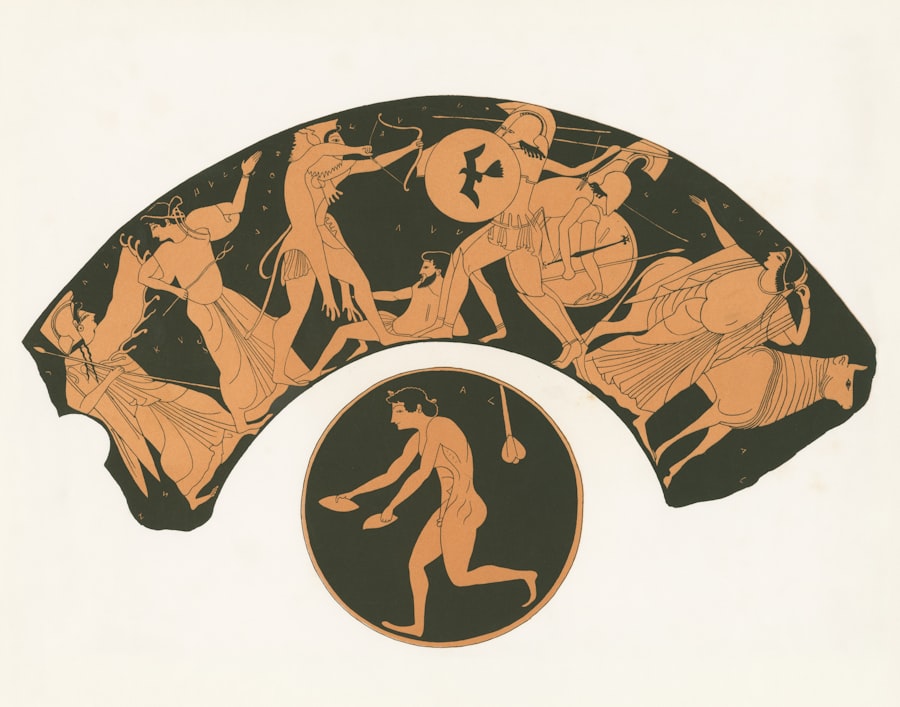
Perhaps the most profound power of mythology lies in its ability to act as an archetypal mirror, reflecting the universal patterns of human psychology. Through the recurring figures, themes, and narratives found across diverse cultures, we can discern fundamental truths about the human condition that transcend time and geography.
The Hero’s Journey: A Universal Quest for Self-Discovery
The concept of the Hero’s Journey, famously articulated by Joseph Campbell, is a testament to the pervasive nature of archetypal narratives. From Odysseus to Luke Skywalker, the archetypal hero embarks on a cycle of departure, initiation, and return, facing trials, confronting their shadow selves, and ultimately emerging transformed. This narrative structure resonates deeply because it mirrors our own internal journeys of growth, learning, and self-realization.
The Call to Adventure: Stepping into the Unknown
Every hero’s journey begins with a “call to adventure,” a disruption of the ordinary world that compels the protagonist to embark on an extraordinary quest. This call can be an external threat, a personal calling, or a profound inner yearning. It represents the moment when an individual transcends complacency and embraces the possibility of change.
Trials and Tribulations: Confronting the Inner and Outer Dragons
The path of the hero is rarely smooth. They face formidable obstacles, both external adversaries and internal demons. These trials are not simply plot devices; they are metaphorical representations of the challenges and struggles we all face in life. Overcoming these hurdles signifies growth, resilience, and the development of inner strength.
The Ultimate Boon: Transformation and Return
The culmination of the hero’s journey is often the acquisition of a “boon” – a treasure, knowledge, or a profound understanding – which is then brought back to the ordinary world, enriching it and its inhabitants. This return signifies integration, the application of newfound wisdom, and the ongoing process of contributing to the collective good.
The Shadow and the Trickster: Navigating the Dualities Within
Mythology provides rich conceptualizations of the darker aspects of the human psyche. The “shadow” archetype represents the repressed, unacknowledged, or instinctual parts of ourselves, often manifesting as villains or monstrous figures. The “trickster” archetype, on the other hand, embodies chaos, disruption, and transgression, challenging norms and often revealing hidden truths through their unconventional actions.
Confronting the Abyss: The Embodiment of Fear and Evil
From the monstrous Grendel in Beowulf to the deceitful Loki in Norse mythology, the presence of malevolent forces in myths serves to externalize our deepest fears and anxieties. Engaging with these dark characters within the narrative allows us to explore and understand these aspects of ourselves in a safe, symbolic realm. It’s an exploration of the primal forces that threaten order and well-being.
The Catalyst for Change: The Role of the Disruptor
Trickster figures, though often frustrating and unpredictable, are essential to the narrative and symbolic function. They break down rigid structures, challenge established authority, and force introspection. Their antics, while seemingly destructive, often lead to unexpected growth and innovation. Think of Coyote in Native American traditions or Hermes in Greek mythology – their disruptive nature often paves the way for new understanding.
The Enduring Resonance: Why Mythology Still Matters
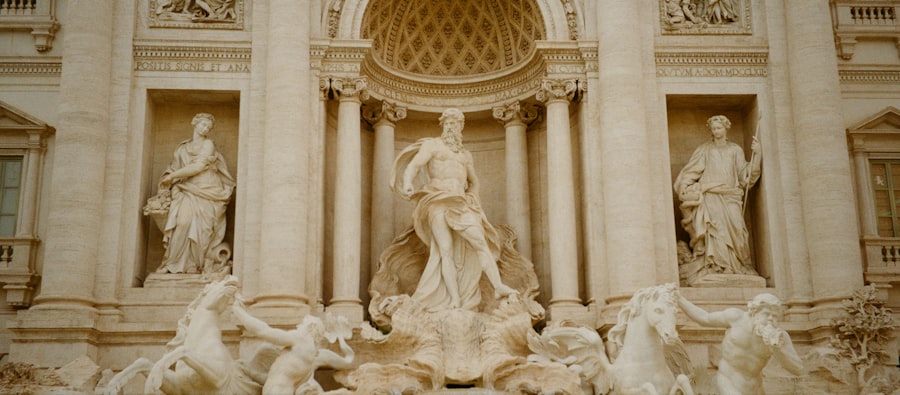
In an age dominated by science and technology, it might be tempting to dismiss mythology as an irrelevant relic of the past. However, the enduring power of these ancient stories lies in their ability to tap into fundamental human needs and anxieties that remain as potent today as they were millennia ago. Mythology offers a framework for understanding complexity, navigating moral dilemmas, and finding meaning in a bewildering world.
Providing Meaning and Purpose: Beyond the Mundane
In a world that can often feel chaotic and arbitrary, mythological narratives offer a sense of order, purpose, and connection to something larger than oneself. They provide origin stories that explain our present circumstances and heroic narratives that inspire us to strive for greatness. These stories imbue existence with a sense of cosmic significance that can be profoundly comforting and motivating.
The Search for Answers: Existential Quests in Story Form
The fundamental questions about life, death, love, and loss are perennial human concerns. Mythology offers a rich tapestry of answers, or at least frameworks for exploring these questions. Whether it’s the quest for immortality, the search for true love, or the grapple with inevitable mortality, these myths provide relatable narratives that help us process our own existential anxieties.
Inspiring Values and Moral Frameworks: The Compass of Culture
Mythologies are often deeply intertwined with the moral and ethical codes of their cultures. The heroic virtues of courage, loyalty, and sacrifice, as well as the consequences of greed, envy, and hubris, are constantly reinforced through these stories. They serve as a cultural compass, guiding individuals towards actions and behaviors that are deemed virtuous and beneficial for the community.
Fostering Empathy and Connection: A Shared Human Language
Despite the vast differences in their content, mythological narratives share common themes and archetypes that resonate across cultures. This shared language allows for a deeper understanding and empathy between people from different backgrounds. By recognizing the universal patterns in these stories, we can connect with the shared human experiences that bind us all together.
Bridging Cultural Divides: Universal Themes, Diverse Expressions
The concept of the divine parent, the struggle against adversity, the longing for home, the fear of the unknown – these are themes that appear in myths from every corner of the globe. Recognizing these universal threads allows us to see beyond superficial differences and appreciate the shared humanity that underlies all cultural expressions.
The Collective Unconscious: Jungian Insights into Shared Narratives
Carl Jung’s concept of the collective unconscious suggests that humanity shares a common reservoir of archetypes and instincts that manifest in myths and dreams. This theory provides a powerful framework for understanding why certain stories and symbols hold such universal appeal. They speak to primal, deeply ingrained patterns of the human psyche that have been passed down through generations.
In exploring the fascinating concept of how myths could preserve ancient memories, one might find it intriguing to consider the ways in which cultural narratives shape our understanding of history. A related article discusses the importance of safeguarding valuable possessions and the implications of government actions on personal property. This connection highlights how stories and myths can serve as a protective mechanism for cultural heritage, much like the strategies outlined in the article about protecting your assets. For more insights on this topic, you can read the article here.
Unlocking Personal Potential: Myth as a Tool for Self-Transformation
| Myth | Ancient Memory |
|---|---|
| Greek Mythology | Stories of gods and heroes |
| Egyptian Mythology | Creation stories and religious beliefs |
| Norse Mythology | Tales of battles and the afterlife |
Beyond their cultural and historical significance, myths hold immense potential for personal growth and self-transformation. By engaging with these narratives on a personal level, individuals can gain deeper insights into their own motivations, overcome personal challenges, and unlock their own latent potential.
Understanding Personal Archetypes: Discovering Your Inner Hero
By analyzing and relating to the archetypes within myths, individuals can begin to identify their own dominant archetypes, their strengths, and their areas for growth. Recognizing oneself as a hero on a personal journey, or as a trickster needing to embrace unconventional solutions, can be a powerful catalyst for self-awareness and intentional development.
Identifying Your Inner Hero’s Journey: Charting Your Life’s Path
Reflecting on one’s own life experiences through the lens of the Hero’s Journey can provide clarity and direction. Identifying the calls to adventure, the trials faced, and the wisdom gained can help individuals to better understand their past, navigate their present, and consciously shape their future.
Embracing Your Shadow and Your Inner Trickster: Integrating the Whole Self
The acceptance and integration of one’s shadow self, rather than suppressing it, can lead to a more complete and authentic life. Similarly, learning to channel the trickster’s disruptive energy for positive change can foster creativity and innovation. Mythology offers a safe space to explore these often-feared aspects of the self.
Reimagining Your Narrative: Crafting Your Own Meaningful Story
Mythology teaches us that stories are not static; they are dynamic and evolving. By understanding the power of narrative, individuals can consciously reimagine their own life stories, moving beyond limiting beliefs and self-imposed narratives to craft a more empowering and fulfilling existence.
The Power of Personal Mythology: Consciously Shaping Your Life’s Tale
Just as ancient cultures created grand myths to explain their world, individuals can create and embrace their own “personal mythology.” This involves identifying core values, defining personal goals, and weaving these elements into a coherent and inspiring narrative that guides one’s actions and choices.
Transforming Limiting Beliefs: Rewriting Your Inner Script
Many limiting beliefs are rooted in internalized narratives that no longer serve us. By drawing inspiration from mythological accounts of transformation and overcoming adversity, individuals can begin to challenge and rewrite these inner scripts, opening themselves up to new possibilities and greater personal fulfillment.
Myths have long been a fascinating subject for researchers, as they often serve as vessels for ancient memories and cultural narratives. A related article discusses the pressing issue of climate refugees, highlighting how environmental changes are reshaping societies and their stories. This connection between myth and memory can be explored further in the context of modern displacement, as seen in the article about the growing crisis of climate refugees. For a deeper understanding of how these narratives evolve, you can read more about it here.
Conclusion: The Immortal Echoes of Memory
Mythology, therefore, is not merely a collection of ancient tales; it is a living, breathing testament to the enduring power of human imagination, a vibrant tapestry woven from the threads of our collective memory. It is a portal to the past, offering glimpses into the lives and beliefs of our ancestors, and a mirror to our present selves, revealing the archetypal patterns that shape our thoughts and actions. By continuing to engage with mythology, by delving into its intricate narratives and profound symbolism, we not only uncover ancient memories but also empower ourselves to understand our place in the grand continuum of human experience, to navigate the complexities of our lives with wisdom, and to forge a future illuminated by the immortal echoes of our shared past. The power of mythology lies in its uncanny ability to connect us to the primal, the universal, and the deeply personal, reminding us that the stories we tell ourselves, and the stories that have been told for millennia, are fundamental to what it means to be human.

Could Humanity Remember a World That No Longer Exists?
FAQs
What is the significance of myths in preserving ancient memories?
Myths are important in preserving ancient memories because they often contain elements of historical events, cultural practices, and societal beliefs from the past. They serve as a way for ancient societies to pass down their knowledge and traditions to future generations.
How do myths differ from historical records in preserving ancient memories?
Myths differ from historical records in that they are often passed down orally and may contain elements of symbolism and metaphor. Historical records, on the other hand, are typically written accounts of events and are more focused on factual details.
Can myths provide valuable insights into ancient civilizations and cultures?
Yes, myths can provide valuable insights into ancient civilizations and cultures. They offer a glimpse into the beliefs, values, and practices of ancient societies, allowing us to better understand their way of life and worldview.
Are there any examples of myths preserving ancient memories in modern times?
Yes, there are many examples of myths preserving ancient memories in modern times. For instance, the myths of ancient Greece and Rome continue to be studied and analyzed for their insights into the societies of that time.
How can myths be used to supplement our understanding of history and archaeology?
Myths can be used to supplement our understanding of history and archaeology by providing additional context and perspectives on ancient events and cultures. They can help fill in gaps in our knowledge and offer alternative viewpoints to traditional historical accounts.