
Uncovering Ancient Metal Production Through Mass Spectrometer Analysis
The silent echoes of ancient civilizations are often found not in grand narratives, but in the very materials they shaped. Beneath layers of time and earth, remnants of millennia-old workshops, furnaces, and discarded artifacts lie waiting, each a granular testament to human ingenuity. For centuries, scholars and archaeologists have painstakingly pieced together the story of ancient metal production, relying on typological analysis, contextual excavation, and what could be inferred from visible characteristics. However, a more profound clarity, a deeper dive into the very elemental composition of these artifacts, has been unlocked with the advent and refinement of mass spectrometry. This powerful analytical technique acts as a cosmic fingerprint reader, revealing the isotopic signatures that can pinpoint not just the presence of metals, but their origins, the techniques used to extract and refine them, and even the trade routes that carried them across continents. By turning this atomic-level lens upon ancient metal objects, we embark on a journey to truly understand the sophisticated metallurgical practices of our ancestors, moving beyond speculation to empirically verifiable knowledge.
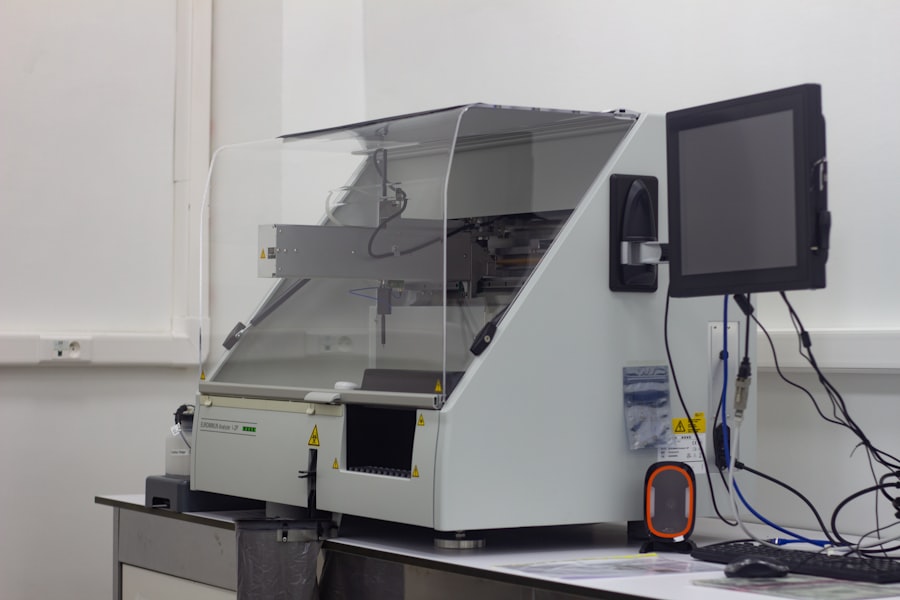
Mass spectrometry, at its core, is a method for measuring the mass-to-charge ratio of ions. Imagine a vast library of molecules, each with a unique atomic or molecular weight. Mass spectrometry is the librarian that can individually identify and quantify each one based on its weight and electrical charge.
Ionization: The First Step in the Analytical Process
Before an atom or molecule can be analyzed by a mass spectrometer, it must be transformed into an ion. This process involves giving the atom or molecule an electrical charge, typically by removing or adding an electron. Different ionization techniques exist, each suited to different types of samples and analytical questions. For the analysis of solid metal artifacts, techniques like Inductively Coupled Plasma Mass Spectrometry (ICP-MS) are particularly effective. In ICP-MS, the sample is introduced into a high-temperature plasma, an ionized gas, which effectively atomizes and ionizes the components of the sample. This plasma acts like a microscopic furnace, breaking down the solid material into its constituent ions, preparing them for measurement.
Mass Analysis: Separating Ions by Mass-to-Charge Ratio
Once ionized, the charged particles are directed into a mass analyzer. This is the heart of the spectrometer, where separation occurs. Various types of mass analyzers exist, each employing different physical principles to achieve this separation. Magnetic sector analyzers use magnetic fields to curve the paths of ions; heavier ions are deflected less than lighter ones. Quadrupole mass analyzers use oscillating electric fields to allow only ions of a specific mass-to-charge ratio to pass through. Time-of-flight (TOF) analyzers measure the time it takes for ions to travel a fixed distance; lighter ions travel faster and reach the detector first. The precise separation achieved in the mass analyzer is what allows for the identification of individual elements and their isotopes.
Detection: Counting and Quantifying the Ions
After separation, the ions are detected by a detector that generates an electrical signal proportional to the number of ions hitting it. This signal is then processed by a computer, which translates the data into a mass spectrum. This spectrum is a graph that plots ion intensity against mass-to-charge ratio, essentially a bar code for the elemental and isotopic composition of the analyzed sample. Each peak on the spectrum represents a specific ion, and its height indicates its relative abundance. It is this detailed spectrum that holds the key to unlocking the secrets of ancient metal production.
Recent advancements in mass spectrometer readings have provided significant insights into ancient slag, revealing the complex metallurgical processes used by early civilizations. These findings are crucial for understanding historical metal production techniques and their impact on trade and technology. For a broader perspective on how modern techniques are transforming industries, including supply chains, you can explore the article on revolutionizing the North American supply chain at this link.
Tracing the Ores: Isotopic Fingerprints of Metal Sources
The journey of ancient metals begins not on the forge, but deep within the earth, where ores are extracted. These ores carry the unique geochemical signatures of their geologic origin, signatures that are preserved even after millennia of smelting and forging. Mass spectrometry, particularly in its isotopic analysis capabilities, acts as a geological detective, allowing us to trace metals back to their original ore bodies.
The Role of Stable Isotopes in Provenance Studies
Isotopes are atoms of the same element that have the same number of protons but different numbers of neutrons, leading to different atomic masses. While chemically identical, their slight mass differences can be precisely measured. For example, copper exists as two stable isotopes, $^{63}$Cu and $^{65}$Cu. Lead, another crucial metal in antiquity, has four stable isotopes: $^{204}$Pb, $^{206}$Pb, $^{207}$Pb, and $^{208}$Pb. The relative abundance of these isotopes in a metal artifact can vary significantly depending on the geological formation from which the ore was extracted. Different mineral deposits have unique isotopic ratios due to the specific processes of their formation and the geological history of the region.
Utilizing Lead Isotope Analysis in Bronze Age Studies
Perhaps one of the most well-established applications of isotopic analysis in archaeology is lead isotope analysis. Lead ores, often found alongside copper and tin ores, are particularly useful because lead isotopes are strongly fractionated during geological processes. By analyzing the lead isotope ratios in bronze artifacts, researchers can often identify the specific mining regions that supplied the raw materials. For instance, the lead isotope signature of bronze artifacts found in Greece might strongly correlate with lead ores from Sardinia, indicating a significant trade network extending across the Mediterranean. This method can illuminate complex economic interactions and political influences between ancient societies, revealing that metals were not localized resources but often the currency of long-distance exchange.
Copper and Tin Isotopes: Unraveling the Bronze Recipe
While lead isotope analysis has been a cornerstone, the isotopic signatures of copper and tin are increasingly being employed to provide a more comprehensive understanding of bronze production. Copper isotopes, like $^{63}$Cu and $^{65}$Cu, can show subtle variations that may be linked to ore source or even smelting processes. Similarly, tin, a critical alloying element for bronze, also possesses stable isotopes whose ratios can be indicative of ore origin. By analyzing the isotopic composition of all three primary components of bronze—copper, tin, and lead (often present as an impurity)—archaeologists can create a more robust and multi-faceted fingerprint of the artifact, offering a clearer picture of the origin of each constituent element. This multi-element isotopic approach is akin to analyzing the distinct regional accents of all the ingredients in a complex dish to pinpoint their respective origins.
Deciphering Production Techniques: The Microscopic Clues

Beyond the origin of the raw materials, mass spectrometry can also offer insights into the processes employed by ancient metallurgists. The way metals were smelted, refined, and alloyed leaves subtle traces that can be detected and interpreted.
Identifying Smelting Signatures: Byproducts and Impurities
The extraction of metals from their ores involves heating them to high temperatures, a process known as smelting. This process inevitably introduces impurities and creates byproducts that are characteristic of the specific ore used and the smelting techniques employed. For instance, the presence of certain trace elements in a metal artifact, in concentrations far higher than would be expected from the ore alone, can indicate the use of specific fluxes or particular furnace designs. Mass spectrometry can detect and quantify these trace elements with extreme sensitivity, allowing researchers to infer the conditions under which the metal was produced. High levels of arsenic in early copper artifacts, for example, might point to the use of arsenical copper ores, a precursor to true bronze.
Alloying Ratios and Their Implications: The Chemistry of Bronze
The creation of bronze, an alloy of copper and tin, was a significant technological leap in prehistory. The precise ratio of copper to tin, and the presence of other alloying elements like lead or arsenic, could be manipulated to achieve desired properties in the final product—hardness, malleability, or casting ability. Mass spectrometry, particularly ICP-MS, can accurately determine these elemental ratios in alloys. This allows us to understand the sophistication of ancient metallurgists in controlling their recipes. Were they using carefully measured amounts of tin, or were they relying on naturally occurring impurities in their copper sources? The answers lie in the precise quantification of alloying elements, revealing whether ancient craftsmen were master chemists or opportunistic aggregators of materials.
The Impact of Refining Processes: Purity and Trace Elements
The level of purity of a metal can also provide clues about the refining processes used. Ancient metallurgists aimed to remove unwanted elements to improve the metal’s properties. Mass spectrometry can detect extremely low concentrations of trace elements, revealing the effectiveness of their purification methods. For example, a highly purified copper artifact might suggest a more advanced smelting or refining technique than one with significant levels of impurities. The presence or absence of certain trace elements, even in parts per billion, can paint a picture of the metallurgist’s toolkit and their understanding of material properties.
Understanding Trade Networks: Following the Metal Flow
The movement of metals across ancient landscapes was as crucial to the development of societies as the control of trade routes for goods today. Mass spectrometry, by providing a chemical fingerprint for both the source of the ore and the manufactured artifact, becomes an invaluable tool for reconstructing these ancient trade networks.
Interregional Exchange and Provenance Linking
When artifacts from different regions exhibit similar isotopic signatures, it strongly suggests a connection—either through the direct movement of metals or the trade of raw materials. By analyzing a large corpus of artifacts from various sites, archaeologists can begin to map the flow of metals. If bronze artifacts found at a site in the Levant share the same lead isotope signature as copper ores from Cyprus, it provides compelling evidence for direct copper trade between these regions. This is not merely an academic exercise; it sheds light on economic interdependence, the establishment of diplomatic relations, and the dispersal of technological knowledge.
The Role of Expertise in Identifying Trade Hubs
The analysis of metal provenance can also highlight the importance of specific regions as melting pots of metal production and trade. If a particular type of metal, with a distinct isotopic signature, appears in artifacts across a wide geographical area, it can indicate that the source region for that metal became a vital hub in the broader economy. For instance, discoveries of tin ingots with specific isotopic markers in various port cities along ancient trade routes can reveal the central role of those ports in distributing this crucial bronze component. This approach allows us to see how certain locations, through their access to essential resources or their strategic position, became powerful nodes in the ancient world.
Distinguishing Local Production from Imported Materials
A critical aspect of understanding trade is being able to differentiate between metal that was produced locally and metal that was imported. By comparing the isotopic signatures of artifacts found at a specific site with the isotopic signatures of ore sources known to be in the vicinity, researchers can determine if the metal is indigenous. If a significant proportion of artifacts display isotopic signatures that do not match local ore sources, it underscores the reliance on external supply chains and the extent of long-distance trade. Such findings can transform our understanding of a society’s self-sufficiency and its integration into wider economic systems.
Recent advancements in mass spectrometer readings have significantly enhanced our understanding of ancient slag, providing insights into historical metallurgy practices. A fascinating exploration of resource extraction can be found in an article discussing the geopolitical implications of lunar resources, which highlights how modern technology parallels ancient techniques in resource utilization. For more information, you can read the article here. This connection between past and present underscores the importance of analyzing ancient materials to inform current resource management strategies.
Reconstructing Ancient Societies: Beyond the Artifact
| Sample ID | Element | Isotope | Abundance (%) | Mass/Charge (m/z) | Reading Date | Location Found |
|---|---|---|---|---|---|---|
| AS-001 | Iron (Fe) | 56Fe | 91.75 | 55.9349 | 2024-05-10 | Site A |
| AS-001 | Iron (Fe) | 54Fe | 5.85 | 53.9396 | 2024-05-10 | Site A |
| AS-002 | Copper (Cu) | 63Cu | 69.17 | 62.9296 | 2024-05-12 | Site B |
| AS-002 | Copper (Cu) | 65Cu | 30.83 | 64.9278 | 2024-05-12 | Site B |
| AS-003 | Lead (Pb) | 208Pb | 52.4 | 207.9766 | 2024-05-15 | Site C |
| AS-003 | Lead (Pb) | 206Pb | 24.1 | 205.9745 | 2024-05-15 | Site C |
| AS-003 | Lead (Pb) | 207Pb | 23.5 | 206.9759 | 2024-05-15 | Site C |
The insights gleaned from mass spectrometer analysis of ancient metals extend far beyond the mere identification of materials and their origins. They offer a unique window into the social, economic, and technological structures of ancient societies, transforming our perception of their capabilities and their interactions.
The Economic Landscape of Metal Production and Trade
The provenance studies enabled by mass spectrometry directly inform our understanding of ancient economies. The scale of metal extraction, the complexity of trade networks, and the concentration of skilled labor involved in metalworking all paint a picture of sophisticated economic systems. The presence of exotic metals at a site, traced back to distant lands, indicates resources dedicated to acquiring these materials, potentially through the exchange of agricultural products, crafts, or even military conquest. This allows us to move beyond assumptions and to empirically map the ebb and flow of wealth and resources in the ancient world.
Technological Diffusion and Innovation
The spread of metallurgical knowledge is another key area illuminated by mass spectrometry. If a similar alloy composition or a specific impurity profile, indicative of particular smelting techniques, is found across different cultural groups, it suggests the diffusion of technological practices. This could have occurred through migration, trade, or the movement of skilled artisans. Conversely, variations in techniques or alloy compositions can highlight independent innovation and regional specialization. The atomic-level detail provided by mass spectrometry allows us to observe the subtle evolution and dissemination of knowledge, revealing how human societies learned and adapted over millennia.
Social Stratification and Power Dynamics
The control and distribution of metal resources could have profound implications for social stratification and power dynamics in ancient societies. Access to valuable metals, particularly for the production of weapons, prestige items, and tools, could have concentrated wealth and power in the hands of a select few. Mass spectrometry can reveal whether elite members of society had access to metals of superior quality or those sourced from distant and prestigious locations. The analysis of grave goods, for example, might reveal that individuals of higher status were buried with artifacts made from metals with unique or high-purity characteristics, suggesting a link between metallurgy, social hierarchy, and the exercise of power. These are not mere academic curiosities; they are the faint whispers of ancient power structures, amplified by the precision of modern science.
In conclusion, mass spectrometry has revolutionized our ability to understand ancient metal production. It has transitioned us from a world of educated guesses to a realm of empirically supported conclusions. As analytical techniques continue to advance and our understanding of isotopic systematics deepens, the silent artifacts of the past will continue to speak volumes, revealing the intricate tapestry of human ingenuity, trade, and societal development etched in metal. The next generation of mass spectrometers, armed with even greater precision and sensitivity, promises to unlock further layers of this fascinating story, continuing to bridge the chasm between the distant past and our present understanding.
FAQs
What is a mass spectrometer and how is it used in analyzing ancient slag?
A mass spectrometer is an analytical instrument that measures the mass-to-charge ratio of ions. In the context of ancient slag, it is used to identify and quantify the elemental and isotopic composition of the slag, providing insights into the materials and technologies used in historical metal production.
Why is analyzing ancient slag important for archaeological studies?
Analyzing ancient slag helps archaeologists understand ancient metallurgical processes, trade routes, and technological advancements. It reveals information about the types of ores used, smelting techniques, and the cultural context of metal production in historical societies.
What types of elements or isotopes are typically detected in mass spectrometer readings of ancient slag?
Mass spectrometer readings of ancient slag commonly detect elements such as iron, copper, lead, zinc, and trace metals. Isotopic analysis may include lead isotopes to trace ore sources or other isotopes that help determine the provenance and age of the materials.
How accurate are mass spectrometer readings when analyzing ancient slag samples?
Mass spectrometry is highly accurate and sensitive, capable of detecting trace elements at very low concentrations. However, accuracy depends on sample preparation, instrument calibration, and the specific type of mass spectrometer used. Proper protocols ensure reliable and reproducible results.
Can mass spectrometer readings differentiate between slag from different ancient metallurgical sites?
Yes, mass spectrometer readings can differentiate slag from different sites by comparing elemental and isotopic signatures. Variations in ore sources, smelting methods, and local geological factors create distinct chemical profiles that help identify and distinguish slag from various ancient metallurgical centers.