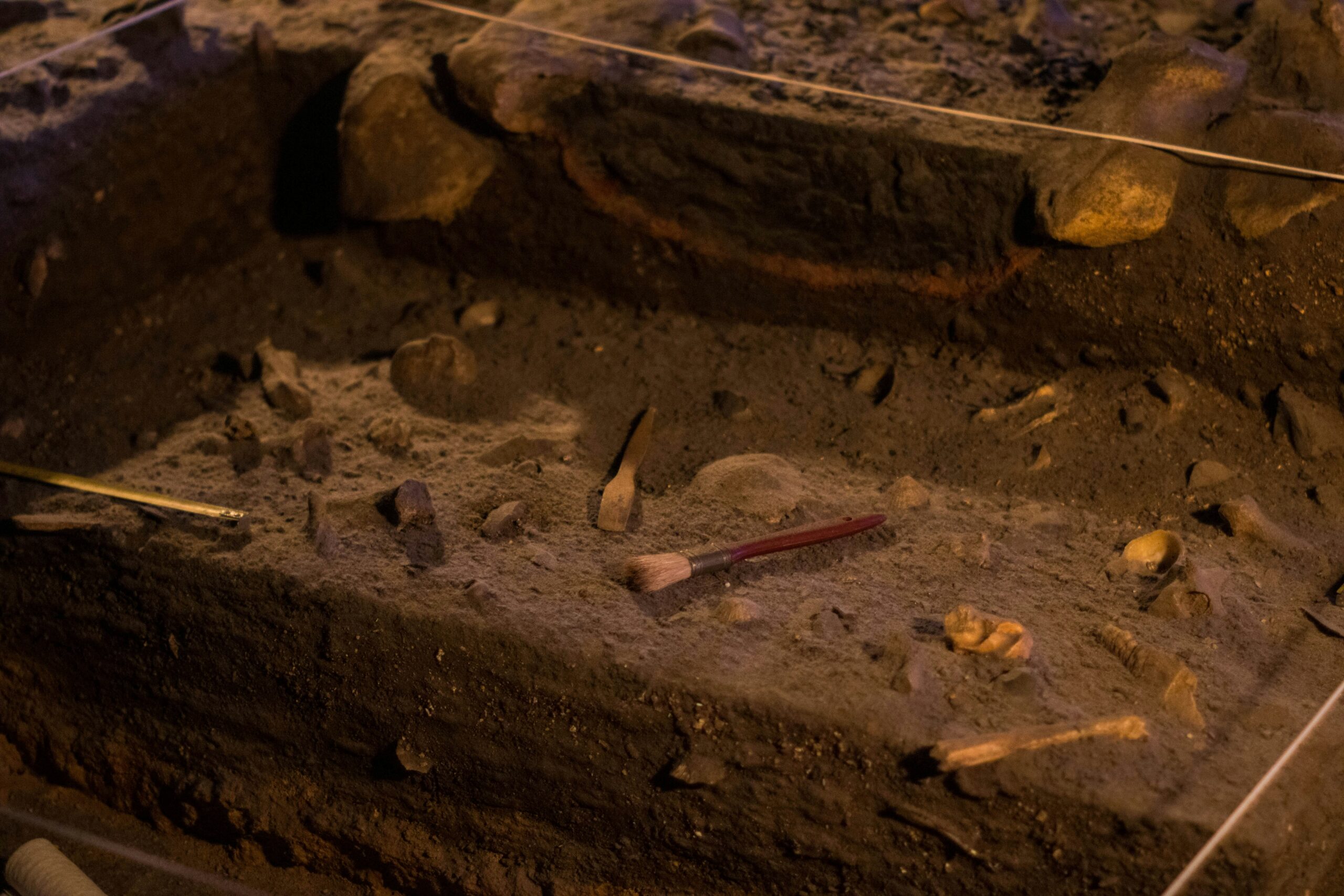
The flickering light of countless campfires and the glint of metallic tools unearthed from centuries of slumber often paint a romanticized picture of archaeology. Yet, beneath the surface of sensational discoveries lies a rigorous discipline, a meticulous unraveling of the past that speaks volumes about who we are and where we came from. A new history documentary, “Uncovering Ancient Mysteries: A History Documentary on Archaeology,” promises to pull back the veil on this captivating field, showcasing not just the dramatic finds, but the painstaking process, the intellectual curiosity, and the enduring human desire to connect with those who walked the earth long before us. This film delves into the very essence of archaeological inquiry, illustrating how the silent whispers of forgotten civilizations are brought to life through careful excavation, scientific analysis, and passionate interpretation.
The documentary begins by tracing the nascent stages of archaeological pursuits, a time when the lines between scholarly investigation and outright treasure hunting were often blurred. Early “antiquarians,” driven by a mixture of curiosity and a desire for exotic artifacts to adorn private collections, were the progenitors of modern archaeology. Their methods, though rudimentary by today’s standards, laid the groundwork for a more systematic approach.
The Age of Enlightenment and the Fascination with Antiquity
The Enlightenment, with its emphasis on reason and the study of classical civilizations, fueled a growing interest in the tangible remnants of Greece and Rome. Scholars and adventurers began to explore ancient sites, often driven by textual references from classical authors. While the emphasis was often on monumental ruins and public display, these early investigations were crucial in identifying and preserving important historical locations. The documentary highlights individuals like Johann Joachim Winckelmann, whose systematic study of Greek art and architecture significantly influenced the understanding of classical periods. His emphasis on form and style, derived from the artifacts themselves, was a subtle but significant step towards a more analytical approach.
The Birth of the Excavation: Pioneering Figures and Their Methods
The 19th century marked a pivotal shift. Figures like Austen Henry Layard at Nineveh and Flinders Petrie in Egypt began to develop more organized excavation techniques. While still focused on grand discoveries, their work started to incorporate stratigraphic observation – the understanding that different layers of soil represent different periods of time. This was a monumental conceptual leap, allowing for a more accurate dating of artifacts and a clearer chronology of human activity. The documentary will likely feature vivid recreations of these early digs, showcasing the sheer manual labor involved and the gradual realization of the importance of context. It will explore the tension between the desire to unearth spectacular objects and the growing understanding that these objects are intrinsically linked to their surroundings. The ethical considerations, though not as refined as today, were also beginning to emerge as certain artifacts were recognized as belonging to national heritage rather than private collections.
The Evolution of Tools: From Shovels to Sophisticated Technology
The film will then move to showcase the technological advancements that have transformed archaeology. What began as simple digging tools has evolved into a sophisticated arsenal of scientific instruments. The documentary will emphasize how these tools allow archaeologists to see beyond the immediate excavation site, providing insights into the broader landscape and the microscopic details of ancient life.
Ground-Penetrating Radar (GPR) and Geophysical Survey
The visual appeal of geophysical surveying techniques will be a significant feature. Animated sequences will demonstrate how GPR emits radio waves into the ground and interprets the reflected signals to reveal anomalies such as buried structures, ditches, and even human remains without disturbing the soil. Magnetometry and resistivity surveys, which measure variations in the earth’s magnetic field and electrical resistance, will also be explained, highlighting their effectiveness in identifying buried features. The documentary will likely feature real-world examples of these technologies in action, perhaps in the dense jungles of Central America or the windswept plains of Mesopotamia, where traditional excavation might be impractical or too destructive.
LiDAR and Aerial Reconnaissance
The aerial perspective offered by LiDAR (Light Detection and Ranging) will be another highlight. The film will explain how LiDAR uses lasers to map terrain, effectively “stripping away” vegetation to reveal ancient pathways, agricultural systems, and even entire settlements hidden beneath forest canopies. Satellite imagery and drone photography will also be presented as crucial tools for identifying potential archaeological sites from above, allowing for more targeted and efficient fieldwork. The documentary will likely contrast the laborious methods of early explorers who hacked their way through dense foliage with the precision and speed offered by these modern technologies.
Radiocarbon Dating and Isotopic Analysis
Beyond identifying the location and form of ancient structures, the documentary will delve into the scientific methods used to determine the age and origin of artifacts. Radiocarbon dating, a cornerstone of archaeological chronology, will be explained in accessible terms, demonstrating how the decay of carbon-14 isotopes in organic materials provides a numerical age for an object. The documentary will also explore advanced techniques like mass spectrometry and isotopic analysis, which can reveal information about ancient diets, migration patterns, and even the provenance of materials like pottery or stone. The film will likely showcase a compelling case study where these techniques have revolutionized our understanding of a particular civilization.
In the realm of documentary archaeology, understanding the interplay between ancient civilizations and their environment is crucial. A related article that delves into this topic is “Ancient Weather Wisdom: Understanding Nature’s Signs,” which explores how ancient cultures interpreted weather patterns and natural phenomena. This insightful piece sheds light on the ways these interpretations influenced agricultural practices and societal development. For more information, you can read the article here: Ancient Weather Wisdom: Understanding Nature’s Signs.
Beyond the Artifact: Reconstructing Daily Life and Belief Systems
“Uncovering Ancient Mysteries” is not solely focused on grand temples and royal tombs. A significant portion of the documentary will be dedicated to understanding the lives of ordinary people, their social structures, their beliefs, and their interactions with their environment. This shift from monumental archaeology to the archaeology of the everyday represents a maturing of the discipline.
The Archaeology of the Household: Unearthing Domesticity
The documentary will explore how archaeologists meticulously excavate domestic spaces to understand how ancient people lived, ate, and slept. The discovery of hearths, cooking implements, and evidence of food preparation can paint a vivid picture of daily routines. The arrangement of rooms, the presence of specialized tools, and the types of artifacts found within a dwelling can reveal social stratification, gender roles, and even the family unit. The film might feature a segment on a Roman villa, a Neanderthal cave dwelling, or a Bronze Age settlement, highlighting the diverse ways domestic life has been reconstructed.
Social Stratification and Inequality in the Archaeological Record
The documentary will examine how archaeological evidence can reveal social hierarchies and the presence of inequality within ancient societies. The size and grandeur of dwellings, the quality and quantity of grave goods, and the distribution of resources can all serve as indicators of social class. The film might contrast the opulent burials of elites with the more modest remains of commoners, prompting viewers to consider the enduring human struggle with fairness and power. The analysis of settlement patterns, showing the concentration of wealth and control in certain areas, will also be explored.
The Sacred and the Spiritual: Unlocking Ancient Religions
The realm of religious beliefs and practices is often one of the most challenging yet rewarding areas of archaeological investigation. The documentary will showcase how the study of temples, altars, ritual objects, and iconography can offer glimpses into the spiritual lives of ancient peoples. From the elaborate pantheons of Egypt and Greece to the shamanistic practices of indigenous cultures, archaeology provides tangible evidence of humanity’s perennial search for meaning and connection to the divine. The interpretation of symbolic imagery and the understanding of ritualistic behavior will be presented as complex intellectual endeavors.
Interpreting Iconography and Symbolism
The documentary will likely feature specialists who meticulously analyze the symbols and imagery found on artifacts, temple walls, and burial sites. The meaning of gods, goddesses, mythical creatures, and abstract patterns can be deciphered through comparative studies, understanding of cultural contexts, and the identification of recurring motifs. The film might offer a fascinating case study of how a previously incomprehensible set of symbols was eventually translated, revealing a rich tapestry of ancient mythology.
Reconstructing Rituals and Ceremonies
The physical evidence of ritual practices, such as offering pits, ceremonial deposits, and evidence of feasting, will be discussed. Archaeologists often piece together fragmented evidence to reconstruct the choreography of ancient ceremonies, from funerary rites to harvest festivals. The documentary will emphasize the collaborative nature of this process, involving experts in comparative religion, anthropology, and art history.
Global Tapestry of Civilizations: Case Studies in Discovery

“Uncovering Ancient Mysteries” will traverse the globe, showcasing the archaeological achievements from diverse cultures and time periods. Each case study will highlight unique challenges, remarkable discoveries, and the profound impact these findings have on our understanding of human history.
The Pyramids of Egypt and the Secrets of the Pharaohs
No documentary on archaeology would be complete without exploring the unparalleled mysteries of ancient Egypt. The film will likely delve into the monumental achievements of pyramid construction, the intricate hieroglyphic language, and the elaborate burial rituals of the pharaohs. Beyond the familiar grandeur, the documentary might explore the lives of the laborers who built these wonders and the complex administration that supported such a civilization. The ongoing research into the precise methods of construction and the purpose of certain chambers within the pyramids will be a compelling narrative.
The Great Sphinx and its Enigmatic Origins
The enigmatic Great Sphinx of Giza will undoubtedly be a focal point. The documentary will present various theories regarding its construction, age, and purpose, highlighting the ongoing debates amongst scholars. The potential connection to ancient astronomical alignments and the possibility of hidden chambers will be explored, emphasizing the enduring enigma of this iconic monument.
The Tomb of Tutankhamun: A Glimpse into Royal Splendor
The discovery of Tutankhamun’s nearly intact tomb by Howard Carter in 1922 remains one of archaeology’s most celebrated moments. The documentary will revisit this iconic find, showcasing the breathtaking treasures and the insights it provided into the wealth and artistry of the New Kingdom. The human stories behind the discovery, the immense effort involved, and the subsequent scientific study of the mummy will be interwoven.
The Lost Cities of Mesoamerica: Mayan Cosmology and Collapse
The jungle-clad ruins of Mayan cities like Tikal, Palenque, and Chichen Itza offer a dramatic backdrop for archaeological exploration. The documentary will illuminate the sophisticated calendar systems, the intricate writing, and the complex astronomical observations of the Maya. The film will also address the enduring mystery of the Maya’s eventual decline, exploring theories ranging from environmental collapse to internal conflict.
The Glyphs of the Maya: Translating an Ancient Script
The arduous process of deciphering Mayan hieroglyphs will be a central theme. The documentary will showcase the breakthroughs made by scholars like Yuri Knorozov and Linda Schele, demonstrating how the painstakingly translated glyphs have unlocked a wealth of information about Mayan history, rulers, and cosmology. The visual representation of the glyphs and their interpretation will be a key element.
The Agricultural Innovations and Urban Planning
Beyond the temples and palaces, the documentary will explore the Maya’s remarkable agricultural innovations, such as raised fields and terracing, and their sophisticated urban planning. The insights gained from studying these aspects reveal a society deeply intertwined with its environment and capable of remarkable feats of engineering.
The Roman Empire: Engineering Marvels and Everyday Life
The vast legacy of the Roman Empire provides a rich source of archaeological material, from monumental aqueducts and amphitheatres to humble household pottery. The documentary will explore how Roman engineering shaped the ancient world and how the meticulous excavation of Roman settlements allows us to understand the daily lives of its citizens, from senators to slaves.
Pompeii and Herculaneum: Frozen in Time
The preservation of Pompeii and Herculaneum by the catastrophic eruption of Mount Vesuvius offers an unparalleled window into Roman life at the moment of its demise. The documentary will showcase the detailed frescoes, the preserved foodstuffs, and the poignant plaster casts of victims, offering a deeply human connection to the past. The scientific analysis of the ash and pumice that buried the cities will also be discussed.
The Roman Army and its Impact on the Landscape
The documentary will also consider the archaeological evidence of the Roman military, from fortified camps and roads to the weaponry and armor unearthed from battlefields. The profound impact of Roman legions on the landscape and the spread of Roman culture will be explored through archaeological findings.
The Challenges and Ethical Dilemmas in Modern Archaeology
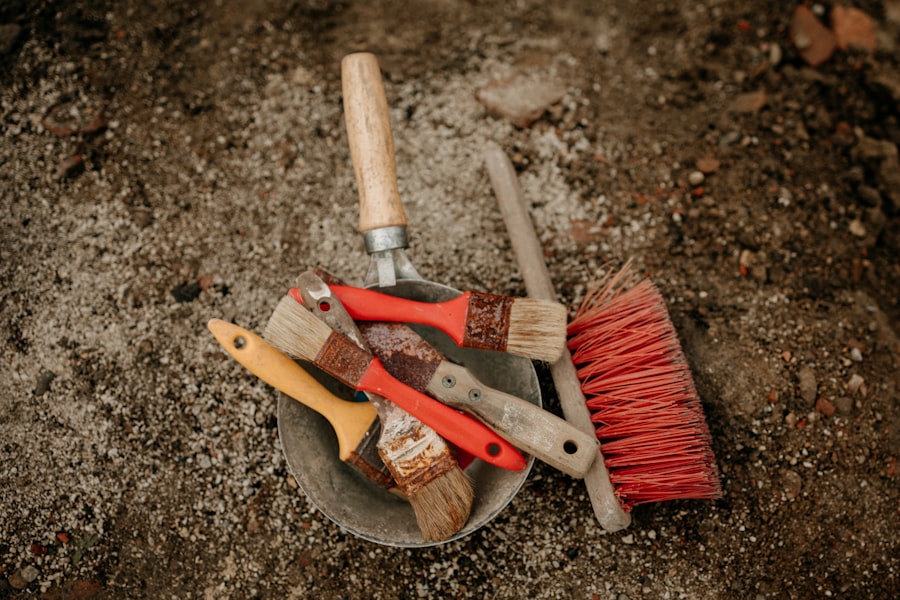
“Uncovering Ancient Mysteries” acknowledges that archaeology is not without its challenges and ethical considerations. The documentary will address the complexities of protecting heritage, the repatriation of artifacts, and the role of local communities in archaeological endeavors.
The Fight Against Looting and Illicit Trafficking
The pervasive problem of illicit excavation and the illegal trade of antiquities will be a somber but important aspect of the film. The documentary will highlight the efforts of law enforcement agencies and international organizations working to combat this destructive practice, which often destroys invaluable archaeological context. The emotional impact of seeing sites ravaged by looters will be conveyed.
Repatriation and the Return of Cultural Heritage
The complex and often contentious issue of artifact repatriation will be explored. The documentary will feature discussions with museums, governments, and indigenous communities about the rightful ownership of ancient objects and the ethical imperative to return artifacts to their places of origin. This segment will foster a deeper understanding of cultural ownership and historical justice.
The Elgin Marbles and the Parthenon Sculptures
The enduring debate surrounding the Elgin Marbles, currently housed in the British Museum, will be used as a prominent example of the repatriation debate. The documentary will present the arguments from both Greece and the United Kingdom, encouraging viewers to consider the multifaceted nature of this issue.
Indigenous Rights and Community Archaeology
The film will emphasize the growing importance of involving descendant communities in archaeological projects. The documentary will showcase instances where indigenous peoples are actively participating in the research and management of their ancestral sites, ensuring that their voices and cultural perspectives are central to the interpretation of their heritage. This collaborative approach is seen as vital for ethical and effective archaeology.
The Impact of Climate Change on Archaeological Sites
The documentary will address the growing threat posed by climate change to vulnerable archaeological sites. Rising sea levels, increased erosion, and extreme weather events are accelerating the decay of ancient structures and artifacts, necessitating proactive conservation efforts. The film will likely feature examples of sites at risk and innovative methods being developed to preserve them for future generations.
In exploring the fascinating intersection of history and archaeology, one can gain valuable insights into the rise and fall of civilizations. A related article that delves into the complexities of governance and societal structures is available at The Rise of Failed Government States. This piece offers a compelling examination of how political instability can shape the archaeological record, revealing the remnants of societies that once thrived but ultimately succumbed to internal and external pressures.
The Enduring Legacy: Why Archaeology Matters Today
| Documentary Title | Release Year | Director | Duration (minutes) |
|---|---|---|---|
| Lost Worlds: The Story of Archaeology | 2000 | Phil Grabsky | 180 |
| Secrets of the Dead: The Lost Gardens of Babylon | 2014 | Harvey Lilley | 60 |
| Time Team | 1994-2014 | Various | 60 |
In its concluding segments, “Uncovering Ancient Mysteries” will reflect on the profound relevance of archaeology in the 21st century. The documentary will argue that by understanding our past, we can better navigate the challenges of our present and shape a more informed future.
Learning from the Past: Resilience and Innovation
The documentary will draw parallels between the successes and failures of ancient civilizations and contemporary issues. By examining how past societies adapted to environmental changes, managed resources, and organized themselves, we can glean valuable lessons for building more sustainable and resilient societies today. The documentary will present how ancient agricultural techniques or urban planning strategies could offer modern solutions.
The Human Connection: Empathy and Shared Heritage
Ultimately, archaeology connects us to the vast human story. By unearthing the lives, struggles, and triumphs of our ancestors, the documentary aims to foster a sense of empathy and shared heritage. The recognition that we are all part of a continuous human lineage, with common aspirations and challenges, can provide a powerful sense of unity and belonging. The film will conclude with powerful imagery of diverse individuals engaging with archaeological sites, fostering a sense of wonder and shared responsibility for preserving our collective past.
Inspiring the Next Generation of Archaeologists
“Uncovering Ancient Mysteries” seeks to ignite a passion for archaeology in viewers of all ages. By showcasing the excitement of discovery, the intellectual rigor of the discipline, and the vital importance of its work, the documentary aims to inspire the next generation of scientists, researchers, and stewards of our planet’s rich and complex history. The stories of young archaeologists in the field, embarking on their own journeys of discovery, will serve as a potent call to action.

When the Ice Age Ended… Everything Changed
FAQs
What is a history documentary archaeology?
History documentary archaeology is a subfield of archaeology that focuses on using archaeological methods and techniques to study and understand historical events and periods. It often involves the use of documentary evidence, such as written records and historical accounts, to inform and guide archaeological investigations.
What are the goals of history documentary archaeology?
The goals of history documentary archaeology include gaining a deeper understanding of past societies, cultures, and events, as well as shedding light on historical processes and dynamics. It aims to complement and enhance the historical record by providing tangible evidence and material culture from the past.
How is history documentary archaeology different from other forms of archaeology?
History documentary archaeology differs from other forms of archaeology in its specific focus on historical periods and events. While traditional archaeology may focus on prehistoric or ancient societies, history documentary archaeology is more concerned with periods for which written records and historical documentation are available.
What are some examples of history documentary archaeology in practice?
Examples of history documentary archaeology in practice include excavations of historical sites, such as battlefields, ancient cities, and colonial settlements, as well as the analysis of artifacts and material culture from specific historical periods. It also involves the integration of historical research and archaeological fieldwork to reconstruct and interpret past events and societies.
What are the challenges of conducting history documentary archaeology?
Challenges of conducting history documentary archaeology include the need for interdisciplinary collaboration between archaeologists and historians, as well as the interpretation and integration of diverse sources of evidence, such as written records, oral histories, and material culture. Additionally, the preservation and protection of historical sites and artifacts are critical concerns in this field.