The ancient world whispers secrets, its monumental remnants standing as silent testaments to forgotten civilizations. Among these enigmas, Karahantepe, a Neolithic site in southeastern Turkey, has emerged as a beacon of discovery, challenging long-held assumptions about early human societies. A recent documentary, “Uncovering Ancient Mysteries: Karahantepe Archaeology,” has meticulously peeled back the layers of time, offering a captivating glimpse into the lives of the people who shaped this extraordinary landscape thousands of years ago. This article delves into the profound insights revealed by the documentary, exploring the site’s significance, its astonishing discoveries, and the ongoing quest to understand its enigmatic purpose.
A Glimpse into the Prehistoric Past
The documentary opens with a breathtaking aerial survey of Karahantepe, showcasing its sprawling expanse nestled within the arid, rolling hills of the Şanlıurfa province. The sheer scale of the site, even in its unearthed state, hints at a society of considerable complexity and organization. The narrative emphasizes the temporal setting, placing Karahantepe firmly within the Pre-Pottery Neolithic A (PPNA) period, dating back to approximately 9600-8000 BCE. This era is critical as it marks a pivotal transition in human history, the dawn of settled life and the emergence of sophisticated monumental architecture, predating even Göbeklitepe, the world’s oldest known megalithic temple. The film expertly contrasts this ancient setting with the modern-day landscape, highlighting the vast chasm of time separating us from its creators. The presenter, an archaeologist deeply involved in the excavation, articulates the excitement and the immense responsibility that comes with unearthing such a significant site. The initial shots are designed to evoke a sense of wonder and anticipation, setting the stage for the revelations to come.
The Significance of Karahantepe’s Location
The documentary emphasizes the strategic and perhaps symbolic importance of Karahantepe’s location. Situated in the fertile crescent, a region historically rich in resources and conducive to early agriculture, the site’s placement suggests deliberate planning. The film explores the proximity to water sources and the potential for early farming communities. The documentary’s archaeologists discuss the geomorphology of the region, pointing out the natural features that might have influenced the selection of this particular plateau. They also touch upon the theoretical trade routes that may have existed, connecting early settlements and facilitating the exchange of ideas and materials. The visual storytelling within the film uses maps and overlays to illustrate these geographical connections, making the abstract concepts of ancient geography tangible for the viewer. The narrative carefully links the environmental factors to the societal developments, suggesting that the landscape itself played a role in shaping the ambitions of Karahantepe’s inhabitants.
Challenging Conventional Wisdom
The very existence of Karahantepe, and indeed Göbeklitepe before it, has fundamentally challenged conventional archaeological understanding of the Neolithic Revolution. For decades, the prevailing theory posited that agriculture preceded settled life and monumental construction. However, sites like Karahantepe suggest a reverse or at least a parallel development, where complex social structures and communal endeavors, including the erection of massive stone structures, may have spurred the adoption of settled lifestyles and agriculture. The documentary dedicates a significant portion to this paradigm shift, featuring interviews with leading archaeologists who express their awe and intellectual upheaval. They explain how the sheer effort and organization required for such constructions imply a level of social cohesion and leadership that was previously thought to be absent in hunter-gatherer societies. The film uses animated reconstructions and comparisons with other well-understood Neolithic sites to visually demonstrate the radical departure that Karahantepe represents. The discussion is nuanced, acknowledging the ongoing debates and the need for further research to fully integrate these new findings into our understanding of human evolution.
The recent archaeology documentary on Karahantepe sheds light on the fascinating discoveries made at this ancient site, which some believe could reshape our understanding of early human civilization. For those interested in exploring the broader implications of such archaeological findings, a related article titled “The Political Cover-Up of Ancient History” delves into how historical narratives can be influenced by contemporary politics. You can read more about this intriguing topic by visiting this link.
The Stone Sentinels: Unveiling the Megaliths
The T-Shaped Pillars: A Recurring Motif
At the heart of Karahantepe’s mystery lie its imposing T-shaped pillars, strikingly similar to those found at Göbeklitepe. The documentary meticulously examines these megaliths, highlighting their size, craftsmanship, and symbolic engravings. The presenters explain that these pillars are not merely decorative but are believed to have formed the structural and conceptual core of the ancient structures. The film showcases the painstaking process of excavation, revealing how these massive stones were brought from distant quarries and erected with rudimentary tools. The engravings on the pillars are a key focus, featuring a rich tapestry of animal motifs, abstract symbols, and human-like figures. The documentary offers detailed close-ups of these carvings, allowing viewers to appreciate their artistic merit and potential symbolic meanings. The archaeologists discuss the possible interpretations of these engravings, ranging from totemic animals to representations of deities or ancestral spirits. The visual presentation is enhanced by high-quality CGI reconstructions, showing how these pillars might have originally stood within their architectural context.
Intricate Engravings: A Visual Language
The documentary dedicates significant attention to the intricate engravings that adorn the T-shaped pillars and other stone surfaces at Karahantepe. These are not simple etchings but sophisticated carvings that reveal a complex visual language. The film explores the prevalent animal motifs, including wild boars, foxes, snakes, and birds of prey, and delves into their potential symbolic significance within the belief systems of the time. The archaeologists discuss the ongoing efforts to decipher these recurring imagery, comparing them with other ancient art forms and ethnological studies. The documentary also highlights abstract symbols and geometric patterns, suggesting a level of symbolic abstraction that is both fascinating and challenging to interpret. The presenters emphasize the artistic skill and the meticulous planning that must have gone into creating these carvings. The visual aspect of the documentary is crucial here, using enhanced photography and digital reconstructions to bring the details of these ancient artworks to life. The narrative weaves in the latest scientific analysis, such as pigment analysis, to understand the original appearance of these carvings.
Architectural Sophistication: Beyond Basic Structures
Beyond the iconic pillars, Karahantepe reveals a surprising level of architectural sophistication. The documentary showcases the discovery of circular and oval enclosures, paved courtyards, and evidence of stone benches and hearths. These findings suggest a planned and organized settlement, not just a collection of haphazard structures. The film explores the techniques used in their construction, such as the careful fitting of stones and the creation of smooth, polished surfaces. The archaeologists discuss the potential functions of these different architectural elements, speculating about communal gathering spaces, ritualistic areas, and living quarters. The documentary uses 3D modeling and virtual reconstructions to allow viewers to virtually walk through these ancient spaces, gaining a sense of their scale and layout. The presenters highlight the advanced understanding of engineering and spatial planning that the inhabitants of Karahantepe possessed. The narrative also touches upon the possibility of interconnectedness between different structures, suggesting a deliberate urban design.
Ritual and Belief: The Spiritual Heart of Karahantepe
Ceremonial Spaces and Communal Gatherings
The documentary strongly suggests that Karahantepe was a place of significant ritual and communal gathering. The documentary’s archaeologists present evidence of large, open spaces that likely served as arenas for ceremonies and important social events. The presence of stone benches arranged around central features further supports the idea of organized gatherings. The film uses animated visualizations to reconstruct possible ceremonial scenarios, depicting groups of people interacting within these ancient spaces. The presenters discuss the social dynamics that might have been at play, emphasizing the importance of collective ritual in fostering social cohesion and reinforcing shared beliefs. The documentary also explores the possibility of periodic large gatherings, drawing people from surrounding areas, thereby suggesting a role for Karahantepe as a regional center of spiritual or social importance. The sound design in this section aims to evoke the atmosphere of communal activity, perhaps with subtle echoes of chants or music.
The Role of Animal Symbolism
The pervasive animal symbolism in the engravings is a central theme in the documentary’s exploration of Karahantepe’s spiritual life. The presenters discuss various theories regarding the significance of these creatures, from their representation as deities or totemic ancestors to their connection with the natural world and the cycle of life and death. The film features experts in archaeozoology and comparative mythology who offer insights into the potential meanings of these animal figures. The documentary explores the possibility that specific animals held particular importance for different clans or groups within the Karahantepe community. The visual storytelling is enhanced by comparing the Karahantepe engravings with animal depictions from other ancient cultures, highlighting both universal themes and unique interpretations. The narrative acknowledges the inherent subjectivity in interpreting such ancient symbols, but presents the evidence in a compelling manner, allowing viewers to draw their own conclusions.
Unlocking the Secrets of Belief Systems
The documentary grapples with the profound question of what the inhabitants of Karahantepe believed. While direct textual evidence is absent, the architectural forms, symbolic imagery, and the sheer effort invested in their creation offer tantalizing clues. The presenters discuss theories about animism, ancestor worship, and the veneration of natural forces. The film explores the possibility of a complex cosmology that shaped their worldview. The documentary features discussions with scholars who specialize in the study of ancient religions, offering a multidisciplinary approach to understanding these belief systems. The narrative emphasizes that while we may never fully comprehend their exact beliefs, the material evidence allows us to glimpse the richness and complexity of their spiritual lives. The film aims to inspire curiosity and a sense of humility in the face of such ancient mysteries.
The Excavation: A Race Against Time
The Dedicated Archaeologists: Unearthing the Past
The documentary shines a spotlight on the dedicated archaeologists and the painstaking work they undertake at Karahantepe. Viewers are given an intimate look at the excavation process, from the initial surveying and meticulous mapping to the careful brushing away of soil and the documentation of every artifact. The film emphasizes the physical demands of the work and the intellectual rigor required to interpret the findings. The presenters introduce key members of the excavation team, sharing their personal reflections and their passion for uncovering the secrets of Karahantepe. The documentary highlights the collaborative nature of archaeology, showcasing the diverse skills and expertise that come together on site. The visual storytelling emphasizes the slow, methodical nature of discovery, contrasting the rapid pace of modern life with the ancient timescale of the site. The use of time-lapse photography effectively conveys the progression of the excavation over seasons.
The Challenges of Preservation
Preserving an ancient site of Karahantepe’s magnitude presents immense challenges. The documentary addresses the constant struggle against environmental factors, such as erosion and weathering, as well as the need to protect the site from potential damage. The film showcases the innovative techniques employed by the archaeologists and conservationists to ensure the long-term survival of these precious remains. This includes discussions on the challenges of stabilizing fragile structures, protecting delicate engravings, and managing visitor impact. The documentary also touches upon the ethical considerations involved in excavation and preservation, balancing the desire for discovery with the responsibility to safeguard the past for future generations. The presenters acknowledge the ongoing need for funding and international cooperation to support these critical preservation efforts. The film uses visual metaphors to illustrate the fragility of the past and the importance of careful stewardship.
Technological Advancements in Archaeology
“Uncovering Ancient Mysteries: Karahantepe Archaeology” effectively demonstrates how modern technology is revolutionizing archaeological research. The documentary showcases the use of LiDAR scanning for detailed topographical mapping, drone photography for aerial surveys, and 3D printing for creating replicas of artifacts and architectural elements. The presenters explain how these technologies allow for non-invasive exploration, precise documentation, and enhanced analysis of the site. The film also highlights the use of ground-penetrating radar to identify buried structures and artifacts without disturbing the ground. The documentary emphasizes how these technological advancements are not only making discoveries more efficient but are also enabling archaeologists to ask new questions and develop more sophisticated interpretations of the past. The visual presentation often juxtaposes cutting-edge technology with the ancient materials being studied, creating a compelling narrative of continuity and innovation.
The recent documentary on the Karahantepe archaeological site has sparked significant interest in ancient civilizations and their connections to modern history. For those intrigued by the mysteries of the past, a fascinating article explores the Piri Reis map and its implications for understanding historical navigation and exploration. You can read more about this captivating topic in the article available here. This connection between ancient maps and archaeological discoveries enriches our understanding of how past societies interacted with their world.
The Ongoing Quest: What Lies Ahead?
| Location | Year | Duration | Archaeological Discoveries |
|---|---|---|---|
| Karahantepe, Turkey | 2021 | 60 minutes | Neolithic settlement, artifacts, and ancient structures |
New Discoveries and Emerging Theories
The documentary concludes by looking towards the future, emphasizing that Karahantepe is a site that continues to yield new discoveries. The presenters discuss recent findings and the emerging theories that are shaping our understanding of this enigmatic period. The film highlights the ongoing debates within the archaeological community and the anticipation of future excavations. The documentary suggests that Karahantepe may hold even more secrets, potentially rewriting further chapters of human history. The narrative inspires a sense of ongoing exploration and the belief that with continued research, we will gain deeper insights into the lives and minds of these ancient peoples. The filmmakers hint at potential connections to other contemporary sites, suggesting a broader network of early complex societies.
The Human Story of Karahantepe
Ultimately, “Uncovering Ancient Mysteries: Karahantepe Archaeology” is more than just a report on an excavation; it is a testament to the enduring human drive to understand our origins. The documentary moves beyond the stones and symbols to explore the lives of the people who created Karahantepe. The presenters reflect on their ingenuity, their social organization, and their capacity for creating enduring cultural legacies. The film aims to connect with viewers on an emotional level, fostering a sense of wonder and a deeper appreciation for the achievements of our ancestors. The documentary concludes with a powerful message about the continuity of human experience and the universal quest for meaning that transcends time. The final images often feature the breathtaking landscape of Karahantepe bathed in sunlight, a silent invitation to continue exploring its profound mysteries.
The Future of Neolithic Research
The documentary posits that Karahantepe is not an isolated phenomenon but rather part of a larger, evolving understanding of the Neolithic period. The presenters discuss how findings from Karahantepe and similar sites are prompting a re-evaluation of established theories about human societal development. The film emphasizes the need for continued interdisciplinary research, drawing on fields such as anthropology, genetics, and environmental science, to build a more comprehensive picture of early human civilization. The documentary encourages a spirit of open inquiry and collaboration, highlighting that the quest for knowledge about our past is a continuous and collaborative endeavor. The closing remarks leave the viewer with a sense of excitement about the potential for future breakthroughs and a profound respect for the ancient world. The film’s overarching message is one of enduring human curiosity and the power of archaeology to illuminate our shared past.
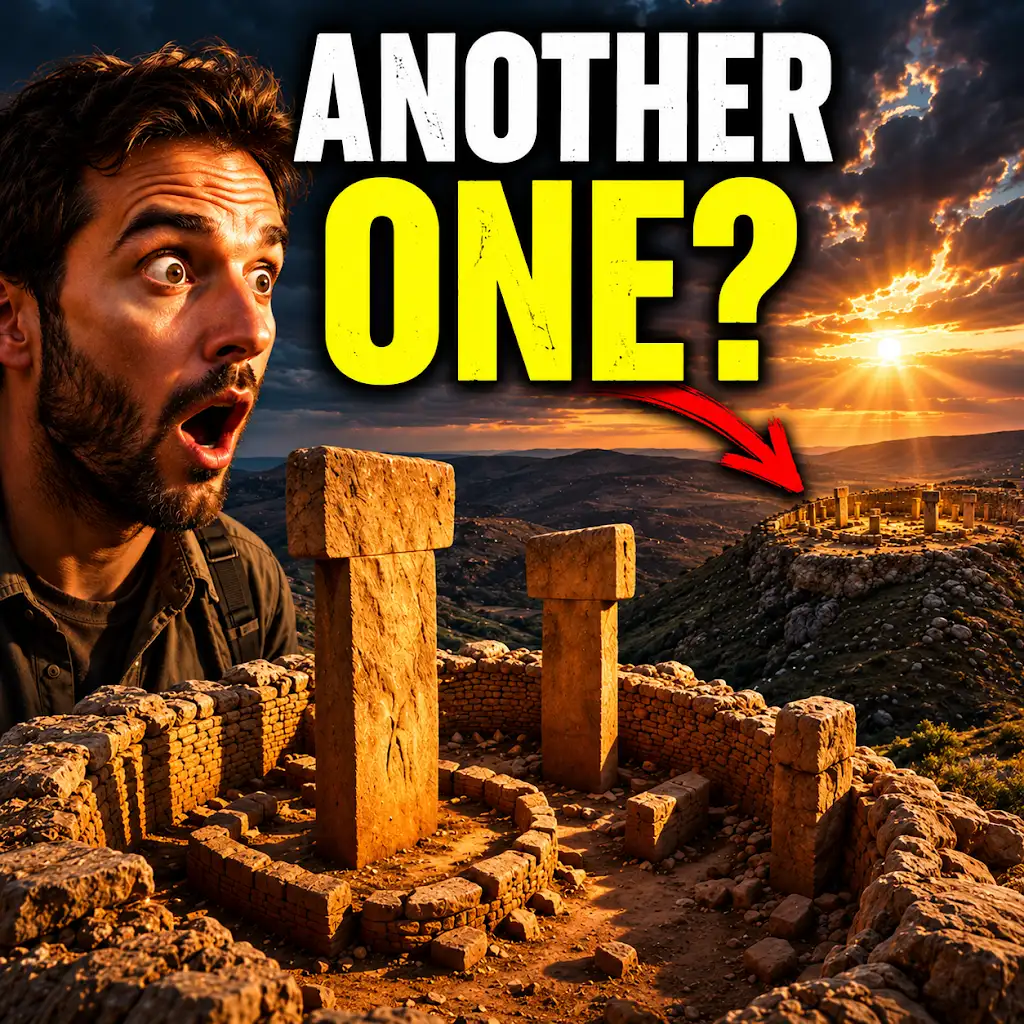
The World Beyond Göbekli Tepe Is Far Bigger Than We Thought
FAQs
What is the Karahantepe archaeology documentary about?
The Karahantepe archaeology documentary explores the ancient site of Karahantepe in Turkey, showcasing the ongoing archaeological excavations and discoveries made at the site.
Who is involved in the production of the Karahantepe archaeology documentary?
The documentary is produced in collaboration with archaeologists, historians, and filmmakers who are dedicated to showcasing the historical and cultural significance of Karahantepe.
What can viewers expect to see in the Karahantepe archaeology documentary?
Viewers can expect to see footage of the archaeological site, interviews with experts, and insights into the history and significance of Karahantepe in the ancient world.
Where can the Karahantepe archaeology documentary be viewed?
The documentary may be available for viewing on streaming platforms, at archaeological conferences, or through educational institutions with an interest in ancient history and archaeology.
Why is the Karahantepe archaeological site significant?
Karahantepe is significant for its well-preserved remains of ancient settlements, including evidence of early agriculture, trade, and cultural exchange in the region. The site provides valuable insights into the history of human civilization in the ancient Near East.