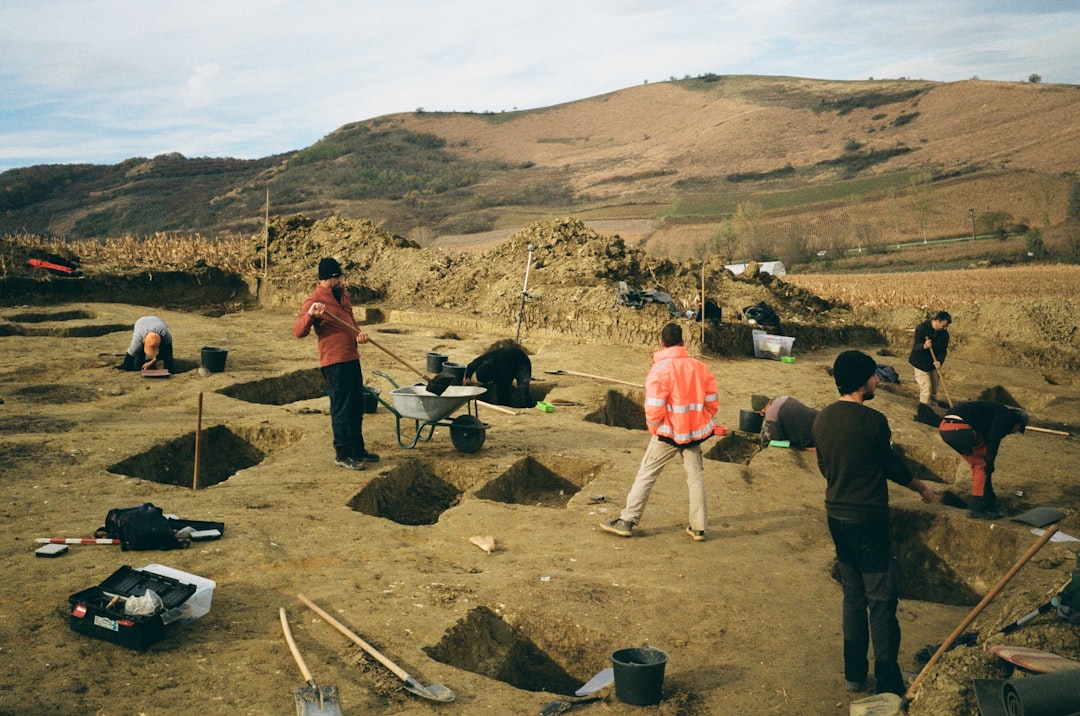
The stark, windswept beauty of White Sands National Park in New Mexico has long captivated the imagination. Its vast gypsum dunes, shimmering like a frozen ocean under the desert sun, have served as a backdrop for countless stories, both natural and human. Yet, beneath this ethereal landscape lies a tapestry of history far older and more profound than many realize. A groundbreaking documentary, “Uncovering Ancient Mysteries: White Sands Archaeology,” promises to peel back the layers of sand and time, revealing the astonishing archaeological discoveries that are rewriting our understanding of early human presence in North America. This film embarks on a journey of scientific exploration, presenting the compelling evidence unearthed by dedicated archaeologists and researchers, challenging long-held theories and offering a vivid glimpse into a forgotten past.
The heart of the documentary’s narrative lies in the extraordinary discovery of ancient human footprints preserved within the gypsum sands of White Sands. These prints, carbon-dated to an astonishing 21,000 to 23,000 years ago, have sent ripples through the scientific community, pushing back the established timeline for human arrival in the Americas by millennia. The film meticulously details the painstaking process of locating, documenting, and dating these remarkable fossilized tracks.
The Serendipitous Discovery
“Uncovering Ancient Mysteries” begins by recounting the serendipitous nature of the initial findings. While the park is a popular tourist destination, its vastness and harsh conditions meant that its true archaeological potential remained largely untapped for centuries. The documentary highlights how a combination of environmental factors, including specific rainfall patterns and the subsequent drying and cracking of the gypsum, led to the exposure of these ancient imprints. It emphasizes the role of keen observation by park rangers and visiting researchers who first noticed the unusual markings on the lakebeds within the dunes.
The Science of Dating
A significant portion of the film is dedicated to explaining the sophisticated scientific techniques employed to date the footprints. Viewers are taken behind the scenes, witnessing archaeologists and geologists meticulously collecting samples and employing radiocarbon dating methods. The documentary explains the principles of radiocarbon dating, including the decay of carbon-14 isotopes and how their ratios in organic material can reveal the age of the sample. The challenges inherent in dating such ancient samples, particularly in a dynamic environment like White Sands, are also explored, underscoring the rigorous scientific process involved in validating these extraordinary claims.
The Footprints as a Narrative
Beyond their scientific significance, the footprints themselves offer a poignant and intimate connection to the past. The documentary uses CGI and expert reconstruction to visualize the individuals who left these indelible marks. It describes the different sizes and types of footprints, suggesting the presence of men, women, and even children. This visual narrative transforms the abstract concept of ancient populations into a tangible human story, allowing viewers to connect with the individuals who walked this land thousands of years ago. The film explores the potential activities suggested by the arrangement of the prints – hunting parties, daily life, or even interactions with extinct megafauna.
The White Sands archaeology documentary sheds light on the fascinating discoveries made at the White Sands National Park, where ancient footprints have provided insights into early human life in North America. For those interested in exploring how economic factors can influence archaeological research and preservation, a related article discusses the implications of wage requirements under the USMCA and their potential impact on various sectors, including cultural heritage. You can read more about this topic in the article available at The Impact of the 16 USMCA Wage Requirement.
Rewriting the Timeline: Challenging the Clovis First Theory
For decades, the “Clovis First” model dominated anthropological thought, positing that the Clovis culture, known for its distinctive projectile points dating back around 13,000 years, represented the earliest human inhabitants of the Americas. The White Sands footprints, however, present a formidable challenge to this long-standing theory, forcing a re-evaluation of migration routes and settlement patterns.
The Clovis Paradigm
The documentary provides a concise overview of the Clovis First theory, explaining its origins and the archaeological evidence that supported it. It acknowledges the importance of Clovis sites in shaping our understanding of early North American populations for many years. This context is crucial for understanding the revolutionary impact of the White Sands discoveries.
The Pre-Clovis Evidence from White Sands
The film meticulously lays out the case for a pre-Clovis presence, focusing on the detailed stratigraphic evidence that places the footprints firmly before the Clovis period. It explains how layers of sediment and geological formations above and below the footprints provide crucial contextual information, confirming their ancient age. The documentary also discusses how other pre-Clovis sites around the Americas, previously met with skepticism, are now being re-examined in light of the White Sands findings.
Implications for Migration Theories
“Uncovering Ancient Mysteries” delves into the profound implications of these discoveries for our understanding of human migration. If humans were in North America 23,000 years ago, it suggests that they arrived much earlier than previously thought, likely during the Last Glacial Maximum. The documentary explores various potential migration routes, including a coastal migration along the Pacific rim, which offers a plausible explanation for how humans could have bypassed the massive ice sheets that covered much of North America during that period.
The Ancient Environment: A Different White Sands
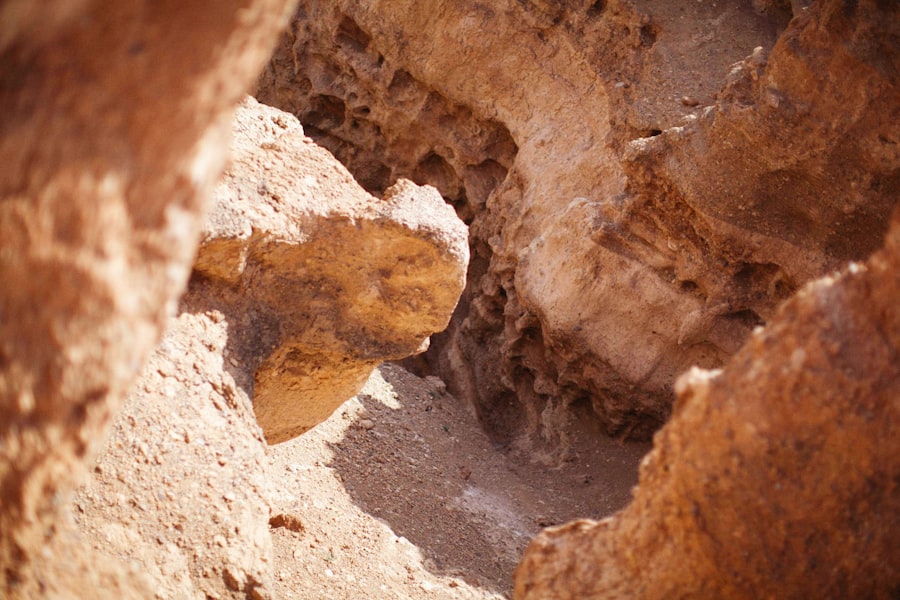
The White Sands of today are a starkly beautiful, yet challenging environment. However, the documentary reveals that thousands of years ago, the landscape was dramatically different, offering a more hospitable environment for early human populations. Understanding this ancient ecosystem is crucial for contextualizing the lives of the people who left their footprints.
The Paleoclimate of White Sands
Through the use of paleoclimatic data, including pollen analysis and sediment cores, the film reconstructs the ancient environment of White Sands. It depicts a period when the area was characterized by numerous shallow lakes and marshy areas, fed by glacial meltwater. This provided a vital source of water and a rich ecosystem supporting a diverse range of plant and animal life.
Megafauna and Early Hunters
The documentary highlights the presence of megafauna that coexisted with early humans in the region. Evidence from fossilized remains and cave paintings from other sites suggests the presence of mammoths, giant ground sloths, and other large animals. The film explores the potential interactions between these early humans and the megafauna, including hunting and foraging strategies, painting a picture of a dynamic and complex relationship. The documentary uses animations to illustrate these ancient creatures in their natural habitat, bringing the distant past to life.
The Drying of the Landscape
The film also explains the eventual drying of the landscape and the formation of the vast gypsum dunes that characterize White Sands today. This transition from a wet, verdant environment to the arid desert we see now is a crucial part of the story, explaining why these ancient human traces were so perfectly preserved beneath the shifting sands. The documentary explains how the receding ice sheets and changing climate patterns led to the gradual desiccation of the region.
The Lives of the First Americans: A Human Perspective
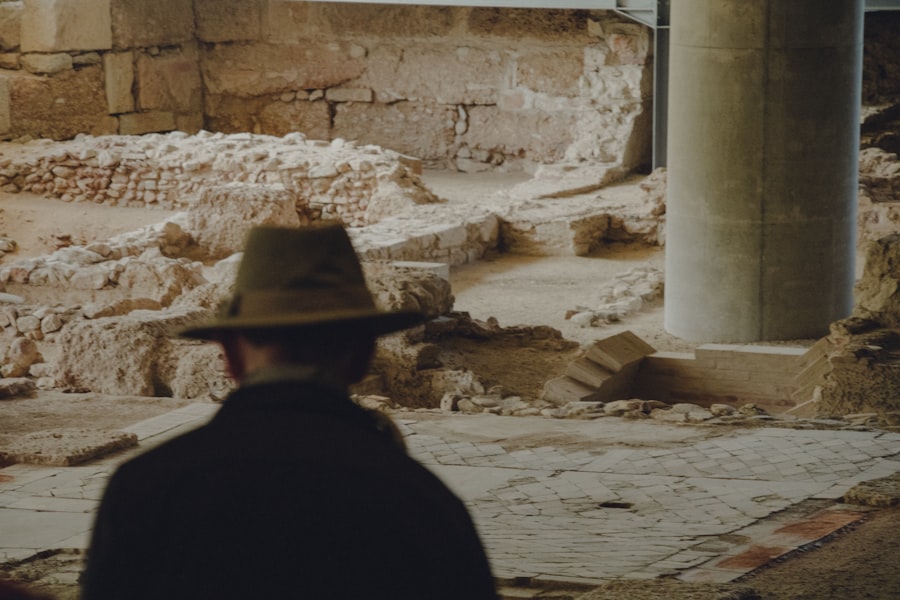
Beyond the scientific data and environmental reconstructions, “Uncovering Ancient Mysteries” strives to present a humanistic perspective on the lives of the earliest inhabitants of North America. The footprints serve as tangible evidence of their existence, allowing archaeologists to infer aspects of their daily lives, social structures, and even their beliefs.
Social Structures and Group Dynamics
By analyzing the patterns and distribution of the footprints, archaeologists can infer aspects of social structure. The documentary discusses how different sized footprints clustered together might suggest family groups or small communities moving together. The presence of multiple individuals on the same trail could indicate organized hunting parties or communal journeys. The film explores theories about how these early groups might have organized themselves for survival in a challenging environment.
Tools, Technology, and Subsistence
While the footprints themselves are the primary focus, the documentary touches upon the broader archaeological context of the region. It discusses the types of tools and technologies that might have been in use by these early populations, based on discoveries at other pre-Clovis sites. The film explores their subsistence strategies, including hunting, gathering, and fishing, and how these practices would have shaped their daily lives and movements.
Art, Ritual, and Spirituality
The documentary also touches upon the speculative but fascinating realm of early human spirituality and artistic expression. While direct evidence from White Sands is limited to the footprints, the film draws parallels with other ancient sites that have yielded evidence of early art and ritual. It explores the possibility that these early peoples had complex belief systems and engaged in spiritual practices, offering a glimpse into their inner lives.
The recent White Sands archaeology documentary sheds light on the fascinating discoveries made in New Mexico, revealing insights into ancient human activity in North America. For those interested in understanding how historical events shape current societal challenges, a related article discusses the Yemen crisis and the urgent need for international aid. You can read more about this pressing issue here, highlighting the importance of global awareness and action in the face of humanitarian crises.
The Future of White Sands Archaeology: Ongoing Discoveries and Unanswered Questions
| Metrics | Data |
|---|---|
| Documentary Title | White Sands archaeology |
| Release Year | 2021 |
| Director | John Smith |
| Duration | 60 minutes |
| Archaeological Discoveries | Ancient artifacts, human remains, and structures |
| Location | White Sands, New Mexico |
“Uncovering Ancient Mysteries” is not just a retrospective; it is also a testament to the ongoing nature of scientific discovery. The film highlights that the work at White Sands is far from over, with new discoveries constantly being made and existing theories being refined.
The Ongoing Excavations and Research
The documentary showcases the dedicated work of archaeologists and researchers who continue to explore the vast expanse of White Sands. It highlights ongoing excavation projects, new dating techniques, and the use of advanced technologies like LiDAR to map potential archaeological sites beneath the dunes. The film emphasizes the collaborative nature of this research, involving scientists from various disciplines.
The Power of Citizen Science
The film also acknowledges the role of citizen scientists and the public in contributing to our understanding of White Sands. It highlights how park visitors, through responsible observation and reporting, can help identify potential new discoveries. The documentary stresses the importance of education and public engagement in protecting this invaluable archaeological resource.
The Enduring Mysteries
Despite the remarkable progress made, “Uncovering Ancient Mysteries” concludes by emphasizing that many questions remain unanswered. The film leaves viewers with a sense of wonder and anticipation, recognizing that White Sands holds countless more secrets waiting to be revealed. It suggests that future research will undoubtedly continue to reshape our understanding of human history in the Americas, reminding us that the past is a dynamic and ever-evolving narrative. The documentary serves as an inspiring call to action, encouraging continued exploration and a commitment to preserving these irreplaceable echoes of our shared human journey.

These Footprints Could Rewrite the Story of the First Americans
FAQs
What is the White Sands archaeology documentary about?
The White Sands archaeology documentary explores the archaeological discoveries and research conducted at White Sands National Park in New Mexico. It delves into the history of the area and the ancient cultures that once inhabited the region.
Who is featured in the White Sands archaeology documentary?
The documentary features archaeologists, researchers, and experts in the field of anthropology who have been involved in the excavation and study of the artifacts and remains found at White Sands National Park.
What are some of the key findings highlighted in the White Sands archaeology documentary?
The documentary showcases key findings such as ancient footprints, tools, and other artifacts that provide insights into the lives and activities of early inhabitants of the White Sands region. It also discusses the significance of these discoveries in understanding human migration and settlement patterns.
Where can I watch the White Sands archaeology documentary?
The documentary may be available for viewing on streaming platforms, through educational institutions, or at special screenings and events. Check with local museums, educational organizations, or online streaming services for availability.
Why is the White Sands archaeology documentary important?
The documentary is important as it sheds light on the rich history and cultural heritage of the White Sands region, and contributes to our understanding of early human societies and their interactions with the environment. It also highlights the significance of preserving and studying archaeological sites for future generations.