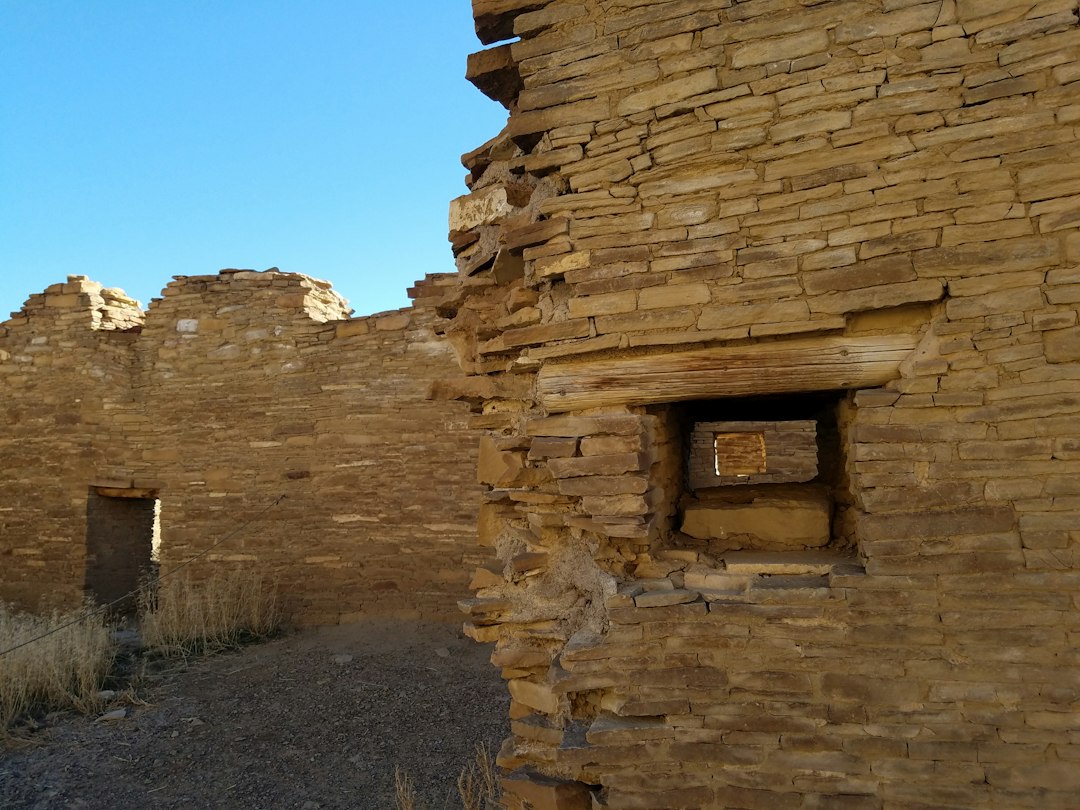
New Mexico, a land steeped in history and painted with the vibrant hues of its arid landscapes, has long been a fertile ground for archaeological exploration. Its rich past, spanning millennia of human habitation, continues to yield remarkable discoveries that redefine our understanding of ancient peoples, their societies, and their enduring legacies. From the nomadic hunter-gatherers who first roamed these territories to the sophisticated agriculturalists who built monumental structures, the archaeological record of New Mexico offers a captivating narrative of human ingenuity and adaptation. This article delves into some of the most significant archaeological discoveries made in the Land of Enchantment, shedding light on the diverse cultures that shaped its ancient history.
The story of human presence in New Mexico begins with the Paleoindians, the earliest inhabitants of the Americas. These intrepid peoples, believed to have migrated from Asia, were highly skilled hunters and foragers who adapted to the challenging environments of the Pleistocene epoch. Archaeological sites across New Mexico provide crucial evidence of their existence, offering glimpses into their lifeways, tool technologies, and migratory patterns.
Clovis First and Beyond: Debates on Arrival Times
For decades, the “Clovis First” model dominated archaeological thought, suggesting that the Clovis culture, characterized by its distinctive fluted projectile points, represented the first human inhabitants of the Americas, arriving around 13,500 years ago. New Mexico has played a pivotal role in challenging and refining this theory.
Blackwater Draw: A Pivotal Discovery
Blackwater Draw, located near Portales, New Mexico, is one of the most important Paleoindian sites in North America. Discovered in the 1930s, excavations revealed a rich assemblage of Clovis artifacts, including projectile points, scrapers, and butchering tools, found in association with the bones of extinct megafauna like mammoths and mastodons. This discovery provided compelling evidence of early human interaction with these formidable creatures and solidified the significance of the Clovis culture.
The Folsom Site: Refining Chronology
The Folsom site, also in New Mexico, yielded even more refined evidence, showcasing a later Paleoindian culture with distinct projectile points characterized by a deeper flute. The Folsom points were found in association with extinct bison, further refining the chronological understanding of these early inhabitants and demonstrating a cultural evolution within the Paleoindian period.
Pre-Clovis Evidence: Pushing Back the Timeline
More recent discoveries in New Mexico and elsewhere have provided compelling evidence for pre-Clovis human occupation of the Americas, pushing back the timeline of human arrival by thousands of years. While definitive sites in New Mexico are still debated, ongoing research and new discoveries continue to contribute to this evolving understanding, suggesting that human ancestors arrived in the Americas much earlier than previously thought, possibly through multiple migration waves and routes.
Ancient New Mexico archaeology offers fascinating insights into the lives of early inhabitants, showcasing their intricate pottery, architectural styles, and cultural practices. For those interested in exploring related mysteries, the article “The Antarctic Conspiracy: Uncovering the Mystery of the Piri Reis Map” delves into historical cartography and its implications for understanding ancient civilizations. You can read more about it here: The Antarctic Conspiracy: Uncovering the Mystery of the Piri Reis Map.
The Archaic Period: Adaptation and Innovation
Following the Paleoindian era, the Archaic period (roughly 8,000 to 2,000 years ago) saw significant shifts in human subsistence strategies and cultural development. As the megafauna of the Pleistocene disappeared, Archaic peoples adapted to changing environments by diversifying their diets, developing new toolkits, and becoming more intimately connected with their local landscapes. New Mexico’s diverse ecosystems provided a rich canvas for these adaptations.
Hunter-Gatherer Lifestyles: Resource Management
Archaic peoples in New Mexico were primarily hunter-gatherers, exhibiting a deep understanding of plant and animal resources. Their sites, often found in caves, rock shelters, and open-air camps, reveal evidence of their diverse diets, including seeds, nuts, roots, and a variety of small game and larger mammals.
Seed Grinding Tools: Evidence of Plant Use
The discovery of manos and metates (grinding stones) at Archaic sites is a testament to the importance of plant-based foods in their diet. These tools allowed for the processing of seeds, nuts, and roots into more digestible forms, expanding their nutritional intake and enabling them to exploit a wider range of plant resources.
Basketry and Textiles: Sophisticated Craftsmanship
Evidence of sophisticated basketry and textile production has also been found at Archaic sites, particularly in arid environments where preservation is excellent. These artifacts, often made from plant fibers, reveal intricate weaving techniques and demonstrate the practical and aesthetic skills of Archaic peoples. Baskets were used for collecting, storing, and transporting food, while textiles likely served for clothing and other utilitarian purposes.
Mobile Bands: Social Organization
The archaeological record suggests that Archaic peoples in New Mexico lived in relatively small, mobile bands. Their campsites were often temporary, reflecting a seasonal movement pattern to exploit different resources as they became available throughout the year. This mobility likely influenced their social organization, fostering a flexible and adaptable way of life.
Emerging Agricultural Practices: Seeds of Change
Towards the later part of the Archaic period, evidence of early agricultural practices begins to appear in New Mexico. While not yet full-scale farming, these early experiments with cultivating plants laid the groundwork for the more intensive agriculture that would define later cultures.
Early Maize Cultivation: A Gradual Transition
The introduction and gradual adoption of maize (corn) cultivation marked a significant turning point. Archaeological evidence, including maize pollen and early plant remains, indicates that Archaic peoples began to cultivate this important New World crop, supplementing their traditional foraging strategies. This transition was likely a gradual process, with agriculture initially playing a supplementary role rather than a primary one.
Domestication of Other Plants: Beyond Maize
Beyond maize, evidence also suggests the domestication and cultivation of other plants, such as beans and squash, although the timing and extent of these practices in New Mexico’s Archaic period are still areas of active research. These early agricultural efforts represent a crucial step in the development of more settled lifeways and the eventual rise of sedentary agricultural societies.
The Ancestral Puebloans: Builders of Empires and Civilizations

Perhaps the most iconic and widely recognized ancient inhabitants of New Mexico are the Ancestral Puebloans, whose magnificent settlements and sophisticated cultural achievements have captivated archaeologists and the public alike for centuries. Flourishing roughly between 200 and 1300 CE, these peoples developed complex societies, intricate social structures, and remarkable architectural traditions.
Chaco Canyon: A Hub of Ancient Power
Chaco Canyon, a UNESCO World Heritage Site, stands as a testament to the grandeur and complexity of Ancestral Puebloan civilization. This vast archaeological park contains some of the most impressive and enigmatic structures in North America, hinting at a highly organized and influential society.
Great Houses: Monumental Architecture
The hallmark of Chaco Canyon is its series of “Great Houses,” massive multi-story structures built with precisely cut and fitted stone. These impressive buildings, such as Pueblo Bonito, Chetro Ketl, and Una Vida, were not simply dwellings but served complex social, ceremonial, and political functions. Their scale and construction indicate a significant labor force and sophisticated planning.
Engineering Marvels: Water Management and Astronomy
The Chacoans were remarkable engineers, developing sophisticated systems for water management to sustain their large population in an arid environment. Evidence of canals, reservoirs, and check dams demonstrates their ingenuity in harnessing scarce water resources. Furthermore, the alignment of many structures with celestial events suggests a profound understanding of astronomy and its integration into their daily lives and spiritual beliefs.
Trade Networks: Far-Reaching Connections
Chaco Canyon was not an isolated entity but a vital center within a vast trade network that extended hundreds of miles across the Southwest. Excavations have revealed artifacts like turquoise, obsidian, shells, and macaw feathers, originating from distant regions, indicating extensive trade relationships and the movement of goods and people.
Mesa Verde and Beyond: Expanding the Puebloan World
While Chaco Canyon is the most famous, Ancestral Puebloan culture extended far beyond its confines, with numerous other significant sites scattered throughout the Four Corners region and New Mexico.
Cliff Dwellings: Defensive and Domestic Spaces
The dramatic cliff dwellings of Mesa Verde National Park, though technically in Colorado, are closely linked to the Ancestral Puebloan cultural sphere and reflect similar architectural principles. In New Mexico, sites like Bandelier National Monument feature cliff dwellings and mesa-top pueblos, showcasing the adaptability of Ancestral Puebloan architecture to diverse topographical features. These dwellings provided both protection and a connection to the natural environment.
Agricultural Innovations: Sustaining a Growing Population
Ancestral Puebloans were highly skilled farmers, cultivating maize, beans, and squash on a large scale. They developed innovative agricultural techniques, including terracing, irrigation, and the use of domesticated animals like turkeys and dogs, to maximize their yields and support their burgeoning populations.
Social and Ceremonial Life: Kivas and Community
The presence of kivas, circular subterranean structures, is a defining characteristic of Ancestral Puebloan sites. These served as important ceremonial and social gathering places, reflecting the communal nature of their society and the significance of ritual and spiritual practices.
The Post-Classic Period: Transition and Transformation

Following the decline and eventual abandonment of the great Ancestral Puebloan centers around the 13th and 14th centuries CE, New Mexico entered a period of significant transition and transformation. While the reasons for the widespread depopulation of sites like Chaco Canyon remain debated, including drought, resource depletion, and social unrest, new cultural patterns emerged.
The Rise of the Rio Grande Pueblos: Continuity and Change
The descendants of the Ancestral Puebloans continued to inhabit the region, adapting to new challenges and evolving their cultural practices. This period saw the development of the historic Rio Grande Pueblos, such as Taos, San Ildefonso, and Acoma, which continue to thrive today.
Pueblo Architecture: Evolving Traditions
Pueblo architecture evolved, with a greater emphasis on multi-story, apartment-like structures built with adobe and stone. These villages were often strategically located for defense and resource access, reflecting the changing sociopolitical landscape.
Sophisticated Pottery and Art: Cultural Expression
The pottery traditions of the Post-Classic period are particularly noteworthy, showcasing intricate designs, diverse forms, and advanced firing techniques. These ceramics, often decorated with geometric patterns and stylized animal motifs, provide valuable insights into the beliefs, cosmology, and artistic expressions of these communities.
Social and Political Structures: Reorganization
Social and political structures reorganized, with an emphasis on community cohesion and leadership roles within individual pueblos. The development of distinct ceremonial calendars and traditions further cemented the unique identities of these evolving communities.
The Arrival of New Peoples: Migrations and Interactions
The Post-Classic period also witnessed the arrival and interaction of new peoples in New Mexico, most notably the Athabaskan-speaking groups, who would eventually become known as the Navajo and Apache peoples.
Navajo Migrations: Adaptation to the Southwest
The Navajo people, migrating from the north, gradually settled in northwestern New Mexico and northeastern Arizona, adapting their nomadic hunter-gatherer lifeways to the resources of the Southwest. They developed a rich tradition of weaving, silversmithing, and a complex spiritual belief system deeply intertwined with the landscape.
Apache Peoples: Diverse Bands and Lifeways
Various Apache groups also moved into the region, establishing distinct bands with diverse subsistence strategies, ranging from hunting and gathering to raiding. Their interactions with both Pueblo communities and later, with Spanish settlers, shaped the history and cultural landscape of New Mexico.
Ancient New Mexico archaeology offers fascinating insights into the lives of early inhabitants, revealing their complex societies and rich cultural practices. For those interested in exploring related topics, a compelling article discusses the significance of various archaeological strategies in preserving historical sites. You can read more about these methods and their implications for understanding ancient civilizations in this informative piece. Check it out here: demystifying the security shoring strategy.
Ongoing Discoveries and Future Prospects: The Living Past
| Site Name | Period | Culture | Key Findings | Estimated Age | Location |
|---|---|---|---|---|---|
| Chaco Canyon | AD 900–1150 | Ancestral Puebloan | Great houses, kivas, road systems | 900–1150 years | Northwestern New Mexico |
| Gila Cliff Dwellings | AD 1275–1300 | Mogollon | Cliff dwellings, pottery, tools | 700–750 years | Southwestern New Mexico |
| Taos Pueblo | AD 1000–present | Tiwa (Puebloan) | Multi-storied adobe buildings, continuous habitation | 1000+ years | North-central New Mexico |
| Petroglyph National Monument | AD 1300–1600 | Various Puebloan groups | Thousands of petroglyphs, rock art | 400–700 years | Near Albuquerque, New Mexico |
| Salinas Pueblo Missions | AD 1200–1600 | Puebloan with Spanish influence | Mission ruins, pottery, trade artifacts | 400–800 years | Central New Mexico |
Archaeological research in New Mexico is far from complete. New discoveries are made regularly, continually refining our understanding of the past and revealing new facets of ancient life in this remarkable region.
Modern Technologies in Archaeology: Unveiling New Secrets
The application of modern technologies has revolutionized archaeological research. Remote sensing techniques, such as LiDAR, can map ancient landscapes and identify subtle features previously hidden from view. DNA analysis is providing insights into human migration patterns and the genetic relationships between ancient populations. Advanced dating methods offer ever-more precise chronologies for sites and artifacts.
The Importance of Collaboration: Indigenous Knowledge and Scientific Inquiry
A crucial aspect of contemporary archaeological research in New Mexico is the growing collaboration with Indigenous communities. The living descendants of the ancient peoples whose past is being unearthed are essential partners, bringing invaluable ancestral knowledge, oral traditions, and perspectives that enrich scientific inquiry and ensure that the stories of the past are told with respect and accuracy.
Preserving the Legacy: Protecting Cultural Heritage
The ongoing discoveries underscore the critical importance of preserving New Mexico’s rich archaeological heritage. Protecting sites from looting, development, and environmental degradation is paramount to ensuring that future generations can continue to learn from and be inspired by the enduring legacies of the ancient peoples who called this land home. The archaeological landscape of New Mexico is not merely a collection of ancient ruins; it is a vibrant, living testament to the resilience, ingenuity, and enduring spirit of humanity.

Ancient DNA Found a Living Link to Chaco Canyon
FAQs
What is ancient New Mexico archaeology?
Ancient New Mexico archaeology refers to the study of the prehistoric cultures and civilizations that once inhabited the region now known as New Mexico. This field of study involves excavating and analyzing artifacts, structures, and other remains left behind by these ancient peoples.
What time period does ancient New Mexico archaeology cover?
Ancient New Mexico archaeology covers a vast time period, ranging from the earliest hunter-gatherer societies around 10,000 years ago to the arrival of Spanish explorers in the 16th century. This includes the Ancestral Puebloans, Mogollon, and Hohokam cultures, among others.
What are some key archaeological sites in New Mexico?
New Mexico is home to several important archaeological sites, including Chaco Canyon, Bandelier National Monument, Aztec Ruins National Monument, and Gila Cliff Dwellings National Monument. These sites offer valuable insights into the lives and cultures of ancient peoples in the region.
What types of artifacts are typically found in ancient New Mexico archaeological sites?
Artifacts commonly found in ancient New Mexico archaeological sites include pottery, tools, jewelry, weapons, and architectural remains such as kivas, cliff dwellings, and petroglyphs. These artifacts provide clues about the daily lives, beliefs, and practices of the ancient inhabitants of the region.
Why is ancient New Mexico archaeology important?
Studying ancient New Mexico archaeology is important for understanding the history and cultural heritage of the region. It helps us learn about the ways in which ancient peoples adapted to their environment, interacted with one another, and developed complex societies. Additionally, this research can inform contemporary issues such as land use, conservation, and cultural preservation.