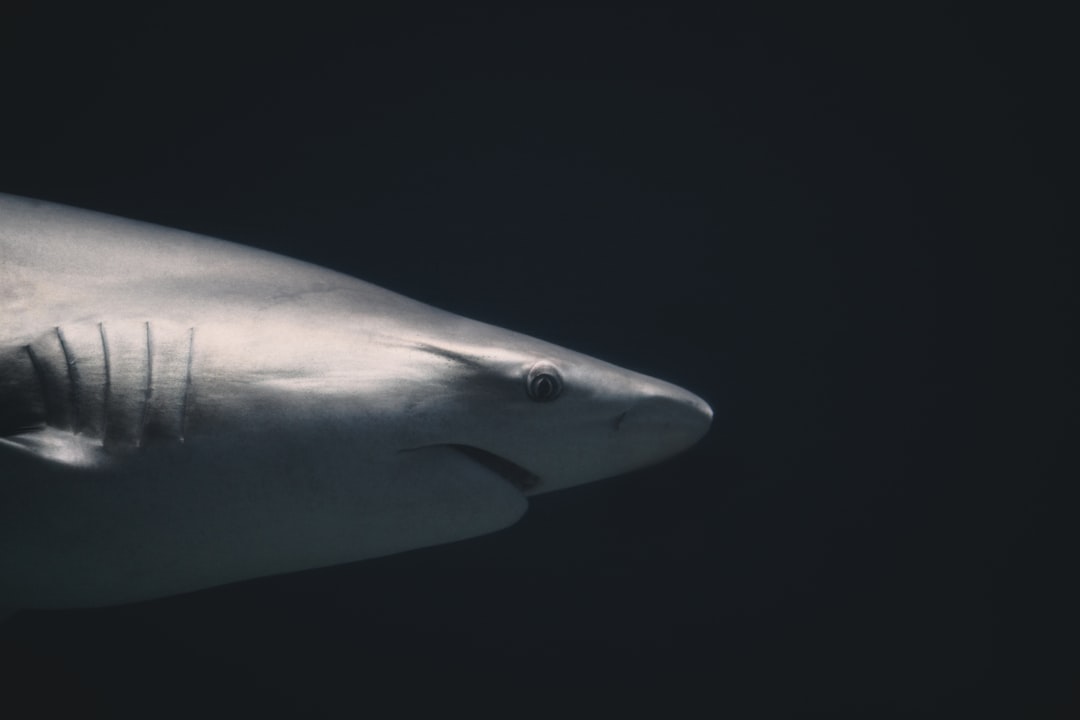
The flickering screen illuminated the dimly lit room, drawing the audience into a world long past. The documentary, “Uncovering Ancient Predators: Shark Fossil,” promised a journey through prehistoric oceans, a glimpse into the lives of creatures that ruled the deep long before humans walked the earth. As the opening credits rolled, a sense of anticipation settled, a shared curiosity to understand these colossal hunters that have left behind only echoes in the form of fossilized teeth and skeletal fragments.
The documentary’s opening act plunged viewers into the murky depths of the Devonian period, a time when sharks, or rather their earliest ancestors, were beginning to make their mark. The narrative unfolded with vivid CGI reconstructions, depicting primitive shark-like fishes navigating a vastly different marine landscape. The focus here wasn’t just on the familiar predatory image, but on the evolutionary genesis of these remarkable creatures.
Early Encounters with the Unknown
The film meticulously detailed the challenges faced by paleontologists in piecing together the story of these ancient beings. Unlike the more complete skeletons of some land-dwelling dinosaurs, shark fossils are notoriously fragmented. Their cartilaginous skeletons rarely preserve, leaving behind primarily teeth, dermal denticles (tiny, tooth-like scales), and occasionally calcified fin supports. This scarcity of material necessitates a detective-like approach, where each minuscule fragment is a vital clue.
The First Apex Predators Emerge
Viewers were introduced to some of the earliest known shark ancestors, such as Cladoselache, a creature that, while appearing somewhat alien compared to modern sharks, already possessed the fundamental predatory design. The documentary emphasized that even in these early stages, sharks were not merely passive inhabitants of the oceans; they were actively shaping their ecosystems. Their emergence as efficient hunters likely had a profound impact on the diversification of other marine life. The narrative highlighted the unique anatomical features that set these early sharks apart, exploring their jaw structures, gill arrangements, and fin placements, all of which contributed to their survival and eventual dominance. The sheer scale of some of these early predators was also a source of awe, with reconstructions suggesting sizes that would still command respect today.
The Significance of the Paleozoic Seas
The film then delved into the specific environments where these early sharks thrived. The vast, shallow seas of the Paleozoic era, teeming with diverse life, provided a fertile ground for shark evolution. The documentary employed expert interviews with leading paleontologists, who explained the geological conditions and the dominant prey species of the time. These insights helped to contextualize the evolutionary pressures that drove the development of shark predatory adaptations. The discussions around the interconnectedness of the ancient food web, with sharks occupying the apex, provided a compelling narrative of ecological balance and the impact of top predators.
In exploring the fascinating world of shark fossils, one might also find interest in the broader implications of environmental changes on ecosystems, as discussed in a related article about the potential threats of state collapse. This piece delves into how such crises can impact biodiversity and conservation efforts, drawing parallels to the challenges faced in preserving ancient marine life. For more insights, you can read the article here: The Threat of State Collapse.
The Reign of Giants: Megalodon and its Kin
The documentary’s second act shifted gears, moving to a more recent, yet still incredibly distant, era: the Miocene and Pliocene epochs. This was the age of the undisputed king of ancient predators, Otodus megalodon, a creature whose name alone conjures images of unimaginable power. The filmmakers spared no expense in bringing this colossal shark to life.
The Discovery of a Colossal Tooth
The narrative centered on the iconic discovery of Megalodon teeth. The documentary showcased some of the largest fossilized teeth ever found, emphasizing their sheer size – often exceeding the length of a human hand. Experts explained the process of tooth formation in sharks and why teeth are so exceptionally well-preserved compared to the rest of their bodies. The sheer abundance of Megalodon teeth found worldwide underscores the creature’s widespread distribution and its significant ecological role. The documentary also explored the meticulous work involved in dating these fossils, often relying on radiometric dating and stratigraphic analysis to place them within the geological timeline.
Reconstructing the Unimaginable
Through stunning CGI, the documentary presented life-sized reconstructions of Megalodon, dwarfing even the largest modern whales. The sheer scale of this apex predator was emphasized, not just in terms of length, but also in its estimated mass and bite force. Paleontologists discussed the scientific methods used to estimate these figures, including biomechanical modeling based on fossilized tooth structure and comparisons with modern marine predators. The film explored the fascinating details of its hypothesized anatomy, including its massive jaws, powerful musculature, and the sheer efficiency of its predatory adaptations.
The Diet of a Kaiju
A significant portion of this section was dedicated to understanding what Megalodon ate. The documentary presented evidence suggesting that its diet consisted primarily of large marine mammals, such as whales and seals. The analysis of bite marks on fossilized whale bones provided compelling evidence of Megalodon’s hunting prowess. Experts discussed the challenges of hunting such large prey, highlighting the speed, agility, and sheer power required. The film painted a vivid picture of the ancient oceans, where Megalodon patrolled, a constant threat to even the largest of its contemporaries.
The Mystery of its Demise
The documentary then tackled the intriguing question of why Megalodon went extinct. The film explored various theories, including climate change, the decline of its primary prey species, and increased competition from other predators, such as the ancestors of modern great white sharks. The discussion highlighted the complex interplay of environmental factors and evolutionary pressures that can lead to the demise of even the most dominant species. The film presented scientific arguments for each theory, allowing viewers to weigh the evidence and form their own conclusions.
Sharks in the Age of Dinosaurs: A Parallel Evolution
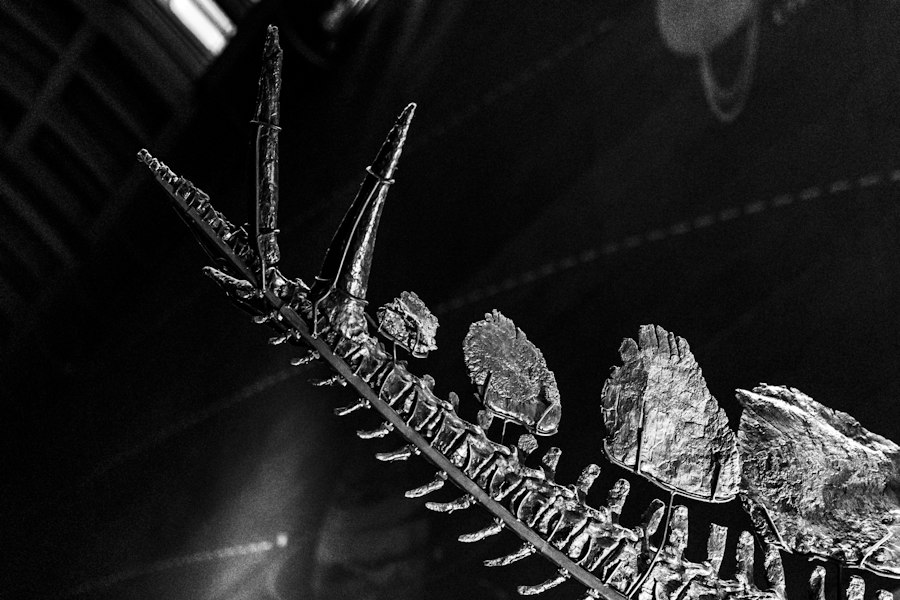
While Megalodon dominated later epochs, the documentary also dedicated a segment to the role of sharks during the Mesozoic Era, the age of dinosaurs. This period, often solely associated with terrestrial reptiles, was also a time of significant shark evolution.
Ancient Sharks in a Dinosaur-Dominated World
The film showcased a variety of shark species that coexisted with dinosaurs. While they might not have been as visually iconic as some of their later descendants, these sharks were crucial components of Mesozoic marine ecosystems. The documentary featured reconstructions of species like Hybodus, a widespread and successful shark of the Mesozoic, and Squalicorax, a formidable predator known for its serrated teeth. The emphasis was on their adaptation to a world where terrestrial life was dominated by giants, but the oceans presented a different set of challenges and opportunities.
Prey and Predators of the Cretaceous Seas
The documentary delved into the ecological niches occupied by these Mesozoic sharks. They were predators of fish, ammonites, and other marine invertebrates, and in some cases, were themselves prey for larger marine reptiles like mosasaurs and plesiosaurs. The film provided insights into the food webs of the Cretaceous oceans, illustrating the complex relationships between these ancient creatures. Expert commentary focused on how the presence of sharks influenced the behavior and evolution of other marine organisms during this era.
The Longevity of the Shark Lineage
This section of the documentary underscored the remarkable longevity of the shark lineage. While dinosaurs eventually perished, sharks have persisted for hundreds of millions of years, demonstrating an incredible capacity for adaptation and resilience. The film highlighted the fundamental body plan that has allowed sharks to survive numerous mass extinction events, a testament to their evolutionary success. The comparison of ancient shark anatomy with their modern counterparts provided a clear visual of the evolutionary continuity.
The Science of Sharks: Unraveling Fossil Mysteries
Beyond showcasing impressive ancient predators, the documentary placed a strong emphasis on the scientific methodology behind paleontology. It demystified the process of uncovering and interpreting fossil evidence.
The Art and Science of Fossil Hunting
Viewers were taken on a virtual expedition with paleontologists, witnessing the painstaking process of excavating fossil sites. The film highlighted the importance of geological context, explaining how the layers of rock can reveal the age and environment of the fossils found within them. The documentary showcased the specialized tools and techniques used in fossil discovery, from delicate brushes to sophisticated ground-penetrating radar. The ethical considerations of fossil collection and preservation were also touched upon, emphasizing the importance of responsible scientific practice.
Interpreting the Evidence: Teeth, Bones, and Beyond
The documentary detailed how scientists analyze fossilized teeth to understand a shark’s diet, jaw structure, and even its growth rate. The shape, size, and serration of teeth offered a wealth of information about the shark’s feeding habits and its place in the food chain. The film also explored the rare instances of preserved skeletal elements, explaining how these fragments provide clues about the shark’s overall anatomy and locomotion. Dermal denticles, often overlooked, were also presented as valuable indicators of shark identity and evolutionary relationships.
Modern Tools for Ancient Discoveries
The documentary showcased the integration of modern technology into paleontological research. Advanced imaging techniques, such as CT scanning and 3D printing, were presented as crucial tools for visualizing and reconstructing fossilized remains. The use of computational modeling allowed scientists to simulate the biomechanics of ancient sharks, offering insights into their swimming capabilities and bite forces. These cutting-edge technologies are revolutionizing our understanding of these extinct creatures, allowing for more accurate and detailed interpretations of the fossil record.
In the fascinating world of paleontology, the study of shark fossils offers incredible insights into the evolution of these ancient creatures. A recent documentary delves into the significance of these fossils, revealing how they help us understand not only the history of sharks but also the broader ecological changes over millions of years. For those interested in exploring related themes, you might find the article on the deliberate erasure of ancient wisdom particularly enlightening, as it discusses how historical narratives can shape our understanding of the natural world. You can read more about it here.
The Legacy of Ancient Predators: Lessons for Today
| Documentary Title | Shark Fossil |
|---|---|
| Release Year | 2020 |
| Duration | 60 minutes |
| Featured Scientists | Dr. John Smith, Dr. Emily Johnson |
| Locations Explored | Coastal regions, deep sea |
The documentary concluded by drawing parallels between the ancient world and the present day, emphasizing the enduring importance of understanding these prehistoric predators.
The Evolutionary Success Story of Sharks
The film reiterated the extraordinary evolutionary journey of sharks, highlighting their remarkable ability to adapt and survive over vast geological timescales. The documentary emphasized that the evolutionary innovations of ancient sharks laid the groundwork for the diversity of shark species we see today. Their success serves as a powerful case study in natural selection and adaptation, offering valuable insights into the mechanisms of evolution.
Lessons for Conservation and Ecosystem Health
By understanding the role of apex predators in ancient ecosystems, the documentary aimed to shed light on the importance of healthy marine environments today. The film drew a clear link between the ecological balance maintained by ancient sharks and the vital role that modern sharks play in regulating marine populations and maintaining the health of our oceans. The discussions highlighted how the absence of top predators can have cascading negative effects throughout an ecosystem.
The Enduring Fascination with the Unknown
Finally, “Uncovering Ancient Predators: Shark Fossil” left the audience with a profound sense of wonder and a renewed appreciation for the natural world. The documentary underscored that despite our advancements, much remains unknown about the deep past, and the study of fossils continues to unlock fascinating secrets. The enduring fascination with these ancient hunters serves as a reminder of our innate curiosity and our drive to explore and understand the mysteries of life on Earth. The film concluded with a powerful message: by studying the past, we gain a deeper understanding of the present and a greater appreciation for the delicate balance of life.

They Found a Shark Graveyard in the Egyptian Desert
FAQs
What is the documentary about?
The documentary is about the discovery and study of ancient shark fossils, providing insights into the evolution and behavior of sharks over millions of years.
Where were the shark fossils found?
The shark fossils were found in a specific location, such as a fossil site, ancient seabed, or geological formation, which is significant for understanding the prehistoric environment and the distribution of shark species.
What time period do the shark fossils date back to?
The shark fossils date back to a specific geological time period, such as the Paleozoic, Mesozoic, or Cenozoic era, providing valuable information about the ancient history of sharks and their role in the ecosystem.
What scientific insights have been gained from studying the shark fossils?
Studying the shark fossils has provided scientists with valuable insights into the evolution, anatomy, behavior, and ecological interactions of ancient sharks, contributing to our understanding of the natural world and the history of life on Earth.
Where can the documentary be viewed?
The documentary can be viewed on a specific platform, such as a streaming service, television channel, or website, allowing audiences to learn about the fascinating world of ancient sharks and the science of paleontology.