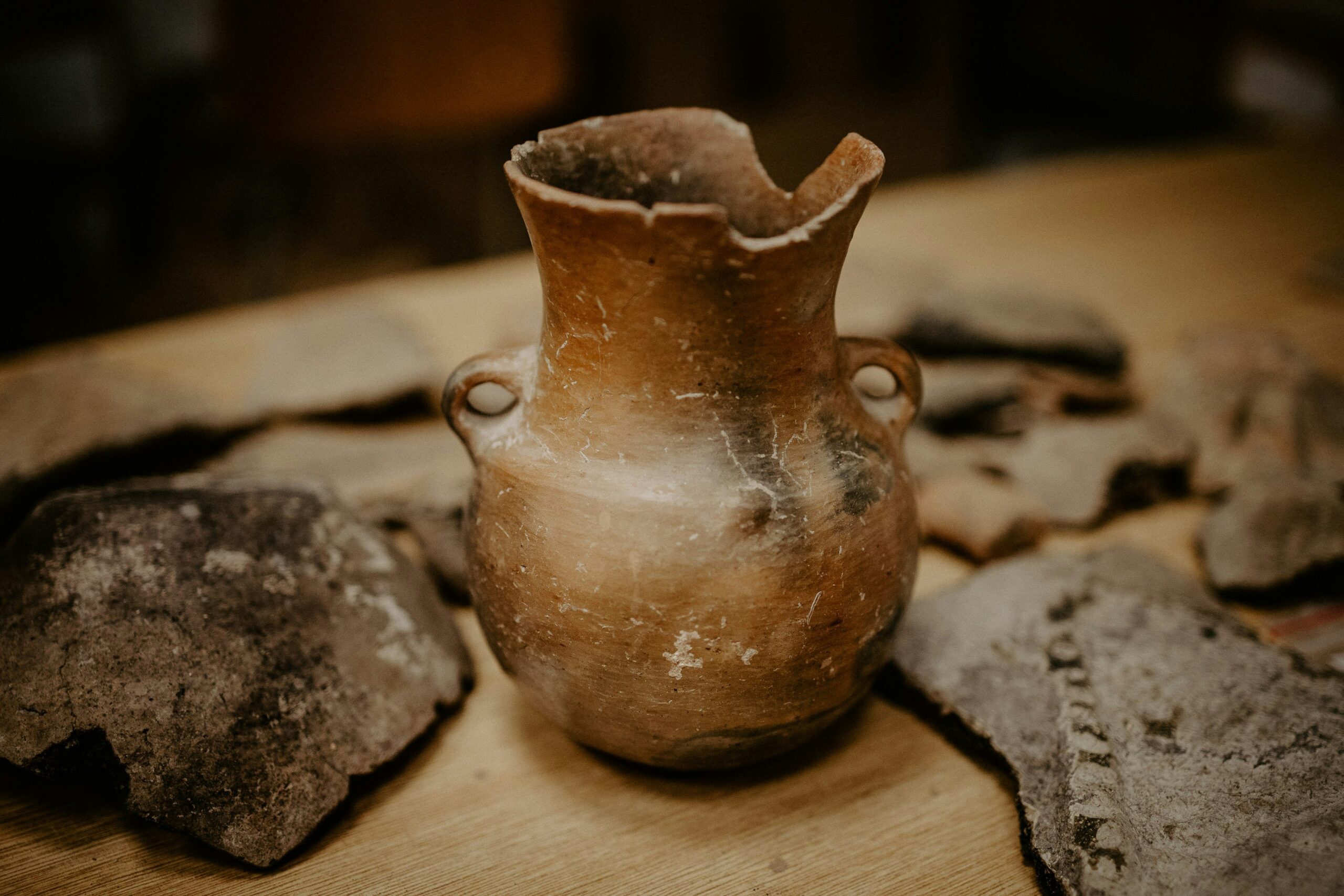
Scanning Electron Microscopy (SEM) has emerged as a transformative tool in the field of archaeology, offering a granular and insightful perspective that was previously unattainable. This powerful analytical technique allows researchers to delve into the microscopic world of artifacts, revealing intricate details about their composition, manufacturing processes, and degradation pathways. By bombarding a sample with a focused beam of electrons and detecting the emitted secondary or backscattered electrons, SEM generates high-resolution images that can unveil the hidden stories embedded within ancient materials. This article will explore the diverse applications of SEM archaeology analysis, from deciphering the origins of raw materials to understanding the sophisticated techniques employed by ancient craftspeople, and ultimately, to reconstructing the complex narratives of past civilizations.
The ability of SEM to provide magnifications far exceeding that of optical microscopy is its primary advantage for archaeologists. This allows for the visualization of surface textures, microstructures, and even individual particles that hold crucial information about an artifact’s history. Unlike conventional optical microscopy, which is limited by the wavelength of visible light, SEM utilizes electron beams, enabling resolutions down to the nanometer scale. This means archaeologists can examine the fine details of tool marks, the layered structure of pigments, the porosity of pottery, and the crystalline forms of metals with unprecedented clarity. The resulting images are not merely descriptive; they are interpretive, providing data points that can be cross-referenced with known materials and processes to infer provenance, function, and even cultural practices.
Unveiling the Composition of Artifacts
One of the most fundamental applications of SEM in archaeology is the detailed analysis of an artifact’s elemental composition. This is often achieved through the integration of an Energy Dispersive X-ray Spectroscopy (EDX/EDS) detector with the SEM. When the electron beam strikes the sample, it excites the atoms, causing them to emit characteristic X-rays. The energy of these X-rays is unique to each element, allowing for their identification and quantification.
Elemental Fingerprinting of Pottery Sherds
Pottery sherds, ubiquitous in archaeological sites, offer a rich tapestry of information when analyzed with SEM-EDX. By identifying the elemental composition of the clay body, archaeologists can infer the geological source of the raw materials. Different geological formations have distinct elemental signatures, allowing for the tracing of trade routes and the understanding of resource exploitation patterns in ancient societies. For instance, the presence of specific trace elements might indicate that a particular pottery vessel was made from clay sourced from a distant region, suggesting long-distance trade networks. Furthermore, the analysis of temper materials, such as sand or crushed rock added to the clay for structural integrity, can also reveal the origin of these additives.
Tracing the Origin of Stone Tools
Similarly, the elemental composition of stone tools, from projectile points to grinding stones, can be analyzed to determine the type of stone used and, consequently, its geological origin. This is crucial for understanding lithic procurement strategies and mobility patterns of ancient populations. For example, the identification of obsidian, a volcanic glass, can be particularly informative due to its unique geochemical signature, allowing for precise sourcing to specific volcanic flows. SEM-EDX can also reveal the presence of residual organic materials or micro-contaminants on stone surfaces, offering clues about their use and post-depositional history.
Analyzing the Composition of Metal Artifacts
Metal artifacts, such as tools, weapons, jewelry, and coins, provide a wealth of information when subjected to SEM analysis. The elemental composition of alloys, such as bronze or brass, can be accurately determined, offering insights into metallurgical knowledge and technological advancements. For example, the presence and relative proportions of copper and tin in a bronze artifact can indicate the sophistication of melting and alloying techniques. SEM-EDX can also detect impurities within the metal, which might be characteristic of specific smelting processes or ore sources. Furthermore, it can differentiate between different metallic layers in composite objects or identify corrosion products, providing information about the environmental conditions the artifact has been exposed to over time.
Illuminating Manufacturing Processes
Beyond elemental composition, SEM’s high-resolution imaging capability shines a light on the actual techniques employed by ancient artisans. The microscopic examination of tool marks, surface textures, and the structure of manufactured materials can reveal the methods used for shaping, finishing, and decorating artifacts.
Deciphering Tool Marks on Stone and Metal
The microscopic examination of the edges of stone tools, for instance, can reveal the characteristic striations and wear patterns left by the shaping process. These patterns can be compared to known effects of different tools and techniques, allowing archaeologists to reconstruct how a particular object was made. Similarly, on metal artifacts, SEM can reveal the microstructural evidence of hammering, filing, casting, or forging. The presence of specific microstructures, such as grain flow in worked metals or the characteristic porosity in cast objects, provides direct evidence of the manufacturing technology.
Understanding Pigment Application and Artistry
SEM is invaluable for the analysis of ancient pigments and paints found on artifacts, murals, and tomb paintings. By examining the microstructure of the painted layer, archaeologists can understand the preparation of the pigments, the binding media used, and the application techniques. For example, SEM can reveal the particle size and shape of pigment grains, the presence of binders like egg tempera or natural resins, and the layering of different color applications. This allows for the reconstruction of artistic practices and the understanding of the availability and processing of raw materials for art production. The analysis of the substrate beneath the paint can also reveal underdrawings or preparatory layers, offering a deeper appreciation of the artistic process.
Revealing Textile Production Techniques
The analysis of ancient textiles, often preserved in fragmented or degraded states, is greatly enhanced by SEM. Microscopic examination can reveal the structure of individual fibers, the direction and tension of weaving, and the techniques used for spinning and dyeing. By observing the way fibers are twisted to form threads, the interlacing patterns of warp and weft yarns, and the presence of knotting or embroidery, archaeologists can infer the type of loom used, the skill of the weaver, and even the social status of the textile’s owner. SEM can also identify residual dyes within the fibers, offering clues about the color palette and the mordanting processes employed.
Investigating Artifact Degradation and Preservation
The study of how artifacts degrade over time is crucial for understanding their post-depositional history and for developing effective conservation strategies. SEM plays a vital role in identifying the agents of degradation and the mechanisms by which they operate.
Analyzing Corrosion and Patination on Metals
Metal artifacts are particularly susceptible to corrosion. SEM can meticulously examine the layers of corrosion products that form on the surface of metals, revealing the chemical reactions that have occurred. This analysis can help determine the environmental conditions the artifact has been exposed to, such as humidity, salinity, or the presence of aggressive chemicals in the soil. Understanding the specific types of corrosion products (e.g., oxides, chlorides, sulfates) and their spatial distribution can provide insights into the burial environment and the timeline of degradation. For instance, the presence of certain chloride salts might indicate a marine burial environment.
Examining the Weathering of Stone and Ceramics
Stone and ceramic artifacts also undergo weathering processes. SEM can reveal the micro-pitting, cracking, and efflorescence that occur due to the interaction of materials with atmospheric agents like moisture, freeze-thaw cycles, and chemical pollutants. Analyzing the granular structure of these materials under SEM can reveal how pore structure affects water absorption and subsequent degradation. This understanding is essential for designing conservation treatments that aim to stabilize these materials and prevent further deterioration. For example, identifying salt crystallization within pore structures can inform the selection of appropriate desalination techniques.
Understanding the Decay of Organic Materials
While less common due to preservation biases, when organic materials like wood, bone, or leather are recovered, SEM can offer insights into their decomposition. The examination of cellular structures can reveal the extent of microbial or insect activity, the effects of dehydration, or the impact of chemical reactions. This information is vital for understanding how such materials preserve or decay in different environments and for informing conservation efforts aimed at stabilizing these fragile artifacts. For instance, SEM can reveal fungal hyphae penetrating wood fibers, indicating biodeterioration.
In the realm of SEM archaeology analysis, the exploration of advanced technologies used by ancient civilizations provides fascinating insights into their innovations and societal structures. A related article that delves into this topic is titled “Advanced Tech in Lost Civilizations: Uncovering Ancient Innovations.” This piece discusses various technological advancements that ancient societies employed, shedding light on their capabilities and contributions to modern understanding. For more information, you can read the article here: Advanced Tech in Lost Civilizations.
The SEM Workflow in Archaeological Analysis
The application of SEM in archaeology is a multi-step process, typically involving sample preparation, image acquisition, and data analysis. The rigor applied at each stage is critical for obtaining accurate and reliable results.
Sample Preparation: The Foundation of Analysis
Proper sample preparation is paramount for SEM analysis. Since SEM operates under a vacuum, samples must be dry and conductive. For archaeological materials, this often involves meticulous cleaning to remove surface contaminants that could obscure the relevant features. Depending on the material and the analytical objective, various preparation techniques may be employed.
Cleaning and Drying of Samples
Archaeological samples are often coated in soil, dust, and organic residues. Gentle cleaning methods, such as air-blowing with specialized brushes or, in some cases, targeted chemical cleaning under controlled conditions, are employed to remove these surface layers without damaging the artifact. Thorough drying is essential to prevent water from interfering with the vacuum environment of the SEM chamber. This is often achieved through air drying or, for more sensitive samples, using desiccators.
Ensuring Conductivity: Sputter Coating
Many archaeological materials, such as ceramics, stone, and organic matter, are non-conductive. When bombarded by an electron beam, these materials can accumulate electrical charge on their surface. This charge can distort the SEM image and even damage the sample. To overcome this, a thin layer of a conductive material, typically gold or carbon, is deposited onto the sample surface using a process called sputter coating. This thin conductive layer allows the electrons to dissipate safely, ensuring stable imaging.
Mounting Samples for SEM
Samples are typically mounted on a stub, a small metallic holder, using conductive tape or adhesive. The orientation of the sample on the stub is important for accessing the desired features for analysis. For very small or fragile samples, specialized mounting techniques may be required.
In the realm of SEM archaeology analysis, understanding the geopolitical implications of resource exploration can provide valuable context for interpreting findings. A related article discusses the ongoing competition for Antarctic resources, highlighting how these dynamics may influence archaeological research in the region. For further insights, you can read more about this topic in the article on the geopolitical race for Antarctic resources here. This intersection of modern politics and historical analysis underscores the importance of considering contemporary factors in archaeological studies.
Image Acquisition: Capturing the Microscopic World
Once the sample is prepared and mounted, it is introduced into the SEM chamber. The electron beam is then directed onto the sample surface, and the emitted signals are detected and processed to generate images.
Generating High-Resolution Images
The primary output of SEM is a high-resolution grayscale image representing the surface topography of the sample. Different detectors can be used to highlight specific features. Secondary Electron Imaging (SEI) is most commonly used for visualizing surface topography and texture, providing excellent depth of field. Backscattered Electron Imaging (BEI) is sensitive to atomic number contrast, meaning it can differentiate between elements with different atomic masses, revealing compositional variations within the sample.
Utilizing Different Imaging Modes
Beyond standard SEI and BEI, SEM offers various imaging modes that can enhance specific analytical goals. For instance, variable pressure or environmental SEM (VP-ESEM/ESEM) allows for the analysis of hydrated or even some volatile samples without the need for complete drying and coating, opening up new possibilities for studying delicate organic materials or samples with surface moisture.
Data Analysis: Interpreting the Microscopic Evidence
The images generated by SEM are not ends in themselves; they are the starting point for detailed interpretation and analysis.
Morphological and Textural Analysis
Archaeologists meticulously examine the SEM images for characteristic features. This includes analyzing the shape, size, and distribution of microcrystals, the patterns of wear on tool edges, the presence of pores or voids, and the arrangement of fibers in textiles. These morphological and textural cues provide direct evidence of the material’s origin, manufacturing techniques, and degradation processes.
Elemental Profiling and Mapping
When coupled with EDX/EDS, SEM analysis extends beyond visual morphology to elemental composition. Quantitative elemental analysis provides numerical data on the abundance of different elements present in specific areas of the sample. Elemental mapping, a powerful SEM-EDX technique, generates images that visually represent the spatial distribution of one or more elements across the sample surface, allowing for the identification of compositional heterogeneities.
Quantitative Microstructural Analysis
For certain analyses, quantitative microstructural data can be extracted from SEM images. This might involve measuring grain sizes in metals, pore size distributions in ceramics, or the density of microscopic cracks. These quantitative measurements can be subjected to statistical analysis and comparison with known datasets to draw more robust conclusions.
Case Studies: SEM in Action
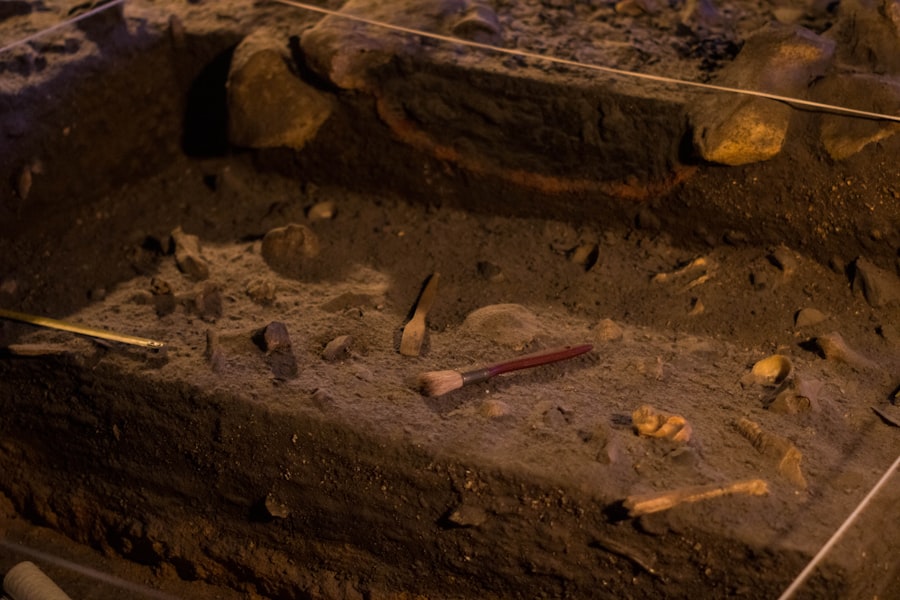
The application of SEM in archaeology is vast and ever-expanding, with numerous case studies demonstrating its transformative impact across various sub-disciplines and geographical regions. These examples highlight how SEM provides crucial, often irrefutable, evidence that shapes our understanding of past human endeavors.
Unraveling the Mysteries of Early Metallurgy
The advent of metallurgy marked a significant leap in human technological capabilities. SEM analysis has been instrumental in understanding the early stages of metalworking.
The Earliest Copper Smelting and Alloying
SEM-EDX has been used to analyze slag inclusions in early copper artifacts and smelting sites. These inclusions, remnants of the smelting process, can reveal the types of ores used, the temperatures achieved, and the fluxes employed. The analysis of early bronze artifacts has helped pinpoint the origins of tin sources and the development of sophisticated alloying techniques. For instance, the identification of specific impurity profiles in alloy beads can trace them back to particular mineable ore deposits.
Investigating Ironworking Technologies
The transition to ironworking presented a new set of technological challenges. SEM can examine the microstructure of early iron artifacts, revealing the processes of carburization, forging, and quenching. The presence of martensitic structures, for example, indicates heat treatment, a sign of advanced metallurgical knowledge. Analysis of bloomery iron, a characteristic of early iron production, can show slag inclusions and the imperfect fusion of iron particles, providing evidence of the rudimentary furnace technologies used.
Illuminating Prehistoric Technologies and Practices
Beyond metallurgy, SEM has shed light on the ingenuity of prehistoric toolmakers and resource users.
The Microwear Analysis of Lithic Tools
Microwear analysis, a sub-discipline of lithic analysis, uses SEM to examine the microscopic polish and striations on the working edges of stone tools. This allows archaeologists to infer the specific materials the tools were used to process, such as wood, bone, hide, or plant materials. The patterns of wear can be so distinctive that they can differentiate between cutting, scraping, sawing, or drilling actions. This provides direct evidence of the functional diversity of lithic assemblages and the economic activities of ancient populations.
Understanding Early Agricultural Practices
SEM analysis can provide insights into early agricultural practices. For example, the analysis of plant phytoliths (microscopic silica structures) preserved on tool surfaces or in archaeological sediments can reveal the types of plants being processed or cultivated. SEM can also examine wear patterns on grinding stones that indicate the processing of specific grains or tubers. The presence of specific soil residues on tools can also suggest their use in agricultural contexts, such as digging or tilling.
Deciphering Ancient Arts and Crafts
The artistic achievements of past civilizations are often preserved in materials that benefit immensely from SEM examination.
The Composition of Ancient Pigments and Dyes
As mentioned earlier, SEM is critical for understanding ancient pigments. The identification of minerals like malachite (green), azurite (blue), or cinnabar (red) through elemental analysis, combined with their microscopic morphology, provides insights into the artistic palette. Analysis of organic dyes in textiles or on pottery can reveal coloring agents from plants or insects, offering clues about trade and resource utilization.
Tracing the Manufacturing of Glass and Beads
The production of ancient glass and beads is a complex process that leaves microscopic traces. SEM can reveal the microstructural features of glass, such as the presence of bubbles, flow lines, and crystalline devitrification, which are indicative of the manufacturing process. The elemental composition of glass can also provide information about the raw materials used, such as silica sources, alkalis, and coloring agents. Analysis of faience, an early glazed ceramic material, using SEM can reveal its layered structure and the sintering processes involved.
The Future of SEM in Archaeology
The integration of advanced technologies and computational methods promises to further expand the capabilities and applications of SEM in archaeology. As analytical techniques become more sophisticated and the datasets generated grow larger, the potential for groundbreaking discoveries increases.
Advancements in SEM Technology
New developments in SEM technology are constantly emerging, offering enhanced resolution, improved elemental sensitivity, and greater analytical flexibility. Techniques like Focused Ion Beam (FIB) milling can be coupled with SEM to allow for cross-sectional analysis of artifacts in situ, revealing internal structures without the need for destructive sampling. Further refinements in detector technology are improving the speed and accuracy of elemental analysis, allowing for more comprehensive compositional datasets to be acquired in less time.
Integration with Other Analytical Techniques
The power of SEM is often amplified when combined with other analytical techniques. For instance, correlating SEM data with information obtained from X-ray Diffraction (XRD) for crystallographic analysis, or Fourier Transform Infrared Spectroscopy (FTIR) for molecular identification of organic residues, can provide a more holistic understanding of an artifact’s composition and history.
Big Data and Computational Archaeology
The increasing volume of SEM data generated is paving the way for the application of big data analytics and machine learning in archaeology. By building large databases of SEM analyses from various sites and time periods, researchers can develop algorithms to identify patterns, classify materials, and even predict the provenance of artifacts more efficiently. This computational approach has the potential to accelerate discovery and reveal connections that might be missed through manual analysis alone.
Non-Destructive and In-Situ Analysis
A growing area of interest is the development of mobile or in-situ SEM systems that can perform analysis directly at archaeological sites. While still in its early stages, the potential for on-site analysis to guide excavation strategies, identify significant finds rapidly, and minimize the need for transporting fragile samples is immense. This approach holds particular promise for analyzing large architectural features or vulnerable in-situ contexts.
In conclusion, Scanning Electron Microscopy has revolutionized archaeological analysis, providing an unparalleled microscopic window into the past. From deciphering the elemental composition of ancient materials and illuminating intricate manufacturing processes to understanding the mechanisms of degradation, SEM offers a rich and nuanced understanding of the artifacts that connect us to our ancestors. As technology continues to advance, the role of SEM in uncovering ancient secrets and reconstructing the complex narratives of human history will undoubtedly continue to grow, promising exciting new discoveries for years to come.

What Heated These Minerals? (The Abu Hureyra Mystery)
FAQs
What is SEM archaeology analysis?
SEM stands for scanning electron microscopy, and in archaeology, it is a technique used to analyze the microstructure and composition of archaeological materials such as pottery, metal artifacts, and stone tools. It allows archaeologists to study the surface of these materials at a very high magnification, providing detailed information about their manufacturing techniques, use-wear patterns, and material composition.
How does SEM archaeology analysis work?
SEM analysis involves using a scanning electron microscope to produce high-resolution images of the surface of archaeological materials. The microscope uses a focused beam of electrons to scan the surface of the sample, and the resulting images can reveal details at the micro and nanoscale. In addition to imaging, SEM analysis can also be used to perform elemental analysis and identify the chemical composition of the materials being studied.
What are the benefits of using SEM in archaeology?
SEM analysis allows archaeologists to study archaeological materials in great detail, providing insights into their production techniques, use, and preservation. It can help researchers identify manufacturing methods, detect traces of ancient use, and understand the composition of materials. This information can contribute to a better understanding of ancient technologies, trade networks, and cultural practices.
What are some examples of SEM analysis in archaeology?
SEM analysis has been used in archaeology to study a wide range of materials, including pottery, metal artifacts, stone tools, and ancient textiles. For example, SEM has been used to analyze the microstructure of pottery to understand firing techniques and identify residues of ancient food and beverages. It has also been used to study the wear patterns on stone tools to infer their use and function.
What are the limitations of SEM archaeology analysis?
While SEM analysis provides detailed information about the surface of archaeological materials, it is a destructive technique that requires the removal of a small sample from the artifact being studied. Additionally, SEM analysis can be time-consuming and expensive, and it requires specialized equipment and expertise. As a result, it may not always be feasible to use SEM analysis on all archaeological materials.