The dust of millennia, once clinging stubbornly to artifacts and geological strata, is slowly yielding its secrets thanks to the remarkable capabilities of X-ray Diffraction (XRD). This powerful analytical technique, often a cornerstone of materials science, has found its niche in the realm of archaeology, offering unprecedented insights into the composition, structure, and provenance of ancient minerals crucial to understanding past human civilizations. For archaeologists, XRD is not merely a tool to identify rocks; it’s a key that unlocks nuanced narratives of trade, technology, resource management, and even belief systems.
At its core, X-ray Diffraction is a non-destructive analytical technique that probes the atomic and molecular structure of crystalline materials. Minerals, by their very nature, are crystalline, possessing an ordered, repeating arrangement of atoms or ions. This ordered structure is the key to their interaction with X-rays. When a beam of X-rays strikes a crystalline sample, these rays are diffracted – scattered – in specific directions by the electron clouds of atoms. The angles at which this diffraction occurs are directly related to the spacing between the atomic planes within the crystal lattice and the wavelength of the X-rays used.
How X-rays Reveal the Crystal’s Identity
The process begins with an X-ray source, typically generating a monochromatic beam of X-rays (meaning all X-rays have the same wavelength). This beam is directed towards the mineral sample. As the X-rays penetrate the sample, they interact with the atoms. If the sample is crystalline, the atoms are arranged in a regular array, creating planes of atoms. According to Bragg’s Law, constructive interference of the scattered X-rays occurs only when the path difference between rays scattered from adjacent atomic planes is an integer multiple of the X-ray wavelength. This phenomenon results in diffracted beams at specific angles.
The Role of Bragg’s Law
Bragg’s Law is the mathematical foundation upon which XRD operates. It is expressed as:
nλ = 2d sinθ
where:
- ‘n’ is an integer representing the order of diffraction.
- ‘λ’ (lambda) is the wavelength of the incident X-rays.
- ‘d’ is the spacing between the crystallographic planes in the mineral.
- ‘θ’ (theta) is the angle of incidence relative to the crystal planes, which is also the angle of diffraction from those planes.
By systematically varying the angle of the incident X-ray beam (‘θ’) and detecting the diffracted beams, an XRD instrument generates a diffraction pattern – a unique fingerprint for each crystalline substance. This pattern consists of a series of peaks at specific diffraction angles (‘2θ’), with varying intensities.
The XRD Instrument: A Glimpse into the Machinery
An archaeological XRD setup comprises several key components. The X-ray generator produces the X-ray beam. The goniometer, a precision instrument, controls the precise angles of the X-ray tube and the detector. The detector then measures the intensity of the diffracted X-rays at each angle. The resulting data is processed by software that compares the observed diffraction pattern to vast databases of known mineral patterns. This comparison allows for the unambiguous identification of the mineral phases present in the archaeological sample.
Diffractometer Configurations and Their Applications in Archaeology
Various diffractometer configurations are employed depending on the nature of the sample and the information required. For archaeological applications, powder diffractometers are most common. In this setup, the sample is typically ground into a fine powder. This ensures that a statistically representative population of crystals is present, with random orientations, leading to the generation of a complete diffraction pattern. Other techniques, like single-crystal XRD, are far more specialized and less commonly applied to bulk archaeological materials due to the difficulty in obtaining suitable single crystals.
X-ray diffraction (XRD) is a powerful technique used in archaeology to analyze minerals and understand the composition of ancient artifacts. The insights gained from XRD can reveal information about the materials used by past civilizations, shedding light on their technological advancements and trade practices. For a deeper exploration of how ancient civilizations demonstrated resilience through their innovative use of materials, you can read the article titled “Unbreakable: Ancient Civilization Resilience” at this link.
Unearthing Archaeological Insights: Beyond Simple Mineral Identification
While identifying a mineral as quartz or calcite is a fundamental step, the true power of XRD in archaeology lies in its ability to extract much deeper narratives from these seemingly simple substances. The crystalline structure encodes information about the mineral’s formation conditions, its history of transformation, and its interactions with its environment and human activity.
Determining Mineral Composition and Structure
The primary output of an XRD analysis is the identification of the crystalline phases present in a sample. This goes beyond simply stating “it’s a rock.” For instance, identifying the specific carbonate minerals in pottery temper can reveal insights into the local geological resources available to the potters. Distinguishing between different polymorphs of the same chemical compound (e.g., a single-crystal XRD study of a gem material) can also be crucial.
The Significance of Polymorphs in Ancient Artifacts
Polymorphs are minerals with the same chemical composition but different crystal structures. For example, carbon can exist as graphite or diamond; iron sulfide can be pyrite or marcasite. The stability of different polymorphs is highly dependent on temperature and pressure. If an archaeologist finds evidence of a polymorph that is only stable under high-temperature conditions, it can suggest the presence of ancient kilns or smelting furnaces, even if no direct architectural remains are found. Conversely, finding a low-temperature polymorph in a context where high temperatures might be expected could indicate a particular process or alteration.
Unraveling Provenance: Tracing the Origins of Materials
One of the most significant contributions of XRD to archaeology is in provenance studies. By analyzing the mineralogical composition of materials like pottery, building stones, pigments, and even metal ores, archaeologists can determine their likely geological source. This is based on the principle that distinct geological formations have unique mineral assemblages.
The ‘Fingerprinting’ of Geological Sources
Each geological region possesses a unique fingerprint defined by the types of minerals present and their relative abundances. If a sample of pottery from a well-established archaeological site exhibits a mineralogical composition that closely matches the local clay deposits, it strongly suggests that the pottery was produced using locally sourced materials. If, however, the mineralogy is significantly different from the local geology, it points to the material being imported from a distant region, thus revealing ancient trade routes and networks.
In the fascinating realm of X-ray diffraction (XRD) in archaeology, the analysis of minerals plays a crucial role in understanding ancient artifacts and their origins. A related article explores the intriguing mysteries of the Piri Reis map, shedding light on how such historical documents can be analyzed using modern techniques. For more insights into this captivating subject, you can read the article here: uncovering the secrets of the Piri Reis map. This intersection of advanced technology and historical research highlights the importance of mineral analysis in piecing together our past.
Analyzing Technological Processes: From Kilns to Metallurgy
The mineral transformations that occur during various ancient technological processes leave tell-tale signs that can be deciphered using XRD. The firing of pottery, the smelting of metals, the production of glass, and the creation of pigments all involve changes in the mineralogy of the raw materials.
The Chemical and Structural Signatures of Firing
When clay is fired, the water molecules are driven off, and the clay minerals undergo dehydration and recrystallization. Different firing temperatures and atmospheres lead to distinct mineralogical transformations. For example, the dehydration of kaolinite ($\text{Al}_2\text{Si}_2\text{O}_5(\text{OH})_4$) can lead to the formation of metakaolinite, and at higher temperatures, mullite ($\text{3Al}_2\text{O}_3 \cdot 2\text{SiO}_2$) may form. By identifying these minerals and their proportions in pottery sherds, archaeologists can estimate the firing temperature of ancient kilns, infer the technological capabilities of the potters, and even understand the type of fuel used.
Metallurgy: Beyond the Metal Itself
In metallurgy, XRD can be used to analyze not only the metal alloys but also the mineral residues associated with smelting and refining. For instance, the presence of specific iron oxides or sulfides in slag can reveal information about the ore used, the smelting temperature, and the efficiency of the smelting process. This provides insights into the technological sophistication of ancient metallurgists.
Applications of XRD in Specific Archaeological Contexts
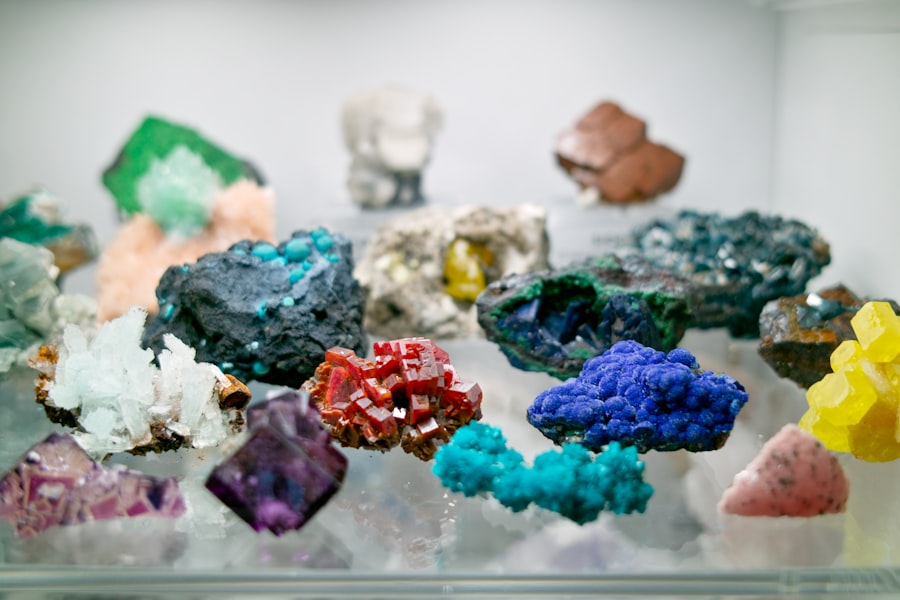
The versatility of XRD allows for its application across a broad spectrum of archaeological materials and research questions. From the humble domestic pot to the elaborate tomb decoration, mineral analysis provides a crucial layer of understanding.
Pottery and Ceramics: A Window into Daily Life and Trade
Pottery is one of the most ubiquitous artifacts found at archaeological sites. XRD analysis of pottery sherds can reveal a wealth of information:
Understanding Temper and Inclusions
The temper added to clay to improve its workability and firing properties often consists of minerals. Identifying the type of temper (e.g., sand, crushed shell, grog) and its mineralogical composition can indicate local resource availability or trade in specific temper materials. For example, the presence of chemically distinct feldspars or mafic minerals in the temper could point to a specific geological source.
Identifying Glazes and Pigments
Ancient glazes on ceramics are complex glassy or crystalline materials. XRD can help identify the crystalline phases within these glazes, providing insights into their composition, firing conditions, and intended aesthetic. Similarly, XRD is invaluable in identifying the mineral pigments used in decoration, such as the tin-based white pigments or copper-containing blues and greens.
Stone Tools and Monumental Architecture: Building a Civilization
The use of stone has been fundamental to human civilization, from the earliest tools to grand architectural structures.
The Mineralogy of Lithic Assemblages
Analyzing the mineral composition of stone tools can help archaeologists understand how specific types of stone were selected and exploited. For example, identifying the presence of flint, obsidian, or basalt, and their precise mineralogical characteristics, can reveal the raw material sources and the extent of stone tool exchange networks. The presence of specific inclusions or alterations within the stone can also indicate the manufacturing processes or post-depositional changes.
Dating and Provenance of Building Materials
For monumental architecture, XRD can be used to identify the mineral composition of the building stones. This information can aid in dating the construction through the identification of specific mineral alteration products or by matching the mineralogy to known geological quarry sites. Understanding the provenance of building materials can also shed light on the economic resources and planning capabilities of ancient societies.
Pigments and Decorative Materials: Art, Ritual, and Identity
From cave paintings to tomb frescoes and decorative inlays, pigments have played a crucial role in human expression and ritual.
Characterizing Ancient Pigment Technologies
XRD is essential for identifying the mineral species used as pigments. For instance, determining whether an ancient blue pigment is primarily Egyptian blue (a calcium copper silicate), azurite, or lapis lazuli requires precise mineralogical analysis. Similarly, identifying the mineral forms of iron oxides (hematite, goethite) used for reds and yellows provides details about their preparation and application.
The Symbolism and Availability of Mineral Pigments
The choice of pigment was often dictated by availability and symbolism. By identifying the pigments and their sources through XRD, archaeologists can gain insights into trade routes, the economic value of certain minerals, and the cultural significance attached to specific colors and materials used in religious or political contexts.
Challenges and Future Directions in Archaeological XRD
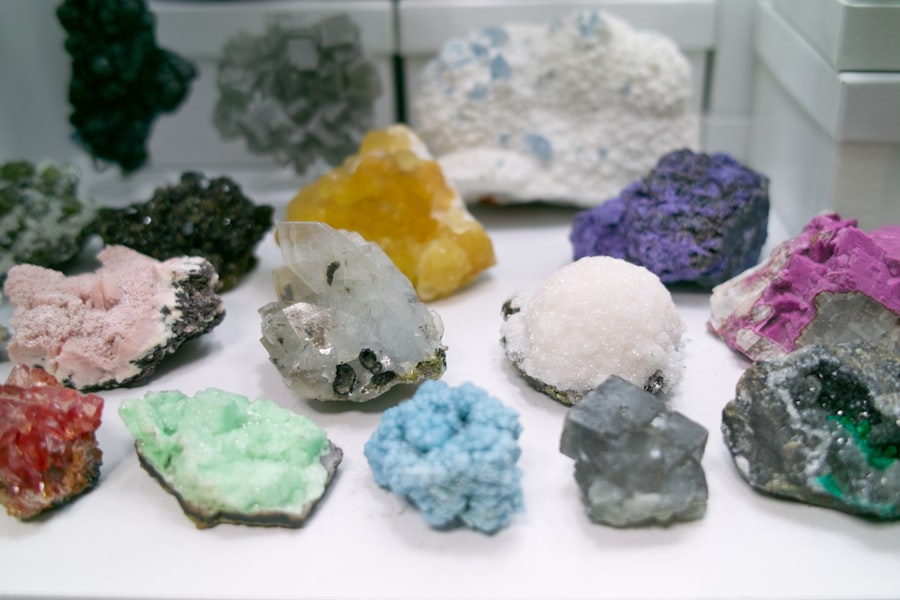
Despite its immense utility, the application of XRD in archaeology is not without its challenges. However, ongoing advancements in instrumentation and analytical techniques are continually expanding its potential.
Sample Preparation and Non-Destructive Analysis
One of the primary considerations in archaeological research is the preservation of artifacts. While XRD is generally considered non-destructive, the traditional method of grinding samples into a fine powder can be problematic for precious or fragile items. This has driven the development of micro-sampling techniques and in-situ XRD capabilities.
Advancements in Miniaturization and Portable XRD
The development of compact, portable XRD instruments has revolutionized fieldwork. These devices allow for on-site analysis of larger artifacts or architectural elements without the need to remove them to a laboratory. This minimizes damage and allows for rapid preliminary identification of materials, guiding further sampling strategies.
Data Interpretation and Complex Mixtures
Archaeological materials are often complex mixtures of multiple mineral phases, amorphous components, and organic residues. Interpreting XRD patterns from such samples can be challenging.
The Power of Rietveld Refinement
Rietveld refinement is a powerful quantitative phase analysis technique that uses the entire diffraction pattern to model the crystal structure of the identified phases. This allows for the determination of the relative abundance of multiple crystalline phases in a sample, providing more detailed quantitative information than simple qualitative identification. This is particularly useful for understanding the precise mineralogical composition of fired ceramics or slags.
Integrating XRD with Other Analytical Techniques
While XRD is incredibly powerful on its own, its insights are often amplified when combined with other analytical methods.
Complementary Techniques for Comprehensive Understanding
Combining XRD with techniques like X-ray Fluorescence (XRF) for elemental analysis, Fourier Transform Infrared Spectroscopy (FTIR) for molecular structure, or Scanning Electron Microscopy (SEM) for microstructural morphology provides a synergistic approach. For example, if XRD identifies the mineral phases in a pigment, XRF can determine the elemental composition, helping to confirm the identity and potential source of the pigment. This multi-analytical approach offers a more complete and robust understanding of the material and its context.
The journey of uncovering ancient secrets through XRD is far from over. As technology continues to advance and archaeologists embrace its potential, the mineralogical tales embedded within artifacts will undoubtedly continue to illuminate the rich tapestry of human history, revealing the ingenuity, resourcefulness, and cultural complexities of our ancestors. XRD, in its quiet precision, has become an indispensable ally in this ongoing quest for knowledge, transforming the way we understand the past by scrutinizing the fundamental building blocks of the materials that have shaped it.

What Heated These Minerals? (The Abu Hureyra Mystery)
FAQs
What is XRD in archaeology?
X-ray diffraction (XRD) is a non-destructive analytical technique used to identify and quantify the crystalline minerals present in archaeological artifacts. It is particularly useful in determining the mineral composition of pottery, stone tools, and other ancient materials.
How does XRD help in archaeology?
XRD helps archaeologists understand the geological sources of raw materials used in ancient artifacts, as well as the manufacturing processes involved. By analyzing the mineral composition, XRD can provide insights into trade networks, technological advancements, and cultural interactions in ancient societies.
What types of minerals can be identified using XRD in archaeology?
XRD can identify a wide range of minerals commonly found in archaeological materials, including quartz, feldspar, calcite, hematite, magnetite, and various clay minerals. This information can help archaeologists trace the origins of raw materials and understand the production techniques used by ancient artisans.
Is XRD analysis destructive to archaeological artifacts?
No, XRD analysis is non-destructive, meaning it does not damage the artifacts being studied. This makes it a valuable tool for archaeologists, as it allows for detailed mineral analysis without harming the integrity of the artifacts.
What are the limitations of XRD in archaeology?
While XRD is a powerful tool for mineral identification, it does have limitations. For example, it cannot provide information about the organic components of archaeological materials, such as ancient food residues or plant fibers. Additionally, XRD analysis requires specialized equipment and expertise, which may not be readily available in all archaeological settings.