The enduring marvels of ancient civilizations, from the towering pyramids of Egypt to the intricate stonework of Machu Picchu, have long captivated the human imagination. These monumental structures, often built with astonishing precision and scale, raise a fundamental question: how did our ancestors, without the benefit of modern machinery, achieve such feats of engineering and artistry? Uncovering ancient stone cutting techniques is not merely an academic pursuit; it is a journey into the ingenuity, resourcefulness, and deep understanding of natural materials that characterized bygone eras. This exploration delves into the methods employed by ancient peoples to transform raw rock into enduring testaments to their civilization.
The foundation of any ancient stonework project lay in the selection and extraction of suitable stone. The choice of material was not arbitrary; it was dictated by a complex interplay of local availability, desired properties, and the intended use of the final structure.
Local Availability and Resource Management
Ancient builders were inherently pragmatic. The sheer logistical challenge of transporting massive stone blocks meant that quarries were almost always located in close proximity to the construction site. This dictated the types of stone that defined regional architectural styles. For instance, the limestone that forms the backbone of Egyptian pyramids was quarried directly on the Giza plateau, minimizing the arduous task of overland transport. Similarly, the granite used in many of the freestanding obelisks and sarcophagi required quarries located along the Nile River, facilitating their movement downstream.
The concept of resource management extended beyond mere proximity. Ancient communities understood the geological formations in their areas and how to best exploit them. This often involved a deep, generational knowledge of rock strata, fault lines, and variations in stone quality. They understood which layers were more dense, which were more prone to fracture, and which possessed the desired aesthetic qualities for monumental construction.
Stone Properties and Their Influence on Technique
Different stones exhibit vastly different properties, and these were critical considerations for ancient stonecutters.
Hardness and Durability
The hardness of a stone, measured on scales like the Mohs scale, directly influenced the tools and techniques required for its working. Soft stones like sandstone and limestone could be shaped relatively easily with harder stone tools, often made from materials like dolerite or quartzite. Conversely, working with harder stones like granite or basalt demanded more sophisticated methods and greater effort. The remarkable precision found in granite sarcophagi, for example, hints at sophisticated techniques for tackling such resistant materials.
Grain and Cleavage
The internal structure of a stone, its grain, and its natural cleavage planes, also played a significant role. Stones with pronounced cleavage, like slate, could be split relatively cleanly along these lines, producing flat slabs with minimal cutting. The direction of the grain also influenced how a stone would respond to percussive force or abrasion. Understanding these internal characteristics allowed ancient artisans to work with the stone’s natural tendencies rather than against them, maximizing efficiency and minimizing waste.
Aggregate and Binding Properties
For stones used in rubble masonry or as aggregate in concrete-like materials, their aggregate and binding properties were paramount. Workers needed to understand how different aggregate sizes would interlock and how the binding agents, such as lime or bitumen, would create a cohesive and durable matrix. This knowledge was crucial for the construction of foundations, walls, and early forms of concrete used in Roman aqueducts and structures.
Ancient stone cutting techniques have long fascinated historians and archaeologists, shedding light on the remarkable skills of early civilizations. For those interested in exploring the connections between ancient navigation and stonework, a related article delves into the intriguing Piri Reis map and its implications for understanding historical maritime routes. You can read more about this fascinating topic in the article available at Exploring the Piri Reis Map and Columbus.
The Toolkit of Antiquity: Simple Tools, Profound Impact
The sophistication of ancient stone cutting lay not in complex machinery, but in the ingenious application of simple tools and principles. Without the benefit of iron or steel in many early periods, builders relied on materials readily available and honed their skills over millennia.
Percussive Tools: The Hammer and the Mallet
The most fundamental stone cutting tools were percussive. Hammers, ranging in size from small handheld tools to massive mauls, were used to chip away at stone. These were often made from exceptionally hard materials.
Hard Stone Hammers and Mauls
For softer stones, hammers and mauls crafted from materials like dolerite, quartzite, or even hardened wood were employed. These tools would be used to rough out the basic shape of blocks, remove large chunks, and prepare surfaces for finer work. The repetitive impact would gradually fracture and dislodge smaller pieces of stone. The sheer force required to shape large monuments like the colossal statues of Easter Island or the megalithic structures of Stonehenge suggests the use of very large and heavy percussive tools, likely swung by multiple individuals.
Metal Chisels and Punches (Later Development)
As metallurgy advanced, metal chisels and punches, initially made from copper and bronze, and later from iron, revolutionized stone cutting. These harder, more precisely shaped tools allowed for a finer level of control, enabling the creation of sharper edges, more intricate carvings, and smoother finishes. The use of bronze or iron chisels is evident in the finer details of Greek and Roman sculptures and architectural elements. The efficiency gained from these tools cannot be overstated, allowing for faster and more precise removal of material.
Abrasive Techniques: Grinding and Sawing Stone
While percussive force could break and shape stone, achieving smooth surfaces and making precise cuts often relied on abrasive techniques. This involved using harder materials to grind away softer stone, often in conjunction with water, which acted as a lubricant and to carry away debris.
Sand and Water Abrasion
A common method involved using sand, particularly coarse-grained sand, as an abrasive agent. Sand mixed with water would be applied to the stone surface, and then hard tools or even other stones would be used to grind the sand into the target material. This process could be slow but was effective in smoothing rough surfaces and achieving a level finish. Evidence of this technique can be seen in the polished surfaces of many ancient artifacts.
Abrasive Saws and Drills
The development of saws and drills that utilized abrasive materials represented a significant leap forward. For sawing, strips of wood, bone, or even copper would be impregnated with abrasive grit like sand or emery powder. As the tool was moved back and forth, the grit would cut into the stone. This method, while time-consuming, allowed for the creation of remarkably straight and precise cuts, even in relatively hard stones. Similarly, drills incorporating abrasive paste could be used to create holes, essential for dowels, lifting points, and decorative elements. The existence of perfectly circular holes in ancient megaliths, sometimes attributed to advanced technologies, can be explained by careful and persistent application of these abrasive drilling techniques.
The Role of Water in Abrasion
Water was not merely a lubricant; it was crucial in the mechanics of abrasive cutting. It helped to keep the abrasive particles active, preventing them from becoming dull and ineffective. Furthermore, it washed away the pulverized stone dust, allowing the abrasive action to continue unimpeded. The efficient use of water, often channeled and directed, was a key aspect of optimizing abrasive stone cutting.
Shaping and Finishing: From Rough Block to Masterpiece

Once the rough blocks were extracted and roughly shaped, the focus shifted to refining their forms and achieving the desired finish. This stage involved a range of techniques that required considerable skill, patience, and an intimate understanding of the stone’s texture.
Carving and Sculpting: The Art of Removal
Carving involves the subtractive process of removing material to reveal a desired form. This could range from the creation of simple geometric shapes to the intricate details of bas-reliefs and free-standing sculptures.
Fine Chiseling and Gouging
For detailed work, finer chisels and gouges were essential. These tools, often made of bronze or iron, allowed artisans to meticulously remove small chips of stone, defining delicate features, subtle curves, and intricate patterns. The precision achieved in ancient sculptures, such as the anatomical accuracy of Greek statues or the expressive faces of Roman emperors, speaks volumes about the mastery of these tools.
Surface Textures and Treatments
Beyond literal shaping, ancient artisans employed various techniques to impart specific surface textures to their stonework. This could involve creating polished surfaces, textured finishes, or even intentionally roughening surfaces for aesthetic effect or as a preparation for decorative elements like paint. The range of finishes from a mirror-like polish on certain Egyptian sarcophagi to the deliberately rough-hewn appearance of some megalithic structures reflects a deliberate artistic choice and a command of finishing techniques.
Polishing and Smoothing: Achieving a Luminous Finish
The creation of highly polished stone surfaces was a hallmark of many ancient civilizations. This process, while seemingly straightforward, was labor-intensive and required specific materials and techniques.
Progressive Abrasives
Achieving a high polish typically involved a sequence of increasingly fine abrasive materials. Starting with coarser abrasives to smooth out tool marks, artisans would then move to finer sands, powders, and potentially even polishing stones like felt or leather impregnated with fine abrasive dust. Each stage would progressively refine the surface, removing microscopic scratches and creating a smoother, more reflective finish.
The Role of Natural Abrasives
The search for effective polishing agents was constant. Beyond sand, materials like emery (a granular form of corundum), pumice, and even finely ground plant matter were likely employed, depending on local availability and the specific stone being worked. The selection of the right abrasive was critical for achieving the desired level of polish without damaging the stone.
Incising and Engraving: Delicate Details on Hard Surfaces
For inscriptions, decorative borders, or intricate patterns, ancient artisans employed techniques for incising and engraving into the stone. This allowed for fine detail work that would be difficult or impossible to achieve through broader carving methods.
Diamond-Pointed Tools (Speculative)
While direct archaeological evidence for diamond tools in many ancient cultures is scarce, some scholars speculate about their use, particularly for engraving harder stones. Diamonds, being the hardest known natural material, would have been ideal for scratching and incising into even the most resistant rock. However, the rarity and difficulty of acquiring and shaping diamonds would have made their widespread use unlikely for general construction. More likely, very hard stone or metal tools, carefully shaped and used with abrasive pastes, were the primary means for such detailed work.
Creating Intaglio and Relief Textures
Incising could create intaglio designs (depressions within the stone) or shallow relief elements. These techniques were crucial for producing legible hieroglyphs, decorative motifs, and symbolic imagery that adorned many ancient structures. The longevity of these inscriptions, even after millennia of exposure, speaks to the skill and care with which they were executed.
Advanced Techniques and Ingenuity: Beyond the Basics
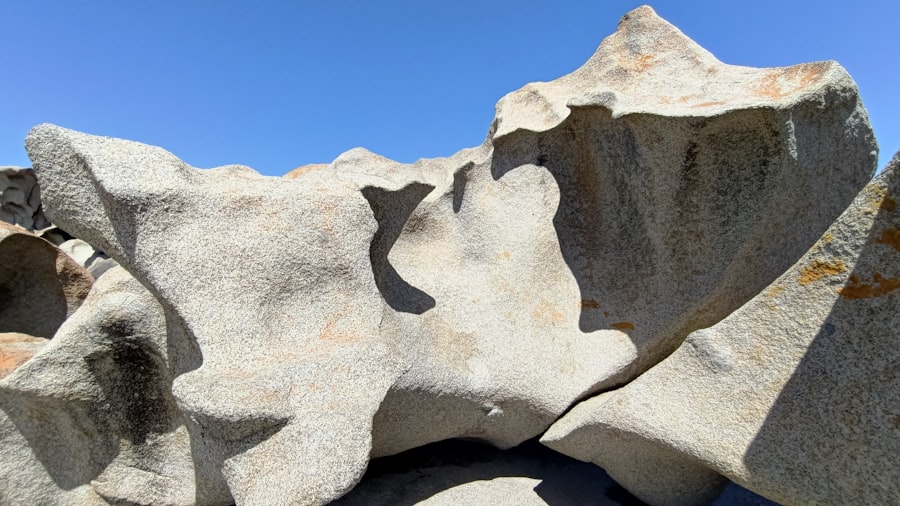
While many stone cutting techniques relied on fundamental principles, certain ancient societies developed sophisticated methods that pushed the boundaries of what was thought possible with limited technology.
Precision Fitting and Jointing: The Seamless Illusion
The construction of many ancient monuments, particularly those made from massive, precisely cut blocks, suggests an extraordinary level of precision in their fitting and jointing.
The Concept of the Ashlar Masonry
Ashlar masonry, where finely dressed stone blocks are laid in regular courses and with minimal mortar, is a testament to this precision. The surfaces of these blocks were often worked to such a fine tolerance that they fit together almost seamlessly, creating an illusion of solid rock. This required not only accurate cutting but also a deep understanding of how to level and plumb large blocks.
Interlocking and Dovetail Joints
In some instances, builders employed interlocking or dovetail joints to further stabilize their constructions. These were complex cuts made into the stone that allowed blocks to fit together like puzzle pieces, providing significant structural integrity without the need for extensive mortar. The creation of such joints would have demanded incredibly precise sawing and chiseling.
The “Unfinished” Mysteries: Evidence of Advanced Tooling?
Certain ancient sites feature perfectly straight, seemingly bored holes, or precisely cut channels that have fueled speculation about the use of advanced tools. While often explained by persistent application of known techniques, these instances continue to intrigue researchers.
Precisely Drilled Holes
The perfectly circular holes found in some megalithic sites, sometimes attributed to advanced drilling technology, can often be replicated using tubular drills with abrasive paste, albeit with immense time and effort. The key is the consistent application of pressure and rotation, allowing the abrasive to gradually bore through the stone.
String-Sawing and Lapping
The technique of string-sawing, where a flexible cord or saw, impregnated with abrasive particles, is moved back and forth to cut through stone, is a plausible explanation for some of the precise cuts observed. Similarly, lapping involves rubbing a surface with an abrasive material to achieve a high degree of flatness and smoothness. The seemingly “impossible” cuts are often achievable through the relentless application of these abrasive principles.
The Role of Measurement and Layout
Underpinning all these techniques was a sophisticated understanding of geometry, measurement, and layout. Ancient builders possessed the ability to orient structures with astonishing accuracy, lay out precise angles, and ensure that massive blocks were placed in their intended positions.
Simple Measuring Devices
Evidence suggests the use of simple measuring tools like ropes, plumb bobs, and sighting instruments. These, combined with an understanding of basic geometry and perhaps even astronomical observations, allowed for the creation of complex designs and the accurate placement of every stone. The precision in the layout of the pyramids, for example, is remarkable and points to a well-developed system of surveying and planning.
Understanding of Angles and Leveling
Achieving level surfaces and precise angles in large-scale construction required skillful use of plumb bobs and sighting tools. The ability to transfer measurements and angles from a plan to the physical site was a crucial skill that ancient masons possessed in abundance. The intricate interplay of angles and alignments in many ancient temples and observatories highlights this mastery.
Ancient stone cutting techniques have fascinated historians and archaeologists for centuries, revealing the ingenuity of early civilizations. These methods, which often involved the use of simple tools and a deep understanding of the materials, played a crucial role in the construction of monumental structures. For a deeper exploration of the implications of such ancient practices, you might find this article on the risks of commercialization in various fields intriguing. It highlights how modern advancements can sometimes overshadow traditional techniques, much like the way ancient stone cutting has been overshadowed by contemporary construction methods. You can read more about it here.
Legacy and Modern Interpretation: Relearning the Past
| Technique | Description | Advantages | Disadvantages |
|---|---|---|---|
| Hammer and Chisel | This technique involves using a hammer and chisel to manually chip away at the stone to create desired shapes and patterns. | Allows for precise shaping and detailing of the stone. | Time-consuming and labor-intensive. |
| Saws and Blades | Modern saws with diamond blades are used to cut through stone with precision and speed. | Efficient and precise cutting. | Requires expensive equipment and maintenance. |
| Drilling and Wedging | Drilling holes into the stone and then inserting wedges to split the stone along natural lines or desired cuts. | Can be used to split large blocks of stone. | Requires skill to control the splitting process. |
The study of ancient stone cutting techniques is an ongoing process, benefiting from archeological discoveries, experimental archaeology, and advances in our understanding of material science.
Experimental Archaeology: Recreating Ancient Methods
A crucial aspect of uncovering these techniques involves experimental archaeology, where modern researchers attempt to replicate ancient methods using period-appropriate tools and materials. These hands-on experiments provide invaluable insights into the feasibility, efficiency, and challenges faced by ancient stonecutters. For example, replicating the cutting of a granite sarcophagus using only stone tools and sand is a painstaking but illuminating endeavor.
The Human Element: Skill, Knowledge, and Labor
Ultimately, the enduring legacy of ancient stone cutting lies not just in the techniques themselves, but in the human element behind them. It represents generations of accumulated knowledge, honed skills, and an immense amount of labor. The ability to organize, motivate, and manage large workforces was as critical as the sharpest chisel or the finest grit.
Enduring Inspiration for Modern Builders
The ingenuity displayed by ancient civilizations in their stone cutting practices continues to inspire awe and wonder. Understanding these methods not only enriches our appreciation for history but also provides a valuable perspective on the power of human innovation and perseverance in the face of technological limitations. The next time one stands before a colossal structure crafted from stone, a deeper understanding of the relentless effort and profound ingenuity that went into its creation will undoubtedly deepen the sense of marvel. The methods may have been simple by modern standards, but their application was nothing short of extraordinary.

The Greatest Technology Humanity Ever Lost
FAQs
What are ancient stone cutting techniques?
Ancient stone cutting techniques refer to the methods and tools used by ancient civilizations to cut and shape stones for various purposes such as construction, sculpture, and monuments.
What tools were used in ancient stone cutting techniques?
Ancient stone cutting techniques involved the use of various tools such as chisels, hammers, saws, and drills made from materials like bronze, copper, and iron. These tools were used to carve, shape, and cut stones with precision.
Which ancient civilizations were known for their advanced stone cutting techniques?
Several ancient civilizations, including the Egyptians, Greeks, Romans, and Incas, were known for their advanced stone cutting techniques. These civilizations developed sophisticated methods for quarrying, shaping, and transporting large stones for construction and artistic purposes.
What are some examples of ancient stone cutting achievements?
Examples of ancient stone cutting achievements include the construction of the pyramids in Egypt, the Parthenon in Greece, the Colosseum in Rome, and the stone temples of the Incas in South America. These structures showcase the remarkable precision and skill of ancient stone cutting techniques.
How do modern experts study ancient stone cutting techniques?
Modern experts study ancient stone cutting techniques through archaeological excavations, analysis of ancient tools and artifacts, experimental archaeology, and the study of historical texts and inscriptions. By combining these methods, researchers can gain insights into the sophisticated techniques used by ancient civilizations to work with stone.