The Eastern Desert of Sudan, a vast and often unforgiving expanse of arid plains, rocky outcrops, and shifting sand dunes, has long been a silent repository of human history. While the iconic pyramids of Meroe and Napata often capture the imagination, the archaeological narrative of this region extends far beyond these monumental structures. Beneath the surface of this seemingly barren land lie secrets of ancient civilizations that thrived, traded, and innovated for millennia. The ongoing work of archaeologists in the Eastern Desert is a testament to the enduring resilience of human presence and the profound interconnectedness of ancient cultures. This exploration delves into the rich archaeological tapestry of this region, highlighting its significance, the challenges faced by researchers, and the remarkable discoveries that continue to illuminate our understanding of the past.
The Rich Tapestry of Sudan’s Eastern Desert
The Eastern Desert of Sudan is not merely a geographical descriptor; it is a region steeped in millennia of human activity. Its strategic location, bordering the Nile River valley to the west and the Red Sea to the east, positioned it as a crucial nexus for trade, communication, and cultural exchange between the African interior and the wider ancient world. This crossroads fostered the development of distinct societies, each leaving behind their unique material culture and historical imprints.
A Crossroads of Ancient Civilizations
The Eastern Desert’s significance as a historical crossroads cannot be overstated. For centuries, it served as a vital artery for overland trade routes connecting the thriving kingdoms of Nubia with Egypt to the north, and the Horn of Africa and beyond to the south. Caravans laden with gold, ivory, incense, slaves, and exotic goods traversed these routes, leaving behind evidence of their passage in the form of ancient settlements, wells, and discarded artifacts. The presence of these trade networks fostered not only economic prosperity but also the diffusion of ideas, technologies, and religious beliefs.
The Influence of the Nile Valley
While the Eastern Desert is a distinct environment, its history is inextricably linked to the life-giving Nile River. The settlements and political centers along the Nile, such as those of the Kushite kingdom, exerted a significant influence on the desert populations. Trade with the desert communities provided valuable resources that underpinned the wealth and power of these Nile-centric states. Conversely, the political stability and organizational capacity of the Nile kingdoms likely facilitated and protected the trade routes that traversed the Eastern Desert.
Connections to the Red Sea and Beyond
The eastern edge of the desert meets the Red Sea, opening up another vital dimension of connectivity. Ports and trading posts along the Red Sea coast facilitated maritime trade with the Arabian Peninsula, the Levant, and even further afield. This access to maritime networks amplified the economic and cultural reach of the Eastern Desert, making it a gateway to both continental and intercontinental exchange. Evidence of foreign goods and influences found in desert sites attests to these extensive connections.
Geological and Environmental Context
Understanding the archaeology of the Eastern Desert necessitates an appreciation of its unique geological and environmental context. The landscape, characterized by rugged mountains, wadis (dry riverbeds), and expansive plains, shaped the settlement patterns, subsistence strategies, and migratory routes of its ancient inhabitants.
The Impact of Aridity
The extreme aridity of the Eastern Desert presented significant challenges for human settlement. Water sources were scarce and often ephemeral, dictating where people could live and how they could subsist. The discovery of ancient wells, cisterns, and evidence of sophisticated water management techniques are crucial insights into the ingenuity of past populations in adapting to this harsh environment. The presence of even small, perennial springs would have been a focal point for settlement and activity.
Mineral Wealth and Resource Extraction
The Eastern Desert is renowned for its rich mineral deposits, particularly gold. The ancient Egyptians and later the Kushites extensively exploited these gold mines, which contributed significantly to their wealth and power. Archaeological evidence, including ancient mining shafts, tools, and processing sites, testifies to the scale and sophistication of these ancient extraction operations. The control and management of these resources were often a key factor in the rise and fall of regional powers.
Recent archaeological discoveries in the Eastern Desert of Sudan have shed light on ancient trade routes and settlements, revealing the region’s significance in connecting various civilizations. For a deeper understanding of how such archaeological findings can influence our knowledge of historical geography, you might find this article interesting: NASA to Control Moon’s Water Ice. While it primarily discusses lunar exploration, it draws parallels between the importance of resource management in both terrestrial and extraterrestrial contexts, highlighting how ancient practices can inform modern scientific endeavors.
Early Inhabitants and Their Legacy
The history of human occupation in the Eastern Desert stretches back into prehistory, with evidence of early hunter-gatherer societies who navigated the challenging terrain and exploited its limited resources. These early inhabitants laid the groundwork for later, more complex societies.
Prehistoric Hunter-Gatherer Sites
Archaeological surveys have uncovered numerous prehistoric sites in the Eastern Desert, revealing the presence of early hominins and later hunter-gatherer groups. These sites often yield stone tools, rock art, and evidence of animal exploitation. The study of these remains provides crucial insights into early human adaptation to arid environments and the development of tool-making technologies.
The Paleolithic and Mesolithic Periods
Evidence from the Paleolithic and Mesolithic periods suggests that early human populations utilized the wadis and oases as sources of water and game. The rock art found in some desert caves and shelters offers a window into their symbolic world, depicting animals, human figures, and abstract patterns. These artistic expressions are among the earliest forms of cultural communication found in the region.
Early Pastoralism and the Transition to Sedentary Life
As the climate fluctuated, some groups in the Eastern Desert began to incorporate domestic animals into their subsistence strategies, marking a transition towards early pastoralism. This shift may have allowed for greater mobility and the exploitation of wider territories. Evidence of early sedentary settlements, often located near reliable water sources, points to a gradual move away from purely nomadic lifestyles for some communities.
The Rise of Kingdoms and Their Desert Frontiers
The Eastern Desert played a significant role in the development and expansion of the powerful Nubian kingdoms, most notably the Kingdom of Kush. These kingdoms established control over the desert’s resources and its trade routes, integrating its populations into their broader political and economic systems.
The Kingdom of Kush and its Desert Influence
The Kingdom of Kush, with its capital at Napata and later Meroe, extended its influence deep into the Eastern Desert. The Kushites recognized the strategic importance of the desert, both for its mineral wealth and for its role in overland trade. They established garrisons, administrative centers, and fortifications to secure these vital networks.
Meroitic Period Fortifications and Settlements
The Meroitic period (roughly 300 BCE to 300 CE) saw a significant Kushite presence in the Eastern Desert. Numerous Meroitic forts, settlements, and religious structures have been identified. These sites indicate a well-organized administration and a conscious effort to control and tax the trade passing through the region. Examples include sites along the Wadi Muqadam, which served as important arteries of movement.
The Gold Mines of Kush
The Meroitic rulers heavily relied on the gold extracted from the Eastern Desert to finance their kingdom and trade with other powers. Archaeological investigations have uncovered extensive ancient mining operations, revealing sophisticated techniques for extracting and processing gold. The scale of these operations speaks to the economic importance of this region to the Kushite state.
Interactions with Neighboring Powers
The Eastern Desert also served as a buffer zone and a point of interaction between the Kushite kingdom and its northern neighbor, Egypt, and later with the Roman Empire. Control over the desert’s trade routes and resources was a constant source of potential conflict and diplomatic engagement.
Egyptian and Roman Influence
During periods of Egyptian dominance or strong influence, the Eastern Desert often fell under Egyptian control or was incorporated into its spheres of influence. Similarly, during the Roman period, there were instances of Roman interaction with the desert peoples, often related to trade and the security of their eastern frontiers. Evidence of Roman artifacts, though rarer, can be found in some desert sites.
Nomadic Tribes and Their Role
The Eastern Desert was also home to various nomadic and semi-nomadic tribes who maintained a degree of autonomy. These tribes played a crucial role in facilitating or hindering trade, acting as guides, and sometimes as raiders. Understanding their interactions with the more settled kingdoms is vital for a complete picture of the region’s history.
Archaeological Exploration: Challenges and Triumphs
The archaeological exploration of the Eastern Desert of Sudan is a challenging endeavor, marked by difficult terrain, extreme climatic conditions, and limited resources. However, the dedication of archaeologists has led to numerous significant discoveries.
Navigating a Harsh Environment
The sheer scale and remoteness of the Eastern Desert present considerable logistical hurdles for archaeological expeditions. Researchers must contend with extreme temperatures, sandstorms, and a lack of potable water. Access to many sites is difficult, often requiring specialized vehicles and extensive planning for supplies and safety.
Logistics and Transportation
Establishing base camps and transporting equipment and personnel across vast distances are major undertakings. The reliance on four-wheel-drive vehicles, and sometimes even camels, highlights the unique challenges of working in this environment. Communication can also be a significant issue in remote areas.
The Importance of Survey and Remote Sensing
Given the vastness of the desert, extensive archaeological surveys are crucial for identifying potential sites. Techniques such as aerial photography and satellite imagery, along with ground-penetrating radar, have become invaluable tools for mapping ancient landscapes and detecting buried features without extensive excavation.
Methodologies and Discoveries
Archaeologists employ a range of methodologies to uncover and interpret the evidence left behind by ancient inhabitants. These methods, from painstaking excavation to meticulous artifact analysis, have yielded remarkable insights.
Excavation and Artifact Analysis
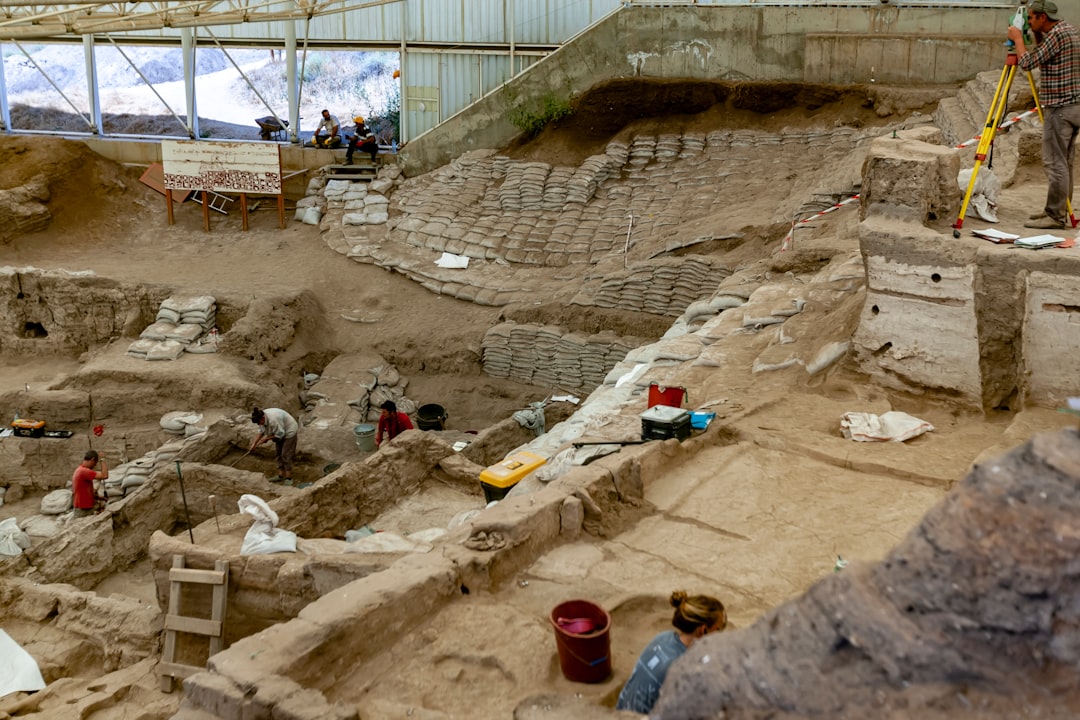
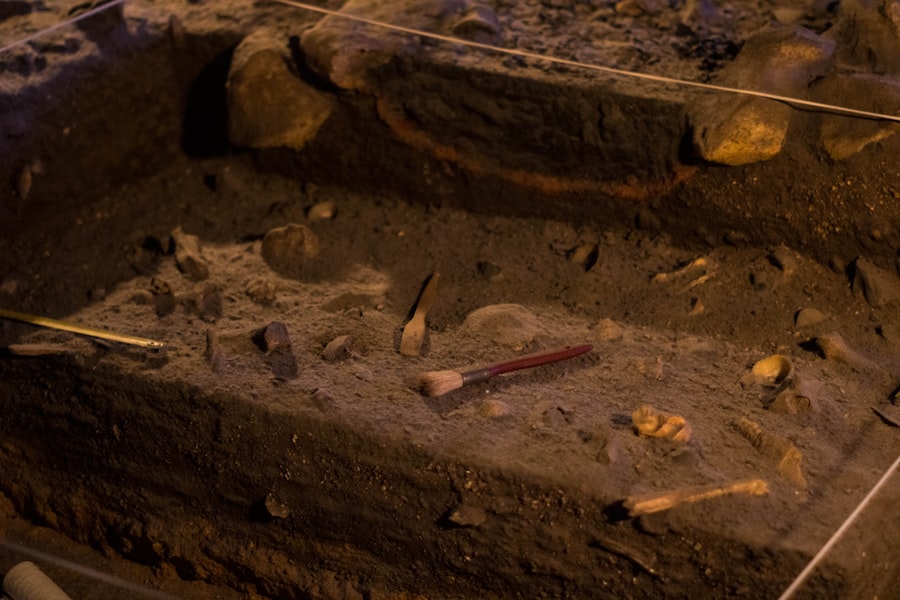
When sites are identified, careful excavation begins. Archaeologists meticulously document stratigraphy, recover artifacts, and collect environmental samples. The analysis of pottery, tools, skeletal remains, and architectural features provides vital clues about the daily lives, economic activities, and cultural practices of past populations.
Rock Art and Epigraphy
The rock art found in the Eastern Desert is a particularly valuable source of information, offering insights into prehistoric belief systems, animal husbandry, and social interactions. Similarly, any epigraphic evidence, such as inscriptions on stelae or tomb walls, can provide direct textual information about rulers, events, and religious practices.
Notable Discoveries and Their Significance
Over the years, archaeological work in the Eastern Desert has brought to light a wealth of information. These discoveries have reshaped our understanding of Nubian history and its connections to the wider ancient world.
Rediscovering Lost Cities and Settlements
Archaeological surveys have led to the rediscovery of numerous ancient settlements and fortifications that were previously unknown or forgotten. These sites often provide evidence of previously undocumented periods of occupation or reveal the extent of state control over peripheral regions.
Unearthing Trade Networks and Economic Activity
The discovery of specific types of pottery, beads, and other imported goods at desert sites provides tangible evidence of extensive trade networks. The identification of ancient mines and processing sites confirms the economic importance of the region for its mineral wealth, particularly gold.
Recent discoveries in Eastern Desert Sudan archaeology have shed light on the ancient trade routes that once flourished in this arid region. Researchers have unearthed artifacts that suggest a complex network of interactions between various cultures, highlighting the significance of this area in historical commerce. For those interested in understanding the broader implications of economic systems throughout history, a related article discusses the potential future of the US dollar and its impact on global trade. You can read more about this intriguing topic here.
The Future of Eastern Desert Archaeology
The archaeological exploration of Sudan’s Eastern Desert is far from complete. New technologies, improved survey methods, and a growing international interest promise further revelations about this captivating region.
Emerging Technologies and Techniques
The application of new technologies, such as advanced remote sensing, drone-based photogrammetry, and DNA analysis of ancient remains, is revolutionizing archaeological research. These tools allow for more detailed mapping, precise dating, and a deeper understanding of human biology and migration patterns.
Digital Archaeology and Data Management
The increasing reliance on digital tools for data recording, analysis, and visualization is transforming archaeological practice. Creating comprehensive digital archives of sites and artifacts ensures the long-term preservation of this invaluable information and facilitates wider collaboration among researchers.
Paleoenvironmental Reconstruction
Advanced techniques in paleoenvironmental reconstruction, utilizing pollen analysis, sediment cores, and isotopic analysis, are helping archaeologists to understand past climatic conditions and their impact on human settlement and resource availability. This is crucial for interpreting the long-term patterns of human adaptation in the desert.
Collaboration and Preservation
Future archaeological endeavors will likely emphasize increased collaboration between Sudanese and international researchers, alongside a strong focus on the preservation of cultural heritage.
International Cooperation and Capacity Building
Fostering strong partnerships between Sudanese archaeologists and their international colleagues is essential for advancing research and ensuring the responsible stewardship of cultural heritage. This includes training opportunities for young Sudanese archaeologists and the joint development of research projects.
Cultural Heritage Management and Tourism Potential
The archaeological sites of the Eastern Desert hold immense cultural heritage value and possess significant potential for heritage tourism. Developing sustainable tourism strategies that benefit local communities and contribute to the preservation of these sites is a key priority.
Conclusion: A Desert of Untold Stories
The Eastern Desert of Sudan, once perceived as an empty frontier, is now recognized as a landscape rich with the echoes of human ingenuity and resilience. The ongoing work of archaeologists is steadily piecing together the complex narrative of its ancient inhabitants – from the earliest hunter-gatherers adapting to its challenges, to the powerful kingdoms that harnessed its resources and controlled its vital trade routes. Each unearthed artifact, each rediscovered settlement, and each deciphered inscription adds another vital chapter to our understanding of this fascinating region. As new technologies emerge and collaborative efforts strengthen, the desert promises to yield even more untold stories, further illuminating the interconnectedness of ancient civilizations and the enduring legacy of human endeavor in even the most formidable environments. The Eastern Desert of Sudan is not just a geographical area; it is a living testament to the depth and breadth of human history, waiting patiently for its secrets to be fully revealed.

260 Ancient Graves Were Hiding in This “Empty” Desert
FAQs
What is the Eastern Desert Sudan archaeology?
The Eastern Desert Sudan archaeology refers to the study and exploration of the archaeological sites and artifacts found in the Eastern Desert region of Sudan. This area is known for its rich history and ancient civilizations, making it an important area for archaeological research.
What are some of the key findings in the Eastern Desert Sudan archaeology?
Some of the key findings in the Eastern Desert Sudan archaeology include ancient rock art, inscriptions, mining sites, and evidence of ancient trade routes. These findings provide valuable insights into the history, culture, and economic activities of the ancient civilizations that once inhabited the region.
What are the main research goals of Eastern Desert Sudan archaeology?
The main research goals of Eastern Desert Sudan archaeology include understanding the ancient societies that lived in the region, their interactions with neighboring civilizations, their economic activities such as mining and trade, and the cultural and religious practices of these ancient peoples.
Who conducts research in the field of Eastern Desert Sudan archaeology?
Research in the field of Eastern Desert Sudan archaeology is conducted by archaeologists, historians, and researchers from various institutions and organizations, including universities, research centers, and government agencies. These experts work together to uncover and interpret the rich archaeological heritage of the region.
What are the implications of Eastern Desert Sudan archaeology?
The implications of Eastern Desert Sudan archaeology are significant, as they contribute to our understanding of ancient civilizations, their interactions, and the development of human societies. This research also helps to preserve and protect the cultural heritage of the region for future generations.