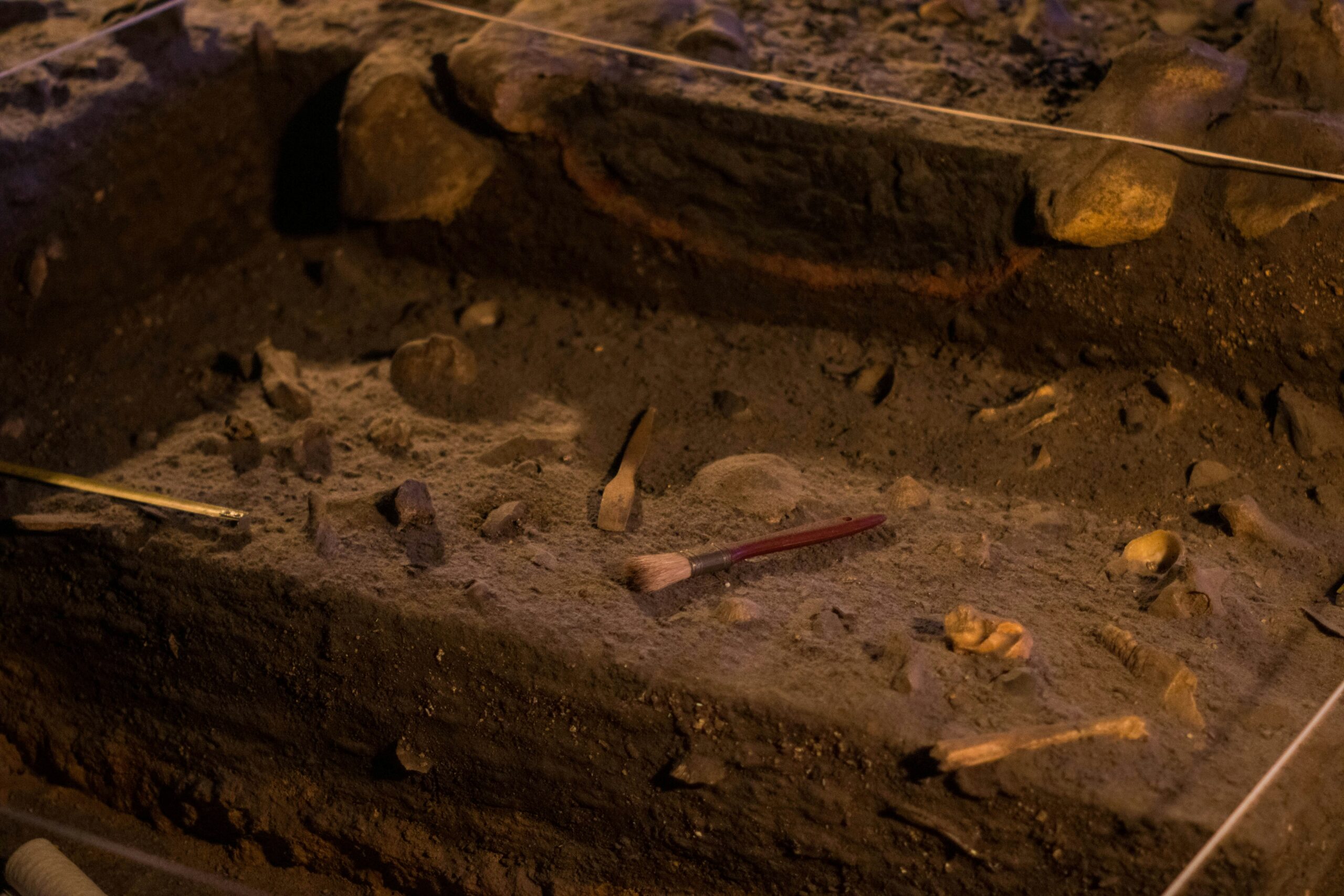
The sun-drenched shores and sapphire waters of the Mediterranean have long held secrets, whispers of civilizations that shaped the course of human history. For millennia, these ancient peoples – the Egyptians, Greeks, Romans, Phoenicians, and countless others – left behind a legacy etched in stone, clay, and metal. Mediterranean archaeology, a vibrant and multidisciplinary field, dedicates itself to piecing together these fragments of the past, unearthing not just artifacts, but the very essence of human endeavor, innovation, and belief. It is a journey of discovery that constantly rewrites our understanding of who we are by illuminating who we once were.
The Mediterranean basin, with its fertile lands and accessible waterways, served as a natural incubator for early human settlements. From the emergence of agriculture in the Fertile Crescent to the seafaring prowess of the earliest mariners, the region witnessed a cascade of transformative developments that laid the groundwork for complex societies. Archaeological investigations across the Mediterranean have meticulously charted the trajectory of these nascent communities, revealing their social structures, technological advancements, and expanding networks of interaction.
Neolithic Revolution on the Islands
The transition from nomadic hunter-gatherer lifestyles to settled agriculture, the Neolithic Revolution, profoundly reshaped human societies. In the Mediterranean, islands like Crete, Cyprus, and Malta played crucial roles in this transformation. Archaeological sites such as Catalhoyuk (though technically in Anatolia, its influence extended to the Aegean) and early settlements in neolithic Greece showcase evidence of cultivated crops, domesticated animals, and the construction of permanent dwellings. These early farmers not only sustained themselves but also began to develop surplus food, a critical step towards specialization and the eventual rise of urban centers.
- Early Farming Communities: Excavations reveal the types of crops cultivated, such as wheat and barley, and the presence of domesticated livestock like sheep and goats. The development of tools for farming, such as polished stone axes and sickles, provides tangible evidence of these new practices. The scale of these early settlements, often characterized by clustered houses, suggests a growing sense of community and shared responsibility.
- Emergence of Pottery and Craftsmanship: The invention and widespread adoption of pottery mark a significant technological leap. Archaeologists have unearthed early ceramic vessels used for storage, cooking, and transport. The decorative styles and techniques employed in these ceramics offer insights into the aesthetic sensibilities and cultural identities of these early peoples. Beyond pottery, evidence of weaving, bead-making, and other crafts further illustrates the burgeoning artisanal skills of Neolithic communities.
- Island Colonization and Adaptation: The settlement of islands presented unique challenges and opportunities. Archaeologists study the strategies employed by these early colonists, including their seafaring capabilities and their adaptation to island ecosystems. The distinct cultural trajectories observed on different islands, despite their proximity, highlight the importance of local environmental conditions and innovation.
The Dawn of Bronze Age Societies
The Bronze Age, a period characterized by the widespread use of bronze – an alloy of copper and tin – ushered in an era of increased technological sophistication and social complexity. In the Mediterranean, this era witnessed the rise of powerful maritime cultures and the establishment of extensive trade networks. Minoan Crete, Mycenaean Greece, and the Cycladic civilization are prime examples of Bronze Age societies that left an indelible mark on the region’s archaeological landscape.
- Minoan Civilization: Palaces and Artistry: The discovery of the Minoan civilization on Crete, with its magnificent palace complexes at Knossos and Phaistos, revolutionized our understanding of early European societies. Archaeologists have unearthed exquisite frescoes depicting vibrant scenes of daily life, religious rituals, and marine life, showcasing a sophisticated artistic tradition. The Linear A script, yet to be fully deciphered, hints at a complex administrative system and a unique written language. The extensive trade networks facilitated by the Minoans, evidenced by their artifacts found across the Aegean and beyond, underscore their dominance in maritime commerce.
- Mycenaean Civilization: Warriors and Trade: In mainland Greece, the Mycenaeans emerged as a formidable power during the Late Bronze Age. Their fortified citadels, such as Mycenae, Tiryns, and Pylos, protected by massive “Cyclopean” walls, speak to a martial society. Linear B, a script deciphered as an early form of Greek, provides valuable written records detailing economic activities, religious practices, and military organization. The discovery of richly furnished tholos tombs, like the “Treasury of Atreus,” filled with golden artifacts and weaponry, highlights the wealth and status of Mycenaean rulers.
- Cycladic Culture: Idols and Seafaring: The Cycladic islands, situated in the Aegean Sea, are renowned for their distinctive marble figurines. These abstract, stylized sculptures, often depicting nude female forms, have captivated art historians and archaeologists alike. The advanced seafaring capabilities of the Cycladic peoples are evident in their strategic island locations and the presence of their artifacts in far-flung trading centers, suggesting their integral role in Bronze Age maritime trade routes.
Mediterranean archaeology has long been a field of interest for researchers exploring ancient civilizations and their interactions with the environment. A related article that delves into the innovative uses of natural resources can be found at Exploiting Lunar Resources: The Commercial Frontier, which discusses how ancient practices of resource management can inform modern approaches to sustainability and exploration. This connection highlights the importance of understanding historical contexts in the study of both terrestrial and extraterrestrial resources.
Crossroads of Empires: The Classical World and Beyond
As the Bronze Age waned,new powers rose and fell, shaping the geopolitical and cultural landscape of the Mediterranean. The Classical period, encompassing the Greek city-states and the mighty Roman Republic and Empire, represents a zenith of cultural, intellectual, and political achievement. Archaeology of this era provides a window into the sophisticated urban planning, monumental architecture, philosophical and scientific advancements, and the complex social and political machinations that defined these transformative centuries.
The Golden Age of Greece: Polis and Philosophy
The emergence of the Greek polis, or city-state, was a pivotal development in Western civilization. Archaeologists have meticulously studied the urban fabric of cities like Athens, Corinth, and Sparta, revealing their public spaces, residential areas, and defensive fortifications. The intellectual ferment of the Classical period, marked by the contributions of philosophers, playwrights, and artists, is also documented through the remnants of their institutions and their artistic creations.
- Athenian Democracy and the Acropolis: The archaeological remains of Athens, particularly the Acropolis with its iconic Parthenon, Erechtheion, and Propylaea, stand as enduring symbols of Classical Greek achievement. Excavations of the Agora, the central marketplace and civic center, have revealed the physical manifestation of Athenian democracy, with its stoas, temples, and public buildings where citizens debated and made decisions. The meticulous reconstruction of these structures allows us to visualize the bustling heart of a city that shaped Western political thought.
- Sanctuaries and Religious Practices: The Greek world was deeply religious, and archaeological sites across the mainland and islands reveal numerous sanctuaries dedicated to various gods and goddesses. Sites like Delphi, Olympia, and Epidaurus were not only centers of religious worship but also important gathering places for athletic competitions, musical performances, and theatrical festivals. The votive offerings found at these sites, ranging from pottery to bronze sculptures, shed light on the nature of Greek piety and their relationship with the divine.
- Colonial Expansion and Hellenistic Influence: Greek city-states established colonies throughout the Mediterranean and Black Sea regions, spreading their culture, language, and political ideas. Archaeological evidence from these colonies, such as in Sicily, Southern Italy (Magna Graecia), and North Africa, showcases the adoption and adaptation of Greek customs by local populations. The later Hellenistic period, following the conquests of Alexander the Great, saw the further diffusion of Greek culture across a vast empire, with new cities founded and existing ones transformed, all leaving their archaeologically observable traces.
The Roman Empire: Engineering and Expansion
The rise of Rome from a small city-state to a vast empire is a testament to its military prowess, administrative genius, and remarkable engineering capabilities. Roman archaeology is a treasure trove of information about their military camps, public infrastructure, monumental architecture, and daily lives. From the Forum Romanum in the heart of the city to the far-flung provinces, the footprint of Roman civilization is undeniable and extensively documented through archaeological investigation.
- Urban Planning and Infrastructure: Roman cities were characterized by grid-like street plans, elaborate sewer systems, aqueducts, public baths, and arenas. Archaeological excavations of cities like Pompeii and Herculaneum, perfectly preserved by the eruption of Mount Vesuvius, offer unparalleled insights into domestic life, urban organization, and the daily routines of ordinary Romans. Sites like Leptis Magna in Libya and Ephesus in Turkey showcase the Roman imposition of their urban models on conquered territories, demonstrating the scale and impact of their empire.
- Military Fortifications and Legions: The Roman military was the engine of its expansion. Archaeological discoveries of Roman forts, legionary camps, and frontier defenses, such as Hadrian’s Wall in Britain and the Limes Germanicus along the Rhine, reveal the logistical might and strategic planning of the Roman army. Artifacts like weapons, armor, pottery, and personal effects found at these sites provide intimate glimpses into the lives of soldiers stationed in diverse and often harsh environments.
- Art, Religion, and Society: Roman art, heavily influenced by Greek traditions, flourished across the empire, with mosaics, sculptures, and frescoes adorning public buildings and private villas. Religious practices were diverse, encompassing the traditional Roman pantheon, as well as imported cults and philosophies from across the empire. Archaeological evidence from temples, household shrines, and burial sites allows us to reconstruct the complex religious landscape and social hierarchies of Roman society. The widespread dissemination of Latin and Roman law, leaving behind inscriptions and legal texts, further solidifies their enduring legacy.
Maritime Civilizations and Trade Networks

The Mediterranean Sea, far from being a barrier, has always been a vibrant highway connecting peoples and cultures. Maritime civilizations played a crucial role in the development of trade, the exchange of ideas, and the diffusion of technologies. Phoenicians, Greeks, Romans, and later, the maritime republics of Italy, all left their mark on the seafaring history of the region, and archaeology continues to uncover the evidence of their voyages and their interactions.
The Phoenician Seafarers: Navigators of the Ancient World
The Phoenicians, originating from the Levant coast, were renowned for their exceptional seafaring skills, their establishment of far-flung trading colonies, and their contribution to the alphabet. Archaeological discoveries, particularly shipwrecks and the remnants of their coastal settlements like Carthage, provide invaluable insights into their maritime technology, their trade routes, and their influence across the Mediterranean.
- Shipwrecks and Maritime Technology: The excavation of ancient shipwrecks, such as the Uluburun shipwreck off the coast of Turkey, has revolutionized our understanding of Bronze Age maritime trade and shipbuilding. These submerged vessels reveal the construction techniques, cargo, and navigational tools of ancient mariners. Archaeological studies of Phoenician harbors and ports, like those at Tyre and Byblos, further illuminate their infrastructure for shipbuilding and trade.
- Trade Routes and Economic Exchange: Phoenician trade extended from the Levant to the Atlantic coast of Africa and into the Iberian Peninsula. Archaeological finds of Phoenician artifacts, such as purple-dyed textiles, glass, and metalwork, in distant locations attest to the reach and sophistication of their trade networks. The discovery of their silver mines in places like Sardinia and Spain speaks to the economic drivers of their expansion.
- The Alphabet and Cultural Diffusion: The Phoenician alphabet, a phonetic script, was a revolutionary invention that was adopted and adapted by many cultures, including the Greeks. Archaeological inscriptions in Phoenician, found across their sphere of influence, demonstrate the spread of this crucial system of writing, which laid the foundation for many modern alphabets.
The Rise of Maritime Republics: Venice and Genoa
Later centuries saw the rise of powerful maritime republics, most notably Venice and Genoa, which dominated Mediterranean trade for centuries. Their wealth and influence were built upon extensive trade networks, naval power, and sophisticated commercial practices. Archaeological investigations of their bustling ports, their merchant fleets, and their opulent palaces provide tangible evidence of their economic dominance and their cultural achievements.
- Venetian Trade Dominance: Venice, strategically positioned at the head of the Adriatic, became a nexus of trade between Europe and the East. Archaeological research in the Venetian Lagoon, at its shipyards (Arsenal), and in its former trading outposts across the Eastern Mediterranean continues to reveal the scale of its commercial empire. Finding Venetian coins, pottery, and manufactured goods in distant lands confirms their far-reaching economic influence.
- Genoese Empire and Navigation: Genoa, another Italian maritime republic, competed fiercely with Venice for control of trade routes. Archaeological evidence from their ports, their trading colonies in the Black Sea and beyond, and their impressive fleet of galleys testifies to their ambition and their success in navigating and dominating the Mediterranean maritime landscape.
- Port Cities and Urban Development: The development of these port cities was intrinsically linked to their maritime activities. Archaeological studies of their urban planning, their warehousing facilities, their public markets, and the residences of their wealthy merchants paint a vivid picture of these bustling centers of commerce and cultural exchange.
Underwater Archaeology: Unveiling Submerged Histories

The Mediterranean Sea, a watery grave for countless ships and submerged settlements, offers a unique and challenging frontier for archaeologists. Underwater archaeology dives into this largely unexplored realm, retrieving invaluable artifacts and invaluable data that illuminate maritime history, ancient trade, and lost civilizations. The preservation conditions underwater, often protected from the elements, can lead to astonishingly well-preserved discoveries.
Sunken Treasures: Shipwrecks as Time Capsules
Shipwrecks are perhaps the most dramatic discoveries in underwater archaeology. These submerged vessels, from ancient Greek merchantmen to Roman warships and medieval galleys, serve as time capsules, preserving their cargo, their construction, and often the remains of their crews. These discoveries provide unparalleled insights into shipbuilding techniques, trade routes, and the lives of those who plied the seas.
- Bronze Age and Classical Wrecks: Discoveries like the Kyrenia ship (Cyprus) and the Madrague de Giens wreck (France), dating from the Classical period, have revealed meticulous details about their construction and cargo, including amphorae containing wine, oil, and grain. These findings offer precise dating for archaeological layers and provide crucial information about trade patterns and economic activities of the time.
- Roman Merchant Vessels: The Mediterranean is littered with the remains of Roman merchant ships, testament to the vast Roman trade network. Excavations of wrecks like those found off the coast of Sicily and in the waters of Croatia have yielded immense quantities of amphorae, ceramics, and other goods, allowing archaeologists to map Roman trade routes and understand the commodities that fueled the empire.
- Medieval and Later Shipwrecks: The legacy of Mediterranean maritime activity continues with the discovery of medieval and later shipwrecks, offering insights into the evolution of shipbuilding, naval warfare, and the changing patterns of trade that continued to shape the region.
Submerged Cities and Settlements
Beyond shipwrecks, entire settlements have been lost to the sea due to seismic activity, rising sea levels, or the erosion of coastlines. Underwater archaeology brings these submerged landscapes back to light, revealing lost urban centers, ancient harbors, and evidence of human habitation that predates current sea levels.
- Phoenician and Punic Harbors: Cities like Sidon and Tyre in Lebanon, and Carthage in Tunisia, were vital Phoenician and Punic centers. Underwater surveys have uncovered the remains of their ancient harbors, breakwaters, and quays, providing evidence of their sophisticated maritime infrastructure and the scale of their seafaring operations.
- Greek and Roman Coastal Sites: Numerous Greek and Roman coastal settlements have also succumbed to the sea. Sites like Baiae in Italy, a Roman resort town, and Pavlopetri in Greece, one of the oldest known submerged cities, offer unique opportunities to study urban planning, architecture, and daily life in communities now hidden beneath the waves. The preservation of structures in these submerged sites is sometimes remarkably good, allowing for detailed mapping and study.
- Paleolithic and Neolithic Shorelines: Even earlier human settlements were located along ancient coastlines that are now submerged. Archaeological dives in these areas, though challenging, can uncover evidence of Paleolithic and Neolithic human activity, pushing back the timeline of human habitation in the Mediterranean and revealing how ancient peoples interacted with the changing environment.
Mediterranean archaeology continues to unveil fascinating insights into ancient civilizations, and a recent article explores the militarization of the Moon’s south pole, drawing intriguing parallels between terrestrial and extraterrestrial exploration. This piece highlights how the strategies employed in ancient Mediterranean societies can inform our understanding of modern endeavors in space. For those interested in the intersection of history and contemporary issues, the article can be found here.
Enduring Legacy: The Impact of Mediterranean Archaeology
| Site | Excavation Period | Discoveries |
|---|---|---|
| Olympia, Greece | 1875-1881 | Ancient stadium, temples, and statues |
| Pompeii, Italy | 1748-present | Well-preserved Roman city, artifacts, and frescoes |
| Troy, Turkey | 1870s-1890s | City walls, houses, and treasure |
The work of Mediterranean archaeologists is not merely an academic pursuit; it profoundly impacts our understanding of human history, cultural evolution, and our place in the world. The discoveries unearthed from its shores and beneath its waters inform our present and guide our future by revealing the enduring patterns of human behavior, the triumphs of human ingenuity, and the lessons learned from past civilizations.
Rewriting History: New Discoveries and Interpretations
Every significant archaeological find has the potential to challenge existing historical narratives and spark new interpretations. The decipherment of ancient scripts, the unearthing of previously unknown civilizations, and the re-evaluation of known sites based on new evidence constantly refine our understanding of the past. From understanding the origins of writing to charting the spread of early religions, Mediterranean archaeology is a dynamic field that continuously rewrites the history books.
- Deciphering Lost Languages: The decipherment of Linear B, revealing an early form of Greek, and the ongoing efforts to understand Linear A, represent significant breakthroughs in unlocking the secrets of ancient societies. The ability to read ancient texts provides direct access to their thoughts, beliefs, and societal structures, offering a depth of understanding that artifacts alone cannot provide.
- Uncovering Unknown Civilizations: The discovery of civilizations like the Minoans and the Hittites (though Anatolian, with significant Mediterranean influence) fundamentally altered our understanding of the Bronze Age. Archaeological evidence has shown that complex societies existed much earlier and in more diverse forms than previously imagined.
- Challenging Existing Paradigms: New discoveries often force a re-evaluation of established theories. For example, the evidence of extensive trade and cultural exchange during the Bronze Age, revealed by archaeological finds, has led to a more nuanced understanding of interconnectedness in the ancient world, moving away from isolated civilization models.
Preserving Our Heritage for Future Generations
The tangible remnants of Mediterranean civilizations are a shared human heritage, fragile and vulnerable to destruction. Archaeology plays a crucial role in documenting, preserving, and protecting these sites and artifacts for future generations. This involves not only excavation but also conservation, restoration, and the implementation of effective heritage management strategies.
- Conservation and Restoration Efforts: Archaeologists and conservationists work tirelessly to stabilize and preserve fragile artifacts and ancient structures. Techniques range from the meticulous cleaning and consolidation of pottery shards to the structural reinforcement of ancient walls and buildings, ensuring their survival for future study and appreciation.
- Cultural Heritage Management and Protection: The recognition of the immense value of these ancient sites has led to the development of national and international efforts to protect archaeological heritage. This includes legislation to prevent looting, the establishment of protected zones, and the promotion of responsible tourism that benefits local communities and respects the integrity of these sites.
- Education and Public Engagement: A vital aspect of archaeology is sharing its findings with the public. Museums, exhibitions, documentaries, and educational programs play a crucial role in fostering an appreciation for ancient history and the importance of archaeological research. By engaging the public, archaeologists inspire a sense of responsibility for the preservation of our shared past.
Mediterranean archaeology continues to be a source of endless fascination and profound discovery. The region’s rich tapestry of cultures, its dramatic landscapes, and the enduring echoes of its past offer a compelling invitation to explore, to learn, and to connect with the threads that bind humanity across time. Each unearthed shard, each deciphered inscription, is a testament to the vibrant and complex story of human civilization, waiting to be further unveiled on the sun-kissed shores and within the deep blue waters of the Mediterranean.

How Volcanic Glass Solved a 10,000-Year-Old Mystery
FAQs
What is Mediterranean archaeology?
Mediterranean archaeology is the study of the ancient civilizations and cultures that once thrived around the Mediterranean Sea. It encompasses the archaeological exploration and analysis of sites, artifacts, and structures from ancient civilizations such as the Greeks, Romans, Egyptians, and Phoenicians.
What are some key archaeological sites in the Mediterranean region?
Some key archaeological sites in the Mediterranean region include Pompeii and Herculaneum in Italy, the Acropolis in Greece, the ancient city of Carthage in Tunisia, the Pyramids of Giza in Egypt, and the ancient city of Ephesus in Turkey.
What are some common artifacts found in Mediterranean archaeology?
Common artifacts found in Mediterranean archaeology include pottery, coins, jewelry, statues, mosaics, architectural remains, and inscriptions. These artifacts provide valuable insights into the daily lives, beliefs, and practices of ancient Mediterranean civilizations.
What are some major research themes in Mediterranean archaeology?
Major research themes in Mediterranean archaeology include trade and commerce, urbanization, religious practices, social organization, technological advancements, and the interactions between different cultures and civilizations in the region.
How does Mediterranean archaeology contribute to our understanding of history?
Mediterranean archaeology contributes to our understanding of history by providing tangible evidence of ancient civilizations, their achievements, and their impact on subsequent cultures. It helps to reconstruct the past, shed light on historical events, and deepen our knowledge of the development of human societies in the Mediterranean region.