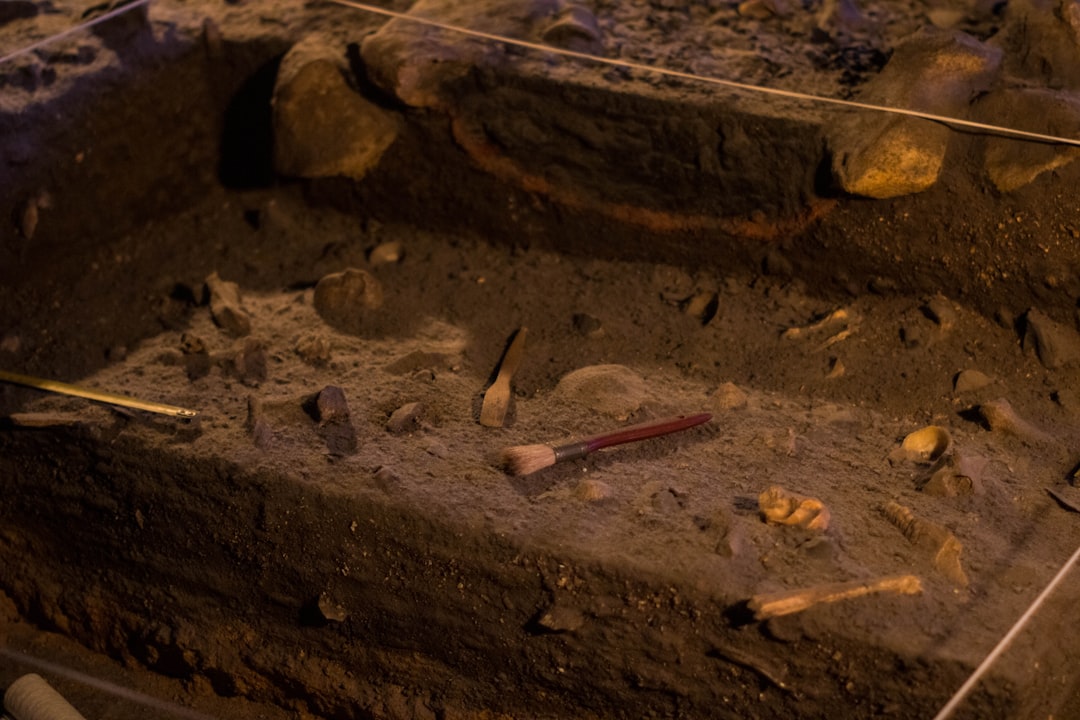
The arid expanse of Wadi Khashab, a place whispered about in local lore and long dismissed as a mere geological feature, has in recent years become the epicenter of a monumental archaeological endeavor. For decades, the wadi’s rugged terrain and the harsh desert sun had kept its secrets buried deep. Yet, under the determined gaze of a dedicated team of archaeologists, this ancient landscape has begun to yield its astonishing past, revealing a civilization whose existence had been largely forgotten by the modern world. The Wadi Khashab Excavation is not merely a dig; it is a profound journey into the bedrock of history, a meticulous process of uncovering layers of time that promise to redefine our understanding of early human settlement and sophisticated societal structures in the region.
The initial stirrings of interest in Wadi Khashab were born not from a grand archaeological blueprint, but from the serendipitous discoveries of local Bedouin tribes. For generations, they had traversed the wadi, their intimate knowledge of the land revealing the occasional shard of pottery or weathered stone tool. These fragments, however, were largely viewed as isolated curiosities, remnants of past nomadic presences rather than indicators of a settled, enduring community. It wasn’t until the early 21st century that a concerted effort began to formalize these observations.
Preliminary Surveys and the Whispers of Potential
A small, interdisciplinary team, comprising archaeologists, geologists, and anthropologists, undertook preliminary surveys of the Wadi Khashab region. Their objective was modest: to assess the potential for undiscovered archaeological sites. Armed with satellite imagery, ground-penetrating radar, and a keen eye for subtle anomalies in the landscape, they began to map the wadi’s contours and identify areas of particular interest. These early expeditions were characterized by long, arduous days under the unforgiving sun, often revealing little more than wind-eroded rock formations and the occasional evidence of ephemeral desert camps. However, it was during these initial forays that subtle, yet significant, patterns began to emerge.
Unconventional Discoveries in an Unlikely Locale
The team noticed an unusual concentration of flint debitage in certain areas, far exceeding what would be expected from transient hunting parties. More compelling were the faint outlines of what appeared to be ancient stone structures, partially obscured by centuries of sand accumulation. These weren’t the haphazard arrangements of nomadic shelters, but rather suggestions of deliberate construction, hinting at a more permanent human presence. The sheer scale of some of these formations, even in their dilapidated state, sparked a growing excitement within the team. The prevailing assumption had been that the harsh desert environment of Wadi Khashab would have been too unforgiving for sustained settlement, a notion that these early findings began to challenge.
The Decision to Dig: Committing to the Unknown
The evidence, though nascent, was compelling enough to warrant a full-scale excavation. The decision was not without its challenges. Funding was scarce, and the logistical complexities of establishing a base camp in such a remote and challenging environment were considerable. Nevertheless, the potential to uncover a lost chapter of human history outweighed the risks. The Wadi Khashab Excavation was officially launched, a bold commitment to unraveling the mysteries held within this ancient desert valley. The initial phase was focused on identifying the most promising locations, often guided by the preliminary survey data and the local knowledge that had been quietly preserved for so long.
Assembling the Expeditionary Force
Assembling the team was a critical first step. It required not only seasoned archaeologists with expertise in regional prehistory but also specialists in various disciplines, including paleoethnobotany, archaeozoology, and material science. The logistical planning involved securing permits, establishing communication networks, and arranging for the transport of essential equipment and supplies. The local Bedouin communities, whose ancestral knowledge of the wadi proved invaluable, were integral to the planning and execution of the early stages, their cooperation a testament to the collaborative spirit that would define the project.
The recent archaeological excavation at Wadi Khashab has unveiled significant findings that shed light on ancient trade routes and cultural exchanges in the region. As researchers continue to analyze the artifacts uncovered, it is essential to consider the broader implications of protecting valuable historical treasures. For insights on safeguarding valuable assets, including gold, against potential government seizure, you can read a related article here: Protecting Your Gold: Safeguarding Against Government Seizure.
The Unveiling of Structures: Foundations of a Forgotten City
The initial excavations at Wadi Khashab were marked by a slow, methodical process of clearing away millennia of sand and debris. What began as scattered artifacts soon coalesced into the tangible outlines of ancient structures, revealing the scale and sophistication of the settlement that had once thrived here. The discovery of substantial stone foundations and architectural features sent ripples of excitement through the archaeological community, suggesting that Wadi Khashab was far more than a temporary encampment; it was a burgeoning center of ancient life.
Unearthing Domestic Spaces: Glimpses into Daily Life
The systematic excavation of residential areas provided the first intimate glimpses into the daily lives of Wadi Khashab’s inhabitants. Dwellings, built from carefully quarried stone and reinforced with mudbrick, were found to be surprisingly well-preserved. The layout of these homes often included distinct areas for sleeping, cooking, and storage, indicating a structured and organized approach to domestic life. The presence of hearths, often found blackened with the soot of countless fires, spoke of communal meals and the warmth of family gatherings.
Discoveries Within Dwellings: Tools, Pottery, and Personal Items
Within these ancient homes, archaeologists unearthed a wealth of artifacts that illuminated the domestic routines of the past. Fragments of pottery, ranging from coarse utilitarian ware to finely crafted vessels, were abundant, offering clues about their culinary practices and artistic sensibilities. Stone tools, including grinding stones, scrapers, and projectile points, spoke of their reliance on the land for sustenance and survival. Personal items, such as carved bone ornaments and beads made from shell and semi-precious stones, hinted at their aesthetic preferences and social customs. The careful placement of these objects within the dwellings often suggested they were left behind intentionally, perhaps as offerings or as part of a ritualistic clearing.
Revealing Communal Structures: The Heart of the Settlement
Beyond the domestic sphere, the excavations uncovered evidence of communal spaces that served as the social and economic hubs of the settlement. The discovery of a large, central plaza, paved with carefully laid stones, suggested a gathering place for public ceremonies, markets, or important meetings. The presence of what appeared to be specialized workshops, indicated by concentrations of tools and raw materials, pointed to organized labor and the production of goods for the community.
Evidence of Early Urban Planning: Organization and Infrastructure
The layout of the excavated structures suggests a degree of urban planning, with clearly defined streets and pathways connecting different parts of the settlement. The presence of rudimentary drainage systems, carved into the bedrock, indicated an understanding of sanitation and resource management. This organized approach to settlement construction challenged previous assumptions about the capabilities of early desert communities, demonstrating a level of foresight and communal effort that was truly remarkable. The sheer scale of some of these communal structures, such as a large, semi-circular building that may have served as a meeting hall or a temple, hinted at a complex social hierarchy and a developed system of governance.
The Artifactual Legacy: Voices from the Past
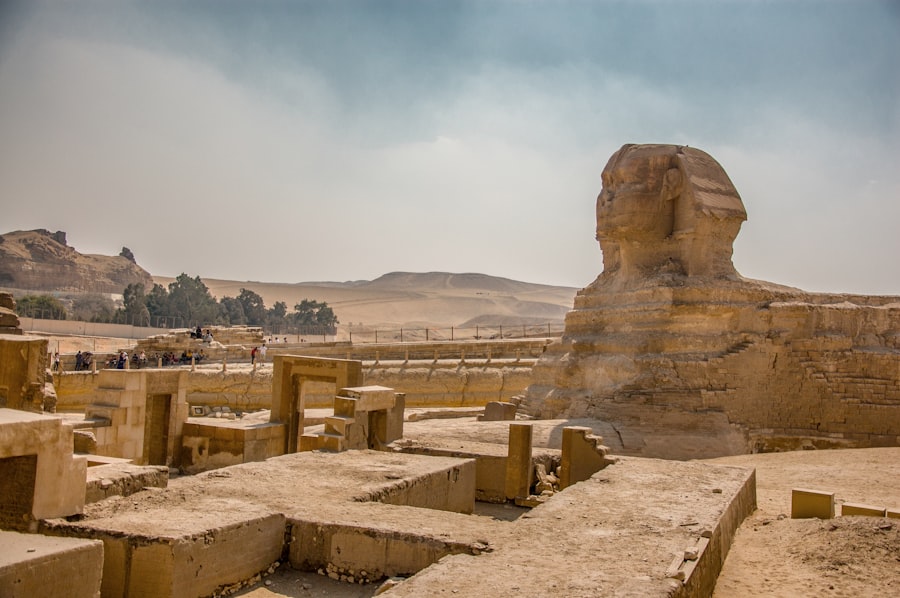
The Wadi Khashab Excavation has yielded an extraordinary array of artifacts, each one a tangible link to the people who once inhabited this now-silent valley. These objects are more than just relics; they are silent storytellers, their forms, materials, and contexts providing crucial insights into the economy, technology, beliefs, and artistic expressions of this ancient civilization. The meticulous excavation and analysis of these artifacts are central to piecing together the narrative of Wadi Khashab.
Ceramic Horizons: Tracing Trade and Culture Through Pottery
The discovery of vast quantities of pottery shards has proven to be one of the most informative aspects of the excavation. The styles, manufacturing techniques, and decorative patterns of the ceramics provide a chronological framework for the site, allowing archaeologists to date different periods of occupation. Furthermore, the presence of pottery made from materials not found locally, or decorated with motifs characteristic of distant regions, strongly suggests established trade networks.
Analyzing Pottery Typologies: Dating and Distribution Patterns
The team has meticulously cataloged and analyzed the various pottery typologies unearthed. This involves categorizing shards based on clay composition, firing techniques, surface treatments, and decorative elements. By comparing these typologies with those found at other known archaeological sites, researchers can establish the relative age of different strata within Wadi Khashab and infer connections with other contemporary cultures. The distribution patterns of specific ceramic types across the site also offer clues about social stratification and economic activities.
Lithic Assemblages: The Ingenuity of Stone Tool Technology
The prevalence of stone tools, particularly flint, underscores the ingenuity and resourcefulness of the Wadi Khashab inhabitants. The discovery of a wide range of tools, from simple choppers and scrapers to more complex blades and projectile points, illustrates their mastery of lithic technology. The analysis of knapping techniques and raw material sourcing provides insights into their hunting strategies, agricultural practices, and artisanal skills.
Identification of Tool Types and Their Functions
Archaeologists have identified numerous tool types, each with a specific function. Hand axes likely served for heavy-duty tasks such as butchering and woodworking. Scrapers, with their sharp edges, were probably used for preparing hides and processing plant materials. Projectile points, found in various shapes and sizes, indicate the use of spears and arrows for hunting. The presence of grinding stones and pestles points to the processing of grains and other foodstuffs. The careful examination of wear patterns on these tools can further reveal their precise applications.
Ornaments and Adornments: Aesthetics and Social Identity
The discovery of personal ornaments and adornments offers a more intimate glimpse into the lives and social identities of the people of Wadi Khashab. Beads made from shell, bone, and semi-precious stones, as well as carved pendants and bracelets, reveal their appreciation for beauty and their desire for self-adornment. The materials used and the craftsmanship involved can also provide clues about social status and access to trade networks.
Symbolism and Social Stratification: Interpreting Personal Artifacts
The symbolism embedded in these ornaments, if decipherable, could offer insights into their belief systems and cultural practices. The differential distribution of valuable materials and finely crafted items across the site may also indicate social stratification, with certain individuals or groups possessing greater wealth and status. The presence of these personal items in burials further enhances their potential for interpretation, suggesting that they were considered important enough to accompany the deceased into the afterlife.
The Agricultural Heartbeat: Sustaining Life in the Desert
The harsh desert environment of Wadi Khashab would have presented significant challenges for sustaining a settled population. However, the archaeological evidence reveals a remarkably sophisticated understanding of agriculture and resource management, demonstrating how these ancient people not only survived but thrived in this arid landscape. Their ingenuity in harnessing water and cultivating crops was key to their long-term success.
Water Management Systems: Harnessing the Scarce Resource
The most striking evidence of their agricultural prowess lies in their sophisticated water management systems. The excavation has revealed a network of channels, cisterns, and small dams, strategically placed to capture and conserve precious rainfall. These systems demonstrate a deep understanding of the local hydrology and a proactive approach to ensuring a reliable water supply for their crops and livestock.
Irrigation Channels and Terracing: Maximizing Water Use
Archaeologists have meticulously mapped out ancient irrigation channels that would have diverted water from ephemeral wadi streams to cultivated fields. In some areas, evidence of terracing on the wadi slopes has been found, a technique that would have helped to slow down water runoff, retain moisture in the soil, and prevent erosion. These features are testament to a profound knowledge of their environment and a commitment to optimizing their agricultural potential.
Evidence of Cultivated Crops: Diet and Subsistence Strategies
Through the careful analysis of plant remains, including seeds, pollen, and phytoliths, researchers have been able to reconstruct the agricultural practices and diet of the Wadi Khashab inhabitants. The presence of domesticated grains such as wheat and barley, alongside various legumes and fruits, indicates a diversified agricultural base. This allows for a more stable food supply, less susceptible to the vagaries of a single crop.
Paleoethnobotanical Analysis: Reconstructing Ancient Diets
Paleoethnobotanical analysis involves the microscopic examination of plant remains found in archaeological contexts. This scientific discipline has provided invaluable data about the specific crops cultivated and consumed by the people of Wadi Khashab. The identification of these plant species allows archaeologists to understand their primary food sources, their agricultural techniques, and their relationship with the surrounding environment. The presence of certain wild edible plants also suggests a knowledge of foraging strategies, supplementing their cultivated diet.
Animal Husbandry: Complementing the Agricultural System
In addition to agriculture, evidence suggests that animal husbandry played a crucial role in the economy of Wadi Khashab. The excavation of animal bones, along with the discovery of corrals and animal enclosures, indicates the presence of domesticated livestock such as sheep, goats, and possibly cattle. This would have provided a valuable source of protein, dairy products, and materials for textiles and tools.
Identifying Domesticated Species and Their Role in the Economy
Archaeological analysis of animal bone assemblages allows for the identification of domesticated species and their relative abundance. This information helps to understand the importance of animal husbandry within the overall subsistence strategy. The presence of specific animal breeds, and evidence of their management, can also offer insights into their economic organization and their interactions with other communities.
The recent archaeological excavation at Wadi Khashab has unveiled significant findings that shed light on ancient civilizations in the region. For those interested in understanding the broader implications of such discoveries, a related article discusses the importance of securing commercial satellites and defending against cyber attacks, which highlights the intersection of technology and archaeology in preserving our cultural heritage. You can read more about this fascinating topic in the article here.
The Enigmatic Beliefs: Rituals and Spirituality
| Excavation Area | Findings | Period |
|---|---|---|
| Area A | Pottery shards, animal bones | Iron Age |
| Area B | Stone tools, human remains | Bronze Age |
| Area C | Clay figurines, jewelry | Hellenistic period |
While the tangible remains of daily life and agriculture at Wadi Khashab are abundant, the spiritual and ritualistic practices of its inhabitants remain more elusive, shrouded in the mists of time. However, the careful excavation and interpretation of certain sites and artifacts provide tantalizing glimpses into their belief systems and their relationship with the unseen world. These findings suggest a complex spiritual landscape intertwined with their daily existence.
Ritual Spaces: Sites of Ceremony and Devotion
The identification of specific areas that appear to have been dedicated to ritualistic activities is a significant aspect of the excavation. These might include specially constructed platforms, altars, or areas with unusual concentrations of symbolic artifacts. The careful study of the layout and contents of these sites offers clues about their ceremonial practices and their understanding of the divine.
Altars, Offerings, and Symbolic Iconography
The discovery of what appear to be ancient altars, often found with evidence of burnt offerings or deposited artifacts, strongly suggests ritualistic use. The presence of symbolic iconography, whether carved into stone or depicted on pottery, further illuminates their spiritual world. These symbols, though often enigmatic, may represent deities, natural forces, or concepts central to their worldview.
Burial Practices: Insights into the Afterlife
The excavation of ancient burial sites provides a unique window into the beliefs surrounding death and the afterlife. The manner in which individuals were interred, the grave goods that accompanied them, and the location of the burials all contribute to our understanding of their spiritual conceptions. The careful analysis of skeletal remains can also reveal information about their health, diet, and lifestyle.
Grave Goods and Their Significance: What the Dead Took With Them
The objects interred with the deceased, known as grave goods, are often of immense archaeological significance. These items, ranging from personal ornaments to utilitarian tools, suggest what the ancient people believed was necessary or desirable for the journey into the afterlife. The type and quantity of grave goods can also offer clues about the social status of the individual.
Evidence of Potential Religious Structures: Temples and Shrines
In some instances, the scale and architectural complexity of certain structures within Wadi Khashab hint at their potential use as religious or ceremonial centers. A large, well-preserved building with unique architectural features, or an area with a high concentration of votive offerings, might be interpreted as evidence of a temple or shrine. Further analysis and comparison with similar sites are crucial for confirming such interpretations.
Interpreting Architectural Features and Artifactual Associations
The interpretation of potential religious structures relies heavily on the architectural features themselves and the associated artifactual assemblages. The presence of specific motifs, ceremonial artifacts, or evidence of organized ritualistic activity within these structures would lend strong support to their religious function. The context of their discovery within the broader settlement layout is also critical for understanding their role in the community.
The Enduring Legacy of Wadi Khashab: A New Chapter in History
The Wadi Khashab Excavation is far more than just the unearthing of ancient artifacts; it is the meticulous reconstruction of a lost civilization, a testament to human resilience, ingenuity, and the enduring drive to build, create, and connect. The discoveries made within this wadi are rewriting the historical narrative of the region, pushing back the timelines of settled life and revealing a level of sophistication previously unimagined.
Redefining Regional Prehistory: A Paradigm Shift
The findings from Wadi Khashab are forcing a significant reevaluation of established theories regarding early human settlement and societal development in this part of the world. The scale of the settlements, the complexity of their infrastructure, and the evidence of extensive trade networks all point to a more advanced and interconnected society than was previously understood. This discovery is not merely an addition to our knowledge; it is a fundamental shift in our understanding.
Challenging Existing Timelines and Assumptions
The dates derived from radiocarbon dating of materials found at Wadi Khashab are pushing back the established timelines for settled life and complex societal organization in the region. This challenges long-held assumptions about the limitations imposed by the desert environment and the capabilities of early human populations. The excavation is providing concrete evidence that contradicts previous theories.
Implications for Understanding Human Adaptation and Resilience
The story of Wadi Khashab is a powerful narrative of human adaptation and resilience in the face of environmental challenges. The remarkable water management systems, the sophisticated agricultural practices, and the development of a thriving community in a seemingly inhospitable landscape offer valuable lessons about human ingenuity and our ability to overcome obstacles. This resilience is a timeless human trait.
Lessons for Contemporary Resource Management and Sustainability
The ancient techniques employed by the people of Wadi Khashab for managing water and cultivating land in an arid environment offer surprisingly relevant lessons for contemporary resource management and sustainability. By studying their methods, we can gain insights into effective strategies for living in harmony with challenging environments, particularly in the face of climate change. Their success serves as an inspiration.
The Ongoing Narrative: Future Prospects for Wadi Khashab
The Wadi Khashab Excavation is an ongoing endeavor. Each season of digging reveals new layers of history, posing new questions and opening up new avenues of research. The potential for further discoveries remains immense, with large portions of the wadi still unexplored. The collaboration between international archaeologists, local communities, and governmental bodies will be crucial in ensuring the continued protection and study of this invaluable archaeological site.
Continued Research and Preservation Efforts
The commitment to continued research and preservation is paramount. This involves not only further excavation and analysis but also the implementation of robust conservation measures to protect the fragile remains of Wadi Khashab for future generations. The ongoing partnership with local communities is vital for safeguarding the site and fostering a sense of shared heritage. The narrative of Wadi Khashab is still unfolding, and its final chapters promise to be as captivating as its beginnings.

260 Ancient Graves Were Hiding in This “Empty” Desert
FAQs
What is Wadi Khashab archaeological excavation?
Wadi Khashab archaeological excavation is a site located in the Middle East where ongoing archaeological research and excavation is being conducted to uncover ancient artifacts and understand the historical significance of the area.
What is the significance of Wadi Khashab archaeological excavation?
The excavation at Wadi Khashab has revealed evidence of ancient human occupation, including tools, pottery, and other artifacts, shedding light on the prehistoric and ancient history of the region.
Who is conducting the archaeological excavation at Wadi Khashab?
The excavation at Wadi Khashab is being conducted by a team of archaeologists and researchers from various institutions and organizations, including universities and archaeological research centers.
What have been some of the notable findings at Wadi Khashab archaeological excavation?
Some of the notable findings at Wadi Khashab include ancient tools, pottery, and evidence of early human settlement, providing valuable insights into the region’s ancient history and the lifestyles of its early inhabitants.
What are the future plans for Wadi Khashab archaeological excavation?
The future plans for Wadi Khashab archaeological excavation include continued research and excavation to further uncover and understand the historical significance of the site, as well as potential collaborations with other archaeological teams and institutions.