The quest for understanding our planet’s past often leads to surprising discoveries, and few are as profoundly impactful as the uncovering of ancient water reservoirs. These hidden repositories, meticulously crafted by long-gone civilizations, offer a tangible connection to the ingenuity and foresight of our ancestors, and provide invaluable insights into their survival strategies in often arid or unpredictable environments. Far from being simple wells or cisterns, these ancient water management systems were complex feats of engineering, reflecting a deep understanding of hydrology, geology, and the very rhythms of nature. The exploration and study of these reservoirs are not merely academic pursuits; they hold the potential to inform modern water conservation efforts and inspire innovative solutions for contemporary water scarcity challenges.
The presence of readily accessible water has always been the bedrock upon which civilizations are built. From the earliest settlements nestled beside life-giving rivers to sprawling metropolises, water has dictated where people lived, how they farmed, and how their societies developed. Ancient water systems, therefore, are not just about storing water; they are about the very foundations of human civilization and the intricate relationship between humanity and its environment.
Water as the Lifeblood of Ancient Societies
Throughout history, communities have flourished in areas where water was reliably available. The rise and fall of empires were often intrinsically linked to their ability to secure and manage water resources. Civilizations along the Nile, the Tigris and Euphrates, and the Indus River are prime examples of how fertile land, sustained by abundant water, fueled population growth, agricultural surplus, and the development of complex social structures and technologies. Without sophisticated methods of water management, these civilizations would have been impossible.
Ingenuity in the Face of Scarcity
Beyond naturally occurring water sources, ancient peoples developed remarkable ways to collect, store, and distribute water. This ingenuity was often born out of necessity, driven by environments characterized by scarce rainfall, unpredictable monsoons, or prolonged droughts. The development of elaborate irrigation networks, underground cisterns, and intricate aqueducts showcases a profound understanding of natural processes and a determination to overcome environmental limitations. These systems were not accidental; they were the result of careful observation, experimentation, and a deep-seated need for survival.
Beyond Survival: Water for Culture and Society
The importance of water extended beyond practical needs. Water sources often held significant cultural and religious meaning. Sacred springs, ritualistic baths, and the very act of purification through water played vital roles in the spiritual lives and social customs of many ancient societies. The maintenance and protection of these water systems were thus not just an engineering endeavor but also a deeply ingrained societal responsibility, reflecting a holistic approach to resource management that integrated practical needs with cultural values.
Ancient water reservoirs have played a crucial role in the development of early civilizations, providing essential resources for agriculture and sustaining populations. For a deeper understanding of how modern technology intersects with ancient practices, you might find the article on securing satellites and defending deep space assets particularly interesting. It explores the importance of safeguarding our technological advancements, much like ancient societies safeguarded their vital water sources. You can read more about this fascinating topic in the article here: Securing Satellites: Defending Deep Space Assets.
Unearthing the Hidden Reservoirs: Archaeological Marvels
The process of discovering and understanding ancient water reservoirs is a testament to the meticulous work of archaeologists and geologists. These hidden treasures are frequently found beneath the surface, often camouflaged by centuries of sediment, geological shifts, or the passage of time. Their unveiling requires a combination of advanced technology, keen observational skills, and an appreciation for the subtle clues left behind by those who engineered them.
The Role of Geophysical Survey
Modern archaeology heavily relies on non-invasive techniques to explore potential sites before excavation. Geophysical surveys, employing methods like ground-penetrating radar (GPR), magnetometry, and electrical resistivity, can detect anomalies in the subsurface that might indicate the presence of buried structures. GPR, in particular, can create detailed images of underground features, allowing researchers to identify cavities, walls, and changes in soil composition that suggest the existence of reservoirs or related infrastructure.
Stratigraphic Analysis and Earth Observation
Once a potential site is identified, excavation begins. Stratigraphic analysis, the study of the layers of soil and debris, provides crucial information about the sequence of events at a site. Layers of sediment can reveal periods of construction, use, abandonment, and natural deposition. Furthermore, satellite imagery and aerial photography can sometimes reveal subtle surface features, such as changes in vegetation patterns or subtle depressions in the landscape, that hint at the presence of underground water systems.
Understanding Construction Techniques
The discovery of these reservoirs also involves a deep dive into the construction methods employed by ancient peoples. This includes analyzing the materials used – from meticulously cut stone and fired bricks to compacted earth and waterproof plasters – as well as the engineering principles that guided their design. Understanding how they utilized gravity, channeled water flow, and prevented leakage provides invaluable insights into their technical capabilities.
Case Studies: Global Examples of Ancient Water Wonders

The world is dotted with remarkable examples of ancient water reservoirs, each telling a unique story of adaptation and innovation. These sites offer tangible proof of the incredible feats of engineering achieved by our ancestors.
The Sophistication of the Nabataeans in Petra
The rose-red city of Petra, carved into the sandstone cliffs of Jordan, is a prime example of a civilization that mastered water management in an arid environment. The Nabataeans, renowned for their trading empire, developed an intricate system of dams, cisterns, and channels to capture and store precious rainwater.
Harvesting Flash Floods
Petra’s Ingenious Cisterns
The Hydro-Engineering of a Desert Metropolis
Ancient India’s Water Harvesting Prowess
India boasts a rich tradition of water conservation, with ancient texts and archaeological evidence pointing to sophisticated water management systems dating back thousands of years. From elaborate reservoirs to intricate canal networks, these systems were crucial for agriculture and urban life.
Stepwells: Architectural Marvels for Water Access
Underground Tanks and Aqueducts
The Water Management of Mohenjo-Daro and Harappa
Roman Aqueducts: Pillars of an Empire
The Roman Empire is synonymous with its impressive aqueducts, engineering marvels that supplied vast quantities of water to cities and towns. While not strictly reservoirs in the sense of large storage basins, these systems often involved cleverly designed reservoirs and distribution networks that were critical for urban life and public health.
The Science Behind Roman Water Delivery
Storage and Distribution Hubs
The Legacy of Roman Hydrology
The Science and Engineering Behind Ancient Water Reservoirs
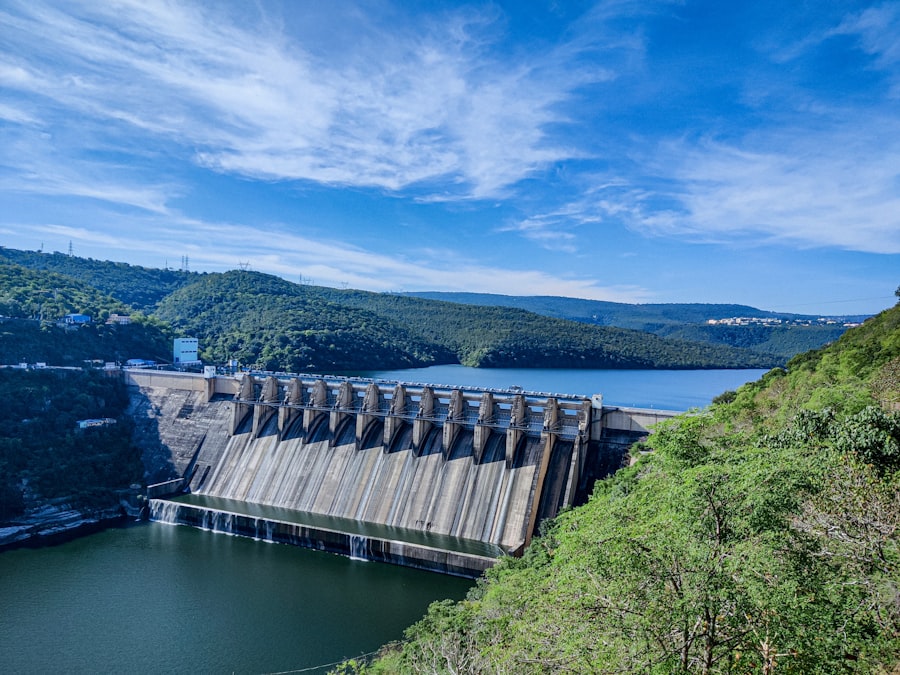
The construction of these ancient water reservoirs was not a matter of brute force; it involved a sophisticated understanding of natural principles and engineering solutions that remain impressive even by today’s standards.
Understanding Hydrogeology
The success of these ancient systems often hinged on a deep, albeit often empirical, understanding of hydrogeology. Builders would have selected sites based on the geological formations, identifying permeable and impermeable layers of rock and soil, and understanding how groundwater flowed.
Site Selection: The Art of Water Finding
Groundwater Dynamics and Surface Water Capture
The Role of Geology in Reservoir Design
Material Science and Construction Techniques
The choice of materials and the methods of construction were critical for the longevity and effectiveness of these reservoirs. Waterproofing, structural integrity, and resistance to erosion were paramount concerns.
Waterproofing Techniques: Plasters and Linings
Structural Integrity and Load Bearing
Durability Through Material Selection
Gravity and Flow Control
Many ancient water systems relied on the power of gravity to move water. This required a precise understanding of gradients and the careful construction of channels, pipes, and spillways to control the flow and prevent flooding.
The Principle of Gravity Flow
Designing Channels and Aqueducts
Spillways and Overflow Systems
Ancient water reservoirs have played a crucial role in the development of civilizations, particularly in arid regions where water scarcity is a significant challenge. These reservoirs not only provided essential water supply for agriculture and daily life but also served as a testament to the engineering prowess of ancient societies. For a deeper understanding of how resource management impacts contemporary conflicts, you can explore the article on the ongoing struggles in Sudan, which highlights the importance of water resources in the region’s stability. To read more about this topic, visit this article.
Modern Relevance and Future Implications
| Reservoir Name | Location | Capacity | Construction Material |
|---|---|---|---|
| Qanat Fir’aun | Jericho, West Bank | Unknown | Stone and plaster |
| Stepwell of Chand Baori | Abhaneri, India | 3,500,000 liters | Stone |
| Great Bath of Mohenjo-daro | Mohenjo-daro, Pakistan | Unknown | Brick and tar |
The study of ancient water reservoirs is far from a purely historical endeavor. The knowledge gleaned from these ancient systems offers profound lessons and potential solutions for the water challenges we face today.
Inspiration for Sustainable Water Management
In an era of increasing water scarcity due to climate change and growing populations, the ingenuity of ancient water management systems provides a powerful source of inspiration. Their emphasis on conservation, efficient distribution, and often decentralized systems can inform modern strategies.
Mimicking Ancient Conservation Methods
Decentralized Water Solutions
The Wisdom of Small-Scale Infrastructure
Technological Advancements Informed by the Past
The archaeological study of these reservoirs can also spark new technological advancements. Understanding the principles behind their enduring construction can lead to the development of more sustainable and resilient modern water infrastructure.
Biomimicry in Water Engineering
Advanced Materials Inspired by Ancient Techniques
Sustainable Infrastructure Design
Preserving Our Water Heritage
The preservation of these ancient water systems is not just about protecting historical sites; it is about safeguarding invaluable knowledge for future generations. As these sites face threats from development, neglect, and environmental degradation, concerted efforts are needed to document, conserve, and learn from them.
Challenges in Preservation
The Importance of Documentation and Research
Educating Future Generations
The world’s ancient water reservoirs stand as silent, yet eloquent, testaments to the enduring human spirit of innovation and our profound dependence on water. By delving into their secrets, we not only uncover the past but also illuminate pathways to a more water-secure future. The intricate designs, the careful calculations, and the sheer determination of our ancestors to harness this vital resource continue to resonate, offering a timeless blueprint for survival and prosperity in a world that will always flow with the rhythm of water.

The Machine That Kept Angkor Alive
FAQs
What are ancient water reservoirs?
Ancient water reservoirs are man-made structures designed to collect and store water for various purposes, such as irrigation, drinking water, and industrial use. These reservoirs were built by ancient civilizations using various construction techniques and materials.
Where were ancient water reservoirs built?
Ancient water reservoirs were built in various locations around the world, including ancient Mesopotamia, Egypt, Greece, Rome, and other civilizations. They were often constructed in areas where water was scarce or where seasonal fluctuations in water availability occurred.
How were ancient water reservoirs constructed?
Ancient water reservoirs were constructed using a variety of materials and techniques, depending on the resources available to the civilization building them. Some reservoirs were built using stone masonry, while others were constructed using earthen embankments or a combination of both. The design and construction of these reservoirs often required advanced engineering and architectural skills.
What were ancient water reservoirs used for?
Ancient water reservoirs were used for a variety of purposes, including providing a reliable water supply for agriculture, supporting urban populations, and facilitating trade and transportation. They also played a crucial role in the development and sustainability of ancient civilizations.
What is the significance of ancient water reservoirs?
Ancient water reservoirs are significant because they demonstrate the ingenuity and advanced engineering capabilities of ancient civilizations. They also highlight the importance of water management in sustaining human settlements and supporting agricultural and economic activities. Studying ancient water reservoirs can provide valuable insights into the history of water management and its impact on ancient societies.