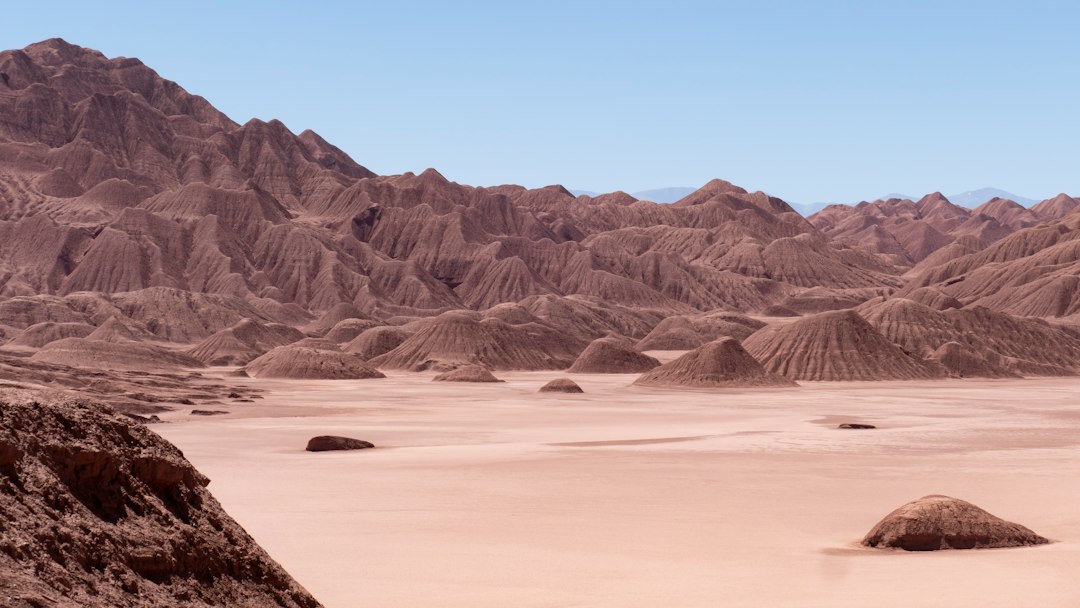
The vast, sun-baked expanse of the Egyptian desert, a landscape sculpted by millennia of wind and sand, holds secrets far older than the pharaohs themselves. For centuries, these sands have preserved an extraordinary chronicle of life, a testament to a world teeming with creatures long extinct. Now, the documentary “Uncovering Ancient Wonders: Egyptian Desert Paleontology” invites viewers on a breathtaking journey to the very frontiers of scientific discovery, venturing into this unforgiving terrain to unearth the fossilized remains of Earth’s prehistoric past.
The Egyptian desert is not merely a canvas of golden dunes; it is a geological library, its layers holding the stories of epochs when the land was dramatically different. For generations, the allure of ancient Egypt has captivated the world, conjuring images of monumental pyramids, intricate hieroglyphs, and the enigmatic Sphinx. However, this documentary delves into an even deeper history, one that predates human civilization by millions of years. It explores the meticulous work of paleontologists who, armed with trowels, brushes, and an unwavering dedication, meticulously sift through the arid plains, uncovering fragments of a lost world.
The Unseen Past Beneath Our Feet
The documentary begins by setting the stage, highlighting the unique geological conditions that make the Egyptian desert a prime location for paleontological finds. It explains how ancient riverbeds, shifting coastlines, and periods of wetter climates have created environments conducive to fossilization. Viewers are introduced to the immense timescales involved, a concept often difficult to grasp. The film vividly illustrates how the bones and teeth of long-extinct creatures, buried under layers of sediment, have been preserved for eons, waiting for their story to be told.
Beyond the Pharaohs: A Deeper Timeline
“Uncovering Ancient Wonders” masterfully broadens the scope of Egypt’s historical narrative. It moves beyond the familiar timelines of dynastic Egypt, venturing into the Cretaceous, Eocene, and Oligocene periods. The film emphasizes that the fossils unearthed are not mere curiosities but crucial pieces of a global puzzle, providing insights into the evolution of life, the changing climates of our planet, and the very origins of species. This shift in perspective is central to the documentary’s appeal, demonstrating that Egypt’s scientific legacy extends far beyond its iconic monuments.
The Tools of Discovery: From Dust to Data
The documentary offers a fascinating glimpse into the practicalities of paleontological fieldwork. Viewers witness the painstaking process of excavation, where every speck of dust is treated with reverence. They see the careful use of tools, from the delicate brushwork that reveals a fragile bone to the more robust methods employed in larger discoveries. Furthermore, the film explores the technological advancements that are revolutionizing the field, from GPS mapping and drone surveying to advanced imaging techniques used to analyze fossils in situ and in laboratories.
In exploring the fascinating world of Egyptian desert paleontology, one can gain deeper insights into the environmental factors that contributed to the rise and fall of ancient civilizations. A related article that delves into the sudden collapse of these societies is available at The Downfall of Ancient Civilizations: Sudden Collapse Explained. This piece examines how climatic changes and environmental challenges impacted the stability of ancient cultures, providing a broader context for understanding the significance of paleontological findings in the Egyptian desert.
Giants of the Nile: Unearthing Prehistoric Giants
One of the most compelling aspects of the documentary is its focus on the colossal creatures that once roamed what is now the Egyptian desert. These are not the familiar lions or gazelles of today, but behemoths that dwarf anything seen in modern Africa. The film brings these ancient giants back to life through stunning CGI reconstructions, allowing viewers to visualize their immense size and power.
The Reign of the Crocodylomorphs
A significant portion of the documentary is dedicated to the discovery of enormous crocodilians, ancient relatives of today’s crocodiles. The film introduces viewers to species like Spinosaurus aegyptiacus, a fearsome predator that once inhabited the waterways of ancient Egypt. Through detailed animations and expert commentary, the documentary reconstructs its hunting strategies, its habitat, and its place in the prehistoric food chain. The sheer scale of these creatures, some exceeding 40 feet in length, is awe-inspiring.
The Enigmatic Whales of the Desert
Perhaps one of the most surprising revelations presented in the film is the existence of ancient whales that swam in the seas that once covered parts of Egypt. The documentary showcases the discovery of fossilized whale skeletons, such as the early whale Basilosaurus isis, a serpentine creature that represents a transitional phase in whale evolution. This discovery challenges conventional perceptions of Egypt as solely a land-based environment and highlights the dramatic geological shifts the region has undergone.
The Unseen Predators: Theropod Dinosaurs and Beyond
While not as extensively represented as in some other paleontological sites, the Egyptian desert has also yielded evidence of theropod dinosaurs. The documentary touches upon these finds, offering a glimpse into the diverse dinosaur fauna that inhabited the region during the Cretaceous period. It discusses the challenges of unearthing these fossils in the harsh desert conditions and the ongoing efforts to piece together the complete picture of these ancient ecosystems.
The Evolving Landscape: Climate Change and Ancient Ecosystems
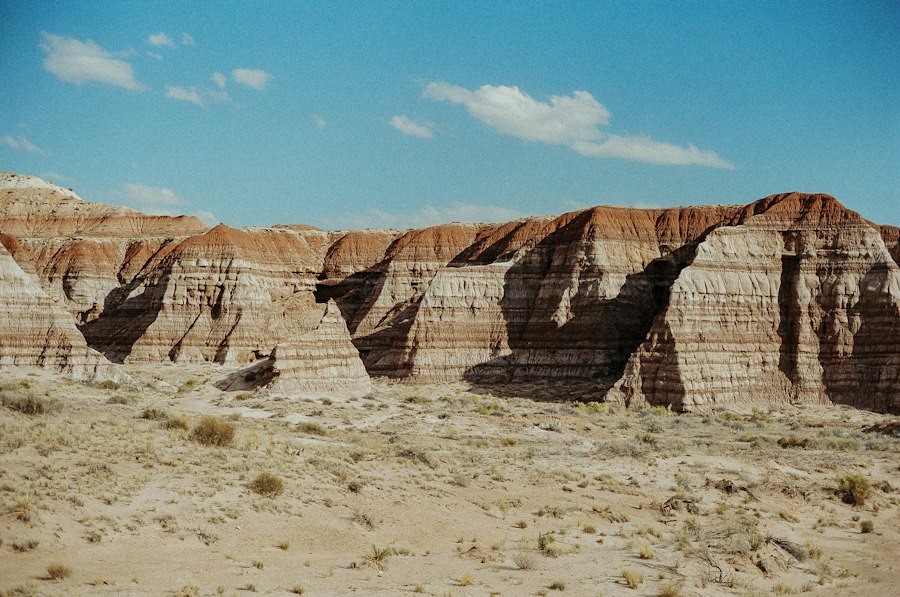
“Uncovering Ancient Wonders” goes beyond simply showcasing fossils; it uses these discoveries to paint a vivid picture of ancient climates and the ecosystems they supported. The documentary emphasizes that the Egyptian desert of today is a far cry from its prehistoric past, a dramatic illustration of how landscapes and life evolve over vast stretches of time.
Rivers and Rainforests: A Lost World
The film’s paleontologists explain how the presence of fossils like fish, aquatic reptiles, and early mammals indicates that the Sahara was once a much wetter region, crisscrossed by rivers and dotted with lush vegetation. They present evidence of ancient deltas and marine environments, painting a picture of a vibrant, life-filled landscape that would be unrecognizable to modern eyes. This serves as a powerful reminder of Earth’s dynamic climatic history.
The Impact of Shifting Continents and Sea Levels
The documentary delves into the geological forces that shaped these ancient environments. It discusses the movement of tectonic plates, the rise and fall of sea levels, and the impact of these colossal shifts on the distribution of life. The discovery of marine fossils in landlocked desert regions is a stark testament to these profound geological transformations.
Prehistoric Adaptations: Surviving the Extremes
The film also highlights the remarkable adaptations of the creatures that inhabited these changing environments. It explores how animals evolved to cope with periods of drought and heat, as well as how others thrived in wetter conditions. This offers valuable insights into the resilience of life and the power of natural selection.
The Human Element: Passion, Persistence, and Progress
At its heart, “Uncovering Ancient Wonders” is also a story about the dedicated individuals who are making these discoveries. The documentary profiles the paleontologists, geologists, and researchers who brave the extreme conditions of the desert, driven by an insatiable curiosity and a commitment to scientific advancement.
The Dedication of the Field Researcher
Viewers witness the sheer grit and determination of these scientists. They see them enduring scorching temperatures, sandstorms, and the isolation of remote fieldwork. The documentary humanizes the scientific process, showcasing the dedication required to unearth these ancient treasures, often with limited resources.
Collaboration and International Cooperation
The film emphasizes the collaborative nature of modern paleontology. It highlights the partnerships between Egyptian institutions and international research teams, demonstrating how global cooperation is crucial for advancing scientific knowledge. This underscores the shared human endeavor to understand our planet’s past.
The Ethics of Discovery and Preservation
“Uncovering Ancient Wonders” also touches upon the ethical considerations involved in paleontology. It discusses the importance of responsible excavation, the preservation of fossil sites, and the need to protect these invaluable scientific resources for future generations. The documentary underscores the significance of respecting both the scientific and cultural heritage of the discoveries.
In recent years, the fascinating field of Egyptian desert paleontology has gained significant attention, particularly through captivating documentaries that explore the ancient life that once thrived in these arid landscapes. A related article that delves into the broader implications of geological shifts and their impact on ecosystems can be found at this link. By examining how changes in geography influence both ancient and modern environments, it provides valuable context for understanding the rich fossil record uncovered in Egypt’s deserts.
Unlocking the Future: Lessons from the Past
| Metrics | Data |
|---|---|
| Documentary Title | Egyptian Desert Paleontology |
| Location | Egyptian Desert |
| Research Focus | Paleontology |
| Duration | 60 minutes |
| Scientists Involved | Multiple |
The documentary concludes by looking beyond the individual discoveries, emphasizing the broader implications of Egyptian desert paleontology for our understanding of Earth’s history and its future. The lessons learned from these ancient ecosystems offer invaluable insights into the processes of climate change, evolution, and the delicate balance of life.
Understanding Climate Change Through Deep Time
By studying ancient climates and the life forms that adapted to them, scientists can gain a deeper understanding of the potential impacts of current and future climate change. The documentary presents the Egyptian desert as a living laboratory, offering tangible evidence of how environments can transform dramatically over time.
The Ongoing Quest for Knowledge
“Uncovering Ancient Wonders” leaves viewers with a sense of the vastness of the unknown and the continuous nature of scientific exploration. It highlights that each discovery opens up new questions, driving further research and pushing the boundaries of our knowledge. The Egyptian desert, with its seemingly endless expanse, continues to hold many more secrets waiting to be unearthed.
Inspiring the Next Generation of Scientists
Ultimately, the documentary serves as an inspiration, aiming to ignite a passion for science, particularly paleontology, in viewers of all ages. It demonstrates that the pursuit of knowledge, even in the most challenging environments, can lead to extraordinary revelations and contribute significantly to our understanding of our planet and our place within its long and complex history. The Egyptian desert, once a silent sentinel of time, is now a vibrant voice, sharing its ancient wonders with the world.
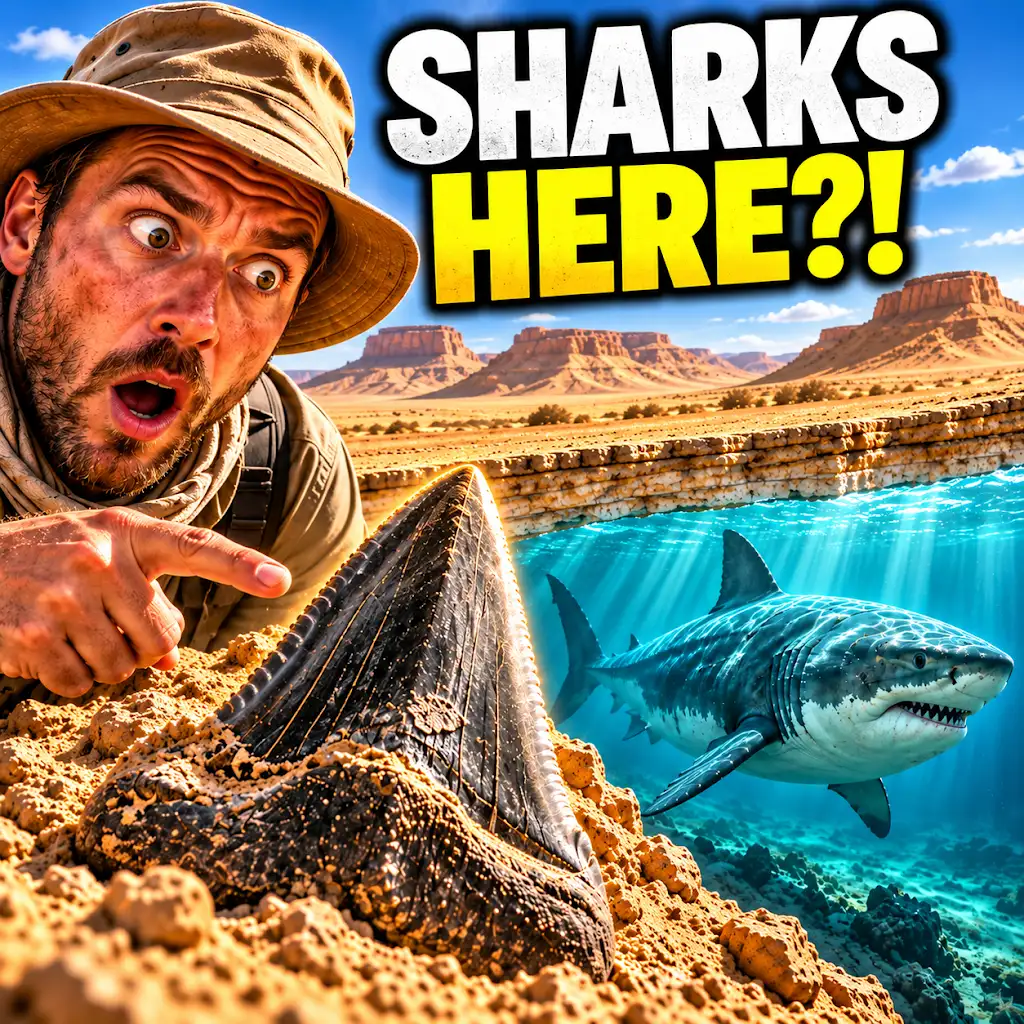
They Found a Shark Graveyard in the Egyptian Desert
FAQs
What is the Egyptian desert paleontology documentary about?
The Egyptian desert paleontology documentary explores the fascinating world of ancient fossils and prehistoric creatures that once roamed the desert landscapes of Egypt. It delves into the work of paleontologists and their discoveries, shedding light on the rich history of the region.
Where was the documentary filmed?
The documentary was filmed in various locations across the Egyptian desert, where significant paleontological discoveries have been made. These locations include the Western Desert, the Eastern Desert, and the Sinai Peninsula.
Who are the experts featured in the documentary?
The documentary features renowned paleontologists and experts in the field of Egyptian desert paleontology. These experts share their knowledge and insights into the ancient creatures that once inhabited the region, as well as the process of fossil discovery and preservation.
What can viewers expect to learn from the documentary?
Viewers can expect to learn about the diverse range of prehistoric creatures that once lived in the Egyptian desert, including dinosaurs, early mammals, and marine reptiles. The documentary also provides insight into the geological history of the region and the significance of paleontological research in understanding Earth’s past.
Where can the documentary be viewed?
The documentary can be viewed on various streaming platforms, as well as through select television networks and educational institutions. Check local listings and online streaming services for availability.