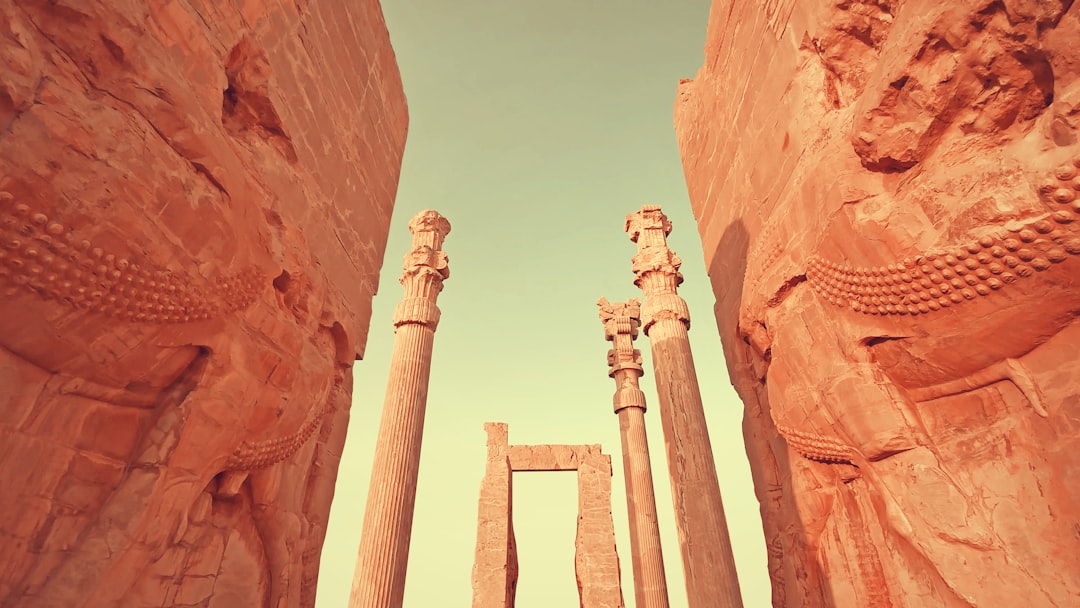
The relentless sun beats down on the vast expanse of the desert, a seemingly barren landscape where life clings precariously to survival. Yet, beneath this arid surface lies a hidden world, a silent testament to civilizations long past. For millennia, these ancient cities, temples, and burial grounds have been swallowed by the encroaching sands, their stories preserved in the dust and stone. Today, archaeologists and researchers are employing cutting-edge technology and meticulous excavation techniques to uncover these lost worlds, piecing together the narratives of those who once thrived in these now-inhospitable lands. The desert, often perceived as a void, is in reality a treasure trove of history, waiting to be revealed.
The allure of desert archaeology is undeniable. It is a quest not only for artifacts but for the very essence of human resilience and adaptation. The harsh environment, while presenting formidable challenges, also acts as a natural preserver. The lack of moisture and vegetation minimizes decay, allowing for the remarkable preservation of organic materials, intricate artwork, and even the fragile traces of daily life. These unearthed fragments offer a tangible connection to our ancestors, providing invaluable insights into their beliefs, social structures, technologies, and their profound relationship with the environment. The stories whispered by these ancient sands are not just about kings and empires, but about the everyday lives of ordinary people who navigated the complexities of their world.
The Challenges of the Shifting Sands
Working in desert environments presents a unique set of obstacles that test the mettle of any archaeologist. The omnipresent sand, while a preserver, is also a relentless adversary.
Wind Erosion and Sandstorms
Constant wind erosion sculpts the landscape, constantly shifting the surface and obscuring archaeological features. Sandstorms, with their abrasive particles, can rapidly bury exposed sites, making excavation a race against time and nature. The meticulous work of clearing and documenting a site can be undone in mere hours by a fierce sandstorm.
Extreme Temperatures and Dehydration
The extreme diurnal temperature fluctuations, from scorching heat during the day to chilling cold at night, pose significant physiological challenges for field teams. Dehydration is a constant concern, requiring careful planning and an abundant supply of water. The physical demands of digging and sifting in such conditions are immense.
Accessibility and Logistics
Remote desert locations often lack infrastructure, making transportation of equipment, supplies, and personnel a complex logistical undertaking. Establishing base camps, power sources, and communication lines in these isolated areas requires significant planning and resources.
The Rewards of Revelation
Despite these formidable challenges, the rewards of desert archaeology are profound. The potential for groundbreaking discoveries is immense, offering a glimpse into hitherto unknown aspects of human history.
Preserved Artifacts and Structures
The arid climate offers unparalleled preservation conditions. Intact pottery, tools, textiles, and even remarkably preserved organic remains are frequently unearthed. Entire architectural complexes, from humble dwellings to grand temples, can emerge from beneath the sand, offering a three-dimensional understanding of ancient urban planning and construction techniques.
Insights into Ancient Lifestyles
Every recovered artifact tells a story. The wear patterns on tools reveal how they were used, the composition of food remains offers clues about diet, and the style of clothing fragments hints at social status and cultural practices. These details collectively paint a vivid picture of how people lived, worked, and interacted.
Understanding Environmental Adaptation
Desert civilizations often developed ingenious strategies for survival in extreme conditions. Discoveries related to water management systems, agricultural techniques adapted to arid climates, and understanding of local flora and fauna provide crucial lessons about human ingenuity and our capacity to adapt to challenging environments.
Recent discoveries have unveiled hidden ancient worlds beneath the desert, shedding light on civilizations that thrived in arid landscapes long ago. These findings not only provide insights into the lives of our ancestors but also highlight the intricate relationship between ancient cultures and their environment. For a deeper understanding of how weather patterns influenced these societies, you can explore the article on ancient weather wisdom at Ancient Weather Wisdom: Understanding Nature’s Signs.
Unveiling Lost Cities: The Spectacle of Rediscovery
The discovery of lost cities beneath desert sands is often a dramatic affair, a testament to both meticulous research and sometimes serendipitous encounters. These are not mere ruins; they are the ghostly outlines of bustling metropolises, centers of commerce, culture, and power that once flourished in regions now considered desolate. The process of identifying and excavating these sites is a multifaceted endeavor, blending historical research with modern scientific tools.
The Role of Historical Texts and Oral Traditions
Long before the advent of advanced technology, whispers of these lost places were often contained within ancient texts and passed down through oral traditions.
Chronicling Past Glories
Ancient chronicles, travelogues, and religious texts sometimes mention settlements that have since vanished. Scholars meticulously pore over these writings, seeking geographical clues and descriptions that might point towards forgotten locations. These written records, though often fragmented and allegorical, serve as crucial starting points for expeditions.
Indigenous Knowledge and Legends
In many desert regions, indigenous populations hold ancient legends and stories about ancestral settlements. These oral traditions, passed down through generations, can be invaluable in guiding archaeologists to potential sites, offering insights that written records might omit. Respecting and integrating this knowledge is paramount to responsible archaeological practice.
The Power of Remote Sensing Technologies
Modern technology has revolutionized the ability to detect subsurface anomalies without disturbing the ground, allowing for the identification of potential archaeological sites from afar.
Satellite Imagery and Aerial Photography
High-resolution satellite imagery and aerial photographs can reveal subtle topographical features, rectilinear patterns, and unusual color variations in the desert landscape that might indicate buried structures or ancient agricultural fields. These visual clues are often the first hints of a hidden settlement.
Ground-Penetrating Radar (GPR)
GPR uses radio waves to create an image of the subsurface. It can penetrate several meters of soil and sand, detecting changes in density that correspond to buried walls, foundations, pits, and even human remains. This non-invasive technique allows archaeologists to map out the potential extent and layout of a buried site before any physical excavation begins.
Magnetometry
Magnetometry measures variations in the Earth’s magnetic field. Burnt materials, such as ancient hearths or kilns, and certain types of stone can alter the magnetic signature of the soil, allowing for the detection of these features from above ground. This method is particularly effective for identifying areas of past human activity.
The Excavation Process: Patience and Precision
Once a promising site is identified, the painstaking process of excavation begins. This is where patience, precision, and a deep understanding of archaeological methodology are paramount.
Stratigraphic Excavation
Archaeologists carefully remove layers of soil and sand in the order they were deposited, a technique known as stratigraphic excavation. Each layer, or stratum, represents a specific period of time, and understanding their order is crucial for dating artifacts and understanding the sequence of events at the site.
Artifact Recovery and Documentation
Every artifact, no matter how small, is carefully recovered, cataloged, and documented in its precise location. This includes detailed notes, photographs, and three-dimensional measurements. This meticulous record-keeping ensures that the context of the artifact is preserved, providing vital information about its significance.
Conservation and Analysis
Upon recovery, artifacts are immediately assessed for preservation needs. Delicate items are carefully conserved in situ or transported to specialized laboratories for further treatment and analysis. Radiocarbon dating, material analysis, and stylistic comparisons all contribute to understanding the age and origin of the unearthed objects.
Glimpses into Daily Life: The Intimate Details of the Past
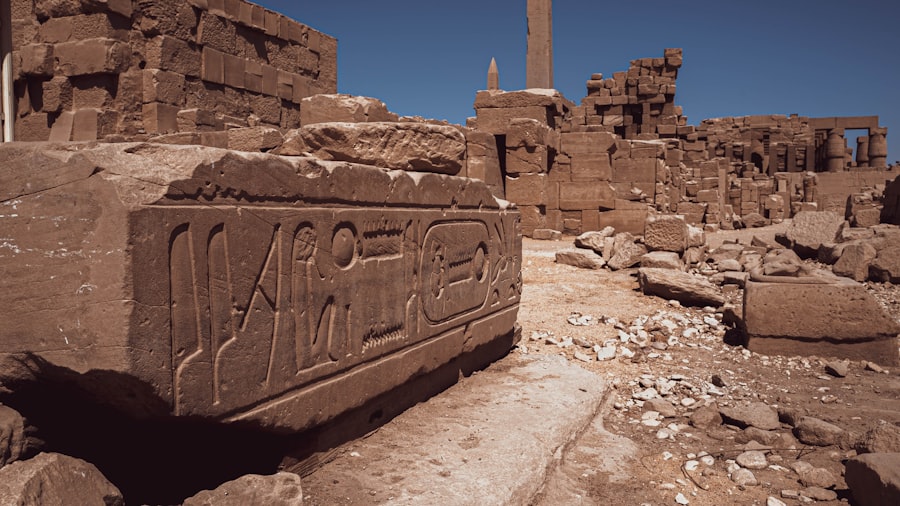
Beyond the grandeur of lost cities and monumental structures, desert archaeology offers an unparalleled opportunity to understand the intimate details of daily life for ancient peoples. The dry conditions act as a time capsule, preserving ephemeral elements that would have long since decayed in more humid environments. These discoveries allow us to move beyond grand narratives and connect with the humanity of those who inhabited these lands millennia ago.
Preserved Foodstuffs and Domestic Artifacts
The survival of organic materials is a hallmark of desert archaeology, offering direct evidence of diet and domestic practices.
Grains, Seeds, and Remains of Meals
Archaeologists frequently unearth preserved grains, seeds, and even the charred remains of ancient meals. Analysis of these items can reveal dietary staples, the types of crops cultivated, and even cooking methods. This provides a direct link to what people ate and how they prepared their food.
Textiles and Clothing Fragments
Remarkably preserved textiles, woven from natural fibers like wool, linen, and cotton, are often discovered. These fragments offer insights into fashion, weaving techniques, and the social status indicated by the quality and decoration of clothing.
Tools and Utensils for Domestic Use
Everyday tools and utensils, from pottery vessels used for cooking and storage to simple tools for crafting and repair, are commonly found. The wear patterns on these objects can reveal the tasks they were used for, offering a tangible understanding of domestic labor and craftsmanship.
The Art of Communication and Expression
The sands have yielded evidence of how ancient desert dwellers communicated and expressed themselves, offering insights into their cognitive and artistic worlds.
Inscriptions and Petroglyphs
Ancient inscriptions carved into stone, known as petroglyphs, and written texts on various materials provide direct evidence of language, writing systems, and narrative. These can range from administrative records and religious texts to personal messages and artistic expressions.
Personal Adornments and Jewelry
The discovery of personal adornments, such as beads, amulets, and jewelry, reveals a desire for beauty and self-expression. The materials used, the craftsmanship involved, and the symbolic meanings attributed to these objects offer insights into individual identity and social customs.
Figurines and Small Sculptures
Small figurines and sculptures, often made from clay or bone, have been found at many desert sites. These objects can represent deities, animals, or even everyday people, providing clues about religious beliefs, mythology, and the artistic sensibilities of the time.
Understanding Ancient Social Structures
The material culture recovered from desert sites can also shed light on the social organization and hierarchies of ancient societies.
Burial Practices and Grave Goods
The way people were buried, and the items placed with them in their graves (grave goods), offer significant insights into social status, beliefs about the afterlife, and familial relationships. Differences in tomb construction and the quantity or quality of grave goods can indicate social stratification.
Evidence of Trade and Exchange Networks
The presence of materials not indigenous to a particular region, such as exotic stones, shells, or metals, indicates established trade routes and exchange networks. Understanding these connections allows archaeologists to reconstruct the economic and political relationships between ancient communities.
Communal Spaces and Public Structures
The layout of settlements, the presence of public buildings, and the distribution of resources can reveal information about communal living, governance, and the organization of labor within ancient societies.
Monumental Legacies: Structures of Power and Belief
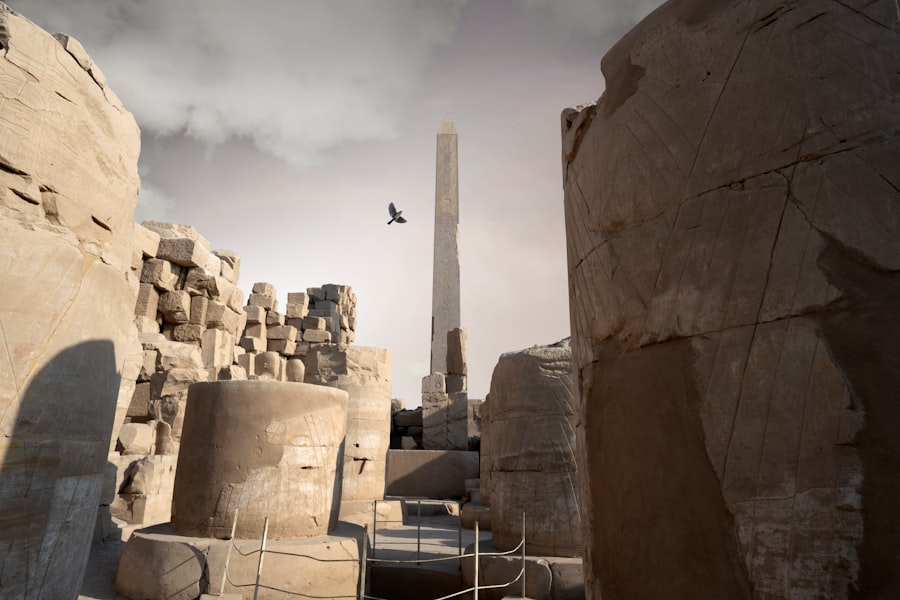
Desert sands have preserved not only the remnants of everyday life but also the imposing monuments that speak of power, belief, and the aspirations of ancient civilizations. These structures, often built on a grand scale, offer a window into the spiritual and political landscapes of the past, their enduring presence a testament to the ingenuity and ambition of their creators.
Temples and Religious Sites
The spiritual lives of desert peoples are often revealed through the remains of their sacred spaces, places of worship and ritual that were central to their societies.
Architectural Design and Symbolism
The architecture of ancient temples often incorporated symbolic elements related to their cosmology and religious beliefs. Understanding the orientation of structures, the use of specific materials, and the arrangement of sacred objects can unlock deeper meanings.
Ritual Objects and Offerings
The discovery of altars, offering tables, and votive objects provides direct evidence of religious practices and rituals. These artifacts help archaeologists understand the nature of their deities, the forms of worship, and the relationship between humans and the divine.
Astronomical Alignments and Calendrical Systems
Many ancient temples were aligned with celestial events, reflecting a deep understanding of astronomy and its integration into religious practice. These alignments suggest the development of sophisticated calendrical systems and a desire to harmonize human affairs with the cosmos.
Royal Tombs and Mausolea
The final resting places of rulers and elite individuals often represent some of the most elaborate and well-preserved structures in desert landscapes, reflecting a preoccupation with legacy and the afterlife.
Elaborate Burial Chambers and Decorations
Royal tombs are frequently characterized by complex architectural designs, intricate carvings, and vibrant murals that depict the deceased’s life, achievements, and hopes for the afterlife. These decorations provide invaluable historical and artistic information.
Grave Goods and Treasures
The wealth and status of the deceased are often reflected in the lavish grave goods interred with them, including gold and precious stones, weaponry, and ceremonial objects. These treasures offer insights into the economic resources and craftsmanship of the society.
Symbolic Architecture and Landscape Features
The placement and design of royal tombs could also carry symbolic meaning, reflecting the ruler’s connection to the land, their lineage, or their perceived divine status. The surrounding landscape might also have been deliberately altered to enhance the tomb’s significance.
Fortifications and Defensive Structures
In regions prone to conflict or nomadic incursions, the desert has preserved the imposing remnants of ancient fortifications, testaments to the need for security and the strategic prowess of past societies.
Walls, Towers, and Gateways
The physical remains of defensive walls, watchtowers, and fortified gateways offer a tangible understanding of military architecture and strategies. The scale and construction of these defenses indicate the perceived threats and the resources dedicated to protection.
Evidence of Sieges and Warfare
The discovery of projectile points, siege weaponry, or evidence of battle damage can provide insights into past conflicts, the tactics employed, and the impact of warfare on ancient communities.
Strategic Placement and Resource Control
The location of fortifications often reveals their strategic purpose, such as controlling vital water sources, trade routes, or defensible passes through the landscape. This highlights the importance of resource management and territorial control in ancient desert societies.
Recent discoveries have shed light on hidden ancient worlds beneath the desert, revealing intricate city layouts and advanced fortification techniques that have long been buried by time. These findings not only enhance our understanding of past civilizations but also spark curiosity about what other secrets the sands might hold. For those interested in exploring the mysteries of ancient city fortifications, a related article offers fascinating insights into the architectural innovations of these lost societies. You can read more about it in this article.
The Future of Desert Archaeology: Innovation and Preservation
| Location | Discovery | Age | Artifacts |
|---|---|---|---|
| Egypt | Recent excavations | Over 4,000 years old | Hieroglyphics, statues, pottery |
| Mesopotamia | Uncovered ruins | 3,000-4,000 years old | Cuneiform tablets, jewelry, tools |
| Indus Valley | Archaeological digs | Over 5,000 years old | Seals, figurines, urban planning |
The quest to uncover ancient worlds beneath the desert sands is far from over. As technology advances and our understanding of the past deepens, the future of desert archaeology promises even more remarkable discoveries. However, this progress must be coupled with a growing commitment to the preservation of these fragile sites for future generations.
Advancements in Non-Invasive Survey Techniques
The development of increasingly sophisticated non-invasive technologies is revolutionizing how archaeologists survey and understand desert sites.
Lidar (Light Detection and Ranging)
Lidar, often deployed from aircraft or drones, uses laser pulses to create highly detailed 3D maps of the landscape. It can penetrate vegetation and reveal subtle ground features, making it exceptionally useful for identifying buried structures and ancient landforms in desert environments.
Advanced GPR and Magnetometry Interpretation
New algorithms and analytical techniques are improving the interpretation of GPR and magnetometry data, allowing for more precise identification and mapping of subsurface features. This reduces the need for extensive test pitting and minimizes disturbance.
Drone-Based Imaging and Mapping
The use of drones equipped with various sensors (multispectral, thermal) is transforming site documentation and survey. They provide high-resolution aerial imagery, facilitate rapid mapping of large areas, and can help identify areas of interest for more focused investigation.
The Promise of Digital Archaeology and Big Data
The digital revolution is profoundly impacting archaeological research, from data collection and analysis to dissemination and public engagement.
3D Modeling and Virtual Reconstruction
Detailed 3D models of unearthed structures and artifacts can be created, allowing for virtual reconstructions of ancient sites. This enables researchers and the public to explore these lost worlds in an immersive and accessible way, even if the physical sites are remote or fragile.
Big Data Analysis for Pattern Recognition
The vast amounts of data generated by archaeological surveys and excavations are being analyzed using big data techniques. This allows for the identification of subtle patterns, correlations, and trends that might otherwise be missed, leading to new interpretations of ancient societies.
Online Databases and Open Access Publishing
The creation of accessible online databases for archaeological data and the move towards open-access publishing ensure that research findings are shared widely, fostering collaboration and accelerating the pace of discovery.
The Imperative of Site Preservation and Sustainable Tourism
As more sites are uncovered, the critical need for their preservation becomes paramount, alongside the potential for responsible engagement with the public.
Combating Looting and Vandalism
The increasing visibility of desert archaeological sites unfortunately also brings the risk of looting and vandalism. Effective site protection measures, community engagement, and stringent legal frameworks are essential to safeguard these irreplaceable heritage resources.
Sustainable Tourism and Cultural Heritage Management
Developing sustainable tourism strategies that benefit local communities while minimizing the impact on fragile archaeological sites is crucial. This involves careful management of visitor numbers, the development of appropriate infrastructure, and educational programs that promote respect for heritage.
International Collaboration and Knowledge Sharing
Preserving the world’s desert heritage requires a global effort. International collaboration, the sharing of best practices, and joint research projects are vital for addressing the complex challenges of excavation, conservation, and site management in these unique environments.
The desert, once a barrier, is now a gateway to the past. Each unearthed artifact, each revealed structure, adds another layer to our understanding of the human story, reminding us of our shared history and the enduring power of human endeavor in the face of adversity. The silent sands continue to whisper their secrets, and with each whisper, a new world is born from the dust.

260 Ancient Graves Were Hiding in This “Empty” Desert
FAQs
What are hidden ancient worlds beneath the desert?
Hidden ancient worlds beneath the desert refer to the discovery of ancient civilizations, structures, and artifacts buried beneath the desert sands. These discoveries provide valuable insights into the history and culture of ancient civilizations that once thrived in these areas.
Where are these hidden ancient worlds typically found?
Hidden ancient worlds are often found in desert regions around the world, such as the Sahara Desert in Africa, the Gobi Desert in Asia, and the deserts of the American Southwest. These areas were once inhabited by ancient civilizations and are rich in archaeological treasures.
What kinds of discoveries have been made in these hidden ancient worlds?
Archaeologists have uncovered a wide range of discoveries in hidden ancient worlds, including ancient cities, temples, tombs, artifacts, and even well-preserved mummies. These discoveries have provided valuable insights into the daily lives, beliefs, and practices of ancient civilizations.
How do archaeologists uncover these hidden ancient worlds?
Archaeologists use a variety of methods to uncover hidden ancient worlds beneath the desert. These methods include satellite imagery, ground-penetrating radar, aerial surveys, and traditional excavation techniques. These tools help archaeologists locate and uncover ancient sites buried beneath the desert sands.
Why are these discoveries important?
The discoveries made in hidden ancient worlds are important because they provide a deeper understanding of human history and cultural development. They also shed light on the technological advancements, social structures, and belief systems of ancient civilizations, contributing to our collective knowledge of the past.