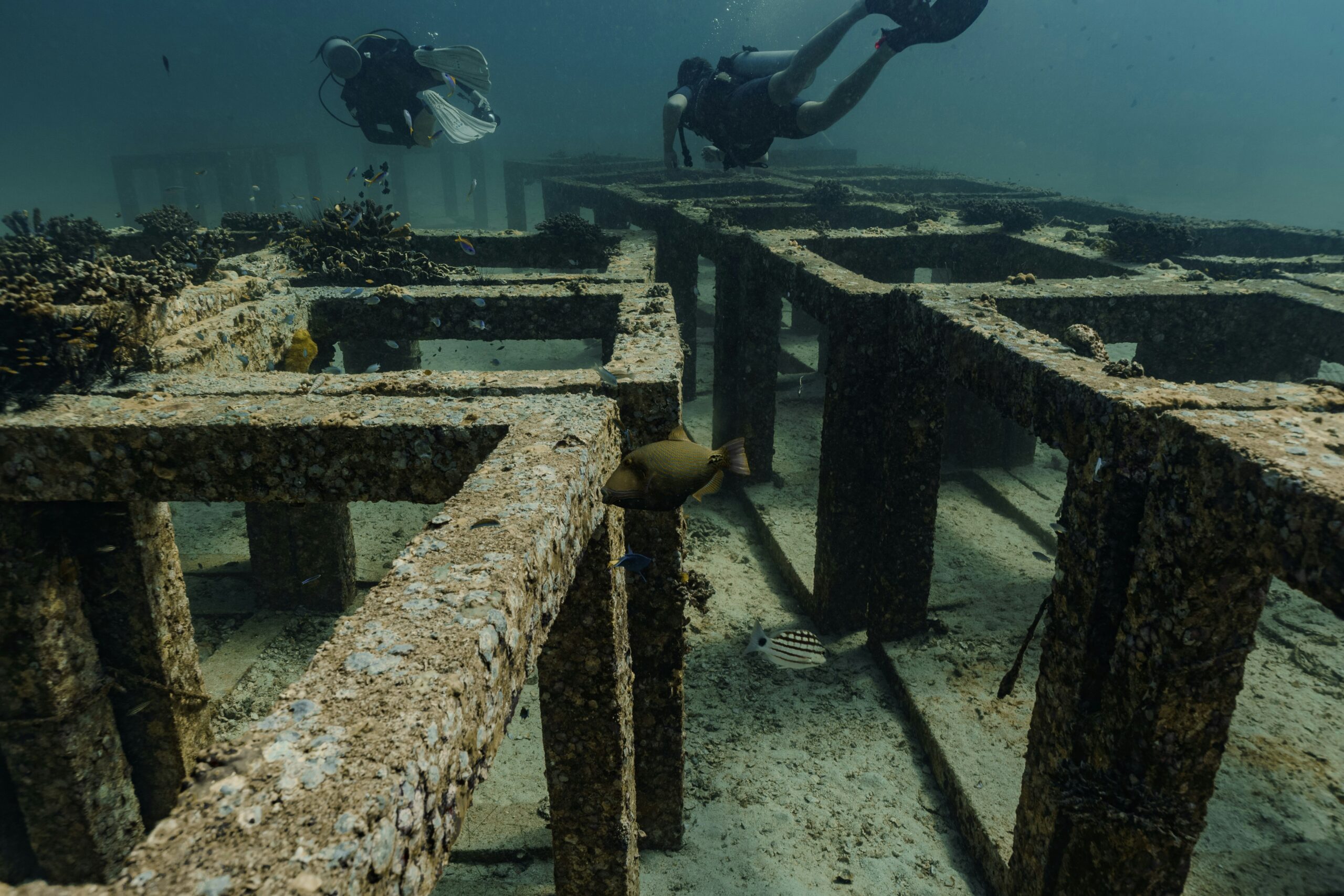
The hushed, expectant silence of the cinema was palpable as the lights dimmed, signaling the beginning of “Uncovering Ancient Wrecks: A Marine Archaeology Documentary.” This compelling film, a masterful blend of historical inquiry and cutting-edge technology, plunges viewers into the enigmatic depths of our oceans, revealing the silent stories held within long-lost shipwrecks. It is a journey that transcends mere historical recap; it is an exploration of human ingenuity, maritime trade, and the enduring power of the past to inform our present.
The documentary’s strength lies not only in its academic rigor but also in its ability to translate complex scientific processes into an engaging narrative. Viewers are introduced to a team of dedicated marine archaeologists, their passion for discovery infectious, as they meticulously piece together the fragments of history scattered on the seabed. The film artfully blends interviews with leading experts, breathtaking underwater footage, and evocative reenactments to paint a vivid picture of life and loss at sea centuries ago.
“Uncovering Ancient Wrecks” doesn’t shy away from the immense challenges inherent in marine archaeology. From the crushing pressures of the deep to the logistical hurdles of excavating fragile artifacts, the film highlights the sheer determination and collaborative spirit required for such endeavors. It is a testament to the human drive to understand our origins, to connect with those who sailed before us, and to protect the invaluable cultural heritage that lies hidden beneath the waves.
The enduring fascination with shipwrecks is a sentiment expertly captured and amplified throughout the documentary. It speaks to an innate human curiosity about the unknown, about stories interrupted, and about the tangible remnants of bygone eras. “Uncovering Ancient Wrecks” taps into this primal allure, guiding the audience through a series of compelling case studies that showcase the sheer diversity and historical significance of these submerged time capsules.
Stories Etched in Timber and Bronze
Each shipwreck unearthed is not merely a collection of decaying materials; it is a narrative waiting to be deciphered. The film emphasizes how the remarkably preserved timber, the scattered bronze cannons, and the intricate ceramics can speak volumes about the ship’s construction, its cargo, its crew, and its ultimate fate. These artifacts become primary sources, offering an unfiltered glimpse into the lives and times of people long gone.
The Silent Witnesses: Ship Construction and Design
One of the most remarkable aspects explored is the insight shipwrecks provide into historical shipbuilding techniques. The documentary showcases how archaeologists meticulously study the remaining hull structure, the joinery, and the materials used. This analysis reveals the evolution of naval architecture, the ingenuity of ancient mariners, and the practical considerations that shaped vessels designed for exploration, trade, or warfare. The film highlights how even the smallest details, like the type of wood used or the method of planking, can offer clues about the ship’s origin and its intended purpose.
Navigating the Seas: Technological Advancements in Maritimelife
Beyond the hull, the scattered remnants of navigation tools, anchors, and other equipment offer a fascinating window into the technological landscape of the past. “Uncovering Ancient Wrecks” demonstrates how the discovery of astrolabes, compasses, or even rudimentary charts can shed light on the sophistication of ancient navigation. The film draws connections between these discoveries and the broader historical context of exploration and trade, illustrating how technological advancements enabled humans to conquer vast oceans and connect disparate cultures.
The Human Element: Daily Life and Personal Belongings
Perhaps the most poignant aspect of shipwreck archaeology is the discovery of artifacts that speak to the human lives aboard. The documentary features discoveries like personal effects, tools, and even remnants of food. These items, though often humble, provide an intimate connection to the individuals who lived and worked on these vessels. The film uses these discoveries to reconstruct scenes of daily life, offering a more personal and relatable perspective on the past. The emotional weight of finding a perfectly preserved comb or a worn leather shoe is powerfully conveyed, reminding viewers that these wrecks represent not just historical objects but the lost lives of individuals.
In the fascinating realm of marine archaeology, the exploration of underwater sites offers invaluable insights into our past civilizations. A related article that delves into the importance of safeguarding our financial resources, which can indirectly support such archaeological endeavors, can be found at this link. Understanding how to protect our savings is crucial, as it enables continued funding for research and preservation of historical artifacts discovered beneath the waves.
The Cutting Edge of Underwater Exploration
The documentary excels in showcasing the sophisticated technologies that have revolutionized marine archaeology in recent decades. From remotely operated vehicles (ROVs) to advanced sonar systems, “Uncovering Ancient Wrecks” demystifies the equipment and techniques that allow archaeologists to explore the ocean depths with unprecedented precision and safety.
Mapping the Seabed: Advanced Sonar and Imaging
The initial stages of any shipwreck investigation often involve extensive sonar surveys. The film explains how side-scan sonar and multi-beam echo sounders create detailed maps of the seabed, revealing anomalies that could indicate the presence of submerged structures. Viewers witness the process of data interpretation, where subtle changes in acoustic reflections are analyzed to pinpoint potential wreck sites.
From Pixels to Possibilities: The Power of Digital Mapping
The documentary emphasizes the transition from analog to digital in marine archaeology. It showcases how sophisticated software can stitch together sonar data, creating three-dimensional models of the seabed. These digital maps provide archaeologists with a comprehensive overview of a site before any physical dives take place, allowing for more strategic planning and efficient exploration. The ability to visualize the underwater landscape in such detail is a game-changer, enabling researchers to identify potential features and prioritize areas for further investigation.
Unveiling the Invisible: Magnetometers and Sub-bottom Profilers
“Uncovering Ancient Wrecks” also delves into the use of magnetometers to detect metallic objects, such as cannons or anchors, that might be buried beneath the sediment. Furthermore, sub-bottom profilers are explained as tools that can penetrate the seafloor sediment, revealing buried structures or historical layers. These technologies, working in concert, provide a multi-faceted approach to identifying and characterizing potential wreck sites, often revealing features that would otherwise remain hidden from view.
Diving into the Unknown: ROVs and Manned Submersibles
The film then transitions to the active phase of exploration, highlighting the crucial role of remotely operated vehicles (ROVs) and manned submersibles. These technological marvels allow archaeologists to descend to depths that would be impossible or extremely dangerous for human divers.
The Eyes and Hands of the Archaeologist: ROV Operations
Viewers are treated to mesmerizing footage of ROVs navigating complex underwater environments. The documentary explains how these remotely controlled vehicles are equipped with high-definition cameras, robotic arms, and sampling tools. The precision with which ROVs can manipulate delicate artifacts and collect samples is astounding. The film emphasizes the collaborative effort between the ROV pilots and the onboard archaeology team, who collectively make critical decisions in real-time.
Stepping into History: The Experience of Manned Submersibles
For some particularly significant or challenging sites, manned submersibles offer a unique perspective. “Uncovering Ancient Wrecks” may include footage from inside these specialized craft, allowing the audience to experience the awe-inspiring sensation of descending into the abyss alongside seasoned archaeologists. The human presence within these vessels adds a layer of personal connection to the exploration, allowing for immediate observation and interpretation of the findings.
The Art and Science of Excavation

Shipwreck excavation is a meticulous and often painstaking process that requires a delicate balance between scientific rigor and preservation. “Uncovering Ancient Wrecks” dedicates significant time to illustrating the careful methodologies employed by marine archaeologists to recover and conserve these fragile remnants of the past.
Gentle Recovery: Protecting Fragile Artifacts
The documentary underscores the paramount importance of preserving the integrity of artifacts once they are located. The film explains how archaeologists develop detailed excavation plans, often using gridded systems to ensure precise recording of each object’s original position. The recovery process itself is depicted as a slow and deliberate dance with the ocean, employing specialized tools and techniques to avoid further damage.
The Precision of the Trowel and the Brush: Manual Excavation Techniques
While advanced technology aids in discovery, the actual excavation of delicate artifacts often relies on traditional, meticulous manual methods. “Uncovering Ancient Wrecks” showcases archaeologists using trowels, brushes, and even dental picks to carefully remove sediment from around fragile objects. This hands-on approach, often performed by skilled divers, is crucial for minimizing damage and ensuring that the context of the find is maintained.
Lifting History: Specialized Equipment and Procedures
The documentary may illustrate the challenges of lifting heavier artifacts, such as cannons or large sections of timber, from the seabed. This often involves the use of lifting bags, carefully engineered pulley systems, and specialized cradles designed to support the weight and fragility of the recovered items. The planning and execution of these recovery operations are highlighted as critical steps in ensuring the safe return of these treasures to the surface.
Onshore Conservation: Preserving for the Future
Once artifacts are brought to the surface, their journey is far from over. “Uncovering Ancient Wrecks” emphasizes that the conservation process is just as vital as the excavation itself. The film introduces viewers to the specialized facilities and techniques used to stabilize and preserve a wide range of materials.
From Seawater to Stability: The De-Salination Process
The documentary explains the crucial process of removing salt from recovered artifacts. Immersion in fresh or distilled water over extended periods is often necessary to prevent further deterioration caused by salt crystallization. The film visualizes the sheer volume of water and the time involved in this often-lengthy stabilization procedure.
Rebuilding the Past: Reconstruction and Stabilization Techniques
For partially deteriorated artifacts, the documentary might showcase the intricate work of conservators. This can include reinforcing fragile materials, reassembling broken pieces, and creating stable structural supports. The goal is not to create a flawless, “as new” object, but to preserve its historical integrity and allow for future study and exhibition. The dedication and skill of these conservators are clearly on display, transforming fragments of the past into tangible pieces of history.
The Stories Told by the Wrecks
Beyond the technical aspects of discovery and recovery, “Uncovering Ancient Wrecks” truly shines when it delves into the historical narratives that these shipwrecks represent. The film masterfully weaves together archaeological findings with historical research to bring the past to life.
Tracing Trade Routes: Economic and Cultural Exchange
Many shipwrecks were the vessels of maritime trade. The documentary uses the cargo found onboard to reconstruct ancient trade routes, revealing the economic connections and cultural exchanges that shaped the world. The presence of specific goods, like spices from the East or amphorae from Roman territories, allows archaeologists and historians to pinpoint the origin and destination of these vessels.
The Silk Road of the Seas: Maritime Commerce in Antiquity
The film might focus on a specific shipwreck that was a crucial link in ancient maritime trade networks, such as the Silk Road. The discovery of silks, ceramics, or other luxury goods can illuminate the flow of commerce and the demand for exotic items across vast distances. The documentary effectively explains how these wrecks are not just isolated incidents but pieces of a much larger, interconnected global economy.
Cultural Crossroads: The Blending of Traditions
The documentary highlights how shipwrecks can also reveal the fascinating blending of cultures. The discovery of artifacts from different regions on a single vessel can signify cultural exchange, adaptation, and assimilation. This can include the presence of foreign religious artifacts, artistic styles, or even linguistic clues. The film uses these findings to illustrate how maritime travel facilitated the spread of ideas and traditions, creating unique historical hybrids.
The Human Drama: Tales of Survival and Tragedy
Every shipwreck is a story of human endeavor, often culminating in tragedy. The film delves into the human element, piecing together the events that led to the vessel’s demise and the experiences of those who sailed aboard.
Ghosts of the Deep: Reconstructing the Final Moments
By analyzing the condition of the wreck, the location of debris, and any surviving accounts, archaeologists can attempt to reconstruct the circumstances of the sinking. “Uncovering Ancient Wrecks” might present theories about storms, collisions, or even acts of piracy that led to the ship’s demise. The film uses dramatic reenactments and expert commentary to bring these theories to life, creating a sense of suspense and emotional resonance.
Voices from the Past: Unearthing Personal Stories
While written records are often scarce for ordinary sailors, sometimes personal effects found within a wreck can offer glimpses into their lives. The discovery of a worn coin, a personal trinket, or even a written message, though rare, can provide an incredibly intimate connection to the past. The documentary highlights the profound impact of these small discoveries, reminding viewers that beneath the grand narratives of trade and exploration lie individual human stories.
In the fascinating realm of marine archaeology, documentaries often shed light on the incredible discoveries made beneath the waves. One such documentary explores the remnants of ancient civilizations that have been submerged for centuries. For those interested in delving deeper into this subject, a related article discusses the intriguing clues unearthed about pre-flood civilizations, which can be found at this link. The insights provided in the article complement the visual storytelling of the documentary, offering a broader understanding of our planet’s submerged history.
The Future of Marine Archaeology
| Documentary Title | Release Year | Duration | Main Focus |
|---|---|---|---|
| Lost Worlds: The Story of Archaeology | 2015 | 60 minutes | Marine Archaeology |
| Shipwrecks: Britain’s Sunken History | 2016 | 90 minutes | British maritime history |
| Secrets of the Dead: The Lost Gardens of Babylon | 2014 | 120 minutes | Underwater exploration of ancient sites |
“Uncovering Ancient Wrecks” concludes by looking forward, emphasizing the ongoing importance of marine archaeology and the exciting possibilities that lie ahead. The film serves as a powerful call to action, urging for continued funding, technological innovation, and international cooperation in the field.
Protecting Our Underwater Heritage: The Importance of Preservation
The documentary strongly advocates for the protection of submerged cultural heritage. It highlights the threats posed by illegal salvage, environmental degradation, and the sheer passage of time. The film stresses that these wrecks are irreplaceable resources, offering invaluable insights into our collective past.
The Race Against Time: Combating Threats to Wrecks
The film may address the challenges of protecting known and newly discovered wreck sites. Illegal salvaging, often driven by profit, can strip sites of their historical integrity and destroy invaluable contextual information. The documentary may showcase efforts to combat these threats, including international legal frameworks and rapid response protocols.
Sustainable Exploration: Balancing Discovery and Conservation
The documentary emphasizes the ethical considerations of marine archaeology. It promotes a philosophy of sustainable exploration, where the goals of discovery and research are balanced with the absolute necessity of preservation. The film advocates for responsible practices that minimize environmental impact and ensure that sites are studied and documented in a way that protects them for future generations.
Technological Frontiers: Innovations on the Horizon
The future of marine archaeology is inextricably linked to technological advancements. “Uncovering Ancient Wrecks” looks ahead to anticipated innovations that will further enhance our ability to explore the oceans.
The Next Generation of Underwater Robots
The film may touch upon the development of more autonomous and sophisticated underwater vehicles. These future robots could possess enhanced AI capabilities, allowing them to conduct more complex surveys and even perform delicate excavation tasks with greater independence. The potential for these advancements to unlock even deeper and more remote sites is a key takeaway.
Data Science and AI in Archaeology
The documentary might also explore the increasing role of data science and artificial intelligence in analyzing the vast amounts of data generated by marine archaeological expeditions. Machine learning algorithms could help identify patterns in sonar data, classify artifacts from images, and even reconstruct complex historical scenarios from fragmented information. This integration of cutting-edge digital tools promises to accelerate the pace of discovery and deepen our understanding of the past.
In conclusion, “Uncovering Ancient Wrecks: A Marine Archaeology Documentary” offers a profound and engaging exploration of the hidden history that lies beneath the waves. It is a testament to human curiosity, scientific ingenuity, and the enduring power of the past. The film serves not only as an educational resource but as an inspiring call to protect and appreciate the silent stories that the ocean holds, reminding us that by looking to the depths, we can better understand ourselves and our place in the grand tapestry of human history.

The Forgotten World Beneath the North Sea
FAQs
What is marine archaeology?
Marine archaeology is the study of human history and prehistory through the excavation and analysis of artifacts, structures, and other physical remains found in underwater environments.
What is a marine archaeology documentary?
A marine archaeology documentary is a film or television program that explores the work of marine archaeologists as they uncover and study submerged historical sites, shipwrecks, and other underwater artifacts.
What can viewers expect to see in a marine archaeology documentary?
Viewers can expect to see underwater footage of archaeological excavations, interviews with experts in the field, historical reenactments, and the discovery and analysis of artifacts that shed light on ancient civilizations and maritime history.
Why is marine archaeology important?
Marine archaeology is important because it helps us understand the history of human civilization, trade routes, maritime technology, and the impact of human activity on the world’s oceans. It also contributes to the preservation and protection of underwater cultural heritage.
Where can one watch a marine archaeology documentary?
Marine archaeology documentaries can be found on streaming platforms, television networks, and through educational institutions or museums that may host screenings or events related to underwater archaeology.