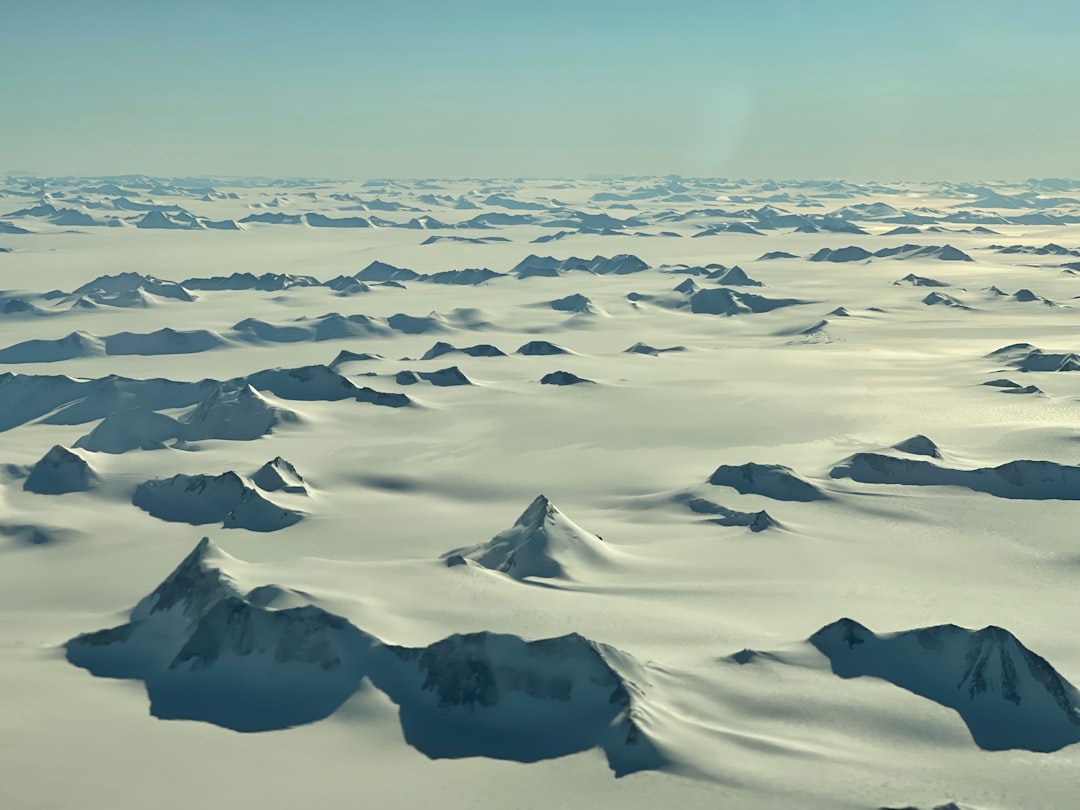
Antarctica, the Earth’s southernmost continent, represents a vast and largely untamed wilderness. Its remote isolation, coupled with its extreme environmental conditions, has historically limited human exploration and scientific inquiry. Despite significant advancements in polar research and technology, numerous regions and phenomena within Antarctica remain largely unexplored, offering tantalizing prospects for groundbreaking discoveries. This article delves into the various facets of Antarctica’s unexplored frontiers, examining the scientific challenges, potential rewards, and the evolving methodologies employed to unveil its hidden secrets.
Beneath Antarctica’s colossal ice sheets lies a world largely hidden from direct observation. This subglacial environment, a complex network of ancient landforms, lakes, rivers, and even potential ecosystems, represents one of the planet’s least understood frontiers. The sheer scale and depth of the ice present formidable obstacles to exploration, yet the scientific dividends of penetrating this realm are immense.
Subglacial Lakes and Hydrology
Antarctica is home to hundreds of subglacial lakes, some of which are comparable in size to major surface lakes. Lake Vostok, one of the largest, has captivated scientists for decades due to its prolonged isolation from the surface environment. These lakes are dynamic systems, interconnected by subglacial rivers and channels, forming intricate hydrological networks that influence ice sheet dynamics and global sea level.
- Lake Vostok: Discovered in 1996, Lake Vostok lies beneath approximately 4 kilometers of ice. Its isolation for millions of years raises the possibility of unique microbial life forms adapted to high pressure, low nutrient availability, and a complete absence of sunlight. Drilling projects, employing environmentally sensitive techniques, have successfully retrieved ancient ice cores and small amounts of lake water, revealing evidence of microbial life within the accretion ice layers above the lake.
- Other Subglacial Lakes: Beyond Vostok, numerous other subglacial lakes, such as Lake Ellsworth and Lake Mercer, have been targeted for exploration. The logistical complexities of accessing these remote bodies of water, coupled with the imperative to prevent contamination, necessitate highly specialized drilling technologies and stringent sterile protocols.
- Subglacial Hydrological Networks: The movement of water beneath the ice sheets plays a crucial role in ice flow dynamics. Understanding these subglacial rivers and their interaction with the bedrock can provide critical insights into the stability of the ice sheets and their potential contribution to future sea level rise. Radar imagery and seismic surveys are increasingly employed to map these hidden water systems.
Subglacial Topography and Geology
The bedrock beneath the Antarctic ice sheet is not a uniform plain but a diverse landscape of mountains, valleys, and basins. This forgotten continent’s geology holds clues to Earth’s ancient past, tectonic movements, and the formation of the supercontinent Gondwana.
- Ancient Mountain Ranges: Magnetic and gravimetric surveys have revealed the existence of extensive mountain ranges buried beneath kilometers of ice, some of which rival the Alps in scale. These formations provide invaluable data for reconstructing paleogeography and understanding the forces that shaped the Earth’s crust.
- Volcanic Activity: Evidence of subglacial volcanism has been detected in several regions, indicating ongoing geological processes beneath the ice. Such activity can influence ice sheet stability and contribute to meltwater production. Studying these geothermal hotspots offers opportunities to understand heat flow within the Earth’s interior and its impact on the cryosphere.
- Sediment Cores: Drill cores extending through the ice and into the underlying sediments can provide a detailed record of past climates, ice sheet fluctuations, and biogeochemical cycles. These geological archives serve as time capsules, preserving evidence of ancient life and environmental conditions.
Antarctica, with its vast and largely unexplored regions, continues to intrigue scientists and adventurers alike. A related article that delves into the mysteries of this frozen continent can be found at Real Lore and Order, where it discusses the potential discoveries that await in the uncharted territories of Antarctica. From hidden ecosystems to ancient geological formations, the article highlights the importance of ongoing research in understanding this remote and critical part of our planet.
The Southern Ocean’s Abyssal Depths: A Realm of Extremes
The Southern Ocean, a formidable body of water surrounding Antarctica, is characterized by its fierce winds, powerful currents, and extreme cold. Its abyssal depths, largely unilluminated and under immense pressure, represent another significant frontier for exploration. These deep-sea environments host unique ecosystems and play a critical role in global ocean circulation and climate regulation.
Deep-Sea Hydrothermal Vents and Seamounts
Along the mid-ocean ridges and fracture zones in the Southern Ocean, geothermal activity creates hydrothermal vents, spewing superheated, mineral-rich fluids into the cold abyssal waters. These “black smokers” support chemosynthetic ecosystems entirely independent of sunlight, representing some of the most extreme environments on Earth.
- Unique Biodiversity: The organisms found at hydrothermal vents often exhibit remarkable adaptations to their harsh surroundings, including specialized metabolic pathways. These ecosystems provide unparalleled opportunities for studying the origins of life and the limits of biological endurance. Remotely Operated Vehicles (ROVs) and Autonomous Underwater Vehicles (AUVs) are essential tools for exploring these challenging environments.
- Mineral Resources: Hydrothermal vents are also sources of valuable mineral deposits, including sulfides rich in copper, zinc, and gold. While commercial exploitation in these sensitive environments is a contentious issue, understanding their formation and distribution is of scientific interest.
- Seamount Ecosystems: Submerged mountains, or seamounts, are biodiversity hotspots in the deep ocean, providing elevated habitats for a variety of marine life. Many seamounts in the Southern Ocean remain unmapped and unexplored, potentially harboring unknown species and unique ecological communities.
Deep-Sea Trenches and Subduction Zones
The few deep-sea trenches found in the Southern Ocean, such as the South Sandwich Trench, are among the Earth’s deepest marine environments. These areas are characterized by extreme pressure and darkness, yet they sustain life and play a role in plate tectonics.
- Hadopelagic Life: Life in the hadal zone (depths greater than 6,000 meters) exhibits extraordinary adaptations to immense pressure. Studying these organisms can provide insights into the evolutionary processes that allow life to thrive under such extreme conditions. Deep-sea landers and pressure-resistant instruments are crucial for sampling and observing these environments.
- Geological Processes: Deep-sea trenches are sites of subduction, where one tectonic plate slides beneath another. This process drives volcanic activity, earthquake generation, and the recycling of crustal material. Detailed mapping and seismic surveys of these trenches provide critical data for understanding plate tectonics and the Earth’s dynamic crust.
The Uncharted Coastal Margins: Where Ice Meets Ocean

Antarctica’s extensive coastline, a dynamic interface between vast ice sheets and the turbulent Southern Ocean, harbors numerous unexplored regions. These coastal margins, including ice shelves, embayments, and subglacial outlets, are crucial for understanding ice sheet stability, ocean circulation, and the distribution of marine life.
Sub-Ice Shelf Cavities
Ice shelves, floating extensions of the land-based ice sheets, play a vital role in buttressing the flow of interior ice. Beneath these massive ice platforms lie extensive cavities where ocean water interacts directly with the ice. These cavities are largely unexplored due to the challenges of access and navigation.
- Ocean-Ice Interactions: The temperature and salinity of the ocean water entering these cavities significantly influence the melt rates of the ice shelves. Understanding these interactions is critical for predicting the future stability of ice shelves and their contribution to sea level rise. Autonomous underwater vehicles (AUVs) equipped with sonar, cameras, and oceanographic sensors are being deployed to explore these hidden environments.
- Unique Ecosystems: It is hypothesized that novel ecosystems may exist within these sub-ice shelf cavities, adapted to low light levels, fluctuating salinity, and unique nutrient regimes. Such environments could harbor specialized microorganisms and invertebrates.
- Calving Dynamics: Ice shelf cavities are also areas where basal melting can weaken the ice, contributing to the process of calving, where large chunks of ice break off to form icebergs. Monitoring these processes is essential for understanding the overall mass balance of the Antarctic ice sheet.
Hidden Fjords and Embayments
Many of Antarctica’s coastal regions are characterized by deep, glaciated fjords and sheltered embayments. While some are accessible, numerous others remain poorly charted or completely unexplored due to persistent sea ice, challenging navigation, and extreme weather.
- Geological History: The morphology of these fjords and embayments provides evidence of past glacial activity and ice sheet retreat. Sediment cores extracted from their floors can reveal detailed records of environmental change over millennia.
- Marine Biodiversity: Sheltered fjords can act as refugia for diverse marine life, including unique invertebrate communities and specialized fish species. Their isolation can lead to the evolution of endemic species.
- Oceanographic Processes: The dynamics of water circulation within these confined coastal environments can differ significantly from the open ocean, influencing nutrient distribution and primary productivity.
Microbes in Extreme Environments: The Invisible Frontier

Beyond the grand landscapes and deep oceans, Antarctica harbors an astounding diversity of microbial life, much of which remains undiscovered and uncharacterized. These microscopic organisms, thriving in environments that would be lethal to most other forms of life, represent a vast and largely invisible frontier of exploration.
Subglacial Microbial Ecosystems
As previously mentioned, subglacial lakes and the underlying sediments are potential havens for unique microbial communities, isolated from the surface for millions of years.
- Chemosynthetic Life: The absence of sunlight in subglacial environments necessitates alternative energy sources. Chemosynthetic microbes, which derive energy from chemical reactions rather than photosynthesis, are likely to dominate these ecosystems. Studying their metabolic pathways and adaptations can provide insights into the origins of life on Earth and the potential for life in extraterrestrial environments.
- Ancient Genetic Material: The ice itself, both within the vast ice sheets and in ancient permafrost, can preserve genetic material from long-dead organisms. Analyzing this ancient DNA can provide a window into past biodiversity and evolutionary trajectories.
- Biogeochemical Cycling: Subglacial microbes play a role in biogeochemical cycling even in these extreme conditions, influencing the chemistry of the subglacial water and sediments.
Microbial Life in Icy and Saline Brines
Within the ice sheet itself, microscopic pockets of highly concentrated saline water, known as cryopegs or brine channels, can host active microbial communities even at temperatures well below freezing.
- Physiological Adaptations: Microbes living in these hypersaline, sub-zero environments exhibit remarkable physiological adaptations, including the production of antifreeze proteins and specialized membrane components. Understanding these adaptations has potential applications in biotechnology and astrobiology.
- “Blood Falls” and Other Phenomena: Phenomena like “Blood Falls” in the McMurdo Dry Valleys, where iron-rich brine flows from beneath a glacier, provide natural laboratories for studying these extreme microbial communities and their geochemical interactions.
- Airborne Microbes: Even the Antarctic atmosphere, seemingly sterile, harbors viable microbial communities transported by winds from other continents or lifted from local sources. Studying these airborne microbes helps understand intercontinental biological dispersal and atmospheric processes.
Antarctica remains one of the most mysterious and least explored regions on our planet, with vast areas still shrouded in secrecy. Recent studies have highlighted the potential for discovering unique ecosystems and ancient ice formations that could provide insights into climate change and Earth’s history. For those interested in learning more about the uncharted territories of this icy continent, a fascinating article can be found here, which delves into the ongoing research and exploration efforts in Antarctica. This resource offers a deeper understanding of the challenges and discoveries that await in these unexplored areas.
Technologies and Methodologies for Unveiling the Unknown
| Metric | Value | Notes |
|---|---|---|
| Percentage of Antarctica Unexplored | ~80% | Estimated area with limited or no detailed exploration |
| Unexplored Subglacial Lakes | >400 | Many remain unvisited and unstudied beneath the ice sheet |
| Unmapped Mountain Ranges | Several | Ranges hidden under ice, such as Gamburtsev Mountains |
| Average Ice Thickness | ~1,900 meters | Thickness varies, complicating exploration |
| Known Microbial Life in Unexplored Areas | Minimal Data | Potential for unique extremophiles in subglacial environments |
| Exploration Methods | Ice-penetrating radar, drilling, remote sensing | Used to study inaccessible regions |
The exploration of Antarctica’s unexplored frontiers necessitates the development and deployment of cutting-edge technologies and innovative methodologies. Overcoming the logistical challenges and environmental extremes requires a multidisciplinary approach, combining insights from glaciology, oceanography, biology, geology, and engineering.
Advanced Remote Sensing
Satellite-based remote sensing has revolutionized our understanding of Antarctica, providing vast amounts of data on ice sheet dynamics, surface topography, and ocean conditions. However, new generations of sensors and analytical techniques are continuously improving our ability to peer beneath the ice and into the depths.
- Ice-Penetrating Radar: High-resolution radar systems mounted on aircraft or satellites can penetrate kilometers of ice, revealing the underlying bedrock topography, subglacial lakes, and internal ice structures. Advances in signal processing and sensor design are enhancing the clarity and depth of these images.
- Gravimetry and Magnetometry: Airborne and satellite-based gravimetric and magnetometric surveys provide crucial information about the density and magnetic properties of the subglacial geology, helping to map hidden mountain ranges and volcanic features.
- Seismic Imaging: Active and passive seismic methods, using sound waves to probe the Earth’s interior, are employed to map subglacial geological structures, characterize sediment layers, and identify areas of geothermal heat flow beneath the ice.
Autonomous Underwater and Remotely Operated Vehicles (AUVs/ROVs)
For exploring the deep ocean, sub-ice shelf cavities, and subglacial lakes, AUVs and ROVs are indispensable. These robotic explorers can withstand extreme pressures, navigate complex environments, and collect data without direct human intervention.
- Under-Ice Navigation: AUVs designed for under-ice operations are equipped with advanced navigation systems, including inertial navigation units, Doppler velocity logs, and upward-looking sonar, to safely traverse the unpredictable undersides of ice shelves.
- Sensor Suites: These vehicles carry sophisticated sensor suites for measuring oceanographic parameters (temperature, salinity, oxygen), acquiring acoustic imagery (multibeam sonar for mapping), and collecting samples (water, sediment, biological).
- Subglacial Lake Access Technologies: For directly exploring subglacial lakes, “clean access” technologies are being developed, including hot water drills that melt pathways through the ice without introducing contaminants, and sterile probes that can sample lake water and sediments.
Cryobots and Sub-Ice Drills
Future exploration of the deep subglacial environment may involve small, autonomous robotic probes, or “cryobots,” designed to melt their way through kilometers of ice to reach subglacial lakes or bedrock directly.
- Thermal Drilling: These cryobots would utilize electrically heated probes to create a meltwater cavity through the ice, with onboard sensors collecting data as they descend.
- Sterilization and Contamination Control: A critical aspect of cryobot design is ensuring absolute sterility to prevent contamination of pristine subglacial environments. This often involves rigorous sterilization protocols and redundant systems.
- Communication Challenges: Communicating with a cryobot deep beneath thousands of meters of ice presents significant engineering challenges, requiring novel acoustic or electromagnetic transmission methods.
The uncharted territories of Antarctica represent a scientific goldmine, holding keys to understanding our planet’s past, present, and future. From the ancient bedrock beneath kilometers of ice to the unique ecosystems thriving in the abyssal depths of the Southern Ocean, the continent continues to challenge our perceptions of life and resilience. The pursuit of these unexplored frontiers is not merely an academic endeavor; it is a critical undertaking for informing climate models, safeguarding unique biodiversity, and potentially unveiling fundamental insights into the origins of life itself. As technology continues to advance, the icy veil over Antarctica’s deepest secrets is gradually being lifted, promising a cascade of transformative discoveries in the decades to come.
FAQs
What are the unexplored areas of Antarctica?
Unexplored areas of Antarctica refer to regions that have not been thoroughly surveyed or studied due to extreme weather conditions, difficult terrain, and logistical challenges. These include parts of the interior ice sheets, subglacial lakes, and remote mountain ranges.
Why are some areas of Antarctica still unexplored?
Many areas remain unexplored because of Antarctica’s harsh climate, thick ice cover, and inaccessibility. The extreme cold, high winds, and remote location make scientific expeditions difficult and expensive, limiting the ability to conduct comprehensive research.
How do scientists explore these unexplored regions?
Scientists use a combination of satellite imagery, ice-penetrating radar, remote sensing technology, and specialized expeditions involving aircraft and icebreakers to study unexplored areas. Subglacial lakes and underground features are often investigated using drilling and robotic probes.
What is the significance of exploring Antarctica’s unexplored areas?
Exploring these areas helps scientists understand Earth’s climate history, ice sheet dynamics, and potential impacts of climate change. It also aids in discovering unique ecosystems and microbial life that exist in extreme environments, contributing to biological and geological knowledge.
Are there any international agreements governing exploration in Antarctica?
Yes, the Antarctic Treaty System regulates activities on the continent, promoting scientific cooperation and environmental protection. It ensures that exploration is conducted peacefully and sustainably, with strict guidelines to preserve Antarctica’s pristine environment.