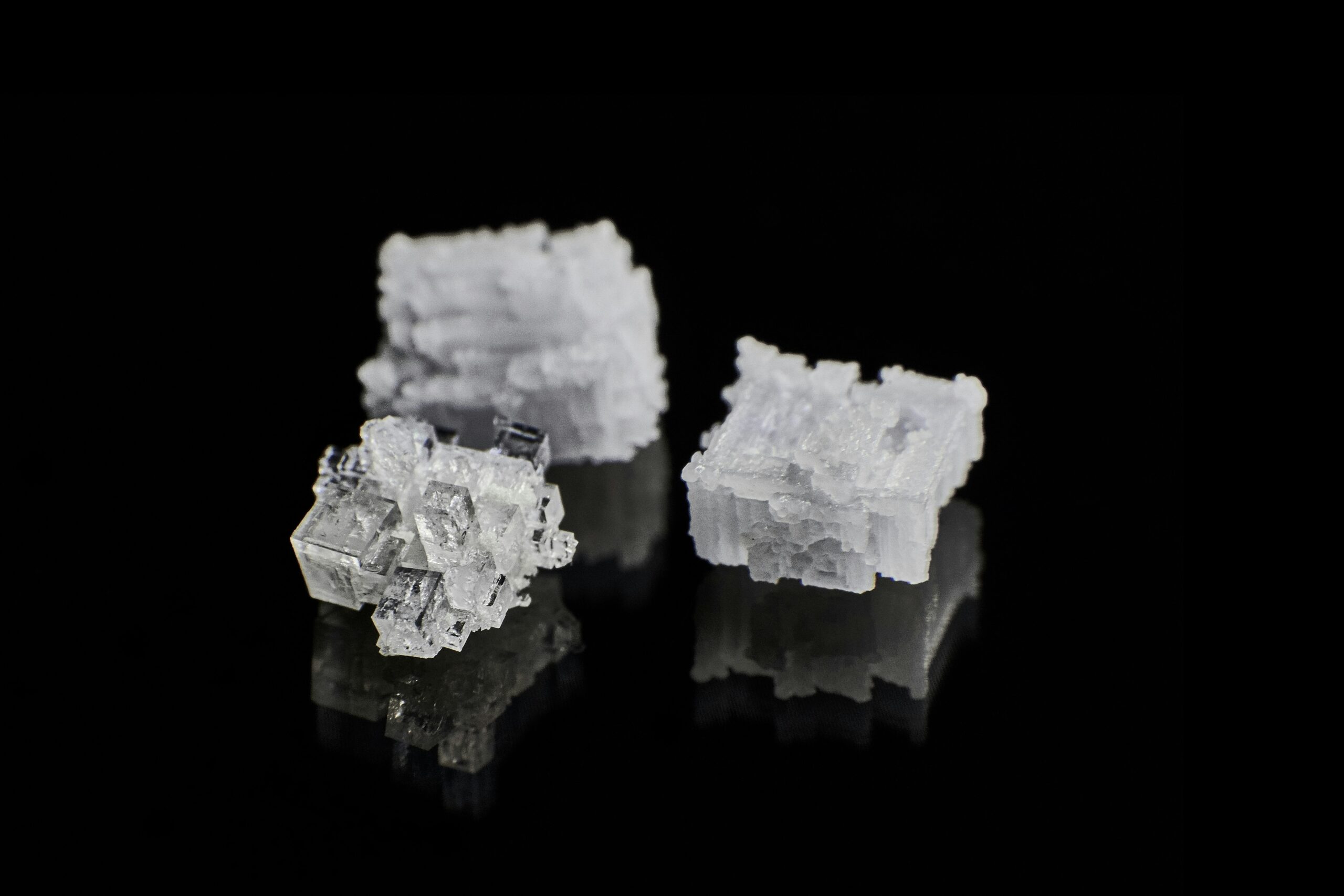
The Mediterranean Sea, a cradle of civilizations and a vibrant tapestry of life, holds secrets far deeper than its azure waters suggest. Beneath its shimmering surface, and in the ancient geological formations that lie scattered across its basin, lies a treasure of immense historical and economic significance: salt. This article delves into the multifaceted story of buried Mediterranean salt, exploring its origins, its past and present extraction, and its enduring impact on the region.
The genesis of the Mediterranean’s vast salt reserves is a dramatic tale of geological upheaval and dramatic climate shifts that unfolded over millions of years. The Mediterranean Basin itself is a complex mosaic of tectonic plates, a region characterized by intense geological activity. This inherent dynamism has played a crucial role in the formation and preservation of these ancient salt deposits.
The Messinian Salinity Crisis: A pivotal moment
Perhaps the most significant event responsible for the abundance of buried salt in the Mediterranean was the Messinian Salinity Crisis, a period that occurred approximately 5.96 to 5.33 million years ago, during the late Miocene epoch. This was not a gradual drying but a catastrophic desiccating event that transformed the entire Mediterranean Sea into a hyper-saline environment, and in some periods, almost entirely into a series of vast salt flats.
The closing of the Strait of Gibraltar
The primary trigger for this crisis was the gradual closure of the Strait of Gibraltar. This narrow seaway, the sole connection between the Mediterranean Sea and the Atlantic Ocean, began to constrict due to tectonic movements and sea-level fluctuations. As the strait narrowed, the influx of fresh Atlantic water diminished, while evaporation from the warm Mediterranean surface continued unabated. This imbalance led to a dramatic increase in salinity.
Evaporation and deposition
With limited replenishment, the waters of the Mediterranean began to evaporate at an accelerated rate. As the water evaporated, dissolved salts, including sodium chloride, sulfates, and other minerals, began to precipitate and accumulate on the seafloor. This process continued for hundreds of thousands of years, leading to the deposition of thick layers of evaporite minerals, with salt being the most abundant.
Recurring cycles of flooding and desiccation
The Messinian Salinity Crisis was not a singular event but likely involved cycles of partial flooding and renewed desiccation. During periods of increased sea level or minor breaches in the Gibraltar barrier, a limited amount of Atlantic water might have entered, temporarily raising the water level and diluting the salinity. However, the overall trend remained one of increasing salinity and eventual near-total desiccation. These recurring cycles contributed to the stratification and complex layering of the salt deposits.
Tectonic forces and burial
Following the Messinian Salinity Crisis, tectonic forces once again came into play. The continued geological activity in the Mediterranean Basin led to the submergence and burial of these massive salt deposits beneath layers of sediment, rock, and other geological formations. Over millions of years, these ancient salt pans became integral parts of the Earth’s crust, locked away and hidden from direct view.
Sedimentary overburden
As rivers brought sediment and erosion carried materials from surrounding landmasses into the basin, thick layers of clay, sand, and other detritus accumulated on top of the dried-up salt beds. These sedimentary layers, over geological time, compacted and solidified, forming sedimentary rock strata that served to protect and preserve the underlying salt formations.
Deformation and folding
The dynamic nature of the Mediterranean’s geology also led to the deformation and folding of these buried salt layers. Tectonic pressures caused the rock formations, including the salt deposits, to buckle and bend, creating complex geological structures such as anticlines and synclines. These geological folds are often where salt deposits are most accessible within the Earth’s crust.
Recent studies have uncovered intriguing insights into the buried salt deposits beneath the Mediterranean, shedding light on the geological history of the region. For those interested in exploring related mysteries of our planet, a fascinating article titled “Glacier Mystery: The Mirror’s Reflection” delves into the enigmatic phenomena associated with glacial formations and their impact on the Earth’s landscape. You can read more about it here: Glacier Mystery: The Mirror’s Reflection.
Ancient hearths and modern mines: The extraction of Mediterranean salt
The story of Mediterranean salt extraction is as old as human civilization in the region. From rudimentary methods of harnessing coastal evaporation to sophisticated modern mining techniques, the methods have evolved, but the desire for this vital commodity has remained constant.
Historical methods: Harnessing the sun and sea
For millennia, the people of the Mediterranean relied on the most accessible and abundant source of salt: the sea itself. Coastal salt pans, utilizing natural evaporation, were the cornerstone of ancient salt production.
Coastal salt pans and salterns
The construction of shallow ponds or “salterns” along coastlines was a widespread practice. These pans were designed to capture seawater, which would then slowly evaporate under the Mediterranean sun and wind. As the water evaporated, the salt concentration increased, eventually leading to crystallization. This harvested salt was then collected, dried, and transported.
Natural evaporation processes
The efficacy of these ancient salterns was directly tied to the region’s climate. Hot, dry summers with consistent winds were ideal conditions for rapid evaporation. The shallow depth of the pans ensured efficient heat absorption and maximized the surface area exposed to the evaporative elements.
Manual labor and simple tools
The extraction process was largely manual. Farmers and laborers would painstakingly rake and shovel the crystallized salt from the pans. Simple tools, often made of wood or bone, were used for this purpose. The harvesting was a labor-intensive undertaking, requiring significant human effort at every stage.
Rock salt harvesting
In some areas, where geological events had brought salt deposits closer to the surface or even exposed them, rock salt was quarried. This was a more direct form of extraction, where chunks of salt were broken off from visible outcrops.
Surface outcrops and shallow mines
Historically, areas with exposed salt formations, often in arid or semi-arid regions, allowed for direct harvesting. As the need for salt grew, rudimentary mining techniques were employed to access these deposits further underground.
Challenges of early rock salt extraction
Early rock salt extraction would have faced numerous challenges. Without advanced knowledge of geology or engineering, miners would have been limited to shallow excavations, often working in unstable conditions. The purity of the extracted salt could also vary significantly depending on the specific geological formation.
Modern mining: Tapping into buried wealth
Today, the extraction of buried Mediterranean salt often involves far more advanced and technologically driven methods, particularly in countries with substantial evaporite deposits.
Underground mining (Conventional)
When salt deposits are found at significant depths, conventional underground mining methods are employed. This involves creating shafts and tunnels to access the salt seams.
Room and pillar technique
A common method is the “room and pillar” technique, where large underground chambers (rooms) are excavated, leaving behind pillars of salt to support the roof and prevent collapse. This method allows for efficient extraction while maintaining structural integrity.
Drilling and blasting
Salt can be drilled and blasted to break it loose. Specialized drilling equipment is used to create boreholes, and then explosives are detonated to fracture the salt. The broken salt is then loaded onto conveyors or into haul trucks for transport.
Mechanical extraction
In some cases, machines comparable to those used in other types of mining, such as continuous miners or roadheaders, can be used to cut and excavate salt directly from the seam.
Solution mining
Solution mining is a highly effective method for extracting salt from deep underground deposits where conventional mining might be uneconomical or too hazardous.
In-situ leaching
This process involves injecting fresh water into the salt deposit through boreholes. The water dissolves the salt, creating a brine solution. This brine is then pumped to the surface, where the salt can be extracted through evaporation or other purification processes.
Controlled extraction
Solution mining offers a high degree of control over the extraction process. The shape and size of the caverns formed by dissolution can be managed by controlling the injection and withdrawal of water, which can also be used to create underground storage facilities.
Surface mining (where applicable)
While less common for deeply buried salt, in some rare instances, where salt deposits are closer to the surface and overlain by less resistant material, surface mining techniques might be employed.
Open-pit mining
This would involve excavating large pits to reach the salt deposits. However, the significant overburden typically associated with buried salt makes this method less practical and economical for most Mediterranean salt deposits.
Recent studies have revealed intriguing insights about the buried salt beneath the Mediterranean, shedding light on the geological history of the region. This discovery has sparked interest in various scientific fields, particularly in understanding how such formations can influence climate and ecosystems. For those interested in exploring related topics, a captivating documentary titled “Lost Power Found” delves into the mysteries of ancient civilizations and their interactions with natural resources. You can learn more about it in this article here.
Processing and purification
Once extracted, the raw salt often undergoes further processing to remove impurities and achieve the desired grade for various applications.
Washing and screening
The extracted salt is typically washed to remove any adhering clay or sediment. It is then screened to separate it into different size fractions.
Evaporation and crystallization
For salt obtained through solution mining, evaporation is a key step. The brine is fed into large evaporators, where water is removed by heat, causing the salt to crystallize. This controlled crystallization can produce a purer and more uniform salt product.
Additives and anti-caking agents
Depending on its intended use, salt may have additives incorporated. For culinary salt, iodine is often added for public health reasons. Anti-caking agents are also frequently used to prevent the salt crystals from clumping together, especially in humid environments.
The economic and cultural significance of salt: A historical perspective

Salt, often referred to as “white gold,” has played a pivotal role in human history, shaping economies, fueling trade, and influencing the very development of societies. The Mediterranean, with its abundant salt resources, was a central player in this global salt economy.
Salt as a fundamental commodity
Salt is not merely a flavor enhancer; it is an essential nutrient for life. Humans and animals require salt for various biological functions, including nerve function and fluid balance. This fundamental biological need made salt a commodity of paramount importance from the earliest times.
Preservation of food
Before refrigeration, salt was the primary method for preserving food, particularly meat and fish. Salting allowed for the storage and transportation of food over long distances, enabling longer voyages, supporting armies, and facilitating trade. This preservation capability was crucial for the survival and expansion of early civilizations.
Economic importance of salt trade
The control and trade of salt generated immense wealth and power for individuals, cities, and empires. Control over salt mines and trade routes could lead to significant economic leverage. The Mediterranean Sea, with its numerous coastlines and abundant salt production centers, became a vital artery for the international salt trade.
Roman salt roads and economic networks
The Roman Empire, in particular, understood the strategic importance of salt. They built extensive “salt roads” (via salaria) to transport salt from production centers to major population hubs. The control of salt resources contributed significantly to the Roman economy and their military logistics.
Venice and the salt monopoly
The Republic of Venice, a formidable maritime power, built a significant portion of its wealth and influence on its control of the salt trade. They established monopolies over salt production and distribution, becoming a major intermediary in the trade of salt from various Mediterranean sources.
Salt rituals and symbolism
Beyond its practical uses, salt has also held deep cultural and symbolic meanings across the Mediterranean and beyond. Its rarity, its preservative qualities, and its role in sustenance imbued it with near-sacred status in many cultures.
Religious and spiritual significance
In many ancient religions, salt was used in purification rituals and as an offering to deities. Its association with preservation and permanence lent it a symbolic connection to eternity and the divine.
Purity and cleansing
The crystalline purity of salt, coupled with its ability to preserve

When the Mediterranean Became a Desert | The Messinian Salinity Crisis Explained

FAQs
What is the significance of buried salt beneath the Mediterranean?
The buried salt beneath the Mediterranean is significant because it can provide valuable information about the geological history of the region, including the formation of the Mediterranean Sea and the movement of tectonic plates.
How did the buried salt beneath the Mediterranean form?
The buried salt beneath the Mediterranean formed millions of years ago when the region was covered by a shallow sea. Over time, the water evaporated, leaving behind thick layers of salt deposits. These deposits were then buried by layers of sediment as the Earth’s crust shifted and changed.
What can studying the buried salt beneath the Mediterranean tell us about the Earth’s history?
Studying the buried salt beneath the Mediterranean can provide insights into the ancient climate, sea level changes, and tectonic activity that shaped the region. It can also help scientists understand the formation of salt deposits and their role in the Earth’s geological processes.
How do scientists study the buried salt beneath the Mediterranean?
Scientists study the buried salt beneath the Mediterranean using a variety of methods, including seismic imaging, drilling, and laboratory analysis of rock samples. These techniques allow researchers to create detailed maps of the salt deposits and analyze their composition and structure.
What are the potential practical applications of studying the buried salt beneath the Mediterranean?
Studying the buried salt beneath the Mediterranean can have practical applications in the fields of energy exploration, geology, and environmental science. For example, it can help identify potential locations for oil and gas reserves, as well as understand the potential impact of salt tectonics on the stability of the Earth’s crust.