The vast, grassy mounds of Cahokia, a once-thriving pre-Columbian metropolis near modern-day St. Louis, have long captivated archaeologists and historians. For centuries, these earthen monuments stood as silent witnesses to a complex society that flourished between approximately 1050 and 1350 CE, a period known as the Mississippian culture. While much has been learned about Cahokia’s urban planning, social hierarchy, and extensive trade networks, the precise understanding of their astronomical knowledge, particularly their use of celestial bodies for calendrical purposes, has remained an elusive yet tantalizing pursuit. Recent archaeological investigations, coupled with re-examinations of existing data, are shedding new light on how the inhabitants of Cahokia might have meticulously tracked the passage of time, potentially through a sophisticated solar calendar embedded within their monumental architecture and ceremonial practices.
Before delving into the intricacies of its calendrical systems, it is essential to establish the context of Cahokia’s remarkable achievement. Emerging as the dominant center in the Mississippi River Valley, Cahokia was not merely a collection of villages but a true urban landscape. Its population is estimated to have reached tens of thousands at its zenith, making it larger than contemporary London. The city was characterized by a highly organized social structure, evidenced by the monumental scale of its construction projects, the elaborate burials, and the widespread distribution of its cultural influence.
The Rise of a Mississippian Metropolis
Cahokia’s growth was not accidental. It was a testament to effective agricultural practices, strategic control of trade routes, and a powerful leadership that could mobilize vast labor forces. The construction of over 100 mounds, some reaching impressive heights like Monks Mound, required an understanding of engineering and resource management far beyond what was once attributed to indigenous peoples of North America.
Monks Mound: A Central Nexus of Power and Planning
Monks Mound, the largest artificial earthwork in the Americas, served as the political and ceremonial heart of Cahokia. Its sheer scale and intricate terracing suggest it was more than just a burial site or a platform for a chief’s residence. Its alignment and placement within the broader city plan hint at deliberate design considerations that may have extended to astronomical observation.
Social Complexity and Daily Life
The archaeological record reveals a stratified society with distinct classes, from elites to commoners. Evidence of specialized craft production, sophisticated pottery, and extensive trade networks speaks to a vibrant and interconnected community. Understanding their daily lives, their agricultural cycles, and their spiritual beliefs is crucial to deciphering their understanding of time.
Agricultural Cycles and Seasonal Rhythms
Life in Cahokia was inextricably linked to the natural world and its predictable cycles. The cultivation of maize, beans, and squash formed the backbone of their subsistence. The timing of planting, harvesting, and other agricultural tasks would have been critical for survival and prosperity, underscoring the practical need for an accurate calendar.
Recent archaeological studies at Cahokia have shed light on the sophisticated solar calendar used by its inhabitants, revealing how they aligned their agricultural practices with celestial events. This fascinating topic is further explored in a related article that discusses the broader implications of environmental changes on ancient civilizations, particularly focusing on isostatic rebound and Antarctic topography. For more insights, you can read the article here: Isostatic Rebound and Antarctic Topography: A Changing Landscape.
Whispers of Celestial Observation: Early Interpretations
The idea that ancient peoples observed the stars and sun for calendrical purposes is not new. Across the globe, from the ancient Egyptians to the Maya, monumental structures have been found to align with celestial events. Early archaeologists working at Cahokia began to notice patterns that suggested a similar level of astronomical awareness.
Early Excavations and Intriguing Discoveries
Initial excavations at Cahokia, particularly in the early 20th century, unearthed artifacts and structures that hinted at a sophisticated understanding of the cosmos. The placement of structures, the orientation of burials, and the discovery of certain artifacts sparked curiosity about the astronomical knowledge of the Cahokians.
The Hennepin Collection and Early Speculations
While not directly from Cahokia, the writings of Father Louis Hennepin, a 17th-century French missionary who encountered Native American cultures, often contained observations about their connection to the natural world and celestial bodies. These early, albeit indirect, accounts fueled speculation about the potential for astronomical calendars among later Mississippian societies.
The “Woodhenge” Hypothesis: A Paradigm Shift
Perhaps the most significant early breakthrough in understanding Cahokia’s potential astronomical calendar came with the discovery and interpretation of “Woodhenge.” These circular arrangements of large wooden posts, located to the east of the main urban center, were initially puzzling. However, their systematic arrangement and alignment with the rising sun on key astronomical dates began to suggest a deliberate calendrical function.
Excavating the Circles of Wood
The discovery of numerous post molds, arranged in concentric circles, led to the hypothesis that these were once marked by massive wooden posts. The careful mapping of these post positions and their relationship to the cardinal directions provided the initial clues.
The Reconstructed Woodhenge: A Living Calendar
Subsequent archaeological work, particularly by Dr. Warren L. Wittry in the 1960s, involved reconstructing one of these “Woodhenge” circles. This reconstruction, based on the excavated post molds, allowed for direct observation of how the posts aligned with the sunrise on solstices and equinoxes.
Unraveling the Solar Calendar: Key Archaeological Evidence
The evidence for a Cahokian solar calendar is multifaceted, drawing from the spatial organization of the city, the astronomical alignments of its structures, and the types of artifacts discovered. The concept of a solar calendar implies a system of tracking the sun’s apparent movement throughout the year, marking significant points like the solstices (longest and shortest days) and equinoxes (equal day and night).
Alignments with Solstices and Equinoxes
The most compelling evidence for a solar calendar at Cahokia lies in the alignment of its monumental structures with solar events. The Woodhenge circles are the prime example, but other structures and even natural features within the landscape appear to have been utilized.
The Eastern Alignment of Woodhenge Posts
The posts within the Woodhenge circles were positioned such that on the summer solstice, the sun would rise directly over a specific post. Similarly, alignments with the winter solstice and the spring and fall equinoxes have been identified or are strongly suggested by the geometry of the post arrangements.
The Significance of the Summer Solstice Sunrise
The summer solstice, marking the longest day of the year, often holds particular cultural and spiritual importance for agricultural societies. Its precise marking would have been crucial for understanding the peak of the growing season and for planning future agricultural endeavors.
Monks Mound and its Celestial Connections
While not as directly aligned as Woodhenge, Monks Mound’s imposing presence and its strategic placement within the city suggest a possible role in astronomical observation. Researchers have explored potential alignments from specific vantage points on Monks Mound with celestial events.
The “Grand Plaza” and its Solar Significance
The vast, flat plaza in front of Monks Mound may have also served as a ceremonial space where astronomical events were observed. Its open expanse would have provided an unobstructed view of the horizon, allowing for precise tracking of the sun’s rising and setting points.
The Role of Directionality and Orientation
The Mississippian culture, and Cahokia in particular, placed significant emphasis on cardinal directions and symbolic orientations. This meticulous attention to directionality is a hallmark of societies that are attuned to the movements of celestial bodies.
The Four Cardinal Directions and Their Symbolic Meanings
The four cardinal directions—north, south, east, and west—were imbued with symbolic meaning in many indigenous cultures, often associated with different spirits, colors, or phases of life. The careful alignment of Cahokia’s major structures with these directions suggests a worldview that integrated the earthly and the celestial.
The “Cosmological Map” of Cahokia
The overall layout of Cahokia, with its central mounds and radiating plazas, can be interpreted as a terrestrial representation of their cosmological beliefs, where the cardinal directions played a crucial role in structuring their understanding of the universe.
Artifacts and Iconography: Clues to Timekeeping
Beyond monumental architecture, archaeological finds of artifacts and the analysis of their iconography can offer further insights into Cahokian timekeeping practices.
The Disks and Circles in Mississippian Art
Circular motifs and disks are prevalent in Mississippian art, appearing on pottery, shell gorgets, and other artifacts. These recurring symbols may represent the sun, the moon, or cycles of time.
The “Sun Disk” Imagery and its Interpretations
Certain artifacts, often interpreted as representing the sun, exhibit intricate designs that could reflect an understanding of solar phenomena, such as rays or concentric patterns that echo the sun’s apparent movement or phases.
The Game of Chunkey and its Possible Calendrical Associations
The ancient game of chunkey, played with a disk and a pole, was a popular pastime in Mississippian societies. While its primary function was likely recreational, some scholars have proposed that the game’s scoring or rituals might have incorporated elements of calendrical observation or prediction.
Beyond the Solar: Other Potential Calendrical Systems
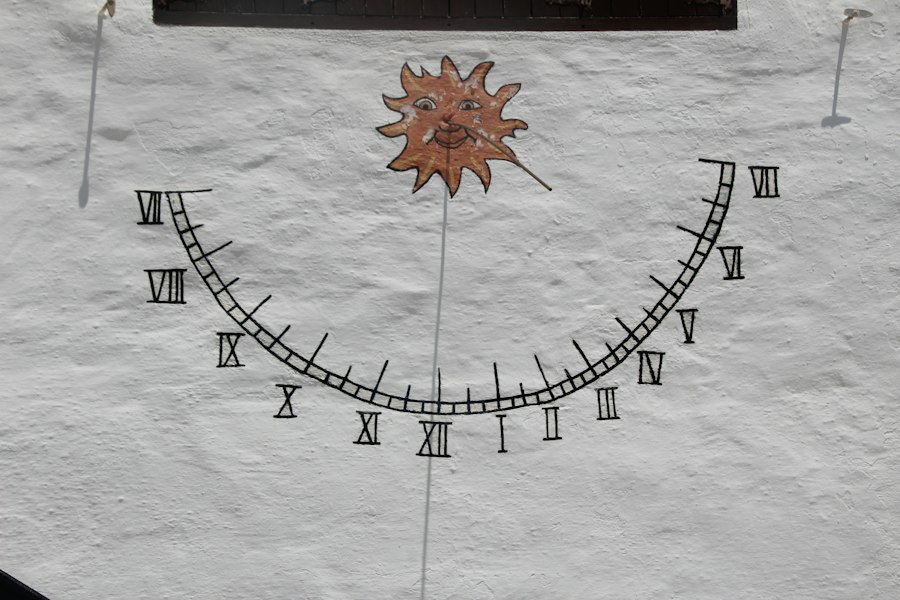
While the evidence for a solar calendar at Cahokia is strong, it is important to acknowledge that indigenous cultures often employed multiple, interconnected calendrical systems. These might have included lunar cycles, agricultural seasons, and ceremonial cycles that were interwoven.
Lunar Cycles and their Influence
The moon, with its predictable phases, has served as a fundamental timekeeping tool for cultures worldwide. The possibility that Cahokians incorporated lunar cycles into their calendrical system is plausible, even if the direct archaeological evidence is less pronounced than for solar alignments.
The “Moon Calendar” Hypothesis
Some researchers suggest that certain patterns in Cahokian artifact distribution or ceremonial practices might reflect an awareness of lunar cycles, such as the tracking of full moons or new moons for important events.
The Absence of Explicit Lunar Structures
Unlike some Mesoamerican cultures that have dedicated lunar observatories, direct evidence of structures solely dedicated to lunar observation at Cahokia is scarce. However, this does not preclude its integration into their broader understanding of time.
Agricultural and Ceremonial Calendars
The practical needs of agriculture and the cyclical nature of religious ceremonies would have undoubtedly dictated a need for accurate timekeeping. These calendars would have been deeply intertwined with the solar and potentially lunar cycles.
The Rhythm of Planting and Harvesting
The success of Cahokian agriculture depended on precise timing. The observation of astronomical events, particularly the solstices and equinoxes, would have provided crucial benchmarks for agricultural planning.
The “First Corn” Ceremony
The planting of the first corn and the subsequent harvest would have been marked by significant ceremonies. These ceremonies would have been timed according to astronomical cues and agricultural readiness.
The Cycles of Ritual and Religion
Cahokia was a society deeply rooted in spiritual beliefs. Its religious practices would have followed a cyclical pattern, with specific ceremonies and festivals occurring at particular times of the year, likely tied to astronomical events.
The Importance of Sunrise and Sunset in Rituals
The rising and setting of the sun, as well as the celestial positions of other bodies, often held profound spiritual significance in indigenous cosmologies. Cahokian rituals likely incorporated these observations.
Recent discoveries in Cahokia have shed light on the advanced solar calendar used by its inhabitants, revealing their sophisticated understanding of astronomy and agriculture. This fascinating aspect of Cahokian culture is further explored in a related article that discusses how ancient civilizations adapted to their environments, which can be found here. The insights gained from these archaeological findings not only enhance our knowledge of Cahokia but also provide valuable lessons on sustainability and resource management that are relevant today.
Enduring Mysteries and Future Directions
| Month | Solar Alignment | Significance |
|---|---|---|
| March | Equinox | Equal day and night |
| June | Summer Solstice | Longest day of the year |
| September | Equinox | Equal day and night |
| December | Winter Solstice | Shortest day of the year |
Despite the significant advancements in our understanding of Cahokia’s potential solar calendar, numerous questions remain unanswered. The full extent of their astronomical knowledge, the precise mechanisms they employed, and the integration of different calendrical systems are areas ripe for continued research.
The Language of the Stars: Deciphering Cahokian Astronomy
While we can infer astronomical alignments, deciphering the precise “language” of Cahokian astronomy—their specific terminology, their conceptual frameworks, and the nuances of their observations—remains a significant challenge.
The Need for Interdisciplinary Approaches
Future research will likely benefit from greater collaboration between archaeologists, archaeoastronomers, anthropologists, and even historians who can provide comparative insights from other indigenous cultures.
Computational Modeling and Simulations
Advanced computational tools can be used to simulate celestial events from the past and test hypotheses about specific alignments and observational points at Cahokia.
The Elusive Nature of Oral Traditions
Much of what we might know about Cahokian calendrical practices could have been passed down through oral traditions that are now lost to us. The challenge lies in finding tangible evidence in the archaeological record that resonates with these potential traditions.
The Importance of Contextualizing Findings
Each artifact, each post mold, and each mound needs to be analyzed within its broader cultural and environmental context to extract the maximum information about its potential calendrical significance.
Comparing Cahokia with Other Mississippian Centers
Understanding how Cahokia’s astronomical practices compare to those of other Mississippian sites might reveal regional variations or a shared calendrical framework across the culture.
Preserving and Protecting Cahokia’s Legacy
As research continues, it is paramount to ensure the preservation of Cahokia’s archaeological sites. Future generations deserve the opportunity to study and learn from this remarkable testament to human ingenuity and its deep connection to the cosmos. The ongoing efforts to protect and interpret Cahokia are vital for uncovering the full story of its sophisticated inhabitants and their place in the grand tapestry of human history.

A City Bigger Than London Once Stood in America. Then It Vanished.
FAQs
What is the Cahokia solar calendar?
The Cahokia solar calendar is an ancient Native American site located in present-day Illinois, USA. It is a series of wooden posts arranged in a circle that align with the movements of the sun, allowing for the tracking of the solar year.
How old is the Cahokia solar calendar?
The Cahokia solar calendar dates back to the Mississippian culture, which flourished between 900-1500 AD. The calendar itself is estimated to be around 1,000 years old.
What is the significance of the Cahokia solar calendar?
The Cahokia solar calendar is significant because it demonstrates the advanced astronomical knowledge and engineering skills of the Mississippian culture. It also suggests the importance of celestial events in their religious and cultural practices.
How was the Cahokia solar calendar discovered?
The Cahokia solar calendar was discovered through archaeological excavations and research at the Cahokia Mounds State Historic Site. The alignment of the wooden posts with the movements of the sun was identified through careful observation and analysis.
What can we learn from the Cahokia solar calendar?
Studying the Cahokia solar calendar can provide insights into the astronomical knowledge, cultural practices, and societal organization of the Mississippian people. It also offers a glimpse into the ways ancient civilizations interacted with and understood the natural world.