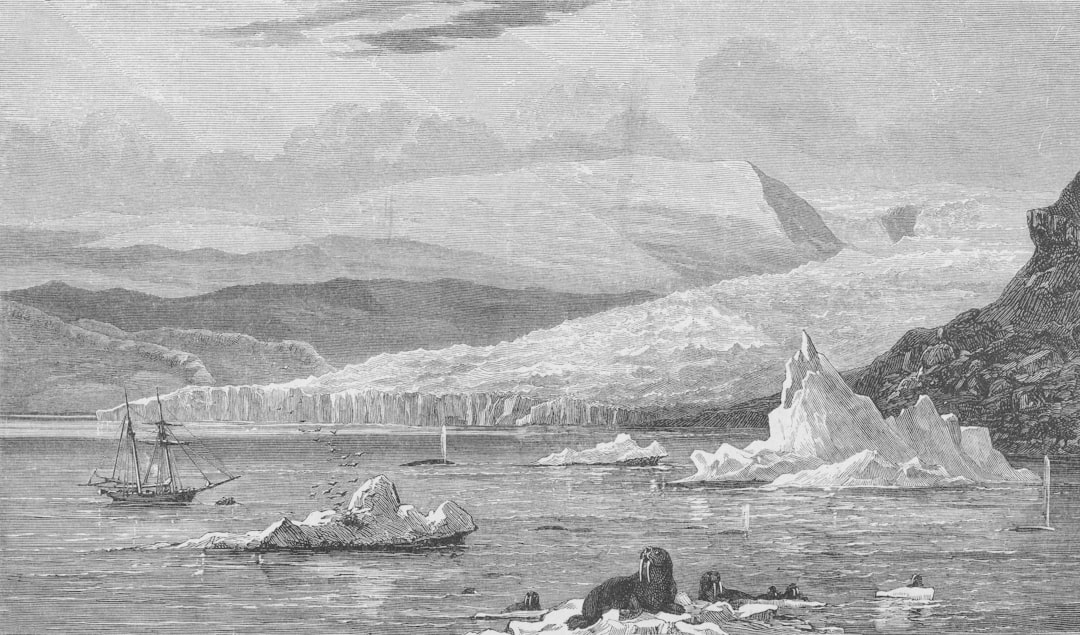
The frigid expanse of the Canadian Arctic, a land of stark beauty and profound silence, has long held its secrets close. For centuries, the harsh environment, coupled with the vastness of the terrain, has acted as a formidable guardian of its past. Yet, beneath the ice and snow, a compelling narrative of human endeavor, survival, and cultural evolution lies waiting to be unearthed. This article delves into some of the most captivating historical mysteries that continue to intrigue archaeologists, historians, and enthusiasts alike, shedding light on the rich tapestry of human presence in this challenging yet enduring region.
The arrival of the Thule people in the Canadian Arctic, marking a significant turning point in the region’s pre-contact history, remains a subject of ongoing exploration and debate. Their ancestors, originating from Bering Strait, embarked on a remarkable migration eastward, eventually populating much of the Arctic coastline. The speed and efficiency of this expansion are a testament to their advanced seafaring technology and their profound understanding of the Arctic environment.
Unraveling the Timeline of Arrival
Determining the precise timing of the Thule arrival is crucial to understanding their interactions with existing populations and their adaptation strategies. Radiocarbon dating of archaeological sites, coupled with genetic studies, has provided invaluable insights. However, subtle variations in dating methods and the interpretation of fragmented evidence continue to fuel scholarly discussions.
The Significance of Early Settlements
The discovery of early Thule settlements, characterized by distinct architectural styles and toolkits, offers vital clues about their initial movements and territorial claims. These sites, often found in strategically advantageous locations for hunting and resource management, reveal the ingenuity of a people on the move, establishing themselves in a new and demanding landscape.
Technological Prowess and Adaptations
The Thule culture is renowned for its sophisticated technologies, which were instrumental in their successful colonization of the Arctic. Their mastery of the kayak, a nimble and efficient watercraft, allowed them to travel vast distances and exploit marine resources. Similarly, their specialized harpoons and hunting techniques were highly adapted to the unique challenges of Arctic hunting.
The Utqiagvik Tradition and its Echoes
The Utqiagvik tradition, an early phase of Thule culture, provides a foundational understanding of their material culture and subsistence strategies. Studying the artifacts recovered from Utqiagvik sites – including bone and ivory tools, soapstone lamps, and early forms of dwellings – allows researchers to trace the development of their unique adaptations and their ancestral connections.
Interactions with Indigenous Groups
The arrival of the Thule did not occur in a vacuum. Evidence suggests a complex mosaic of interactions, including potential displacement and assimilation, with the Indigenous peoples who previously inhabited the Arctic. Understanding these relationships is essential for a holistic view of the region’s human history.
The Dorset-Thule Transition
The transition from the Dorset culture to the Thule culture represents a pivotal period of change. Archaeological evidence from sites exhibiting characteristics of both cultures provides a tangible record of this shift, raising questions about the nature of contact, acculturation, or the more gradual replacement of one group by another.
The Canadian Arctic has long been a subject of intrigue, with its vast landscapes and rich history often shrouded in mystery. One fascinating aspect of this region is the historical significance of the materials and techniques used by its indigenous peoples. For instance, the art of crafting Damascus steel, which has roots in ancient metallurgy, shares a connection to the resourcefulness and ingenuity found in Arctic cultures. To explore this intriguing intersection of history and craftsmanship, you can read more in the article available at The Art of Crafting Damascus Steel.
The Enigma of the Pre-Dorset Peoples
Long before the Thule expansion, the Canadian Arctic was home to other ancient peoples, their stories etched in the land by a sparse but significant archaeological record. Among the earliest are the Pre-Dorset peoples, whose presence pushes back the timeline of human habitation in the High Arctic by millennia. Their existence challenges our understanding of early human migration and adaptation to extreme environments.
Tracing the Footprints of the Earliest Inhabitants
The identification and study of Pre-Dorset sites are often a painstaking endeavor. Due to the antiquity of these settlements and the erosive forces of the Arctic environment, evidence can be scarce and difficult to interpret. Nevertheless, the discoveries made have been groundbreaking, painting a picture of resourceful hunter-gatherers who thrived in a landscape far more challenging than previously imagined.
Lithic Technologies and Their Significance
The tools left behind by the Pre-Dorset peoples, primarily crafted from stone (lithics), are crucial to their identification and study. The types of stone used, the flaking techniques employed, and the resulting tools – such as projectile points, scrapers, and microblades – provide insights into their hunting practices, their resourcefulness, and their technological capabilities.
Dietary Habits and Subsistence Strategies
Understanding what the Pre-Dorset peoples ate and how they acquired their food is fundamental to comprehending their survival. Analysis of faunal remains found at their sites, such as caribou bones and seal bones, reveals their reliance on a mixed diet of terrestrial and marine animals. This dietary flexibility was key to their ability to adapt to the Arctic’s seasonal fluctuations.
The Role of Marine Resources
While terrestrial hunting was important, the evidence strongly suggests that marine resources played a significant role in the Pre-Dorset diet. Discoveries of fish bones and shell fragments, along with their presence in coastal areas, point to sophisticated hunting techniques for marine mammals and fish, demonstrating an early adaptation to the Arctic’s rich coastal ecosystems.
Cultural Affiliations and Connections
The question of the Pre-Dorset peoples’ cultural affiliations and their relationship to later Arctic cultures remains a central mystery. While some similarities have been noted with later groups, their distinctiveness often leads researchers to consider them as a separate, ancestral lineage.
The Mystery of their Disappearance
The ultimate fate of the Pre-Dorset peoples is not clearly understood. While the Dorset culture eventually supplanted them, the precise reasons for this transition – whether through gradual assimilation, displacement, or a combination of factors – are still subjects of ongoing research and speculation.
The Lost Voyages of European Explorers
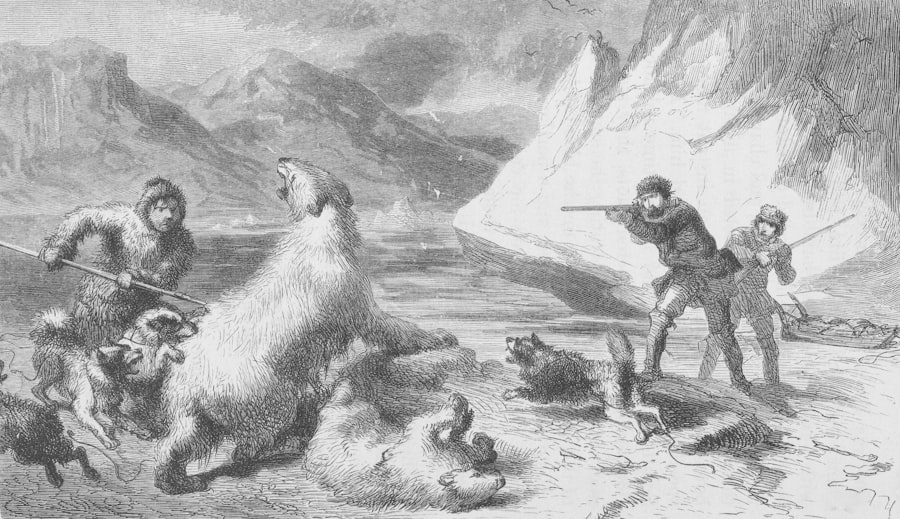
The quest for the Northwest Passage, a legendary sea route through the Arctic connecting the Atlantic and Pacific Oceans, drew European explorers to the Canadian Arctic for centuries. These expeditions, often fraught with peril and driven by ambition, left behind a trail of tantalizing clues and enduring mysteries.
The Ill-Fated Franklin Expedition
Perhaps the most famous and tragic of these expeditions is that of Sir John Franklin. His 1845 quest to navigate the Northwest Passage, with two ships and over 120 men, ended in a calamitous disappearance that has captivated imaginations and fueled numerous search efforts for over a century.
Uncovering the Clues from Artifacts
The discovery of artifacts from the Franklin expedition – including tin cans, personal belongings, and remnants of ship timbers – has provided crucial, albeit fragmented, insights into the fate of the crew. These finds, often recovered through underwater archaeology and terrestrial surveys, offer grim testament to the hardships they endured.
The Significance of Shipwreck Discoveries
The discovery of the HMS Erebus and HMS Terror, the two ships of the Franklin expedition, has been a monumental achievement. These well-preserved wrecks have offered unparalleled opportunities to study the ships themselves, their contents, and the final days of the crew, providing direct evidence of their struggles and their ultimate demise.
Tracing the Last Known Movements
By piecing together historical accounts, Inuit oral traditions, and the locations of discovered artifacts and shipwrecks, researchers are attempting to reconstruct the final movements of Franklin’s ships and the fate of his crew. This ongoing puzzle involves a multidisciplinary approach, combining historical analysis with modern forensic techniques.
Other European Expeditions and Their Legacies
Beyond Franklin, numerous other European expeditions ventured into the Arctic, each contributing to the cartography of the region and leaving behind their own set of mysteries. The records of these voyages often reveal tales of hardship, scientific discovery, and encounters with Indigenous peoples.
The Role of Inuit Knowledge in Exploration
It is crucial to acknowledge the invaluable role played by Inuit knowledge and assistance in the success and survival of many European expeditions. Their deep understanding of the Arctic environment, its wildlife, and its passages was often the key to navigating its treacherous waters and surviving its brutal winters.
Documenting Encounters and Cultural Exchange
The journals and reports from these expeditions often contain early, albeit sometimes biased, accounts of interactions between Europeans and the Indigenous peoples of the Arctic. These documents offer insights into the cultural exchanges, the challenges of communication, and the evolving relationships between these vastly different worlds.
The Riddle of the Stone Effigies
Scattered across the Arctic landscape are enigmatic stone structures and carvings, often referred to as “stone effigies” or “inukshuk.” While some of these serve practical purposes as navigation aids or markers, others possess a more profound and mysterious quality, hinting at ancient spiritual beliefs and complex societal practices.
Interpreting the Purpose of Inuksuit
The iconic inuksuit, stone figures constructed by Inuit and their ancestors, have long served a variety of functions. Understanding these diverse purposes is key to deciphering their cultural significance, ranging from hunting blinds and signaling devices to spiritual markers and memorial sites.
The Diversity of Inuksuit Forms
Inuksuit are not monolithic; they exist in a surprising array of shapes and sizes. From small, single-stone markers to large, anthropomorphic figures, their diverse forms suggest a rich symbolic language and a deep connection to the natural and spiritual world.
Spiritual and Symbolic Meanings
Beyond their practical uses, many inuksuit are believed to hold deep spiritual and symbolic meanings for the Inuit. These interpretations often stem from oral traditions and elders’ knowledge, pointing to their role in shamanistic practices, ceremonies, and as conduits to the spirit world.
Connecting with the Ancestral Past
Some inuksuit are thought to represent ancestors or important spiritual beings, serving as focal points for remembrance and connection to the past. The act of building and maintaining these structures underscores a profound respect for lineage and the continuum of life.
The Mystery of Ancient Stone Art
In addition to the more recognizable inuksuit, other ancient stone carvings and arrangements have been discovered, their purpose and origin less clear. These might include abstract designs, depictions of animals, or arrangements of stones that do not readily fit known functional categories.
Unanswered Questions about Their Creation
The methods used to create these ancient stone works, particularly those that appear intricately carved or deliberately placed, are not always fully understood. The tools available at the time and the energy expended in their creation raise questions about the societies that produced them and their motivations.
The Canadian Arctic has long been a region shrouded in historical mysteries, with tales of lost explorers and ancient civilizations waiting to be uncovered. One intriguing aspect of this area is how climate change is revealing artifacts and remnants of past cultures, shedding light on the lives of those who once thrived in these harsh environments. For a deeper understanding of the contemporary implications of these changes, you can explore the article on climate refugees and the growing crisis of displacement, which highlights the urgent need to address the challenges faced by communities affected by environmental shifts. To read more about this pressing issue, visit this article.
Echoes of Lost Cultures in the Landscape
| Location | Year | Discovery |
|---|---|---|
| King William Island | 1845 | HMS Erebus and HMS Terror discovered |
| Victoria Strait | 2014 | Franklin Expedition shipwrecks found |
| Arctic Bay | 1930 | Thule people artifacts discovered |
The Canadian Arctic’s landscape bears the imprint of cultures that have long since vanished, leaving behind archaeological sites that offer glimpses into their lives, beliefs, and eventual decline. Uncovering these remnants requires meticulous excavation and careful interpretation of often subtle clues.
The Dorset Culture: Masters of the Arctic Before the Thule
The Dorset culture, which predates the Thule expansion, represents a distinct and fascinating chapter in Arctic prehistory. Their unique artistic traditions, their hunting technologies, and their adaptation to the challenging Arctic environment have left a lasting legacy.
The Art of the Dorset People
Dorset art is renowned for its intricate carvings in ivory, bone, and stone. These artifacts, often depicting humans, animals, and mythological beings, provide a window into their worldview, their spiritual beliefs, and their artistic sensibilities. The realism and detail in their carvings are remarkable for their time.
The Significance of Small Figurines
Dorset figurines, often small and delicate, are particularly intriguing. Their purpose remains a subject of debate, with theories ranging from shamanistic objects and toys to charms for good fortune. Their widespread distribution suggests a connected cultural network.
Subsurface Settlements and Hidden Histories
Many ancient Arctic settlements are not readily visible on the surface, requiring specialized archaeological techniques to locate and excavate. These subsurface sites can preserve delicate organic materials and offer insights into daily life that might be lost in more exposed locations.
The Importance of Faunal and Floral Remains
The study of faunal and floral remains from archaeological sites is crucial for understanding the diets, hunting practices, and environmental adaptations of past Arctic peoples. Identifying the types of animals hunted and the plants gathered provides essential data on their subsistence strategies.
Evidence of Environmental Change
The archaeological record can also provide evidence of past environmental changes, such as shifts in sea ice extent, climate fluctuations, and changes in animal populations. These findings help us understand how past Arctic societies responded to and adapted to these environmental challenges, offering valuable parallels to modern climate change concerns.
The Unexplained Decline of Ancient Populations
The reasons for the decline or disappearance of certain Arctic cultures, such as the Dorset, remain a compelling historical mystery. While theories abound, definitive answers are often elusive, requiring further research and careful synthesis of archaeological and environmental data.
The Role of Climate and Resource Availability
Changes in climate and the availability of critical resources, such as sea mammals or caribou, are often cited as potential factors in the decline of ancient populations. Understanding these ecological pressures is vital for piecing together the complex puzzle of their disappearance.
The Impact of External Factors
The possibility of external factors, such as disease outbreaks or interactions with other human groups, also plays a role in these historical narratives. While direct evidence can be scarce, the potential impact of such influences cannot be entirely discounted when considering the fate of ancient Arctic societies.
The Canadian Arctic, with its vast, untamed landscapes and its long, often hidden, human history, continues to beckon researchers and explorers. Each artifact recovered, each site excavated, and each piece of oral tradition carefully considered brings us closer to understanding the remarkable stories of those who have called this challenging yet enduring land home. The mysteries that remain only serve to fuel our curiosity and deepen our appreciation for the resilience, ingenuity, and profound connection to the land that has characterized human life in the Arctic for millennia.

129 Men Vanished in the Arctic. Then We Found Their Ships.
FAQs
What is the Canadian Arctic historical mystery?
The Canadian Arctic historical mystery refers to the unexplained disappearance of the Franklin Expedition in 1845. The expedition, led by Sir John Franklin, aimed to navigate the Northwest Passage but ultimately ended in tragedy with the loss of all crew members.
What happened to the Franklin Expedition?
The fate of the Franklin Expedition remained a mystery for many years. It is now believed that the ships became trapped in ice and the crew attempted to travel on foot, leading to their demise from exposure, starvation, and lead poisoning from canned food.
What evidence has been found regarding the Franklin Expedition?
In recent years, several pieces of evidence have been discovered, including the wreckage of Franklin’s ships, HMS Erebus and HMS Terror. Additionally, artifacts such as personal belongings and skeletal remains have been found, shedding light on the final days of the expedition.
Why is the Franklin Expedition significant in Canadian history?
The Franklin Expedition is significant in Canadian history as it represents a tragic chapter in the exploration of the Arctic and the quest for the Northwest Passage. The mystery surrounding the expedition has captured the imagination of people for generations.
What ongoing research and efforts are being made to uncover more about the Franklin Expedition?
Ongoing research and efforts continue to be made to uncover more about the Franklin Expedition. This includes archaeological expeditions, scientific studies on the artifacts and remains, and collaborative efforts between Canadian authorities and Inuit communities to preserve and honor the legacy of the expedition.