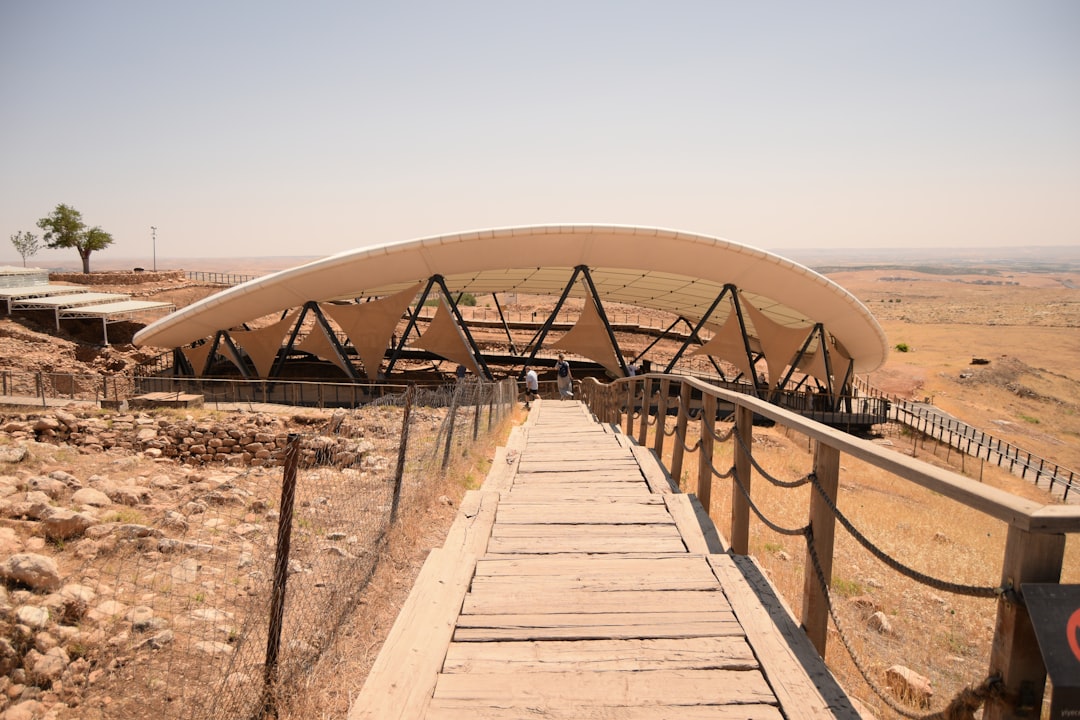
The silent sentinels of the past, early Neolithic monuments, stand as enigmatic testaments to a period of profound societal transformation. For millennia, these structures have weathered the elements, their stones whispering tales of the earliest settled communities, their rituals, and their worldview. Uncovering these ancient sites is not merely an archaeological pursuit; it is a journey into the very foundations of human civilization, a quest to understand how our ancestors transitioned from nomadic hunter-gatherers to architects of monumental landscapes. This endeavor involves meticulous excavation, sophisticated analysis, and a deep appreciation for the long-vanished hands that shaped these enduring legacies.
The advent of the Neolithic period, roughly commencing around 10,000 BCE in the Near East and spreading outwards, marked a revolutionary shift in human history. It was an era characterized by the domestication of plants and animals, leading to sedentary lifestyles and the development of agriculture. This fundamental change in subsistence strategy had far-reaching consequences, fostering population growth, the emergence of permanent settlements, and, crucially, the capacity for communal labor on a scale previously unimagined. It is within this context of burgeoning social complexity that the first monumental structures began to appear, signaling a profound reordering of human priorities and beliefs.
Agriculture and the Rise of Sedentism
The domestication of crops like wheat and barley, along with the taming of animals such as sheep and goats, allowed early humans to produce surplus food. This agricultural revolution freed communities from the constant pursuit of sustenance, enabling them to establish permanent villages and towns. Sedentary life fostered stronger social bonds, the accumulation of knowledge, and the development of specialized skills. It created the conditions for larger, more organized societies, capable of undertaking ambitious projects that extended beyond the immediate needs of survival.
Surplus and Social Organization
The agricultural surplus generated by Neolithic communities was not merely about feeding more people; it was a catalyst for social stratification and the development of leadership. It allowed for the support of individuals not directly involved in food production, such as craftspeople, spiritual leaders, and those who could organize labor. This emerging social hierarchy played a vital role in the conception and execution of monumental construction, as it provided the necessary framework for coordinating large groups of people towards a common goal.
Religious and Ideological Drivers
While economic and social factors were undoubtedly important, the impetus behind monumental construction was likely deeply intertwined with the evolving spiritual and ideological landscapes of early Neolithic societies. These structures were not simply practical constructions; they were imbued with meaning, serving as focal points for religious rituals, astronomical observation, and the commemoration of ancestors. Understanding these motivations requires delving into the symbolic language and belief systems of these early peoples.
The early Neolithic period is marked by significant advancements in monumental architecture, reflecting the social and cultural transformations of the time. A fascinating exploration of ancient technologies can be found in the article titled “Harnessing Ancient Solar Furnace Tech,” which discusses innovative methods used by early civilizations, including their architectural practices. To learn more about these ancient techniques and their impact on monumental structures, you can read the article here: Harnessing Ancient Solar Furnace Tech.
Locating the Lost: Methods of Discovery
The challenge of uncovering Neolithic monuments lies in their age. Over millennia, many have been buried by soil accumulation, eroded by wind and water, or dismantled for building materials. Archaeologists employ a diverse array of techniques, both traditional and cutting-edge, to pierce the veil of time and reveal these hidden structures.
Landscape Survey and Reconnaissance
The initial phase of discovery often begins with thorough landscape surveys. Archaeologists meticulously walk the terrain, identifying subtle anomalies in the topography that might indicate buried features. This can involve visual inspection for earthworks, depressions, or unusual concentrations of stone. Historical records and local folklore can also provide valuable clues, pointing to areas where ancient structures might lie.
Geophysical Prospection: Peering Beneath the Surface
Modern technology offers powerful tools for non-invasive investigation. Geophysical prospection techniques allow archaeologists to “see” beneath the ground without disturbing the soil.
Ground-Penetrating Radar (GPR)
Ground-penetrating radar emits radio waves into the earth and analyzes the signals that bounce back from subsurface features. Variations in the reflected waves can reveal the presence of buried walls, pits, ditches, and even changes in soil density, helping to map the extent and form of potential structures.
Magnetometry
Magnetometry measures variations in the Earth’s magnetic field. Burnt materials, such as hearths or kilns, and buried ditches filled with topsoil can create magnetic anomalies that are detectable by magnetometers, providing a high-resolution map of subsurface features.
Electrical Resistivity
Electrical resistivity surveys measure how easily electrical current flows through the soil. Different materials and buried features, such as stone walls or compacted earth, have distinct electrical resistance, allowing archaeologists to identify and delineate them.
Aerial and Satellite Imagery Analysis
The perspective from above can reveal patterns invisible from the ground. Aerial photographs and satellite imagery, especially when analyzed in conjunction with different spectral bands, can highlight subtle crop marks, soil marks, or changes in vegetation that indicate the presence of buried archaeological features. Lidar (Light Detection and Ranging) technology, in particular, has revolutionized landscape archaeology by digitally removing vegetation cover, revealing previously obscured earthworks and structures.
Excavation: The Delicate Art of Unearthing

Once potential sites are identified, the painstaking process of excavation begins. This is a highly controlled and systematic undertaking, where every artifact and soil layer is meticulously recorded and preserved. The goal is not simply to dig up objects, but to understand the context in which they were found, as this context holds the key to their meaning.
Stratigraphy: Reading the Layers of Time
Archaeological excavation is fundamentally about understanding stratigraphy – the study of the deposition of soil and material over time. Each layer of soil represents a period of activity or abandonment. By carefully excavating these layers, archaeologists can reconstruct the sequence of events that shaped a site, determining which features were built earlier and which were added or modified later.
Artifact Recovery and Documentation
Every fragment unearthed, from a shard of pottery to a polished stone axe, is a vital piece of evidence. Artifacts are meticulously cataloged, photographed, drawn, and bagged, with precise location data recorded. This ensures that their original context is preserved, allowing for detailed analysis later.
Environmental Sampling: Reconstructing Past Ecosystems
Beyond artifacts, archaeologists collect soil and sediment samples to reconstruct the past environment. This can reveal information about the types of plants and animals present, the climate, and the agricultural practices of the inhabitants. Pollen analysis, for instance, can identify the types of vegetation that grew in the vicinity, while faunal remains can indicate diet and animal husbandry.
Interpreting the Stones: Understanding Function and Meaning

The unearthed stones and the patterns they form are the raw material for interpretation. Archaeologists strive to understand not just what these structures were, but why they were built and how they were used by early Neolithic communities. This involves interdisciplinary collaboration and a willingness to consider a range of possibilities.
Alignments and Astronomical Significance
Many Neolithic monuments exhibit deliberate alignments with celestial events. Stone circles, for example, are often aligned with the solstices or equinoxes, suggesting a sophisticated understanding of astronomy and its integration into their ritual practices and calendrical systems.
Solstitial Alignments
Alignments with the summer and winter solstices are particularly common, marking the longest and shortest days of the year. These events likely held profound spiritual significance, potentially tied to agricultural cycles or cosmological beliefs.
Equinoctial Alignments
Alignments with the spring and autumn equinoxes, when day and night are of equal length, also feature in some monumental constructions, further emphasizing the importance of celestial observation.
Ritual and Ceremonial Use
The presence of hearths, altars, and ceremonial artifacts within or around these monuments strongly suggests their use in rituals and ceremonies. These were likely places where communities gathered for shared experiences, connecting with the divine, their ancestors, or the natural world.
Evidence of Feasting and Offerings
Archaeological evidence such as large quantities of animal bones, broken pottery, and specially prepared deposits can indicate communal feasting and the offering of sacrifices or gifts to deities or ancestral spirits.
Sacred Precincts and Community Gathering
These monuments often served as focal points for their communities, acting as sacred precincts where important social and religious events took place. They were places of assembly, reinforcing social cohesion and collective identity.
Social and Political Statements
Beyond religious or astronomical functions, monumental construction could also serve as a tangible expression of social power and political authority. The ability of a community to mobilize labor and resources for such grand projects could have been a way to demonstrate their strength and influence.
Markers of Ancestral Power and Lineage
Some structures may have been built to commemorate ancestors, serving as focal points for ancestor veneration and reinforcing lineage ties, thus solidifying social hierarchies.
Territorial Markers and Community Identity
The construction of prominent monuments could have also served as territorial markers, delineating the boundaries of a community and asserting their claim to the land. These shared constructions would have fostered a sense of collective identity and belonging.
The study of early Neolithic monumental architecture reveals fascinating insights into the social and cultural practices of ancient societies. One particularly intriguing example is the site of Baalbek, known for its massive stones and impressive construction techniques. For a deeper understanding of the engineering marvels and the mysteries surrounding these ancient structures, you can explore this related article on Baalbek’s massive stones here. Such monumental sites not only reflect the technological advancements of the time but also provide clues about the community dynamics and religious beliefs that shaped their creation.
The Enduring Legacy: Unanswered Questions and Future Directions
| Site | Location | Structure | Dimensions |
|---|---|---|---|
| Göbekli Tepe | Turkey | T-shaped pillars | Up to 5.5 meters tall |
| Avebury | United Kingdom | Stone circles and avenues | Up to 331.6 meters in diameter |
| Çatalhöyük | Turkey | Houses with plastered walls and roofs | Varied sizes |
Despite centuries of research, the early Neolithic monuments continue to hold many secrets. Each excavation, each new interpretation, adds another layer to our understanding, yet invariably raises new questions. The ongoing quest to uncover and comprehend these ancient marvels is a dynamic field, constantly evolving with new discoveries and technological advancements.
The Role of Oral Tradition and Lost Knowledge
While archaeology provides tangible evidence, the precise beliefs and intentions behind these constructions are often lost to time. The role of oral traditions, which would have accompanied the physical structures, remains largely inaccessible to modern researchers, leaving a crucial gap in our understanding.
The Evolution of Monumental Architecture
The diversity of Neolithic monuments across different regions suggests a complex and varied development of architectural traditions. Understanding the diffusion and independent invention of these practices remains a key area of research.
The Impact of Climate Change and Environmental Shifts
The environments in which these monuments were built have changed significantly over millennia. Understanding how climate change and environmental shifts influenced Neolithic societies and their monumental endeavors is crucial for a holistic perspective.
Advancements in Dating and Analytical Techniques
Future research will undoubtedly benefit from further advancements in dating technologies, such as more precise radiocarbon dating, and sophisticated analytical techniques for materials science and isotopic analysis. These will provide finer-grained insights into the chronology and origins of these structures.
Comparative Studies and Cross-Cultural Perspectives
Comparative studies of Neolithic monuments across different geographical regions are essential for identifying commonalities and divergences in their development and function. This global perspective allows for a richer understanding of the broader trajectory of human social and cultural evolution.
In conclusion, the uncovering of early Neolithic monuments is an ongoing and multifaceted endeavor. It is a testament to human ingenuity, social organization, and the enduring human drive to imbue the landscape with meaning. As we continue to excavate, analyze, and interpret these silent witnesses to our distant past, we not only expand our knowledge of history but also gain a profound appreciation for the deep roots of human civilization and the remarkable journey that led us to where we are today.

The World Beyond Göbekli Tepe Is Far Bigger Than We Thought
FAQs
What is early Neolithic monumental architecture?
Early Neolithic monumental architecture refers to large-scale structures built during the Neolithic period, which began around 10,000 BC. These structures were often made of stone or wood and served various purposes, such as religious, ceremonial, or communal.
Where can early Neolithic monumental architecture be found?
Early Neolithic monumental architecture can be found in various regions around the world, including Europe, the Middle East, Asia, and the Americas. Some well-known examples include Stonehenge in England, Göbekli Tepe in Turkey, and the megalithic temples of Malta.
What were the purposes of early Neolithic monumental architecture?
The purposes of early Neolithic monumental architecture varied depending on the specific structure and cultural context. Some were likely used for religious or ceremonial rituals, while others may have served as communal gathering places or markers of territorial boundaries.
How were early Neolithic monumental architecture constructed?
Early Neolithic monumental architecture was typically constructed using large stones, wooden posts, or other durable materials. The construction process likely involved a combination of manual labor, simple tools, and communal effort, as evidenced by the size and complexity of the structures.
What is the significance of early Neolithic monumental architecture?
Early Neolithic monumental architecture is significant for its role in shaping early human societies and providing insights into ancient cultural and religious practices. These structures also represent impressive feats of engineering and construction for their time, showcasing the ingenuity and capabilities of early human communities.