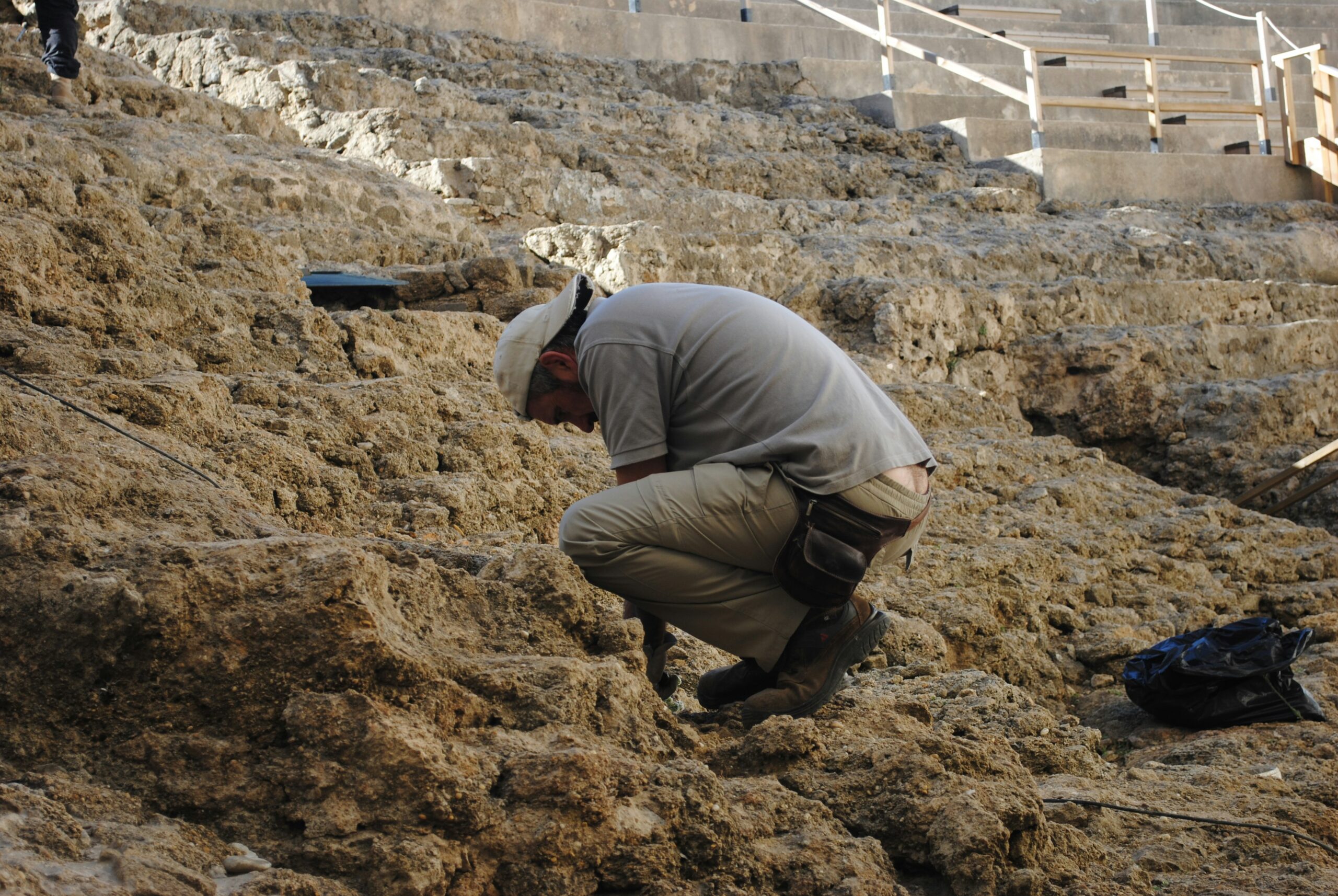
The vast, sun-baked expanses of the Eastern Sahara hold secrets whispered across millennia, a testament to human ingenuity and adaptation in a landscape that has dramatically transformed over time. For decades, intrepid archaeologists have ventured into this formidable territory, piecing together the scattered fragments of prehistoric life. Their efforts have unveiled a rich tapestry of human presence, challenging previous notions of the region’s arid nature and revealing a dynamic past where water flowed and vibrant cultures flourished.
The Eastern Sahara, a region encompassing vast stretches of Egypt, Sudan, Libya, and Chad, might today evoke images of an unforgiving, desolate wasteland. Yet, beneath its seemingly immutable surface lies a profound archaeological legacy. This seemingly barren desert was once a far more hospitable environment, a veritable cradle of human innovation and cultural development during various prehistoric periods. Understanding this past is not merely an academic exercise; it offers crucial insights into human resilience, migration patterns, and the complex interplay between climate change and societal evolution. The very act of uncovering these ancient sites is a testament to the enduring human drive to explore, to understand our origins, and to connect with the distant ancestors who navigated similar environmental challenges.
A Shifting Landscape: The Holocene Humid Period
The key to unlocking the Eastern Sahara’s prehistoric past lies in understanding the dramatic climatic shifts it has undergone. The most significant period for human habitation and cultural flourishing in this region was the Holocene Humid Period, often referred to as the “Green Sahara.” This epoch, roughly from 11,000 to 5,000 years ago, saw a significant increase in rainfall, transforming vast swathes of the desert into savanna grasslands, dotted with lakes and rivers.
The Role of Monsoonal Intensification
The monsoonal rains, originating from the south, were the primary driver of this dramatic environmental transformation. As the planet emerged from the last Ice Age, global climate patterns shifted, allowing these moisture-laden winds to penetrate further north into what is now the Sahara. This increased precipitation replenished ancient riverbeds, created vast ephemeral lakes, and supported a rich ecosystem of flora and fauna.
Paleoenvironmental Reconstructions: Reading the Earth’s Story
Archaeologists and paleoenvironmental scientists employ a variety of techniques to reconstruct these past environments. Analysis of lake sediments, pollen records, and the geological formations of ancient river systems provides tangible evidence of a wetter past. The presence of aquatic species in fossilized remains further corroborates the existence of water bodies that supported life. These reconstructions are crucial for contextualizing the archaeological discoveries, explaining the presence of human populations and their subsistence strategies.
Eastern Sahara prehistoric archaeology has garnered significant attention due to its rich tapestry of ancient human activity and cultural development. A related article that explores the implications of archaeological findings in the context of modern governance and asset management can be found at this link. This piece delves into how contemporary issues intersect with historical narratives, shedding light on the importance of preserving archaeological sites in the face of governmental policies.
The Dawn of Settlements: Early Hunter-Gatherers in the Green Sahara
The Green Sahara was a magnet for human populations, attracting hunter-gatherer groups who capitalized on the abundant resources. These early inhabitants left behind a wealth of archaeological evidence, from stone tools to rock art, painting a vivid picture of their lives.
Lithic Technologies: Tools of Survival
The excavation of numerous archaeological sites has yielded a rich collection of stone tools, known as lithics. These artifacts, carefully crafted from materials like chert and quartz, demonstrate a sophisticated understanding of tool-making and a remarkable adaptability to their environment.
Scrapers and Blades: Essential for Daily Life
The presence of numerous scrapers, used for preparing hides and processing food, and finely flaked blades, employed for cutting and carving, indicates a subsistence economy deeply intertwined with hunting and gathering. The variety and quality of these tools speak to the skill and ingenuity of these early peoples.
Projectile Points: The Evolution of Hunting
The discovery of various types of projectile points, from small, barbed points to larger, leaf-shaped ones, suggests the development of increasingly effective hunting strategies. These points were likely hafted onto spears and arrows, allowing for more efficient hunting of the diverse animal life that inhabited the Green Sahara.
Early Rock Art: Narratives Etched in Stone
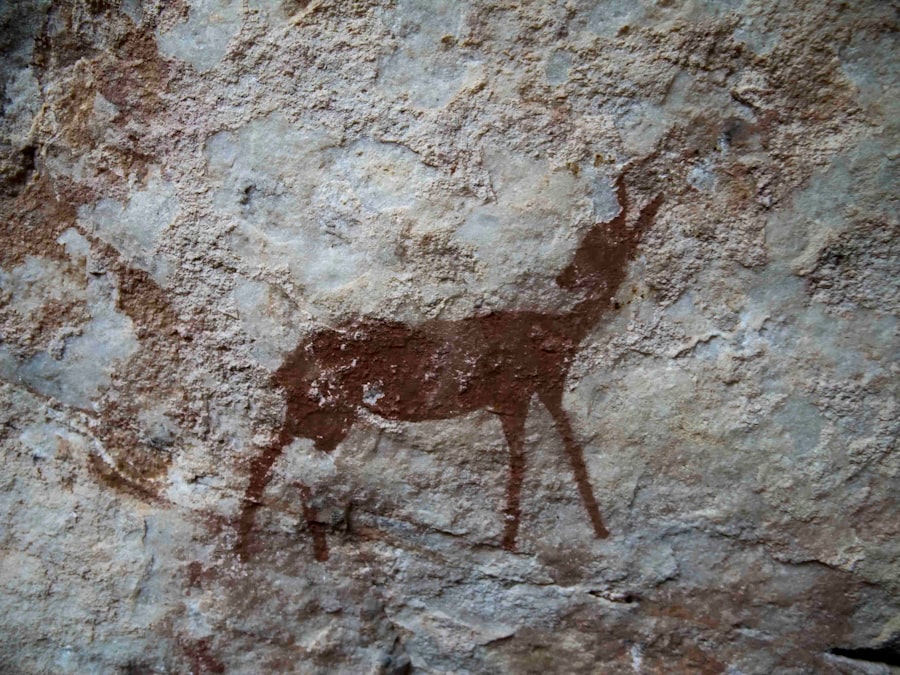
Perhaps one of the most captivating aspects of Eastern Saharan archaeology is the abundance of prehistoric rock art. These engravings and paintings, found in caves and on rock shelters across the region, offer a unique window into the beliefs, daily lives, and artistic expressions of ancient peoples.
Depictions of Fauna: A Hunter’s World
Many rock art panels feature detailed depictions of animals that once roamed the Sahara, including giraffes, elephants, cattle, and antelopes. These portrayals are not merely artistic; they offer invaluable insights into the fauna of the period and the importance of these animals in the lives of the people.
Human Figures and Rituals: Glimpses into Social Life
Beyond animal imagery, rock art also depicts human figures engaged in various activities, from hunting and dancing to what appear to be ritualistic ceremonies. These representations provide crucial clues about social structures, beliefs, and the spiritual dimensions of these ancient societies.
The Rise of Pastoralism: Domesticating the Landscape
As the Green Sahara flourished, a significant transition occurred: the gradual adoption of pastoralism, the herding of domesticated animals, primarily cattle. This shift marked a profound change in human subsistence strategies and had far-reaching implications for social organization and settlement patterns.
Evidence of Cattle Domestication: A Turning Point
Archaeological evidence, including the remains of domesticated cattle and the distinct art styles associated with pastoral communities, points to the emergence of cattle herding as a primary subsistence strategy in the Eastern Sahara. This development likely occurred in tandem with the intensification of rainfall and the availability of sufficient grazing lands.
Art Styles and Symbolism: The Sacred Cow
Rock art sites often reveal a strong focus on cattle, with elaborate depictions and a distinct symbolism. The veneration of cattle in art suggests their central role not only as a source of food and wealth but also as a significant element of religious and social identity.
Settlement Patterns and Mobility: Following the Herds
The adoption of pastoralism led to changes in settlement patterns. While some sedentary or semi-sedentary settlements existed, the nomadic or transhumant nature of herding likely encouraged a more mobile lifestyle, with communities following their herds to optimal grazing areas.
The Neolithic Revolution in the Sahara: Innovation and Adaptation
The Neolithic period, characterized by the development of agriculture and more settled lifestyles, also left its mark on the Eastern Sahara, albeit in a more complex and nuanced way than in other parts of the world. While full-scale agriculture was not universally adopted, evidence of plant cultivation and sophisticated toolkits points to a period of significant innovation.
Early Agriculture and Foraging: A Mixed Economy
While the arid conditions made large-scale agriculture challenging, evidence suggests that some Neolithic groups practiced forms of plant cultivation, potentially in areas with reliable water sources. This was likely supplemented by extensive foraging and the continued importance of pastoralism.
Grinding Stones and Seed Processing: Evidence of Plant Use
The discovery of grinding stones and evidence of seed processing indicates that wild grains and other plant resources were a significant part of the diet. This suggests a complex economy that integrated wild resource management with nascent forms of plant cultivation.
Advanced Ceramic Traditions: Vessels of Change
The Neolithic period is also marked by the development of sophisticated ceramic traditions. The production of pottery for storage, cooking, and other domestic purposes reflects advancements in material culture and technological innovation. These ceramics often bear decorative motifs that provide further insights into the cultural practices of these communities.
Recent discoveries in Eastern Sahara prehistoric archaeology have shed light on the region’s ancient civilizations and their unique adaptations to a changing environment. Researchers have uncovered artifacts that suggest a rich cultural tapestry, revealing how early humans thrived in this arid landscape. For a deeper understanding of ancient history and its connections to the Sahara, you might find this article on the subject particularly enlightening. It explores various aspects of prehistoric life and can be accessed through this link: ancient history unveiled.
The Legacy of the Green Sahara: Echoes in the Arid Present
The story of the Eastern Sahara’s prehistoric past is not simply a tale of bygone eras; it holds enduring relevance for understanding human-environment interactions and the capacity for adaptation. The cycles of aridity and humidity experienced by the region serve as a potent reminder of the planet’s dynamic nature and the profound impact of climate change on human societies.
Lessons in Resilience: Human Ingenuity in the Face of Adversity
The prehistoric inhabitants of the Eastern Sahara demonstrated remarkable resilience and ingenuity in adapting to varying environmental conditions. Their ability to thrive in a landscape that would become increasingly arid speaks volumes about their resourcefulness, their technological advancements, and their deep understanding of their environment.
Climate Change and Human Migration: A Precedent for the Future
The dramatic environmental shifts in the Eastern Sahara offer a compelling historical precedent for understanding the potential impacts of modern climate change on human populations. The migrations and adaptations of ancient Saharan peoples in response to changing climates can inform our understanding of future human displacement and the challenges of adaptation.
Ongoing Discoveries: The Sahara’s Unfolding Story
The archaeology of the Eastern Sahara is a continuously evolving field. New discoveries are being made regularly, pushing the boundaries of our knowledge and challenging existing theories. The vastness of the region and the ongoing challenges of excavation mean that much of its prehistoric past remains to be uncovered, promising further revelations about the deep history of human civilization. The whispers from the desert are growing louder, and with each discovery, we gain a more profound appreciation for the enduring legacy of the Eastern Sahara’s prehistoric inhabitants.

260 Ancient Graves Were Hiding in This “Empty” Desert
FAQs
What is the significance of prehistoric archaeology in the Eastern Sahara?
Prehistoric archaeology in the Eastern Sahara provides valuable insights into the early human occupation of the region, including the development of early human societies, their interactions with the environment, and the evolution of cultural practices and technologies.
What are some key findings from prehistoric archaeology in the Eastern Sahara?
Some key findings from prehistoric archaeology in the Eastern Sahara include evidence of early human settlements, rock art, burial sites, and the use of tools and other artifacts. These findings help researchers understand the lifestyles and behaviors of ancient populations in the region.
How do archaeologists conduct research in the Eastern Sahara?
Archaeologists conduct research in the Eastern Sahara through a variety of methods, including excavation, surveying, and analysis of artifacts and environmental data. They also use advanced technologies such as remote sensing and geographic information systems to study the landscape and identify potential archaeological sites.
What challenges do archaeologists face in studying prehistoric sites in the Eastern Sahara?
Archaeologists studying prehistoric sites in the Eastern Sahara face challenges such as extreme environmental conditions, limited access to remote areas, and the preservation of fragile artifacts and structures. Additionally, political instability and conflict in the region can also pose obstacles to archaeological research.
How does prehistoric archaeology in the Eastern Sahara contribute to our understanding of human history?
Prehistoric archaeology in the Eastern Sahara contributes to our understanding of human history by providing evidence of early human migration patterns, cultural developments, and adaptations to changing environments. This research helps to fill in gaps in our knowledge of human prehistory and contributes to a more comprehensive understanding of the human experience.